





Last Updated on August 22, 2026 by Jeff Tomas
If Chiang Mai feels like a busy café, Chiang Raifeels like the quiet garden out back. It’s smaller, calmer, and easier to take in at a slow pace. That makes it a strong pick for first-time visitors to northern Thailand. Founded in 1262 during the old Lanna era, Chiang Rai mixes temple history, bold modern art, simple local food, and quick nature breaks. Start with the basics, and the trip feels easy from day one.
Plan the basics first: when to go, how to get there, and where to stay
Chiang Rai is easy to reach, even if it feels far from the main tourist rush. The fastest route is through Chiang Rai International Airport (CEI). Direct flights from Bangkok take about 1.5 hours, and in 2026, one-way fares often sit around 1,000 to 3,000 baht if you book early.
Overland, the common route is the bus from Chiang Mai. Expect about 3 to 4 hours, depending on traffic and stops. There’s no train to Chiang Rai, so rail travelers usually connect by bus or plane.
For a first trip, stay downtown or near the Night Bazaar. That area is walkable, close to food, and handy for short rides to the main sights.
Here’s a simple budget snapshot to help you picture the trip:
| Style | Typical nightly cost | What to expect |
| Budget | 500 to 1,000 baht | Guesthouses, basic hotels, AC, simple rooms |
| Mid-range | 1,500 to 3,000 baht | Better location, larger rooms, pool, or breakfast |
| Luxury | 5,000 baht and up | Resort-style stays, gardens, high-end service |
The big takeaway is simple: Chiang Rai stays affordable, especially compared with bigger Thai cities.
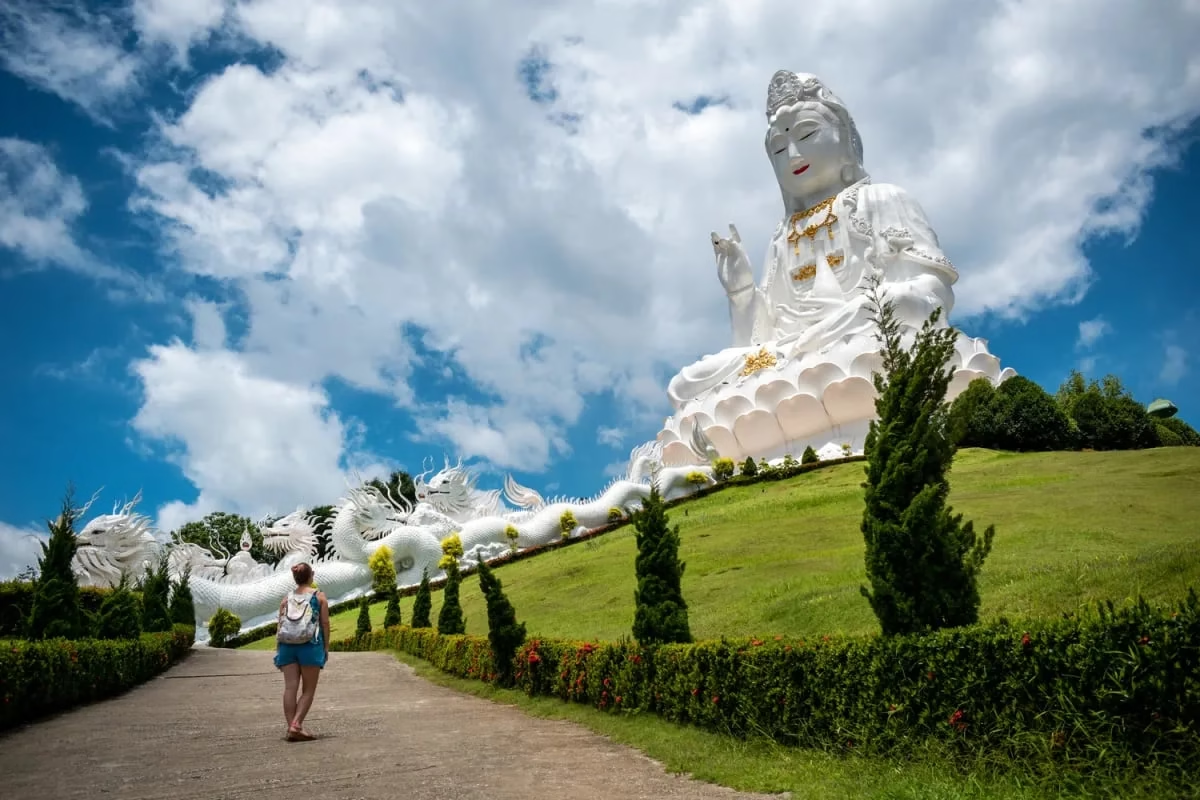
The best time to visit is for cool weather and easy sightseeing.
For most first-timers, November to Februaryis the sweet spot. Days are cooler and drier, usually around 68 to 86°F, which makes temple visits, market walks, and day trips much more comfortable. If you want a weather breakdown by month, this best time to visit Chiang Rai guide is a useful reference.
March to May gets hot fast. By late March, daytime highs can already reach about 90°F, so midday sightseeing feels heavier. This period can also bring northern haze. Then, from June to October, rain becomes more common. The city is still visitable, but your plans need more flexibility.
The easiest neighborhoods for first-time visitors
Downtown Chiang Rai works well because it removes friction. You can walk to cafés, the Clock Tower area, the Night Bazaar, and plenty of local restaurants. Buses, songthaews, and ride-hailing pickups are also easier from the center.
The Night Bazaar area is especially beginner-friendly. You’re near evening food stalls, souvenir shopping, and useful transport links, but the pace still feels manageable. Compared with many Thai cities, Chiang Rai is compact, and that’s part of its charm.
See the Chiang Rai sights that are worth your time on a first visit
Chiang Rai doesn’t need a long checklist. A better plan is to choose a few places that show its range, old temples, modern art, and soft countryside views.
Start with Chiang Rai’s famous temples, White Temple, the Blue Temple, and Wat Phra Kaew.
Wat Rong Khun, better known as the White Temple, is the city’s most talked-about sight. It isn’t an ancient temple in the usual sense. It’s a modern artistic complex created by Chalermchai Kositpipat, and it feels almost unreal in person, like porcelain catching sunlight. The white exterior, mirrored glass, and strange symbolic details make it unforgettable. Entry is about 50 bahtfor foreign visitors.
Inside, the murals surprise many visitors because they mix Buddhist themes with modern pop culture references. It’s a short ride outside town, so go early if you want softer light and fewer people. This guide to the White and Blue Temples adds helpful context before you go.
Then visit Wat Rong Seur Ten, the Blue Temple. It’s newer, free to enter, and much less formal in feel. The bright blue interior and golden Buddha create a strong contrast with the White Temple’s icy look. If the White Temple feels theatrical, the Blue Temple feels rich and immersive.
For a deeper sense of local history, add Wat Phra Kaew. This is one of Chiang Rai’s most respected temples and is tied to the story of the Emerald Buddha, which legend says was discovered here after lightning struck a chedi. It’s calmer than the headline sights and gives you a clearer sense of Chiang Rai’s Lanna roots.
Add one or two creative stops, Black House, tea hills, or a local museum
If you like unusual art, head to Baan Dam Museum, often called the Black House. It’s a collection of dark wooden buildings and striking objects that feel moody, dramatic, and a little strange. The contrast with the White Temple is part of the appeal.
If you’d rather trade dark art for open views, choose Choui Fong Tea Plantation. The rolling hills, neat rows of tea bushes, and café stops make it one of the easiest scenic outings near Chiang Rai. Meanwhile, Mae Fah Luang Art and Cultural Park is a quieter option, with landscaped grounds and a strong collection of Lanna art and artifacts.
The smart move is to pick oneof these after the temples, not all of them. A slower day usually feels better than racing from stop to stop. For more route ideas, this Chiang Rai travel guide and itinerary is a helpful planning companion.

Eat well, get around easily, and enjoy the city’s slower pace
Chiang Rai is at its best when you leave a little room in the day. A temple in the morning, a long lunch, a market at night, that rhythm suits the city.
What to eat first at the night market and local restaurants
The Chiang Rai Night Bazaar is the easiest first stop for food. You can sample a few dishes without committing to a full restaurant meal, and the setting is relaxed enough to linger. Expect grilled meats, sticky rice, fruit shakes, mango sticky rice, and northern Thai favorites.
Start with khao soi, then try sai ua, the fragrant northern Thai sausage. On weekends, the Saturday Walking Street is another easy place to eat and people-watch. It feels more local, with a little more energy and a wider mix of snacks.
If you want a sit-down meal, travelers often like Lu Lam for northern dishes and Chivit Thamma Da for a slower café meal by the river. Keep the list short, though. In Chiang Rai, a random busy local spot is often a good bet.
How to get around without making your trip stressful
The city center is walkable, especially if you stay near the Night Bazaar. Still, major sights like the White Temple and Black House sit outside the core, so you’ll need wheels at least part of the time.
For most first-timers, Grab is the easiest option. An airport ride into town usually takes 20 to 30 minutes and often costs around 200 to 350 baht, depending on time and demand. Songthaews are cheaper, while tuk-tuks work well for short hops if you agree on the price before the ride.
Bicycles are a great choice if you want a slower look at the countryside. The roads southwest of town pass fields, villages, and quiet lanes that show a softer side of the area.
If you haven’t ridden a scooter in Thailand before, skip it here. Chiang Rai is relaxed, but unfamiliar roads still catch people out.

Simple day trips and smart travel tips for a smooth first visit
Once you’ve seen the main temples and eaten well, Chiang Rai still has more to offer. The good news is that the next layer of sights stays low-stress.
Easy day trips for waterfalls, hot springs, and countryside views
Khun Korn Waterfall is a good nature break if you want forest and a proper stretch of the legs. Huay Mae Sai Waterfall is another nearby option. If soaking sounds better than hiking, Pong Phra Soet hot springs offers a gentler pace.
You can also build a half-day around tea country, back roads, and café stops. That’s often a better fit for first-time visitors than trying to cram in every major out-of-town stop. If you’re staying longer, this 2-day itinerary in Chiang Rai gives a nice sense of how to pace things.
Travelers heading onward to Laos sometimes continue to Chiang Khong for Mekong crossings and slow-boat connections, but most first visits are better kept simple.
Safety and etiquette tips that make a big difference
Chiang Rai is generally safe, calm, and easygoing. That said, a few habits make the trip smoother. Carry bottled water, use sunscreen, and keep an eye on your valuables in busy markets. At night, stick to well-lit streets, especially if you’re walking back from the bazaar.
Temple manners matter, too. Dress modestly, cover shoulders and knees, remove shoes where required, and keep your voice low in active worship spaces. It’s a small shift, but it changes how respectfully you move through the city.
Also, agree on tuk-tuk prices before getting in. That one step prevents most transport hassles.
Chiang Rai works because it doesn’t ask you to rush. It’s compact, affordable, rich in culture, and easy to enjoy without a packed schedule.
Pick a central place to stay, visit a few standout temples, eat at the markets, and save time for a tea stop or waterfall. That simple plan usually leads to the best version of Chiang Rai, the one that feels calm, memorable, and never overwhelming.



