




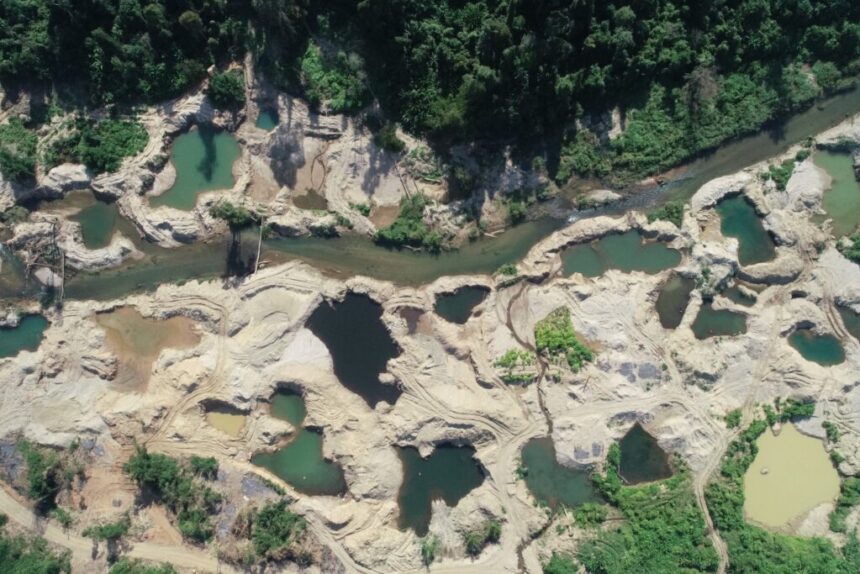
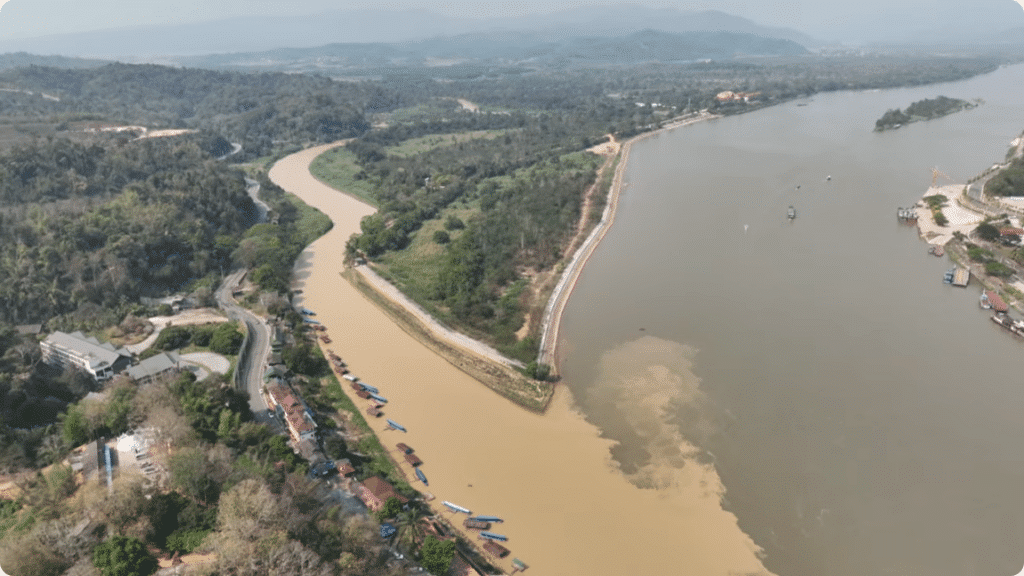
CHIANG RAI– Imagine a river that once gave life to thousands of families, now slowly choking with toxic metals. This is the harsh reality for five major rivers flowing near and through Thailand: the Kok, Sai, Ruak, Mekong, and Salween. For over a year, these vital waterways have been silently suffering from heavy pollution. The main cause is a massive, unchecked spike in illegal mining operations across the border in Myanmar.
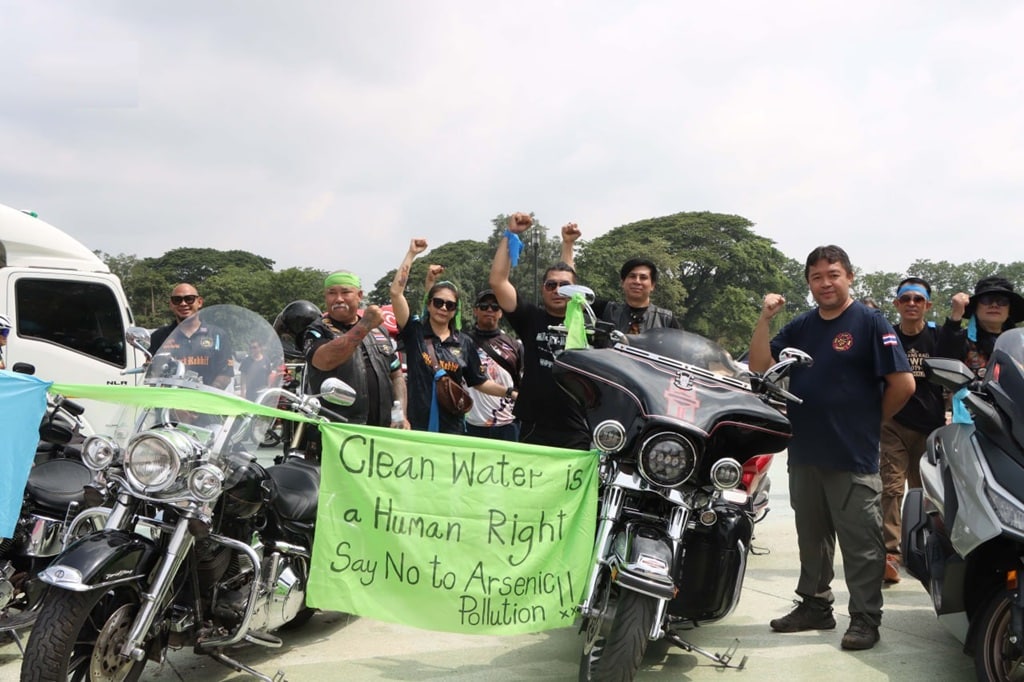
Now, local networks and environmental groups are refusing to stay quiet. They are organizing a major six-day march to demand immediate help. This peaceful protest aims to grab the attention of top government officials, especially Deputy Prime Minister Anutin Charnvirakul. The goal is to push the Thai government to take this issue to the global stage before the damage becomes permanent.
You can read the original report about this growing crisis at News1Live . The situation is difficult, and the time to act is running out fast. Let’s break down exactly what is happening, who is affected, and what the local activists plan to do next.
A Growing Environmental Crisis
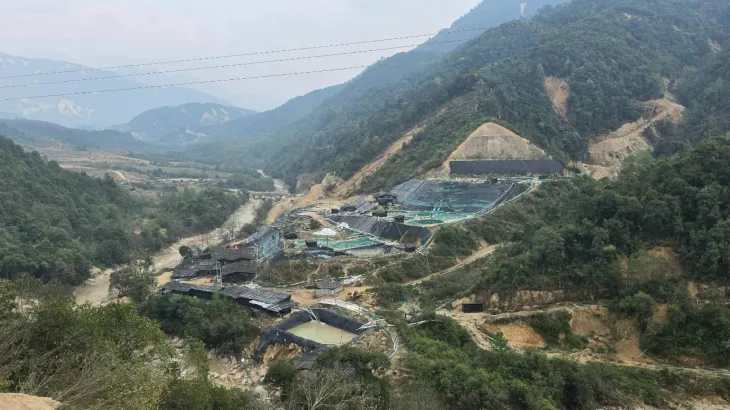
The sheer scale of this problem is staggering. Over the past year, the number of unregulated mines in neighboring countries has exploded. These mines almost always operate without any safety standards or environmental rules.
- Shocking Satellite Proof:Recent satellite images from international researchers show at least 2,582 unregulated mines in the region. This is a big jump from the 2,300 to 2,400 mines spotted just a few years ago.
- The Rare Earth Rush:A lot of this illegal digging is driven by the global hunger for “rare earth” minerals. Valuable materials like antimony, manganese, lead, tin, and tungsten are being pulled right out of the earth.
- Toxic Leftovers:The rough mining process leaves behind highly dangerous heavy metals. These toxins seep deep into the soil and wash straight into the rivers, eventually making their way down into Thailand. Tests show these metals are now present in the water, the river mud, and even the farming soil.
These minerals are often moved quickly through Thai border towns—like Mae Sai, Chiang Saen, and Mae Sot—on their way to buyers in China. Meanwhile, the people living along the rivers are left to deal with the toxic mess left behind.
The Deep Impact on Local Families
This pollution is not just a problem for fish and plants. It is a direct threat to human health, clean drinking water, and local budgets. The heavy metal pollution has truly become a public health emergency.
Consider the numbers:
- Over 40,000 households rely directly on the Kok River for daily life.
- Another 30,000 households depend heavily on the Sai and Ruak rivers.
- In total, more than 70,000 families are now facing dirty, dangerous water.
The water quality in the Kok River has dropped so much that the local water authority is forced to find a totally new source. They plan to block the nearby Lao River to use its clean water instead. However, this backup plan is incredibly expensive. It will cost an estimated 2.1 billion baht to build the new water system. Local communities feel it is unfair that they are paying the heavy price for illegal businesses happening across the border.
The Six-Day March for Change
To fight back, the “Network of People Protecting the Kok, Sai, Ruak, and Mekong Rivers” is taking to the streets. They are organizing a peaceful march, known as a Dhammayatra, running from May 31 to June 5. Fittingly, the final day lands on World Environment Day.
The march has a clear route and a strong purpose:
- The Journey:Walkers will start at the Tha Ton bridge in Chiang Mai and follow the Kok River closely. They will pass directly through several hard-hit communities.
- Daily Meetings:Every single day, the group will hold local meetings. This gives villagers a safe space to share their stories and speak out about the pollution ruining their farms.
- The Big Finish:On the final day, a fleet of 15 boats will float down the river to the Mae Fah Luang Bridge in Chiang Rai. Artists and youth groups will join them to make a powerful visual statement and hand over a formal petition.
Demanding Real Action from Leaders
The organizers are calling on high-level leaders to step up immediately. They have openly invited Deputy Prime Minister Anutin Charnvirakul and other key ministers to meet them in Chiang Rai to hear the truth firsthand.
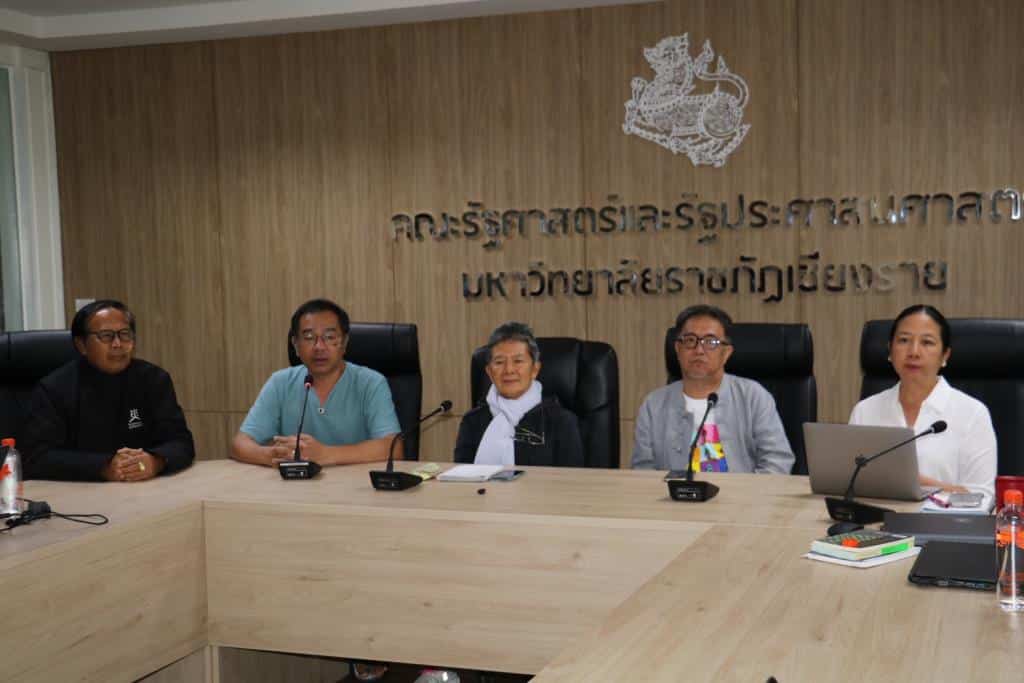
According to experts like Tuenjai Deetes, a former senator and founder of the Hill Area and Community Development Foundation, this is no longer just a local village issue. It is a global problem. She stresses that the Thai government cannot just stand by and let illegal mining destroy these vital rivers.
Experts believe Thailand must use international platforms to stop the pollution right now. They suggest pushing the issue at the United Nations Human Rights Council or the World Trade Organization (WTO). Only intense global pressure can force these illegal mines to adopt safe standards or shut down completely.
Dr. Suebsakul Kidnukorn, a well-known scholar from Mae Fah Luang University, notes that the government response has been far too slow. Last year, the Thai government set up a special team to check the water quality with Myanmar. However, they only met once in August, and absolutely nothing has happened since then.
Meanwhile, environmental rights defenders like Pianporn Deetes point out that the damage is spreading very fast. The pollution started up in northern Myanmar but is creeping closer to the Thai border every single month. The land is being sacrificed for quick profits.
The fight to save the Kok, Sai, Ruak, Mekong, and Salween rivers is reaching a critical breaking point. Local people have watched their water turn toxic for over a year. They are tired of empty promises and very slow reactions from leaders.
By marching together, they hope to wake up the government and the rest of the world. Protecting these rivers is not just about saving nature. It is about saving the everyday families who desperately depend on them to survive.