

Waste (Hazardous and Nonhazardous) - FAQs - Answers to Frequently Asked Questions
By EHSO.com, the site for free, objective, practical information about the environment, health and safety in 2026!
Waste (Hazardous and Nonhazardous) - FAQs - Answers to Frequently Asked Questions
Waste (Hazardous and Nonhazardous) - FAQs - Answers to Frequently Asked Questions
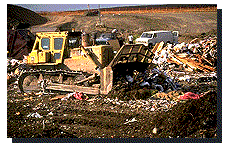
Frequently Asked Questions About Waste
Trash, Hazardous Waste, Chemical, etc.
- What is RCRA?
- What is Superfund (or CERCLA)
- What is regulated under RCRA?
- What is a RCRA hazardous waste?
- What is a RCRA solid waste?
- Who is regulated by the RCRA hazardous waste program? and... Who is regulated by the RCRA municipal solid waste program?
- Can anyone handle RCRA hazardous waste?
- Do citizens have any control over the construction of a waste facility in their community?
- How can I report environmental problems with waste management?
- How much hazardous waste is generated each year in the United States?
- How much municipal solid waste is generated each year in the United States?
- What types of businesses generate hazardous waste?
- How should household hazardous waste (e.g.,paint, paint thinner, batteries, used oil) be disposed?
- Who regulates landfills that accept municipal garbage? Can these municipal landfills accept hazardous waste?
- RCRA Orientation Manual
- Where can I get answers to more questions about RCRA?
What is RCRA?
RCRA is the Resource Conservation and Recovery Act, which was enacted by Congress in 1976. RCRA's primary goals are to protect human health and the environment from the potential hazards of waste disposal, to conserve energy and natural resources, to reduce the amount of waste generated, and to ensure that wastes are managed in an environmentally sound manner. RCRA mandated regulations are found in the Code of Federal Regulations at Title 40 (40 CFR), Parts 260 through 280.
The Resource Conservation and Recovery Act (RCRA), addresses a problem of enormous magnitude--how to safely manage and dispose of huge amounts of waste generated nationwide. RCRA, which was passed in 1976, is an amendment to the Solid Waste Disposal Act of 1956. Revisions to RCRA were last made in 1984 as more information has became available about the amount and types of waste we generate.
The 1984 amendments are referred to as the Hazardous and Solid Waste Amendments (HSWA). RCRA is divided into four distinct yet interrelated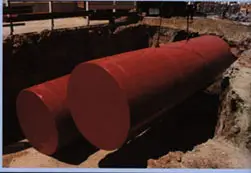
 comprehensive waste management programs. RCRA also regulates underground storage tanks (USTs) under Subtitle I and medical waste under Subtitle J.
The hazardous waste regulatory program may be run by either the EPA or a state agency. RCRA encourages states to assume primary responsibility for the implementation of RCRA regulations, instead of EPA. States must develop a hazardous waste program that is at least as stringent as the EPA so that minimum standards are met nationwide while giving states the flexibility to implement a more stringent or broader program.
The Comprehensive Environmental Response, Compensation, and Liability Act (CERCLA), referred to as Superfund is a related statute that deals with cleaning up inactive and abandoned hazardous waste sites. RCRA, on the other hand, deals with materials that are currently destined for disposal or recycling. For more information see our Superfund Page
What is regulated under RCRA?
RCRA regulates the management of "solid" waste (e.g., garbage - it can be solid, liquid or gas - it's just called "solid waste"), hazardous waste, and underground storage tanks holding petroleum products or certain chemicals.
What is a RCRA solid waste?
According to the EPA regulations, solid waste means any garbage, or refuse, sludge from a wastewater treatment plant, water supply treatment plant, or air pollution control facility and other discarded material, including solid, liquid, semi- solid, or contained gaseous material resulting from industrial, commercial, mining, and agricultural operations, and from community activities.
How can I report environmental problems with waste management?
The public may discuss environmental problems and concerns over waste management with their local or state government waste management division
. Another resource for solid and hazardous waste issues is your EPA Regional office.
How much hazardous waste is generated each year in the United States? In 1995, nearly 20,000 hazardous waste generators produced 279 million tons of hazardous waste regulated by RCRA.
RCRA Orientation Manual This manual provides introductory information on solid and hazardous waste management programs under the Resource Conservation and Recovery Act (RCRA).
RCRA: Reducing Risk from Waste
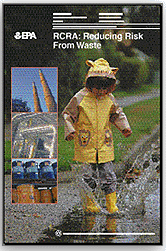
This document provides an overview of the Resource Conservation and Recovery Act (RCRA) solid and hazardous waste regulations. It describes the history of RCRA, the role of the U.S. Environmental Protection Agency and the states, and hazardous waste definitions and management requirements, including the roles of generators, transporters, and treatment, storage, and disposal facilities. In addition, it presents information on hazardous waste minimization. It covers municipal and industrial solid waste as well, providing information on reducing, reusing, and recycling, and household hazardous waste.
Adobe Acrobat PDF Files- Part I
[749 K] || Part II
ASCII Text File
[76 K]
- En Español [2000 K] || About
Where can I get answers to more questions about RCRA?
Call the
RCRA Hotline
at (800) 424-9346 or (703) 412-9810 (from the Washington, DC area). The Hotline is open Monday through Friday, 9:00 a.m. to 6:00 p.m. eastern time, or click here
to go to our list of topics
