
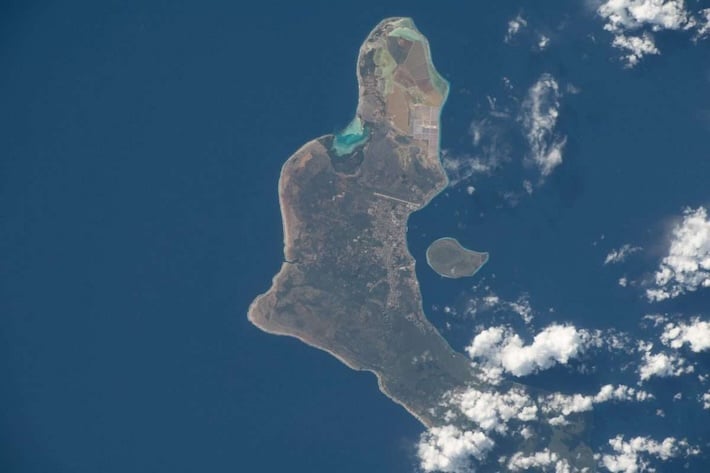
BONAIRE — A small Caribbean island known for its coral reefs and tranquil diving waters has become the focus of a growing global debate about climate justice, cultural survival and the future of tourism. A recent Dutch court judgment ordering stronger climate protections for Bonaire is being closely watched across the Caribbean, not only for its legal significance but for what it could mean for tourism-dependent economies facing rising seas and warming oceans.
The case, analysed by legal scholars and highlighted in international media, marks one of the first times climate change has been explicitly framed as a threat to cultural rights — a shift that may redefine how vulnerable island regions argue for protection.
A Ruling that goes beyond environmental law
The court concluded that the Netherlands had failed to adequately safeguard Bonaire’s residents against climate impacts, including sea-level rise, extreme heat and environmental degradation. Judges emphasized that these risks threaten more than infrastructure; they endanger ways of life tied to the island’s natural environment.
Legal observers say the decision expands the scope of climate litigation. Rather than focusing solely on emissions targets, the ruling links climate action to cultural heritage — from traditional fishing practices to historic coastal landscapes.
“The judgment reframes climate change as a human-rights issue,” said one European climate law analyst familiar with the case. “It recognizes that losing reefs or coastlines can mean losing identity, not just tourism revenue.”
For Caribbean islands where culture and environment are deeply intertwined, that reasoning could prove influential.
Tourism at the Heart of the Story
Tourism is central to Bonaire’s economy, attracting divers, snorkellers and eco-travellers drawn to its protected marine parks. But the very ecosystems that sustain tourism — coral reefs, mangroves and beaches — are increasingly vulnerable to warming waters and coastal erosion.
Industry stakeholders say climate impacts are already reshaping visitor expectations. Coral bleaching events have raised concerns among dive operators, while hotter temperatures and water scarcity present new challenges for hospitality infrastructure.
Some analysts warn that intense media coverage of climate risks could affect traveller perceptions in the short term. Headlines portraying Bonaire as environmentally threatened may prompt some tourists to reconsider plans or choose alternative destinations.
Yet others argue the opposite may happen.
“Destinations that show strong environmental governance often gain credibility with modern travellers,” said a Caribbean tourism consultant. “If the ruling leads to better reef protection and climate adaptation, it could strengthen Bonaire’s brand as a sustainable destination.”
Short-term uncertainty, long term opportnitiy
The tourism implications of the judgment are complex.
In the immediate future, increased scrutiny could introduce uncertainty. Cruise operators and dive markets are sensitive to environmental narratives, and any suggestion of declining reef health can influence demand.
But over the longer term, the court’s order for stronger adaptation planning may help safeguard the very resources tourists come to experience. Enhanced coastal protections, stricter conservation policies and investment in climate-resilient infrastructure could stabilize Bonaire’s tourism sector.
Environmental economists note that climate litigation is increasingly intertwined with tourism strategy. As visitors grow more environmentally conscious, destinations that demonstrate climate leadership may gain a competitive edge.
A Precedent with Regional Ramifications
Beyond Bonaire, the ruling has sparked discussion throughout the Caribbean, where many islands share similar political and environmental realities. Several territories governed by European states face criticism over unequal access to climate funding and adaptation measures.
Legal scholars believe the judgment could inspire new lawsuits arguing that overseas territories deserve the same level of protection as mainland populations. The emphasis on cultural rights may also resonate with island communities seeking to preserve traditions tied to land and sea.
“This case could open the door for climate claims grounded in heritage and identity,” said an international human rights researcher. “That has profound implications for regions where tourism and culture are inseparable.”

Is Climate litigation the future of tourism policy?
For policymakers and tourism boards, the Bonaire case underscores a growing reality: climate change is no longer a distant environmental issue but a defining factor in economic planning.
Across the Caribbean, governments are grappling with rising insurance costs, infrastructure risks and shifting traveller expectations. Legal pressure to accelerate adaptation could reshape tourism development, pushing destinations toward stricter environmental standards and sustainable growth models.
Whether the ruling ultimately boosts or challenges tourism may depend on how governments respond. If adaptation measures are implemented effectively, Bonaire could emerge as a model for climate-resilient tourism. If not, environmental decline may continue to threaten both livelihoods and cultural heritage.
A turning point for island tourism destinations
For residents of Bonaire, the judgment represents recognition that climate change is already altering daily life. For the global tourism industry, it signals a broader shift — one in which environmental protection, cultural survival, and economic stability are increasingly inseparable.
As Caribbean nations watch closely, the question is no longer whether climate change will shape tourism, but how quickly legal and policy frameworks will adapt to meet the reality of a warming world.







Leave a Comment