
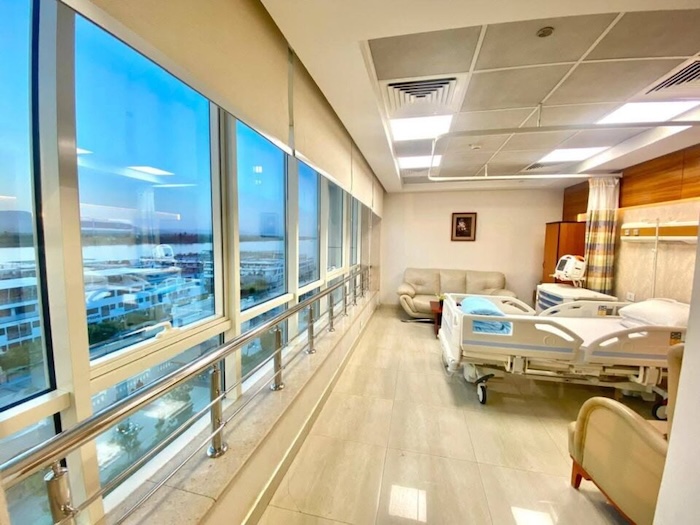
CAIRO — Egypt’s bid to become a global destination for medical tourism is gathering pace, with the sector recording sharp growth in 2025, even as it remains a small component of the country’s broader tourism economy.
According to recent figures, medical tourism revenues rose by 76.7 percent last year, reaching approximately $8 million. The increase reflects a growing government effort to position Egypt as a regional hub for affordable healthcare services combined with leisure travel. Yet the numbers also underscore how early-stage the industry remains in a country that welcomed nearly 19 million visitors overall.
Officials say the strategy is clear: leverage Egypt’s geographic position, relatively low treatment costs and established tourism infrastructure to attract patients from nearby regions — particularly the Middle East and Africa.
Egypt Medical Tourism: A Regional Focus
Most medical tourists traveling to Egypt originate from neighboring Arab countries and across the African continent. Patients from Gulf nations, as well as Libya and Sudan, are drawn by lower prices and shared language and culture. For many African patients, Egypt offers access to specialized care that is limited or unavailable in their home countries.
The government has also signaled ambitions to expand into new markets, including Eastern Europe and parts of Asia, though those efforts remain in early stages.
Egypt: Blending Medicine and Tourism
Unlike some established medical tourism hubs that focus heavily on high-volume surgical procedures, Egypt is promoting a hybrid model that combines clinical care with therapeutic and wellness experiences.
Patients can undergo procedures ranging from cosmetic and orthopedic surgeries to oncology treatments, then recover in resort destinations along the Red Sea or in desert environments known for their dry climate and mineral-rich springs. Officials describe this integration of treatment and tourism as a competitive advantage.
To support the model, authorities are developing a national digital platform intended to streamline bookings, coordinate care, and package medical services with travel and accommodation.
New investment zones dedicated to health tourism are also under development, aimed at attracting private sector participation and international partnerships.
Egypt Medical Tourism: Cost as a Key Draw
Egypt’s strongest selling point remains affordability. Medical procedures are typically priced well below those in Europe or the Gulf, placing the country in competition with established players such as Turkey, India, and Thailand.
Industry analysts note that while Egypt may not yet match those countries in scale or global reputation, its proximity to key markets — particularly in Africa and the Middle East — gives it a strategic advantage.
Challenges for Medical Tourism in Egypt Ahead
Despite rapid growth, significant hurdles remain. The sector’s modest revenue highlights the gap between ambition and current performance. Egypt must still expand internationally accredited facilities, strengthen quality assurance and build trust among foreign patients.
Competition is also intensifying. Countries like Turkey have spent years cultivating strong global brands in medical tourism, while India and Thailand continue to dominate in both price and volume.
For Egypt, the challenge will be translating its natural advantages into sustained growth.
Egypt: An Emerging Contender for Medical Tourism
For now, the country’s medical tourism sector is best understood as an emerging contender — one that is gaining traction regionally but has yet to establish itself on the global stage.
If current growth rates continue and planned infrastructure comes online, Egypt could carve out a niche as a cost-effective, geographically convenient option for patients seeking both treatment and recovery abroad.
Whether that momentum can elevate it into the ranks of the world’s leading medical tourism destinations remains an open question.









Leave a Comment