
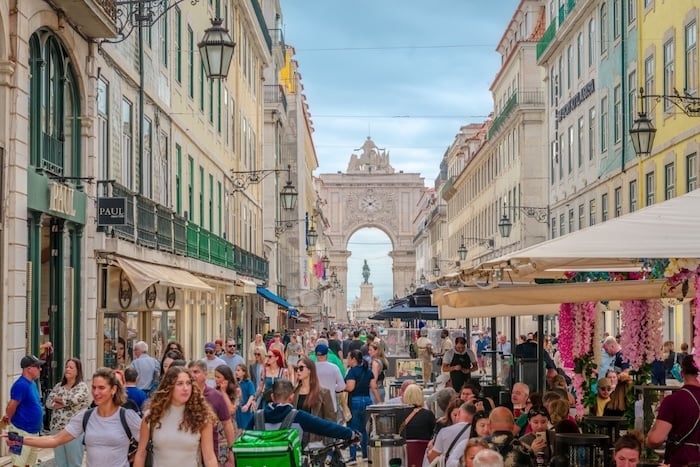
BRUSSELS, Belgium– The European Union is moving toward a major shift in tourism policy as lawmakers push a new strategy to tackle overtourism, promote sustainable travel, and redirect visitors to lesser-known destinations across Europe.
The European Parliament’s Transport and Tourism (TRAN) Committee approved the proposal on March 18, 2026, by 33 votes to four, with four abstentions. The plan now heads to a full parliamentary vote expected in April.
Overtourism in Europe: 80% of Travelers Concentrate in 10% of Destinations
EU lawmakers highlighted overtourism as a growing crisis, noting that 80% of global travelers visit just 10% of destinations.
Popular hotspots such as Venice, Santorini, and Barcelona continue to face:
- Overcrowding
- Environmental degradation
- Strain on local infrastructure
- Rising housing costs
To address this, the EU tourism strategy aims to redistribute tourism flowstoward:
- Rural regions
- Mountain destinations
- Emerging and remote locations
Sustainable and Niche Tourism to Drive Growth
The proposal emphasizes sustainable tourism in Europeby promoting niche travel experiences that can attract visitors year-round.
Key sectors include:
- Gastronomy and wine tourism
- Beer tourism
- Cultural heritage tourism
- Cycling tourism
- Regenerative tourism
These segments are expected to reduce seasonal pressureand create new revenue streams for under-visited regions.

Improved Transport Connectivity Across Europe
A core pillar of the EU tourism strategy is better transport infrastructureto support travel beyond major hotspots.
Lawmakers are calling for:
- Expansion of European night trains
- Stronger air, rail, and maritime connections
- A unified EU integrated ticketing system
- Investment in electric vehicle infrastructure
Improved connectivity will make it easier for tourists to explore alternative destinations and reduce congestion in overcrowded cities.
EU Crackdown on Short-Term Rentals
Short-term rental platforms such as Airbnb are also under review as part of the EU’s tourism reform.
New EU rules coming into force on May 20, 2026, are seen as a first step, but lawmakers want stricter measures.
Proposed regulations include:
- Limits on rental nights per property
- Clear classification of hosts
- Zoning and authorization systems
The goal is to protect housing availability, preserve local communities, and improve destination management.
Tourism Taxes and Workforce Shortages
The EU is also exploring tourism taxesas a funding tool for sustainable development.
These taxes could help:
- Improve tourism infrastructure
- Protect natural and cultural heritage
- Support local communities
To address labor shortages, lawmakers proposed a European tourism skills card, allowing workers to:
- Record qualifications and experience
- Move more easily across EU countries
- Fill critical staffing gaps in tourism
Cultural Heritage and Community Tourism
The strategy highlights the role of cultural workers and local communitiesin maintaining Europe’s global tourism appeal.
The European Commission is being urged to:
- Support cultural volunteering programs
- Strengthen heritage preservation efforts
- Increase community involvement in tourism
EU Tourism Industry: Economic Impact
Tourism remains a key pillar of the European economy:
- 10.5% of EU GDP
- 12.3 million jobs supported
With tourism demand continuing to grow, the EU faces mounting pressure to balance economic growth with sustainability and quality of life for residents.
What Happens Next?
The proposal is not yet legally bindingand requires approval by the full European Parliament.
If adopted, it will shape the European Commission’s upcoming EU Sustainable Tourism Strategy, setting the direction for tourism policy across Europe.
Key Takeaways: EU Tourism Strategy 2026
- Tackles overtourism in Europe
- Promotes sustainable and niche tourism
- Improves transport connectivity
- Regulates short-term rentals
- Introduces tourism taxes and workforce solutions
- Supports cultural heritage and local communities






Leave a Comment