

Culinary tourism has evolved into one of the most powerful drivers of global travel. Today’s travelers plan trips around flavors, chefs, markets, and food stories, turning cities into global dining brands. From street food stalls to Michelin-starred kitchens, destinations worldwide are actively positioning themselves as culinary capitals, using gastronomy to define identity, culture, and tourism growth.
From Asia and Europe to the Caribbean, the Middle East, and the Americas, here are the cities shaping the future of food-driven travel.
Culinary Tourism as an Economic Development Engine
For policymakers and tourism leaders, culinary tourism is more than a branding exercise — it is a strategic economic development tool. Investment in food tourism strengthens local supply chains by linking farmers, fishermen, artisans and small producers directly to the visitor economy. Unlike large-scale infrastructure projects, culinary tourism often relies on existing cultural assets, making it a high-return, low-impact investment.
Food-driven travel has also proven effective in spreading tourism benefits beyond traditional hotspots, encouraging regional dispersal and year-round visitation. Markets, food festivals, cooking schools and neighborhood restaurants generate employment at multiple skill levels, support entrepreneurship and preserve culinary heritage. When paired with destination marketing, training programs and sustainability policies, culinary tourism can significantly increase visitor yield while reinforcing cultural identity.
🇮🇹 Rome — The Eternal City of Timeless Cuisine
Rome stands as one of the world’s most iconic culinary destinations, where food is inseparable from history and daily life. The city’s cuisine is built on simplicity, quality ingredients and centuries-old tradition. From classic Roman pasta dishes such as carbonara , cacio e pepe and amatriciana to artichokes, pizza al taglio and gelato, Rome delivers authenticity at every turn.
Culinary tourism in Rome thrives through neighborhood trattorias, bustling markets like Campo de’ Fiori, and an expanding fine-dining scene that reinterprets traditional flavors for modern travelers. For many visitors, Rome is not just a food destination — it is a culinary pilgrimage.
🇪🇸 Madrid — Spain’s Capital of Culinary Energy
Madrid has emerged as one of Europe’s most exciting food cities, blending traditional Spanish cuisine with modern creativity. From historic taverns serving cocido madrileño to lively tapas bars and contemporary Michelin-starred restaurants, the city offers a dynamic and social food culture.
Markets such as Mercado de San Miguel and Mercado de San Antón have become culinary attractions in their own right, while Madrid’s chefs continue to elevate Spanish gastronomy on the global stage. The city’s late-night dining culture and passion for shared meals make it a natural contender for culinary capital status.
🇰🇷 Seoul — Korea’s Dynamic Food Metropolis
Seoul has rapidly risen as a must-visit city for culinary adventurers. Its dining landscape blends centuries-old traditions with global innovation — from royal Korean cuisine and fermented specialties to cutting-edge tasting menus and vibrant street food alleys. Michelin-recognized restaurants, night markets and food-focused neighborhoods position Seoul as one of Asia’s most exciting culinary destinations.
🇩🇪 Berlin — A Cultural Melting Pot of Flavors
Berlin’s food scene reflects its international character. From traditional German dishes and iconic currywurst to vegan innovation and global street food, the city offers a diverse culinary experience. Berlin’s creativity, affordability and cultural openness continue to attract chefs and food travelers alike.
🇷🇺 Moscow — Russia’s Gastronomic Powerhouse
Moscow’s culinary identity blends traditional Russian cuisine with contemporary gastronomy. Historic dishes such as borscht and pelmeni coexist with modern fine-dining concepts, positioning the city as a culinary hub for Eastern Europe and beyond.
🇦🇪 Dubai — A Global Culinary Crossroads
Dubai’s culinary appeal reflects its international population and luxury tourism infrastructure. Emirati cuisine, Middle Eastern flavors and world-class international dining converge in a city that has made food a core part of its tourism strategy. From traditional markets to celebrity-chef restaurants, Dubai positions itself as a global dining destination.
🇵🇪 Lima — Latin America’s Culinary Crown Jewel
Lima remains a global leader in culinary tourism, known for its fusion of indigenous, Spanish, African and Asian influences. World-renowned restaurants, vibrant food markets and iconic dishes such as ceviche continue to draw food lovers from around the world.
🇲🇽 Mexico City — The Heart of Mexican Cuisine
Mexico City’s food scene spans ancient culinary traditions and modern gastronomy. Street food, historic markets and fine dining coexist in one of the world’s most exciting urban food landscapes.
🇬🇪 Tbilisi — Georgia’s Flavor Frontier
Tbilisi offers a distinctive culinary identity shaped by wine culture, regional ingredients and centuries of tradition. Georgian hospitality and cuisine are attracting adventurous food travelers seeking authenticity and cultural immersion.
🇬🇺 Guam — Indigenous Cuisine and Pacific Culinary Identity
Guam is increasingly positioning itself as a unique culinary tourism destination by spotlighting CHamoru cuisine, one of the Pacific’s oldest living food cultures. Rooted in indigenous traditions and shaped by Spanish, Asian and American influences, Guam’s culinary identity features dishes such as red rice, kelaguen, finadene sauces and fresh seafood. Culinary festivals, village food events and farm-to-table initiatives are helping Guam leverage food tourism as a tool for cultural preservation and economic diversification, while appealing to travelers seeking authentic, indigenous-led experiences in the Pacific region.
🇹🇷 Istanbul — Where Continents and Flavors Meet
Istanbul’s cuisine reflects its unique position between Europe and Asia. From spice markets to Ottoman-inspired fine dining, the city offers one of the world’s most diverse culinary experiences.
🇨🇳 Beijing & Chengdu — China’s Culinary Giants
Beijing represents imperial Chinese cuisine and classic street food culture, while Chengdu — a UNESCO City of Gastronomy — is synonymous with bold Sichuan flavors. Together, they highlight China’s culinary depth.
🇯🇵 Tokyo — Precision, Tradition and Innovation
Tokyo continues to dominate global culinary rankings with unparalleled variety and craftsmanship. Sushi, ramen, kaiseki and modern tasting menus make it one of the most influential food cities in the world.
🇸🇬 Singapore — A Global Culinary Brand in the Making
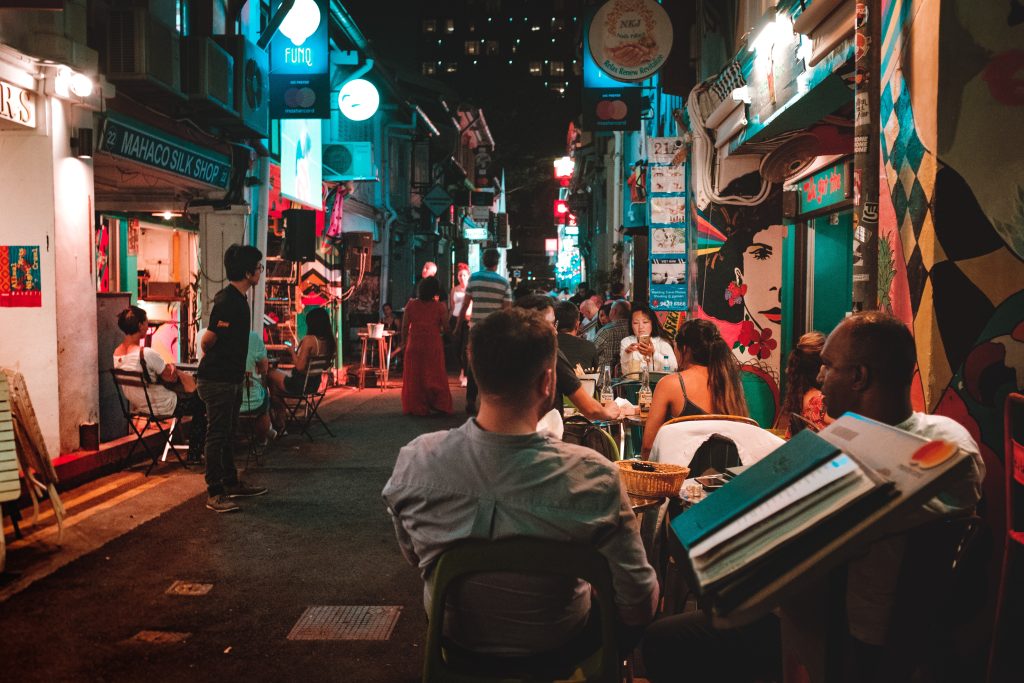
Singapore is actively positioning itself as a world culinary capital, combining celebrated hawker culture with fine dining. Its multicultural food heritage makes it one of Asia’s most accessible and diverse food destinations.
🇯🇲 Montego Bay — Caribbean Flavor on the World Stage
Montego Bay showcases Jamaican cuisine at its most vibrant — from jerk and seafood to rum culture and market-driven food tours. The destination blends culinary heritage with tourism experiences rooted in local culture.
🇺🇸 Honolulu — Pacific Flavors, Island Identity
Honolulu’s cuisine reflects Hawaiian, Asian and Polynesian influences. Fresh seafood, local produce and fusion dining continue to elevate the city’s culinary tourism profile.
🇦🇬 Antigua and Barbuda — Caribbean Cuisine as a National Brand
Antigua and Barbuda is increasingly leveraging culinary tourism as a pillar of its national tourism strategy, using food to showcase culture, community and economic opportunity. Rooted in African, British and Creole traditions, Antiguan cuisine features dishes such as fungi and pepperpot, ducana and fresh seafood. Events like Antigua and Barbuda Restaurant Weekand local food festivals are helping drive visitor spending beyond resorts, supporting small businesses, farmers and fishermen while positioning the twin-island nation as a distinctive culinary destination in the Caribbean.
🇧🇸 The Bahamas — Culinary Heritage Beyond Sun and Sand
The Bahamas is increasingly using culinary tourism to diversify its visitor economy beyond traditional beach tourism, highlighting Bahamian food culture as a core part of the destination experience. Rooted in African, Caribbean and Atlantic influences, Bahamian cuisine features dishes such as conch salad, cracked conch, rock lobster and guava duff. Culinary festivals, fish fry experiences like Arawak Cay, and community-based food events are helping spread tourism revenue across islands while strengthening cultural identity and supporting local fisheries and small businesses.
🇳🇵 Nepal — Culinary Tourism Rooted in Culture and Community
Nepal is increasingly recognizing culinary tourism as a way to diversify its visitor economy beyond trekking and adventure travel. Nepali cuisine, shaped by Himalayan geography and ethnic diversity, features dishes such as dal bhat , momos, sel roti and traditional Newari foods. Food tourism in Nepal supports small farmers, family-run restaurants and community-based tourism initiatives, offering travelers authentic cultural engagement while helping spread economic benefits to rural and urban communities alike.
🇸🇨 Seychelles — Island Cuisine and Sustainable Tourism
Seychelles is leveraging its rich Creole culinary heritage to strengthen sustainable tourism and destination resilience. Influenced by African, French, Indian and Asian traditions, Seychellois cuisine highlights fresh seafood, tropical produce and spice-driven dishes such as grilled fish, octopus curry and ladob. Culinary tourism supports local fisheries, agriculture and small enterprises, aligning closely with Seychelles’ broader sustainability goals and its positioning as a high-value, low-impact destination.
🇬🇷 Greece — Gastronomy as Cultural and Economic Strategy
Greece has long been a global food destination, but it is now more deliberately using gastronomy as a strategic tourism asset. Greek cuisine — rooted in regional diversity, olive oil traditions and Mediterranean health principles — plays a central role in attracting visitors year-round. From tavernas and food markets to wine tourism and farm-to-table experiences, culinary tourism in Greece supports rural economies, preserves culinary heritage and strengthens the country’s appeal beyond peak summer travel.
🇮🇷 Iran — Ancient Flavours on the Silk Road
Iran’s rich culinary heritage is rooted in centuries of Silk Road trade, blending Persian, Central Asian and Middle Eastern influences into a sophisticated cuisine that remains relatively under-explored by international travelers. From bustling bazaars in Tehran to home-style cooking classes and hospitality experiences in cities such as Shiraz, Rasht and Tabriz, visitors can sample traditional dishes like chelow kebab , fesenjan and saffron-infused rice, learn about local ingredients and walk historic markets on guided food tours. Culinary travel in Iran not only showcases a unique gastronomic culture but also supports small producers and cultural exchange through immersive gastronomic experiences.
🇲🇹 Malta — Mediterranean Flavours Shaped by History
Malta is increasingly positioning itself as a culinary tourism destination by highlighting a food culture shaped by centuries of Mediterranean trade and layered influences from Italy, North Africa and the Middle East. Maltese cuisine features rustic, seasonal dishes such as rabbit stew ( fenek ), ftira bread, fresh seafood and local cheeses, paired with a growing wine and craft beverage scene. Culinary tourism supports small family-run restaurants, fishermen and farmers while encouraging year-round visitation, helping Malta diversify its tourism economy beyond sun-and-sea travel and strengthen destination resilience.
🇮🇱 Israel — A Mosaic of Mediterranean Flavours
Israel’s food scene is a dynamic fusion of Mediterranean, Middle Eastern, North African and global influences, reflecting the diverse heritage of its people. Culinary tourism here is anchored by vibrant markets such as Tel Aviv’s Carmel Market and Jerusalem’s Mahane Yehuda, where visitors can taste fresh hummus, laffa bread and local produce while exploring lively food stalls. Food tours in cities like Tel Aviv and Jerusalem offer a sensory journey through local favorites and innovative cuisine, blending history, culture and contemporary flair
Why Culinary Capitals Matter
Culinary tourism goes beyond dining — it creates cultural connections, supports local economies and tells a destination’s story through taste. As travelers seek meaningful, immersive experiences, food has become one of the most powerful tools destinations have to define themselves on the global stage.
The race to become the world’s culinary capital is far from over — and for travelers, that means more flavors, more stories and more unforgettable journeys.
Why Culinary Capitals Matter in Travel and Policy
As global competition for visitors intensifies, culinary identity offers destinations a differentiated and resilient tourism product. Travelers who visit for food tend to stay longer, spend more and engage more deeply with local communities. This makes culinary tourism especially valuable during periods of economic uncertainty, climate adaptation or post-crisis recovery, when destinations seek sustainable growth rather than volume-driven tourism.
Conclusion: Food as a Foundation for Destination Resilience
Culinary tourism has emerged as one of the most resilient pillars of modern travel. Rooted in local culture, adaptable to changing markets, and inclusive of small businesses, food tourism helps destinations weather economic shocks while preserving authenticity. As cities from Rome and Madrid to Seoul, Dubai, Lima and Montego Bay compete for global recognition, the message is clear: investing in cuisine is investing in community, sustainability and long-term destination resilience.








Leave a Comment