

As Indonesia reshapes its tourism sector to meet sustainability goals, the government and its international partners are ramping up efforts to transform the industry from a mass-attraction model into a value-driven, eco-conscious engine of economic growth, community well-being and environmental protection.
At the heart of this transformation lies the partnership between the Ministry of Tourism and the ILO, under the auspices of the PAGE initiative — a United Nations-backed global programme that helps countries embed green-economy principles into national planning and economic policy.
From Green Economy to Green Tourism: PAGE’s role in Indonesia
- The PAGE programme has been working with Indonesia since 2018 to support a broad shift toward a sustainable, low-carbon economy. Its remit includes energy, waste management, circular economy, and green industry among priority sectors.
- Over the years, PAGE’s contributions have helped shape the country’s green-economy framework: its planning documents, national low-carbon development initiatives, and the integration of green and circular economy strategies into long-term development plans.
- Through this framework, the Ministry of Tourism and ILO launched a targeted green-tourism component beginning in 2023 — aiming to bring the principles of environmental sustainability, resource efficiency, and social inclusion to the tourism sector, especially among MSMEs. (
In short: PAGE provided the structural backbone — policymaking support, technical advice, and strategic direction — for embedding an “Inclusive Green Economy” approach into Indonesia’s socio-economic planning, of which green tourism is now a flagship sector. ( un-page.org )
Recent Activities: Training, Certification, and National Mobilization
The 5 December 2025 forum in Jakarta marks yet another milestone in this broader push. During the gathering:
- The Ministry of Tourism and ILO awarded certification to 19 trainers — local change-agents who will guide MSMEs across Indonesia through the green transition.
- Under the green-tourism initiative, comprehensive training modules have been developed covering entrepreneurship, financial literacy, and sustainable tourism practices — aiming to give MSMEs the know-how to adopt eco-friendly business models (waste reduction, water conservation, renewable energy, biodiversity protection, cultural preservation).
- Implementation has gone beyond a few pilot regions: as of recent reporting, the programme has reached more than 900 tourism-related MSMEs across roughly 30 cities and regencies nationwide.
- Early pilot phases targeted regions like Central Java, Yogyakarta, North Sumatra and West Nusa Tenggara (benefiting 172 MSMEs), but the expansion now covers provinces including West Java, North Sulawesi, West Papua and Lampung, reflecting a deliberate nationwide scale-up
These capacity-building efforts — from training-of-trainers (ToT) programmes to direct support for MSMEs — are central to enabling widespread adoption of green practices in the tourism sector.
Goals & Vision: Green Tourism as a Path to Sustainable Growth, Equity and Global Leadership
According to the Ministry of Tourism’s 2025–2029 national plan, the green-tourism push serves several intertwined objectives:
- Strengthening destination management and building more inclusive tourism supply chains.
- Promoting environmentally responsible infrastructure and operations, applying Blue, Green and Circular Economy (BGCE) principles across tourism.
- Enhancing workforce competencies and providing decent, sustainable jobs in tourism — especially for communities dependent on small enterprises.
- Reducing environmental footprint, conserving biodiversity, preserving cultural heritage and supporting local livelihoods — thus aligning tourism growth with climate and social goals.
Beyond national aims, the government and ILO intend to position Indonesia as a leader in global “responsible tourism”: a model where economic growth, social inclusion, and environmental integrity go hand in hand. As ILO’s Country Director said at the forum, green tourism “extends beyond the sector,” offering a pathway to sustainable development and climate-mitigation while supporting decent work.
Why This Matters — Challenges, Opportunity & Broader Impacts
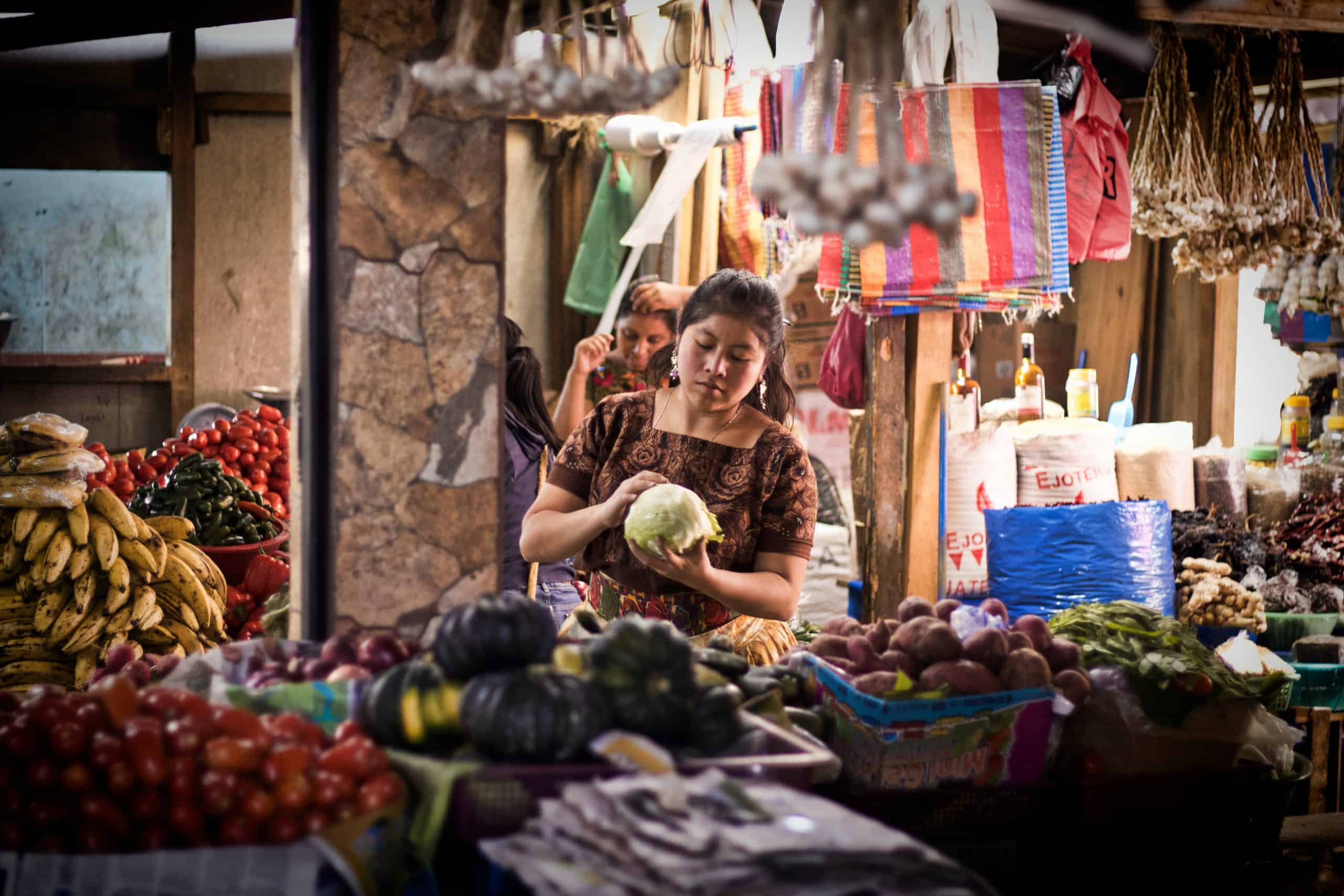
The shift toward green tourism is not only a response to global climate pressure or traveler demand for eco-friendly experiences — it is also a strategic modernization of Indonesia’s tourism economy:
- For the millions of Indonesians who rely on MSMEs in tourism, adopting sustainable practices can help secure livelihoods and reduce vulnerability to environmental degradation or unplanned over-tourism.
- It helps future-proof tourism by aligning with global trends: travelers increasingly look for ethical, low-impact, culturally authentic experiences rather than mass tourism.
- By embedding green economy principles across sectors (energy, waste, circularity, tourism), Indonesia is strengthening its overall resilience — socially, economically, and environmentally.
- The model shows how governments, international institutions, and small businesses can collaborate for a just transition: balancing job creation, economic growth and sustainability.
Nevertheless, the success will depend on continuing outreach, resources, and ensuring that green-tourism standards are not just symbolic but meaningful: measuring actual environmental benefits, supporting small enterprises (many of which may lack capital), and ensuring equitable distribution of gains.
Looking ahead
With the expansion of PAGE Indonesia under Phase II and ongoing commitment from the Ministry and ILO, Indonesia appears set to deepen its green-tourism journey.
The coming years will likely see further integration of green and circular economy policies across tourism and other sectors, more MSMEs embracing sustainable practices, and increased global attention on Indonesia as a potential benchmark for responsible, community-centred tourism in biodiverse, culturally rich settings.
If you like — I can also produce a timeline infographicsummarizing major milestones of PAGE and green-tourism efforts in Indonesia (2018–2025). That often helps visualize progress clearly.




Leave a Comment