

Morocco has cemented its position as one of Africa’s leading travel destinations after recording MAD 138 billion (approx. USD 13.8 billion) in tourism revenues in 2025, the highest figure in the country’s history. The milestone underscores tourism’s growing importance to the Moroccan economy and highlights both the opportunities and challenges that come with rapid growth .
Why Tourists Travel to Morocco
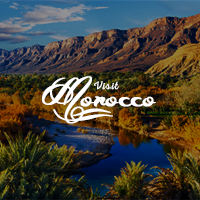
Tourists are drawn to Moroccofor its rare combination of cultural depth, geographic diversity, and accessibility. Visitors can explore centuries-old medinas and UNESCO-listed heritage sites, trek through the Atlas Mountains, surf along the Atlantic coast, or experience the vast Sahara Desert—all within a single itinerary.
Morocco’s appeal also lies in its cuisine, craftsmanship, festivals, and reputation for hospitality. Competitive pricing, improved air connectivity, and a strong focus on experiential travel—such as desert camps, wellness retreats, and culinary tourism—have further strengthened its global draw.
How Tourism Developed – and Since When
Tourism in Morocco began developing in earnest during the 1960s and 1970s, when the country invested in hotels and transport infrastructure to attract European visitors. Growth accelerated in the early 2000s with government-led strategies such as Vision 2010and Vision 2020, which aimed to modernize infrastructure, diversify destinations, and raise international visibility.
Post-pandemic recovery proved particularly strong. By 2025, Morocco welcomed nearly 20 million visitors, exceeding pre-COVID levels and placing the country ahead of several Mediterranean competitors in terms of growth momentum .
Where Tourists Come From – and New Markets
Traditionally, the majority of visitors come from Europe, led by France, Spain, the United Kingdom, Germany, and Italy—reflecting geographic proximity, historic ties, and dense flight networks.
However, Morocco is increasingly tapping into new and emerging markets, including:
- North America(United States and Canada)
- Middle East and Gulf countries
- Asia, particularly China and South Korea
Expanded direct flights, targeted marketing campaigns, and visa facilitation have played a key role in broadening Morocco’s source markets.
The Upside: Economic and Social Benefits
Tourism today contributes around 7% of Morocco’s GDPand supports hundreds of thousands of direct and indirect jobs. Record revenues have boosted foreign-currency reserves, encouraged investment in hotels and transport, and stimulated regional development beyond traditional hubs.
Major international events, including Morocco’s role as a co-host of the 2030 FIFA World Cup, are expected to further accelerate infrastructure upgrades and global visibility.
The Downside: Pressure and Sustainability Concerns
Rapid growth has also brought challenges. Popular destinations such as Marrakech and coastal towns face over-tourism, rising living costs for residents, and increased pressure on water resources and waste management. Environmental groups have raised concerns about coastal development and desert tourism’s ecological footprint, while local communities warn against cultural commodification.
Looking Ahead
Morocco’s record-breaking tourism revenues mark a turning point for the sector. The challenge now lies in balancing growth with sustainability, ensuring that economic gains benefit local communities while preserving cultural and natural heritage.
If managed carefully, Morocco’s tourism boom could serve as a model for inclusive and resilient tourism development across Africa—one that delivers prosperity without sacrificing identity.
Source: Morocco World News, January 2026







Leave a Comment