

Slovenia’s tourism sector is undergoing a subtle but significant transformation, reflecting wider changes across Europe’s travel landscape. New data from the Statistical Office of Slovenia shows that while overall travel activity remains strong, how and why Slovenians travel is changing—with fewer private trips, more business travel, and a growing preference for international destinations.
Fewer Private Trips, More Diverse Travel Patterns
Between October and December 2025, Slovenians made around 1.6 million tourist trips, maintaining robust activity levels. However, the composition of those trips is shifting:
- Decline in private leisure trips
- Slight increase in business travel
- The rising importance of international travel over domestic trips
These changes suggest a move away from traditional, family-oriented tourism toward more flexible and purpose-driven travel. Analysts link this to post-pandemic behavioral changes, hybrid work models, and increased connectivity across Europe.
Part of a Larger European Trend
Slovenia’s evolving tourism habits mirror broader European dynamics. Across the EU:
- Travel patterns are becoming more fragmented and seasonal, with heavy concentration in peak periods.
- Tourists increasingly seek sustainable, experience-driven travelrather than conventional leisure trips.
- The sustainable tourism market is rapidly expanding, projected to nearly triple in value by 2034.
This aligns with research indicating that modern travelers—including Slovenians—are balancing familiarity and safety with authentic cultural experiences.
How Slovenia Compares to Neighboring Countries
Austria
Austria continues to rely heavily on international leisure tourism, especially winter sports and cultural travel. Compared to Slovenia, Austria’s tourism demand remains more stable and less affected by declining private trips, due to its strong global destination appeal.
Italy
Italy is pursuing strategic tourism reforms (2023–2027)focused on sustainability and diversification.
While Slovenia sees shifting traveler behavior, Italy is actively shaping demand—targeting longer stays and higher-value tourism rather than volume alone.
Croatia
Croatia, another neighboring destination, still depends strongly on seasonal coastal tourism. In contrast, Slovenia’s data suggests a more balanced year-round travel pattern, even as private trips decline.
Hungary & Czech Republic
Central European peers such as Hungary and the Czech Republic are experiencing growth in arrivals and overnight stays, especially from regional markets.Slovenia differs in that its challenge is not growth, but changing traveler behavior and trip purpose.
Implications for Policy and Industry
Experts say Slovenia’s shift presents both risks and opportunities:
- Opportunities
- Growth in international travel spending
- Expansion of business and conference tourism
- Alignment with sustainable tourism trends
- Risks
- Decline in domestic tourism revenue
- Increased competition with neighboring destinations
- Need for targeted marketing and product diversification
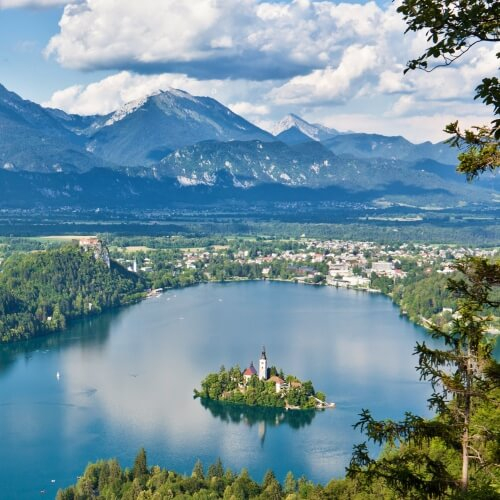
Slovenia has already positioned itself as a leader in sustainable tourism, emphasizing nature, cultural heritage, and low-impact travel experiences.
Conclusion
Slovenia’s tourism trends highlight a broader European transition: travel is no longer defined solely by leisure, but by purpose, flexibility, and sustainability.
As neighboring countries pursue growth, Slovenia faces a different challenge— adapting to changing traveler expectations while maintaining its competitive edge. If managed effectively, this shift could strengthen its reputation as one of Europe’s most innovative and sustainable destinations.








Leave a Comment