

At Betty’s Bay, the world’s most charming little tuxedo-wearers are preparing for Penguin Palooza 2026. Behind the waddles, flippers, and family fun is a serious mission: keeping African penguins around for generations to come.
BETTY’S BAY, SOUTH AFRICA —There are no red carpets, no designer sunglasses, and absolutely no need for a black-tie invitation. The guests of honor already own their tuxedos. On November 7, 2026, South Africa’s Stony Point Nature Reserve is set to celebrate its most endearing residents with Penguin Palooza 2026, a family-friendly event dedicated to African penguins, conservation, and the simple joy of watching little seabirds waddle through life.
For South African tourism, it is more than an adorable day out. It is a reminder that some of the country’s most memorable attractions have feathers, flippers, and a future that needs protecting.
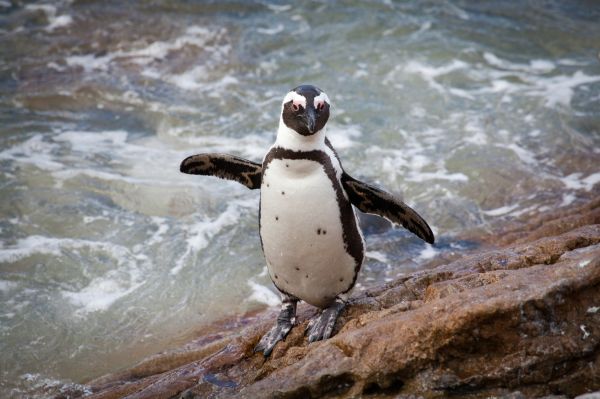
The Only VIPs Who Arrive Wearing Tuxedos
At Stony Point, near the coastal village of Betty’s Bay in South Africa’s Western Cape, the celebrities are short, noisy, occasionally argumentative, and entirely uninterested in Instagram followers.
They are African penguins.
Unlike their Antarctic cousins, these penguins live along the warmer coasts of southern Africa. Their distinctive black-and-white plumage, expressive faces, and sometimes comical walk make them irresistible to wildlife lovers.
Visitors can observe the colony from a designated boardwalk, watching penguins socialize, shuffle between nesting areas, and go about their daily business.
Some stand together like old friends discussing neighborhood gossip. Others appear to be late for an extremely important meeting. And occasionally, a penguin seems to have forgotten why it was going anywhere in the first place.
That is part of the magic. Nobody needs to train these birds to entertain tourists. They are simply being penguins.
Penguin Palooza: A Party With a Purpose
Penguin Palooza 2026, scheduled for November 7, brings families, nature enthusiasts, conservation supporters, and visitors together at Stony Point Nature Reserve.
The event aims to celebrate African penguins while helping visitors understand the challenges facing the species.
The program is expected to combine community activities, educational opportunities, and conservation awareness.
And while the penguins themselves are unlikely to understand the festivities, they are certainly the reason everyone is gathering.
There is something beautifully refreshing about an event where the biggest stars don’t demand appearance fees, luxury suites, or special treatment.
They just need healthy oceans, safe nesting grounds, and enough fish to eat.
The Serious Side of a Very Funny Bird
Behind the charm lies a difficult reality.
The African penguin ( Spheniscus demersus ) is classified as Critically Endangered by the International Union for Conservation of Nature.
Its population has declined dramatically over the decades, with food shortages, environmental changes, historical exploitation, and other human-related pressures threatening its survival.
African penguins depend heavily on access to small fish, particularly sardines and anchovies. Protecting their feeding areas and breeding colonies is essential to their future. This is why a cheerful community celebration matters.
A child who laughs at a penguin’s clumsy walk today may grow into an adult who cares deeply about protecting marine wildlife tomorrow.
And a visitor who arrives for a photograph may leave with a better understanding of why conservation matters.
South Africa’s Tourism Industry Has Some Very Small Ambassadors
South Africa is internationally famous for elephants, lions, rhinos, and spectacular safari landscapes.
But the country’s penguins offer something different.
They bring wildlife tourism to the coast, creating opportunities for family travel, educational tourism, photography, and nature-based excursions.
Stony Point also demonstrates the value of directing visitors along designated pathways, allowing people to enjoy wildlife while reducing unnecessary disturbance.
For local tourism businesses, wildlife attractions can support demand for accommodation, restaurants, guides, and other visitor services.
For conservation organizations, responsible tourism can create awareness and public support.
The challenge is ensuring that increased popularity does not come at the expense of the animals visitors have traveled to see.
A penguin colony is not a theme park, and its residents are not performers.
Their wellbeing must remain the priority.
No Passport, No Politics, Just Penguins
There is something especially heartwarming about the simplicity of this story.
People from different countries, backgrounds, cultures, and generations can stand together on a boardwalk, watching a small bird struggle up a slope, and suddenly find themselves smiling at exactly the same thing.
- No translation is required.
- No complicated international agreement is needed.
- Just a penguin doing what penguins do.
In a world where international headlines often focus on division, events such as Penguin Palooza offer another picture of what tourism can be: an opportunity to connect people with nature, communities, and one another.
It is not that the world’s problems disappear when a penguin waddles past.
But for a few moments, the world can feel a little friendlier.
The Best Tourism Ambassadors Don’t Always Speak
For destination marketers, South Africa’s penguins offer a lesson that expensive advertising campaigns sometimes overlook.
Authenticity can be more memorable than spectacle.
A penguin doesn’t need a slogan. It doesn’t need to promise a life-changing experience. It simply needs to appear, flap its wings, and perhaps look mildly annoyed that humans are watching.
Yet that brief encounter may become one of a visitor’s favorite memories of South Africa.
The economic opportunity is real, but so is the responsibility. Tourism authorities, conservation managers, local businesses, and visitors all have a role in ensuring that wildlife tourism remains sustainable.
The most successful Penguin Palooza would not simply attract a crowd for one day. It would help create lasting support for protecting the birds long after the festivities end.
A Happy Ending Worth Working For
When Penguin Palooza arrives on November 7, the penguins at Stony Point will probably behave exactly as they always do.
- Some will waddle.
- Some will squabble.
- Some will disappear into the ocean without so much as a goodbye.
And somewhere on the boardwalk, a child may see an African penguin for the first time and fall completely in love with the little creature. That may be the most important outcome of all.
Because tourism is not always about luxury hotels, record arrivals, or billion-dollar investments.
Sometimes it is about a small bird in a natural tuxedo reminding humanity that the world is still full of wonderful things worth protecting.
And if the penguins could issue a press statement, it might simply read:
Thank you for coming. Please keep our ocean clean. And don’t forget the fish.




Leave a Comment