

Tourism in the South Pacific is no longer defined by a single narrative of sun, sand, and seclusion. As international travel stabilizes, the region has emerged as a mosaic of contrasting tourism models—ranging from high-volume resort hubs and luxury icons to conservation-led micro-destinations and ultra-remote island states. How each destination balances recovery, sustainability, culture, and access now shapes its appeal in 2025 and beyond.
This comprehensive eTurboNews report compares Fiji, Tonga, Samoa, Guam, the Northern Mariana Islands, Vanuatu, French Polynesia, Kiribati, New Caledonia, Palau, and Niue, with particular attention to Guam’s strategic tourism reset led by the Guam Visitors Bureau, one of the most structured destination-management efforts in the Pacific.
Fiji: The Region’s Tourism Anchor

Fijiremains the South Pacific’s tourism powerhouse and primary gateway.
- Why travelers go:Extensive airlift, resorts across all price points, family and honeymoon appeal
- Why some don’t:Heavily visited corridors can feel commercial
- Who goes:Australians, New Zealanders, North Americans; first-time Pacific travelers
- Safety:Generally stable; cyclones are the primary seasonal concern
- Culture & sights:Village ceremonies, kava rituals, coral reefs, Yasawa and Mamanuca Islands
Fiji’s scale allows it to absorb large visitor numbers while continuing to experiment with community-based and sustainable tourism models.
Kingdom of Tonga: Whales, Kingdom, and Authentic Polynesia

Tongaoccupies a niche defined by nature and tradition.
- Why travelers go:Ethical humpback whale encounters, strong Polynesian identity
- Why some don’t:Limited accommodation and air connections
- Who goes:Eco-tourists and culturally motivated travelers
- Safety:Low crime; infrastructure and weather disruptions are key considerations
- Culture & sights:Vavaʻu whale waters, royal heritage, church-centered community life
Samoa: Culture Before Commerce

In Samoa, tourism follows culture—not the other way around.
- Why travelers go:Deep cultural immersion, dramatic natural attractions
- Why some don’t:Limited luxury inventory, slower pace
- Who goes:Diaspora visitors, repeat Pacific travelers
- Safety:Generally safe; visitors must respect village rules and Sunday observance
- Culture & sights:Fa’a Samoa traditions, To Sua Ocean Trench, lava fields, waterfalls
Guam: A Strategic Tourism Reset Led by GVB

Guamstands apart in the Pacific as both a mass-market destination and a critical tourism hub. Its recovery has been shaped less by chance and more by coordinated strategy—driven by the Guam Visitors Bureau (GVB).
A Coordinated Recovery Effort

Guam’s tourism economy has faced overlapping shocks: pandemic closures, reduced airline capacity, shifting Northeast Asian travel patterns, and typhoon damage. In response, GVB has taken on a central leadership role by:
- Working directly with airlines to restore and stabilize airlift
- Launching targeted marketing campaigns in South Korea and Japan—Guam’s core markets
- Reframing Guam as a value-driven, safe, and reliable Pacific destination
Diversification Beyond Beach Tourism

Recognizing the risks of over-reliance on a narrow visitor base, GVB has expanded Guam’s tourism narrative:
- Sports tourism:Hosting regional and international sporting events and training camps
- MICE travel:Leveraging U.S.-standard conference infrastructure
- Cultural tourism:Elevating Chamorro heritage as a central experience, not a side attraction
This diversification aims to increase visitor yield, extend length of stay, and stabilize demand year-round.
Culture as Competitive Advantage
GVB has invested heavily in positioning Chamorro cultureas a defining feature of Guam’s identity—supporting festivals, village events, indigenous cuisine, and storytelling. This strategy differentiates Guam from other resort-heavy destinations while ensuring tourism supports cultural preservation.
Why Guam Matters
Guam’s role in Pacific tourism extends beyond its own shores:
- It functions as a gateway to Micronesia
- It provides scale, reliability, and institutional resilience
- It demonstrates how professional destination management can stabilize tourism in volatile conditions
Guam’s story in 2025 is no longer just about recovery—it is about reinvention through leadership.
Northern Mariana Islands: Quiet Resort Alternative

The Northern Mariana Islandsoffer a calmer counterpoint to Guam.
- Why travelers go:Diving, WWII history, less crowded beaches
- Why some don’t:Limited airlift and services
- Who goes:Primarily Asian markets and niche divers
- Safety:Generally safe; typhoons are the main risk
Vanuatu: Adventure Over Comfort

Vanuatuappeals to travelers who prioritize raw experience over polish.
- Why travelers go:Volcanoes, wreck diving, outdoor adventure
- Why some don’t:Infrastructure and inter-island logistics
- Culture & sights:Mount Yasur, blue holes, kastom villages
French Polynesia: The Luxury Benchmark

French Polynesiaremains the region’s most recognizable luxury destination.
- Why travelers go:Iconic lagoons, overwater bungalows
- Why some don’t:High costs
- Who goes:Honeymooners, long-haul luxury travelers
Kiribati: Tourism at the Edge
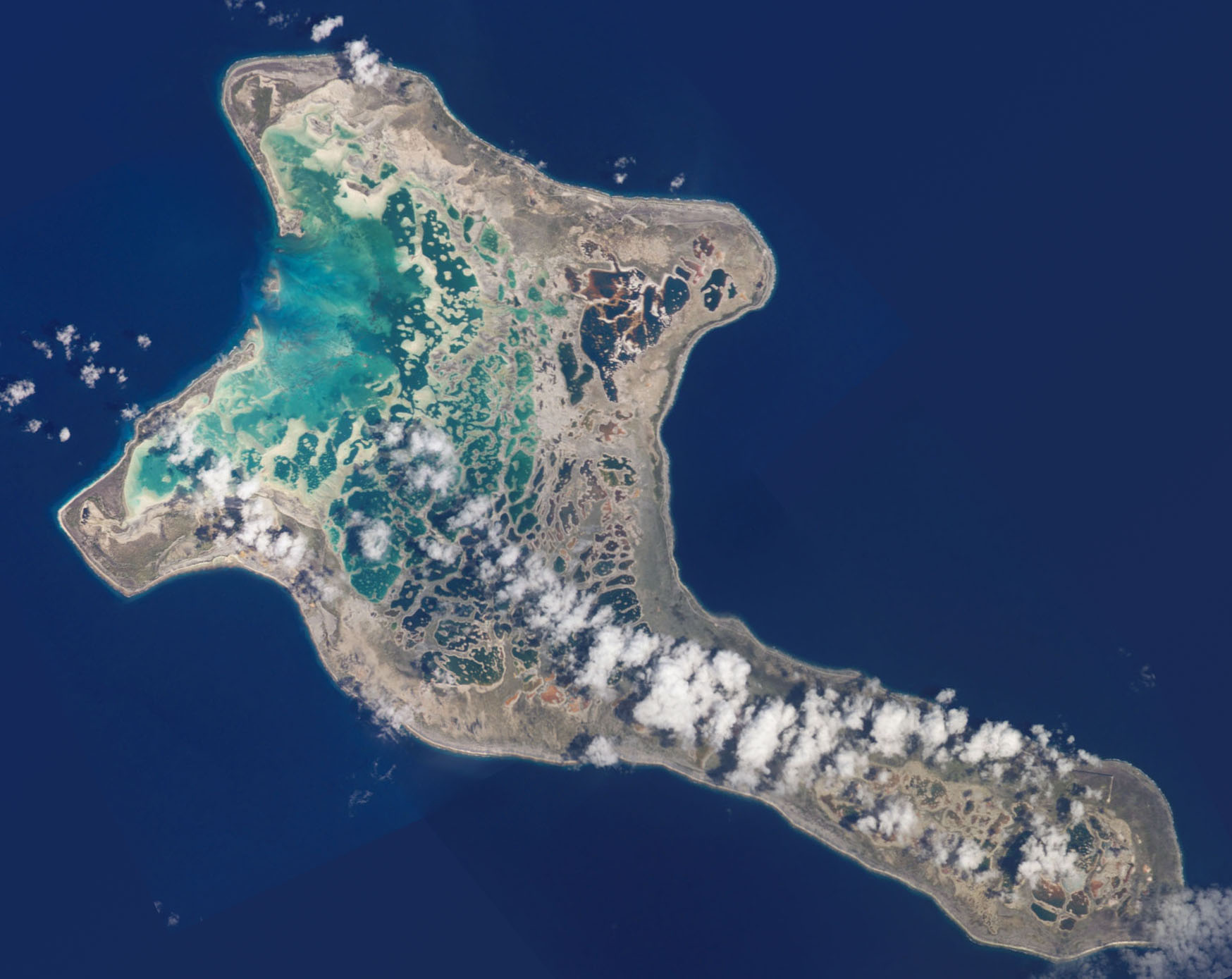
In Kiribati, tourism remains minimal and highly specialized.
- Why travelers go:Extreme remoteness, WWII history
- Why some don’t:Limited services and access
- Who goes:Explorers and researchers
New Caledonia: A Destination in Pause Mode

New Caledoniaillustrates how political stability underpins tourism.
- Current reality:Civil unrest has sharply reduced visitor numbers
- Why travelers are postponing:Safety concerns and service disruptions
Palau: Conservation as Identity

Palauhas built its tourism brand around protection rather than volume.
- Why travelers go:World-class diving, environmental leadership
- Why some don’t:Higher costs, limited nightlife
Niue: Small by Choice

Niueembraces intentional small-scale tourism.
- Why travelers go:Solitude, marine clarity, community
- Why some don’t:Limited accommodation and dining
Conclusion: One Ocean, Many Tourism Paths
The South Pacific’s strength lies in its diversity. From Fiji’s scaleand French Polynesia’s luxury, to Palau’s conservation leadershipand Niue’s restraint, the region offers multiple answers to the same question: how should island tourism evolve?
Guam’s experience—driven by the Guam Visitors Bureau—stands out as a case study in resilience and professional destination management, demonstrating that leadership, diversification, and cultural confidence are now as critical to tourism success as beaches and reefs.
For travelers and tourism leaders alike, the South Pacific is no longer just a dream destination—it is a living laboratory for the future of global island tourism.




Leave a Comment