

CARACAS, Venezuela — Venezuela is grappling with one of the most destructive seismic disasters in its modern history after two powerful earthquakes struck the country’s northern Caribbean coast on Wednesday, 6.04 pm local time, killing at least 32 people, injuring more than 700 others, and with unconfirmed speculations of more than 100,000 possible victims. It triggered widespread damage to homes, public infrastructure, and transportation networks.
The back-to-back earthquakes, measured at magnitudes 7.2 and 7.5 by the U.S. Geological Survey (USGS), struck within seconds of each other near Yumare and Morón, west of Caracas. on Wednesday 18.11. The violent shaking was felt across much of northern Venezuela and throughout parts of the eastern Caribbean, prompting temporary tsunami alerts and sending millions of residents rushing into streets, parks, and open spaces.
Within minutes, social media became the world’s first window into the unfolding disaster.
Videos posted by Venezuelan residents on X, Instagram, TikTok, and WhatsApp showed office towers swaying in Caracas, shoppers fleeing supermarkets, hospital patients being evacuated, and terrified travelers running through Simón Bolívar International Airport near Maiquetía as ceiling panels fell and alarms sounded. Other footage captured clouds of concrete dust rising over residential neighborhoods while sirens echoed through the capital. Several widely circulated videos were later geolocated or independently verified by international news organizations, while many others remain unverified eyewitness accounts.
Emergency officials confirmed extensive structural damage in Caracas, La Guaira, Carabobo, and Yaracuy states, with rescue teams continuing overnight searches through collapsed apartment buildings and damaged commercial properties. Authorities warned the death toll could rise as crews reach heavily damaged structures and aftershocks continue.
The country’s principal international gateway, Simón Bolívar International Airport, was temporarily closed after sustaining reported structural damage, forcing flight cancellations and stranding hundreds of passengers. Images shared online showed travelers waiting outside damaged sections of the terminal with luggage as airport personnel directed evacuations. Although those scenes were widely shared by eyewitnesses, officials have not yet released a comprehensive assessment of damage to terminal facilities.
The airport closure immediately disrupted international tourism and business travel. Foreign governments, including Canada and the United Kingdom, updated travel advisories urging their citizens to monitor airline information, avoid damaged areas and expect significant transportation delays.
The earthquake’s impact extends beyond Venezuela’s borders. Because the epicenters were located near the Caribbean coastline, tsunami advisories were briefly issued for portions of the Caribbean Basin, including Puerto Rico and the U.S. Virgin Islands, before being lifted after sea-level observations showed no destructive tsunami developing.
Although the tsunami threat subsided, the event created immediate concern throughout the Caribbean tourism industry.
Cruise operators, airlines, hotel chains and tour companies closely monitored developments as travelers across Trinidad and Tobago, Aruba, Curaçao, Bonaire, the Dominican Republic and Puerto Rico reported feeling prolonged shaking or receiving tsunami alerts on their mobile phones. Social media quickly filled with posts from visitors asking whether flights, cruises or hotel reservations would be affected, highlighting the regional implications of a disaster occurring in one of the Caribbean’s busiest travel corridors.
Residents and visitors across much of the southern and eastern Caribbean reported feeling the earthquakes, including in Trinidad and Tobago, Aruba, Curaçao, Bonaire, Grenada, Puerto Rico, the Dominican Republic, and parts of northeastern Colombia. Hotels, resorts and cruise operators in several destinations briefly advised guests to remain away from beaches while tsunami alerts were assessed, although no significant damage was reported outside Venezuela. Many tourists shared videos from hotel balconies showing swaying buildings, shaking swimming pools and evacuations into open areas before authorities confirmed the tsunami threat had passed and normal operations gradually resumed
The full impact on Venezuela’s tourism infrastructure remains unclear.
La Guaira, the coastal state that serves as the gateway to Caracas and home to numerous beachfront hotels, resorts and vacation apartments, appears to have suffered significant damage. Videos circulating on Venezuelan social media showed cracked hotel façades, damaged swimming pools, collapsed walls and debris scattered across tourist areas. However, authorities have not yet confirmed the extent of damage to individual hotels or whether foreign visitors were among those injured or killed.
Officials similarly have not confirmed reports circulating online of damage to beach facilities and small marinas along the central coast.
Across Caracas, thousands of residents spent the night outdoors rather than risk remaining inside buildings weakened by the earthquakes. Videos and photographs shared by local journalists and residents showed families sleeping in parks, parking lots and open plazas while aftershocks continued into the early morning hours. Community WhatsApp groups and neighborhood organizations coordinated volunteer rescue efforts, distributed drinking water and food, and helped locate missing family members using social media before official emergency information became available.
Hospitals in the capital reportedly operated under emergency conditions as medical personnel treated hundreds of injured residents. Schools and public buildings were converted into temporary shelters while firefighters, soldiers and civil defense teams continued searching damaged neighborhoods.
The earthquakes also disrupted telecommunications and electricity in several areas, complicating rescue operations. Although service has gradually been restored in much of Caracas, authorities warned residents to prepare for additional aftershocks and to avoid entering damaged structures until engineers complete safety inspections.
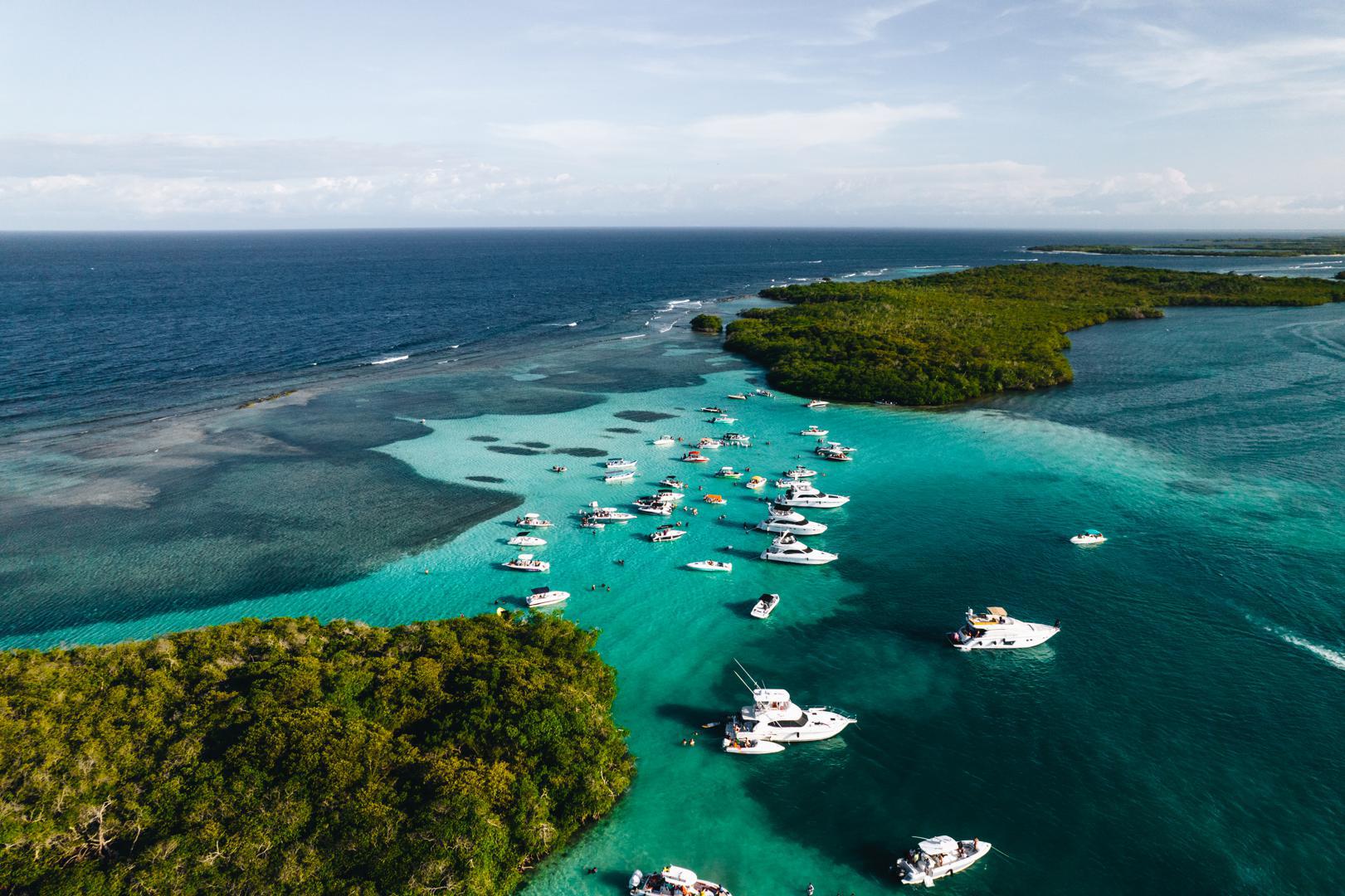
The disaster comes at a particularly difficult time for Venezuela, which has been attempting to rebuild tourism following years of economic hardship. Destinations including Margarita Island, Morrocoy National Park and the Caribbean coastline have seen increasing visitor numbers in recent years. While there have been no confirmed reports of significant damage at Margarita Island, transportation disruptions centered on Caracas and La Guaira are expected to affect domestic flights, hotel bookings and international arrivals for days, and potentially weeks, depending on infrastructure assessments.
International assistance began mobilizing within hours of the earthquakes. Regional governments and humanitarian organizations offered emergency support, while disaster monitoring agencies continued assessing structural damage using satellite imagery and ground reports.
Seismologists warned that strong aftershocks remain possible in the coming days, urging residents and visitors alike to remain vigilant.
For travelers currently in Venezuela, authorities recommend following official emergency instructions, monitoring airline announcements before traveling to airports, avoiding damaged buildings, preparing emergency supplies and informing relatives of their safety whenever communications permit.
As daylight reveals the full scale of destruction, rescue teams continue racing against time to locate survivors beneath collapsed buildings, while Venezuela begins what is expected to be a lengthy recovery from one of the strongest earthquakes ever recorded along its Caribbean coast.
Editor’s Note:Information in this report is based on official statements from Venezuelan authorities, the U.S. Geological Survey, international disaster-monitoring agencies, and reporting by Reuters, AP and other established media. Eyewitness videos and posts from Venezuelan social media have been used to illustrate on-the-ground conditions, which are consistent with verified reporting. Specific claims regarding individual buildings, hotels, or casualties derived solely from social media remain subject to official confirmation. We are aware of speculative reports about the possibility of 100,000+ deaths.









Leave a Comment