

Master of Science (MS) in Athletic Training
- Campus
Work Toward a Career in Injury Prevention and Rehabilitation
The Master of Science (MS) in Athletic Training program at Grand Canyon University is designed to prepare graduates to pursue employment as athletic trainers in various clinical and educational settings.These may include schools, colleges and universities, rehabilitation clinics and hospitals, as well as emerging settings in amateur and professional sports. (See disclaimer 1 )
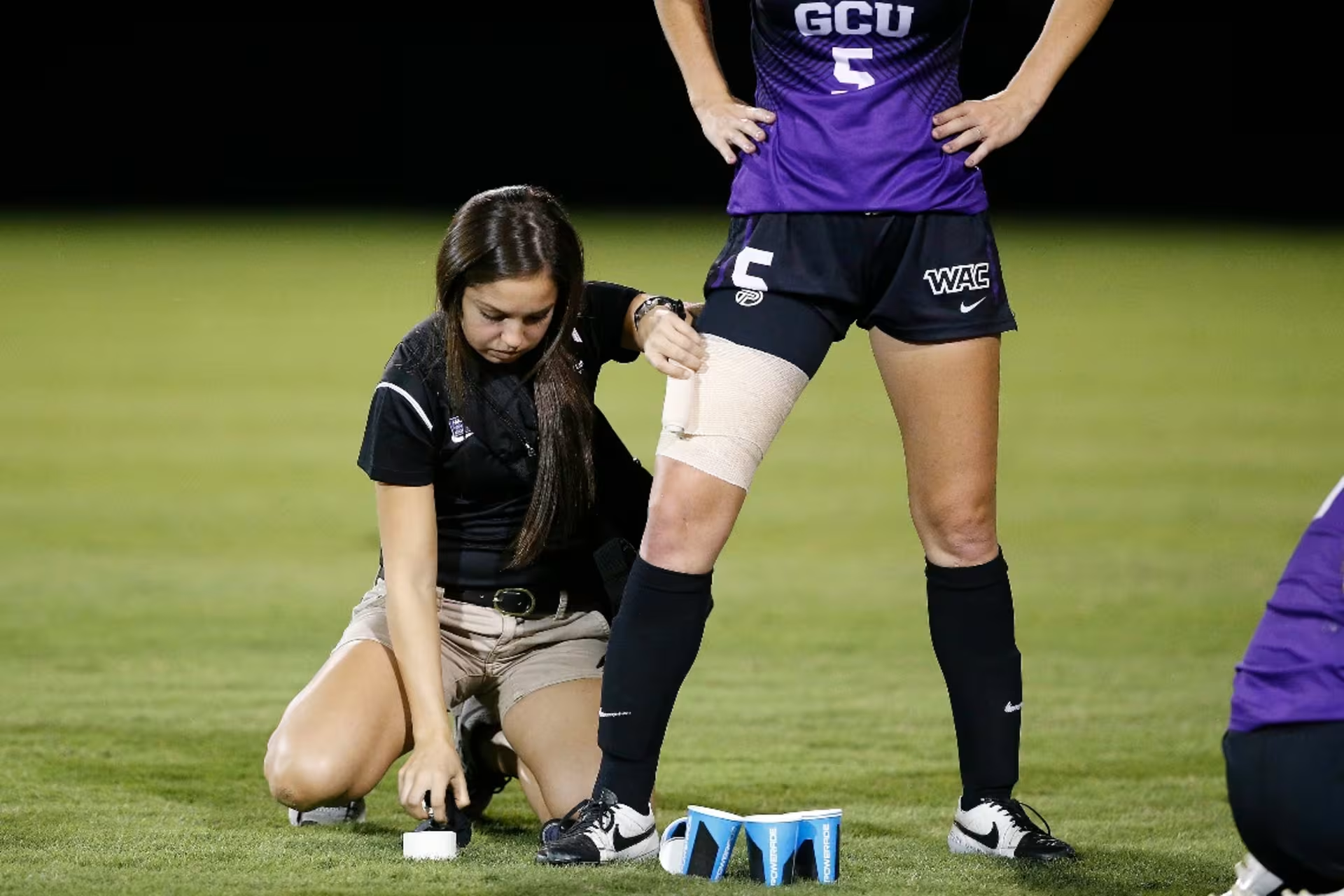
As an athletic trainer, you would be responsible for reducing the risk of athletic injuries, as well as providing emergency and stabilizing care when injuries do occur.If you’re passionate about both sports and health science, you may feel called to serve your community as an athletic trainer. Our MS in Athletic Training program was developed to prepare you for a career in the diagnosis, treatment and rehabilitation of athletic injuries.

Campus: $8,250per semester [ More Info ]
Up to 12 credits or 1/3 of the total program requirements in transfer (whichever is less)
Credits:Fill out the Lopes Eval to find out what will transfer
Please review the specific athletic training program admission requirements below in the Admission section.
Please review full admission and program requirements in the University Policy Handbook .
Explore Your Passion For Sports and Health at GCU
As an athletic trainer, you would be responsible for reducing the risk of athletic injuries,as well as providing emergency and stabilizing carewhen injuries do occur. If you’re passionate about both sports and health science, you may feel called to serve your community as an athletic trainer.
At GCU, you will have opportunities to prepare for certification as a professional athletic trainerwhile being immersed within our Christian learning environment. As a Christian university, GCU emphasizes servant leadership and professional ethics.
This athletic training degree is offered by our College of Nursing and Health Care Professions. Athletic training is recognized by the American Medical Association (AMA), Health Resources Services Administration (HRSA) and the Department of Health and Human Services (HHS) as an allied healthcare profession. (See disclaimer 2 )
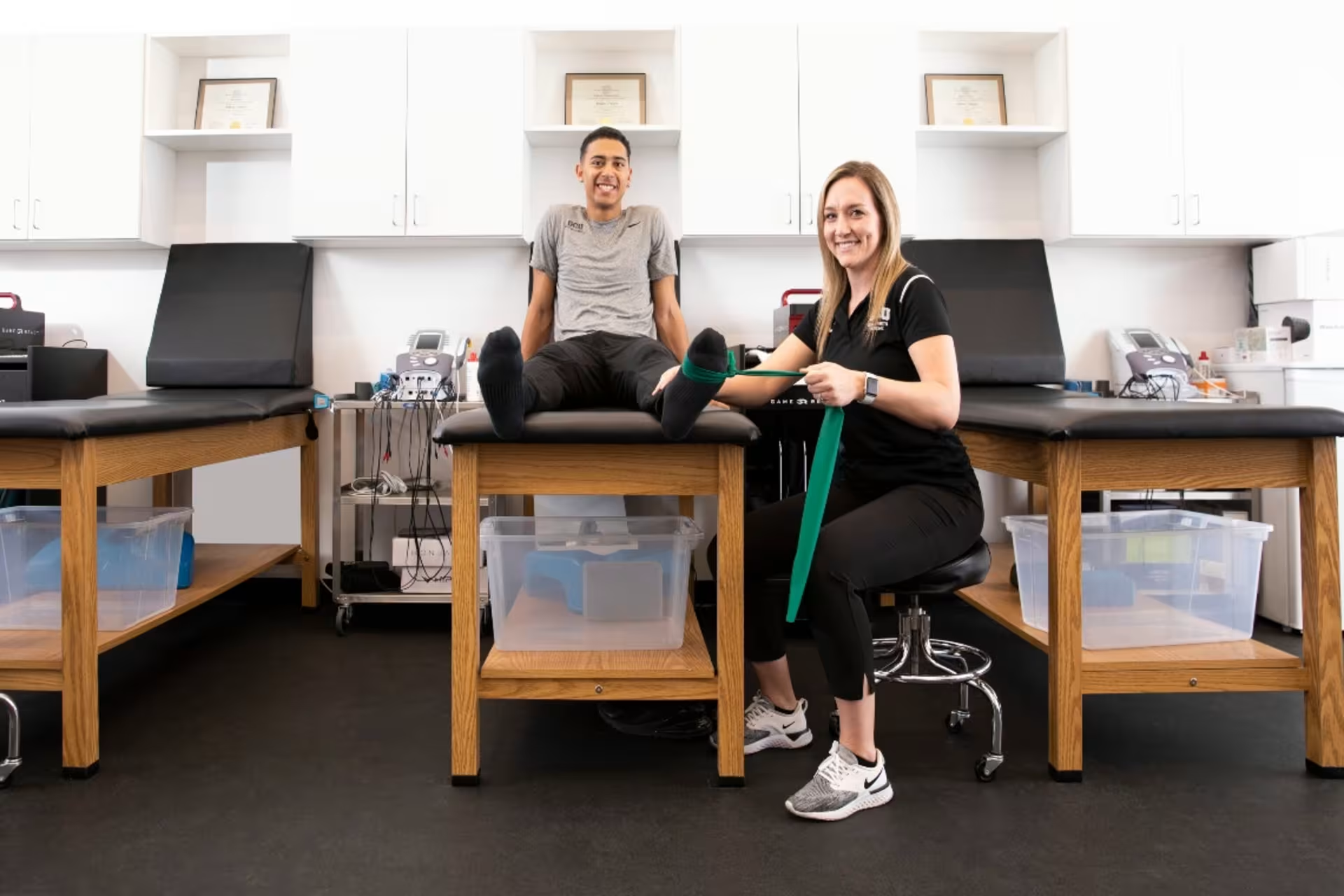
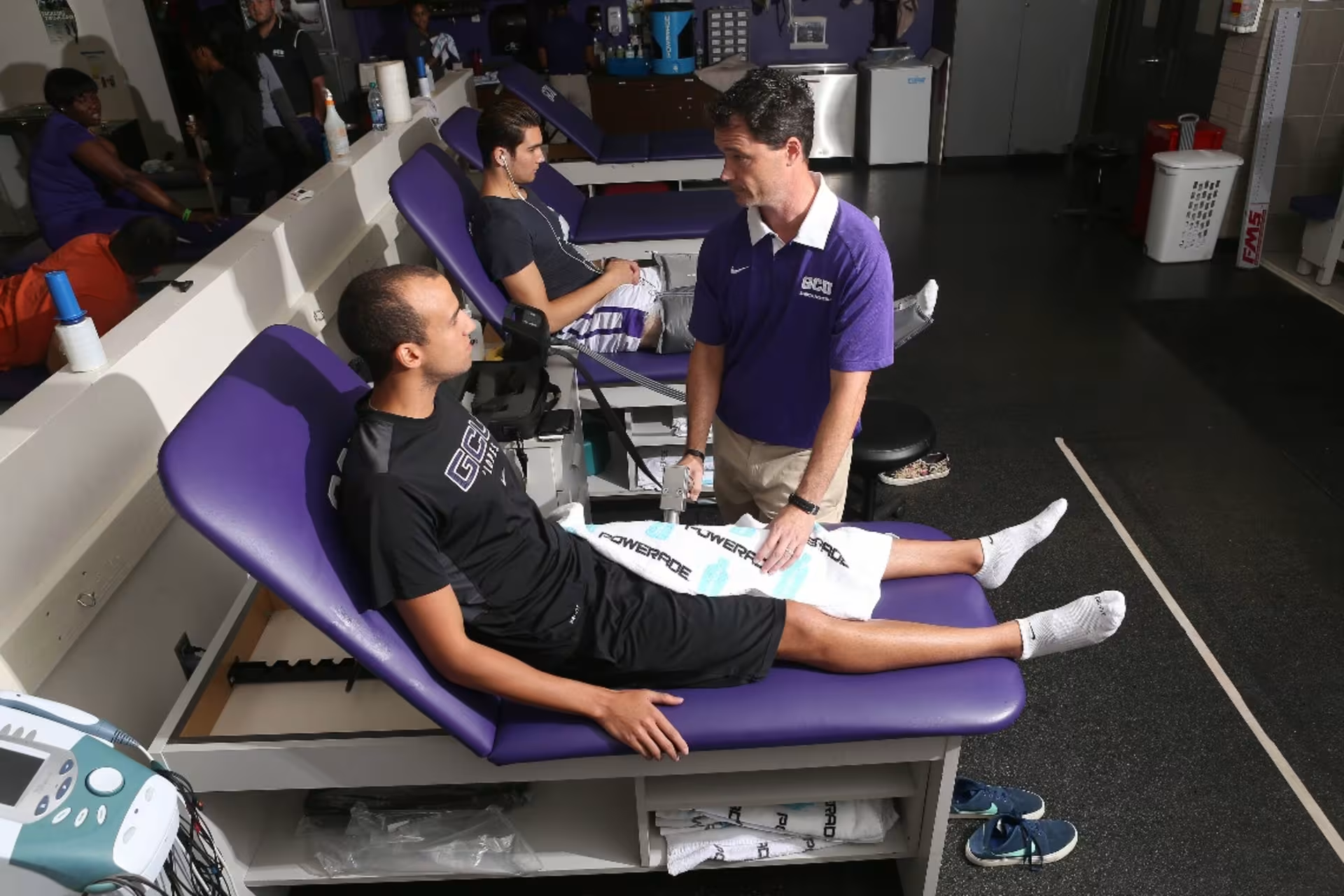
As a student in the MSAT program, you will participate in on-campus lectures, hands-on labs, simulations and clinical experiences at local athletic and rehabilitation facilities. As an on-campus student, you will have access to our many campus life activities and amenities. Enjoy being surrounded by like-minded students as you work to pursue your professional ambitions.
Upon completion, you will be eligible to sit for the Board of Certification (BOC) exam to obtain athletic training certification. Nearly every state requires a certification, and it typically requires that athletic trainers graduate from a program accredited by the Commission on Accreditation of Athletic Training Education (CAATE). (See disclaimer 3 ) GCU’s master’s in athletic training is CAATE-accredited.
MS in Athletic Training Program Admission
Eligibility for this athletic training master’s is dependent on specific program requirements, including admission, clinical requirements and the application process. This degree is part of the Athletic Training Centralized Application System’s (ATCAS) centralized application portal. Students interested in the MSAT at GCU should apply using the ATCAS system. Complete the form on this page to get started.
Clinical Requirements
Admission Requirements
Application Process
Critically Evaluate Foundational Knowledge
As an MSAT degree student at GCU, you will examine critical competencies in the following areas:
Explore Professional Skills and Gain Experience
The athletic training degree teaches skills and knowledge in each of the five domains of professional practice:
Athletic Training Topics and Labs
This advanced, on-campus degree program was designed to align with industry expectations and certification requirements. You will complete supervised clinical hours in a professional setting to apply what you’ve been taught in classes and labs.
You will also be required to complete a capstone project at the end of the program. This project is intended to prepare you to be a clinical scholar and distribute research relevant to the athletic training field.
Some core topics you can expect to cover in this program include:
Medical condition evaluation and diagnosis
Emergency management
Athletic training research methods and statistics
Biomechanics
Psychosocial conditions
Kinetic chain and spine analysis
Career Paths for MSAT Degree Graduates
According to the U.S. Bureau of Labor Statistics (BLS), colleges and universities are one of the largest employers of qualified athletic trainers. (See disclaimer 1 ) In these settings, they may support NCAA athletic divisions as well as intramural and club sports programs.
Jobs with an athletic training degree are also commonly available in: (See disclaimer 1 )
Hospitals
Fitness centers
Physicians’ offices
Law enforcement and military departments
Professional sports teams
Performing arts organizations
Estimated job growth rate for athletic trainers from 2023 to 2033 (See disclaimer 4 )
Earn Your MSAT Degree From an Accredited University
The Higher Learning Commission has continually accredited GCU since 1968. The College of Nursing and Health Care Professions shares the university’s commitment to upholding the principles and standards established by our accrediting bodies. Institutional accreditation is a reflection of our commitment to providing quality education and comprehensive curriculum for our students.
">The Master of Science in Athletic Training is currently accredited by the Commission on Accreditation of Athletic Training Education (CAATE), 2001 K Street NW, Third Floor North, Washington, DC 20006 USA. In addition to benefitting from programmatic accreditation , you will also be attending an institutionally accredited university.
The Higher Learning Commission has continually accredited GCU since 1968. The College of Nursing and Health Care Professions shares the university’s commitment to upholding the principles and standards established by our accrediting bodies. Institutional accreditation is a reflection of our commitment to providing quality education and comprehensive curriculum for our students.
Frequently Asked Questions
Athletic trainers tend to have a passion for both science and helping people heal. If you think athletic training is the career for you, GCU has prepared answers to your most frequently asked questions about the degree program with the intent of helping you reach your career goals.
What are the prerequisites for an MSAT degree?
How competitive is the athletic training industry?
Are sports medicine and athletic training the same careers?
Can you get into physical therapy (PT) school with an athletic training degree?
Program Curriculum
Core Courses

- U.S. Bureau of Labor Statistics. (2024, April 17). Athletic Trainers: Work Environment. Occupational Outlook Handbook. Retrieved Aug. 27, 2024.
- National Athletic Trainers’ Association. (n.d.). What Is Athletic Training? NATA. Retrieved Aug. 27, 2024.
- U.S. Bureau of Labor Statistics. (2024, April 17). How To Become an Athletic Trainer. Occupational Outlook Handbook . Retrieved Aug. 27, 2024.
- COVID-19 has adversely affected the global economy and data from 2020 to 2023 may be atypical compared to prior years. Accordingly, data shown is effective September 2024, which can be found here: U.S. Bureau of Labor Statistics, Occupational Outlook Handbook, Athletic Trainers , retrieved Oct. 29, 2024.
- Sitzler, B. (2023, March 21). The State of Employment for Athletic Trainers. National Athletic Trainers’ Association. Retrieved Aug. 28, 2024.
- U.S. Bureau of Labor Statistics. (2024, April 17). How To Become a Physical Therapist. Occupational Outlook Handbook . Retrieved Aug. 28, 2024.
