
North Dakota Cottage Food Laws and Regulations: How to sell your homemade foods in North Dakota
PickYourOwn.org - Find a pick-your-own farm near you! Then learn to can and freeze!
Looking for North Dakota Cottage Food Laws and Regulations: How to sell your homemade foods in North Dakota in 2026? Scroll down this page and follow the links. And if you bring home some fruit or vegetables and want to can, freeze, make jam, salsa or pickles, see this page for simple, reliable, illustrated canning, freezing or preserving directions . There are plenty of other related resources, click on the resources dropdown above. If you are having a hard time finding canning lids, I've used these, and they're a great price & ship in 2 days .
If you have questions or feedback, please let me know ! There are affiliate links on this page. Read our disclosure policy to learn more.
North Dakota Cottage Food Laws and Regulations: How to sell your homemade foods in North Dakota
North Dakota Cottage Food Laws, Regulations and Facts
Date of the enactment of the North Dakota Century Code Chapter
23-09.5 Cottage Food Production and Sales, referred to as the "ND Cottage Foods Act,
" became effective August 1, 2017. But on January 1, 2020,
the North Dakota made things more restrictive again
. The January 1, 2020 clarifying rules do not affect baked goods, jams,
jellies and hundreds of other food and drink products adopted under the original Cottage Food Act but do clarify rules about more risky foods
.
Which foods are subject to the North Dakota Cottage Food law?
Allowed foods
In general, North Dakota home food producers can sell many types of non-perishable foods, plus perishable baked goods, frozen produce, and limited amounts of raw poultry. Approved cottage food products are food and drinks produced, processed, or packaged that are low risk because they are highly acidic in nature (pH < 4.6 verified by a calibrated pH meter) and do not require time and temperature control for food safety. Cottage food products produced under this section do not include meal, dining, or catering services.
The following list of examples provides for most types of approved cottage food products:
- Baked goods
- Candy (including brittle, caramels, chocolate, chocolate-dipped pretzels, chocolate-dipped Oreos®,
- cotton candy, sugar art fudge). No candy or chocolates with cream-based fillings
- Coated and uncoated nuts
- Home-Canned jams, jellies, and preserves including apples, cherries, grapes, plums, peaches, strawberries and other berries.
- Chutney containing fruit as the main ingredient
- Fruit butter
- Fruit pies (including pecan pie) and fruit empanadas
- Dehydrated fruits and vegetables, including dry, edible beans
- Popcorn and popcorn balls
- Cereal, including granola
- Flour
- Honey
- Dry herbs, seasonings and herb mixes
- Vinegar, cider vinegar, and flavored vinegar
- Roasted coffee or dry tea
- Farm flock eggs* (see "Requirements for selling farm flock, shell eggs" section)
- Pickled vegetables, dill or sweet pickles, salsa, tomato products, and other acidified foods, such as barbeque sauces, taco sauce, ketchups and/or mustards, where the equilibrium pH level has been reduced to 4.6 or less and verified using a calibrated pH meter.
- Naturally fermented foods such as sauerkraut and kimchi where the equilibrium pH level has been reduced to 4.6 or less and verified using a calibrated pH meter.
Prohibited foods
High-risk food and drink products that are low-acid in nature (pH > 4.6) or require special processing or time and temperature control for food safety (*see exceptions) because they are potentially hazardous and capable of supporting the rapid growth of disease-causing microorganisms or toxin production of Clostridium botulinum.
The following food items are examples that potentially present a health risk to consumers and are therefore not considered approved cottage food products by definition.
*The exception to this rule are farm flock eggs, certain whole, frozen poultry products, and baked goods requiring refrigeration.
The following food products are not within the definition of cottage food products as used in subsection 1 of North Dakota Century Code section 23-09.5-01 and therefore not authorized for sale under North Dakota Century Code chapter 23-09.5
- Alcoholic beverages.
- Animal feed or any products not intended for human consumption.
- Dairy, unless properly pasteurized and used as an ingredient.
- Fish, smoked fish or shellfish products
- Focaccia-style or flat bread with vegetables, meat, fish, seafood, or cheeses
- Freezer jams
- Cooked: Food products made with cooked vegetable products including potato salad, broths, soups, etc.
- Cut fresh fruits or vegetables or food products made with cut fresh fruits or vegetables that are not home canned, home processed, or acidified
- Fresh fruit dipped in candy or chocolate (for example, chocolate covered strawberries or caramel apples)
- Garlic in oil or other flavored oils
- Home-canned products, unless the products are high acid or acidified foods that are processed and canned in this state and the pH level is verified by a calibrated pH meter.
- Hummus
- Juices made from fresh fruits or vegetables Ice and/or ice products, flavored water unless from a verified, potable water source
- Meat products are not covered by this law. Meat may not be used as an ingredient in cottage food products. An exception is certain whole, frozen poultry products . (See "Poultry products allowed under the 1,000 poultry exemption " section.)
- Milk or dairy products, butter, hard or soft cheeses, cottage cheese and yogurt that require temperature control for safety
- Pesto
- Pickled eggs, pickled fish, pickled meats, or pickled seafood
- Raw seed sprouts
- Wild-harvested noncultivated mushrooms.
- Any non-acidified foods processed by either the use of a boiling water bath or by the use of a home pressure cooker unless the pH is reduced to an equilibrium pH equal to 4.6 or less and verified using a calibrated pH meter. These foods include: artichokes, asparagus, beans (lima, string, kidney, Boston style, soy, waxed), beets, broccoli, Brussel sprouts, cabbage, carrots, cauliflower, eggplants, horseradish, kale, mushrooms, most peppers, potatoes, spinach, squash, sweet corn, vegetable soups.
If your food product does not meet the definition of a Cottage Food:
Don't give up. You may still be able to make and sell it commercially, through a startup approach.
First, you may be able to rent space in a local licensed commercial kitchen .
Second, if that doesn't work, you may be able to get a co-packer to make the food for you .
Baked Goods
Allowed baked goods are those that do not require time and temperature control for safety, such as cakes, cupcakes, rolls, biscuits, cookies, bars, loaf bread, and pastries are low risk and are approved cottage food products without additional requirements.
Bakery goods which require time and temperature controls for safety, such as cream, custard, meringue toppings, cheesecake, pumpkin pie, cream cheese icings or fillings, etc., are allowed for sale under this chapter, including uncooked dough products*, as long as items are properly labeled with handling instructions, are transported and maintained frozen in addition to displaying the required consumer advisory either on the label or conspicuous sign posted at the point of sale.
*Consumer research indicates that consumer cooking practices are not uniform and that many consumers do not follow some cooking instructions, such as those on frozen foods or directions specifying that a product should be cooked until it reaches a certain temperature (Byrd-Bredbenner 2013; Lando 2010). In 2009, a prepackaged, refrigerated cookie dough was implicated in an E. coli O157:H7 outbreak that caused 76 confirmed cases of illness, including 35 hospitalizations (FDA/HHS 2009a; FDA/HHS 2009b).
Safe handling instructions are required on all baked goods that require refrigeration that states these "products must remain frozen until thawed under refrigeration at 41 F or less, are for immediate consumption, or discarded within seven days." Only pasteurized dairy products may be added as an ingredient in baked goods. The use of raw (unpasteurized) milk or dairy products is prohibited. Any baked products considered ready-to-eat shall not contain raw, uncooked egg products.
Definitions:
- "Baked goods" means a food usually produced from dough or batter which is baked before consuming, including bread, quick bread, lefse, fruit pies, custard pies, cakes, cheesecakes, cookies, biscuits, crackers, doughnuts, rolls, pastries with or without fillings, candies, or chocolates, or similar products, regardless of whether the food requires time and temperature control for safety.
- "Commercial consumption" includes use of food in a food establishment, food processing plant, retail food store, or any other food operation requiring licensure under North Dakota Century Code section 23-09-16. 4.
- "Cottage food operator" - an individual who produces, processes, or packages cottage food products in a kitchen designed and intended for use by the residents of a private home
- "Cottage food production area" means the portion of a private home or home kitchen where the preparation, packaging, storage, or handling of cottage food products occurs.
- "Home-canned products" means high acid or acidified fruit or vegetables where the end product does not require time and temperature control for safety.
- "Private home" means a single-family residence or an area within a rental unit where a single person or family resides. Private home does not include any group or communal residential setting within any type of structure or outbuilding, shed, barn, or other similar structure.
- "Venue" means a farm, ranch, farmer's market, roadside produce stand, or group of booths where transactions involving cottage food products occur. Venue does not include establishments otherwise prohibited by law such as an establishment requiring licensure under North Dakota Century Code chapter 23-09.
Licensing
- North Dakota's health departments do not require any license, inspection, or training
- Forming your business - links to each state's Secretary of State's Office website
- Local state departments of health .
 Labeling requirements
Cottage Food Production Operations must label all of their food products properly, which includes specified information on the label of each unit of food product offered or distributed for sale.
All processed packaged foods bear a label stating the
- name and address of the manufacturer/processor preparing the food,
- common name of the food,
- name of all the ingredients in the food in descending order of predominance by weight.
- the net weight of the food in English or metric units.
- Any product created in a kitchen must have a sign or label stating "This product is made in a home kitchen that is not inspected by the state or local health department."
Temperature controlled foods:
A cottage food operator shall label all cottage food products that require time and temperature control for safety with safe handling instructions and a product disclosure statement as required under subsection 7 of North Dakota Century Code section 23-09.5-02. The safe handling instructions and product disclosure statement required under subsection 7 of North Dakota Century Code section 23-09.5-02 must:
- Appear on the product packaging labeled prominently and conspicuously and in a legible type size;
- Include the phrase "safe handling instructions" in bold capital letters; and
- Contain the following safe handling instructions where applicable:
- (1) For baked goods that require time and temperature control for safety: "Previously Handled Frozen for Your Protection - Refreeze or Keep Refrigerated."
- (2) For fresh cut fruits and vegetables that are blanched and frozen: "Handled Frozen for Your Protection - Refreeze or Keep Refrigerated."
- (3) For uninspected raw poultry: "Previously Handled Frozen for Your Protection - Refreeze or Keep Refrigerated. Thaw in a refrigerator or microwave. Keep poultry 3 separate from other foods. Wash cutting surfaces, utensils, and hands after touching raw poultry. Cook thoroughly
It is recommended that honey manufacturers/processors include this additional statement to their product label: "Honey is not recommended for infants less than twelve (12) months of age".
Here is a free Microsoft Word label template which you can download and edit . These labels are already formatted to fit on Avery Template 22820 Print-to-the-Edge Oval, Labels 2" x 3-1/3", 8 per Sheet, Glossy White. You can get the label stock online (see at right).
Depending on the size of your business, your label must comply with Federal label regulations and with the new nutritional labeling law. You can download a copy of the FDA Food Labeling Guide here it s an illustrated booklet that should answer all your questions. You may see that the sample label does not include a "nutritional panel" (calories, fat, protein, vitamins, etc.) . This is because if you sell (in the U.S. only) fewer than 10,000 units and hire fewer than 10 full-time employees yearly; you do not have to have a nutrition panel on your label, nor file a small business nutritional labeling exemption notice with the FDA.
Where may Cottage Food Production Operations sell the food products?
Cottage Food Products may not be sold across state lines. In other words, only be sold within the state.
They may be sold directly to the consumer from the home where the products are produced, and at Events, Farmers markets, and Roadside stands.
Clearly states, you may sell your cottage food products:
- Directly to the informed end consumer;
- At a community event or farmers' market; or
- Directly from the operators' home to the informed end consumer, to the extent allowed by local ordinance.
- You may deliver your cottage food products directly to the consumer where the point of sale occurs in North Dakota.
- If a cottage food product is delivered to the informed end consumer, upon sale of the food product, the individual who prepared the food product must be the person who delivers the food product to the informed end consumer
- The point of sale only occurs in North Dakota and the transaction occurs in person, where products are not sold over the internet, shipped, or delivered over state lines involving interstate commerce. Advertisement of products and communication with prospective consumers may occur using the internet. Mail delivery or shipment of products is prohibited.
Where can't you sell cottage food products?
Foods prepared at a cottage food operation may not be sold or used
- in any licensed food service establishment, food processing plant, or retail food store.
- Cottage food operators may not transport or ship products across the state line or conduct sales by the internet, mail, phone order or consignment.
Other requirements
- Individuals can only sell their products directly to consumers, (that allows sales from home and at events)
- There is no annual sales limit.
- Products can be sold directly within the state, but not in food establishments, like retail stores, online, restaurants, catering, mail order nor wholesale
- Products must be sold for "home consumption", meaning they must be consumed in a home, not in a restaurant, etc. .
- You are required to pay income tax and collect sales tax. Keep good financial records for your business
If you have questions about collecting taxes, try this link: http://www.nd.gov/tax/faqs/
Recommendations:
Get the Servsafe and CPFM Study Guide for Food Manager Certification in Paperback
And get the ServSafe Food Handler Guide
Beyond the requirements, common sense, good practices and reducing liability suggests you should do the following.
Training
Testing of pH
It's best to use a pH meter, properly calibrated on the day
used. I use this one, which is reliable and inexpensive
.
And this pH meter is really good, but isn't always available
.
Short-range paper
pH test strips, commonly known as litmus paper
, may be used
instead, if the product normally has a pH of 4.0 or lower and the
paper's range includes a pH of 4.6.
Record-keeping is suggested
Keep a written record of every batch of product made for sale, including:
- Recipe, including procedures and ingredients
- Amount canned and sold
- Canning date
- Sale dates and locations
- Gross sales receipts
- Results of any pH test
Sanitation
Although inspections are not required, you should consider doing the following:
- Use clean equipment that has been effectively sanitized prior to use
- Clean work surfaces and then sanitize with bleach water before and after use
- Keep ingredients separate from other unprocessed foods
- Keep household pets out of the work area
- Keep walls and floors clean
- Have adequate lighting
- Keep window and door screens in good repair to keep insects out
- Wash hands frequently while working
- Consider annual testing of water if using a private well
Best Practices
- Allergens:
Most state home baking
acts require an "ingredient statement" and/or an "allergen
listing" on the label of the bakery item for sale; but if your
state does not, you should anyway. The eight major food
allergens are
- milk,
- eggs,
- fish,
- crustacean shellfish,
- tree nuts,
- peanuts,
- wheat and
- soybean.
- Cross-allergenicity: There are also ingredients available, even flours, that can cause a cross-allergenicity. The American Academy of Allergy Asthma & Immunology explains cross-allergenicity as an allergic reaction when proteins in one substance are similar to the proteins found in another substance. For example, consumption of lupine flour may trigger an allergic reaction to peanuts, and cricket flour may trigger an allergic reaction to shellfish. Again, providing such information might be a beneficial marketing tool and help keep potential consumers safe.
- The 2 Hour/4 Hour Rule
- Anyone
wishing to make and sell refrigerated bakery items should
remember to follow the "2 Hour/4 Hour Rule." This is a system
that can be implemented when potentially hazardous foods are out
of temperature control (temperatures greater than 45 degrees
Fahrenheit) during preparation, serving or display for sale. The
rule guidelines are as follows:
- If a potentially hazardous food has been out of temperature control for 2 hours or less, then it may continue to be used or be placed back in the refrigerator.
- If a potentially hazardous food has been out of temperature control for more than 2 hours but less than 4 hours, it needs to be used quickly or discarded.
- If a potentially hazardous food has been out of temperature control for more than 4 hours, it must be discarded.
More resources:
- North Dakota Cottage Foods Act Guidance and Frequently Asked Questions Effective August 1, 2017
- North Dakota Food Freedom
- North Dakota Food Freedom Act Facebook page
- ND Preparation of Cottage Foods for sale
- FDA Food labeling information.
- Good to know (not a requirement): Guidelines for Determining Metric Equivalents of Household Measures (October 1, 1993)
- Massachusetts has a Food Processors Resource Manual
that is a practical guide for specialty food and start-up food
processors published by the Massachusetts Department of
Agricultural Resources. The marketing and practical tips can be
very useful to a cottage food kitchen in any state. The chapters are available online and as a downloadable document
pdf forma
t
Introduction
Starting Out
Production
Residential Kitchens: Questions and Answers
Developing a Business Plan
Label and Product Regulations
Label Design
Promotion
Distribution and Sales
Trade Shows
Using the Internet for Marketing
Questions? Contact Information:


Looking for canning equipment and supplies?

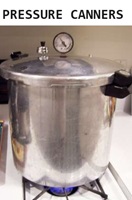
Pressure canners for gas, electric and induction stoves : Presto 23Qt or T-fal 22Qt
 Canning scoop
(this one is PERFECT)
 Ball Blue book
(most recent version)
Jars: 8oz canning jars for jams

Water Bath
Canners:
You can make jams, jellies, can fruit, applesauce, salsa and pickles with water bath canners, like this
Stainless Steel 24 QT Water Bath Canner
with Rack, Lid, and Home Canning Supplies Starter Kit w/ Tools & Accessories
or this 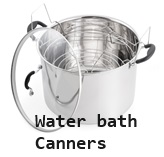 McSunley 21QT
version below
(similar, but without the kit)
Want to start your own Podcast, Blog, Vlog, etc? This GoPro kit has EVERYTHING you need
:
all accessories
Find Other types of farms:
Farm markets and roadside stands
Road trips and camping resources
Local Honey , apiaries, beekeepers
Consumer fraud and scams information
Home canning supplies at the best prices on the internet!
Maple Syrup Farms , sugarworks, maple syrup festivals
Environmental information and resources
Farms For Your Event for birthday parties, weddings, receptions, business meetings, retreats, etc.
Festivals - local fruit and vegetable festivals
Get themost recent version of
the Ball Blue Book
Canning and preserving, making jams, salsa, sauces, pickles, etc is SO easy with our step by step directions ! Just about all you need is a canner and canning jars!
Canning accessories kit:
funnel, jar tongs, lid lifter, etc

Water Bath
Canners:
You can make jams, jellies, can fruit, applesauce, salsa and pickles with water bath canners, like this
Stainless Steel 24 QT Water Bath Canner
with Rack and Lid, Home Canning Supplies Starter Kit w/ Tools & Accessories
or this McSunley 21QT
version below
(similar,
but without the kit)
