



ハイデガーと荘子 その3。
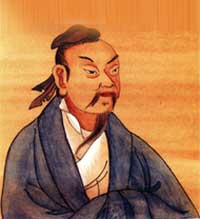
荘子ですよ。
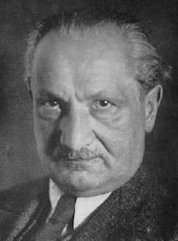
20世紀哲学の最大の発見、ハイデガーの『存在と時間』は、紀元前の『荘子』の単なるパクリであるという話の3回目を。「存在への問い」とはすなわち「道(Tao)を悟る」という荘子の思想であるということについて、今回は分かりやすく、状況証拠から参りましょう♪
どうやら、『存在と時間』が荘子のパクリだ、という指摘は、日本では今からちょうど10年前(笑)、中央公論の1999年1月号の今道友信さんの手記「一哲学者が歩んだ道」においてなされたのが初めてのようです。
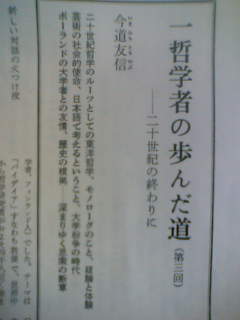
では、そこを引用してみます。
>二十世紀の重要な哲学の一つに実存主義があります。実存を語る時、誰もが使う「世界的内在」という概念があるのです。これはハイデガーが使ったドイツ語「Das In-der-Welt-Sein」の訳として私たちの先輩たちがこんな風にしたものですから、まるでハイデガーの造語のように日本でも思われていますけど、実は荘周(荘子)の「処世」という術語の間接的なドイツ訳なのです。天心岡倉覚三がロンドンで、"The Book of Tea(茶の本)"を書いて出版したとき、荘周の「処世」を英訳して「Being In The World」としたのは十九世紀末でした。それが一九〇八年シュタインドルフによってドイツ語に訳された際、この英語がそのまま逐語訳されてあのようになったという次第です。ご承知のように、「処世」とは「世に処(お)る(In-Sein)」と「世に処する(Ver-walten)」の二つを兼ねますから、ハイデガーの言っていることは荘周の考えそのままと言っていいでしょう。(以上「一哲学者の歩んだ道(第三回)--二十世紀の終わりに」より引用)
・・・かなり衝撃的な話なんですが、この事実は、英語版のWikipediaにも載っています。
参照:Wikipedia The Book of Tea
http://en.wikipedia.org/wiki/The_Book_of_Tea
>According to Tomonobu Imamichi, Heidegger's concept of Dasein in Sein und Zeit was inspired -- although Heidegger remains silent on this-- by Okakura Kakuzo's concept of das-in-der-Welt-sein (to be in the being of the world) expressed in The Book of Tea to describe Zhuangzi's philosophy, which Imamichi's teacher had offerred to Heidegger in 1919, after having followed lessons with him the year before.
>私の恩師の一人、伊藤吉之助は一九一八年、第一次世界大戦直後、ドイツに留学、そのときハイデガーを教師に雇いました。敗戦後のドイツはひどいインフレで、連合国側の日本の留学生のポケットマネーはドイツの若い学者たちには魅力的でした。(中略)伊藤は帰国に際し、お礼の心づもりで『茶の本』の独訳"Das Buch von tee"をハイデガーに手渡しました。それが一九一九年。そして一九二五年にハイデガーの名を高からしめた『存在と時間』が出版され、あの術語がことわりもなしに使われていたので、伊藤は驚くと同時に憤慨もしていました。それからはるか後年の一九四五年、「いやあ、世話にはなっだんだが、やづければよがっだなあ」と庄内弁で私に述懐なさったことがあります。ハイデガーが東洋の書物からヒントをえていることは他にもまだありますが、このくらいにしときましょう。
・・・ちょっと検索してみると・・・
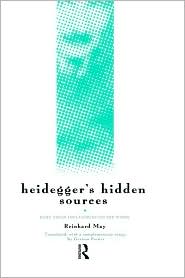
「Heidegger's hidden sources:East-Asian Influences on His Work (Paperback)」by Reinhard May 1996
・・・すでにあっちでそういっているヤツがいるじゃないの。
>Book Data Full Description:
This study argues that Heidegger drew some of the major themes of his philosophy - on occasion almost word for word - from German translations of Chinese Daoist and Zen Buddhist classics. It shows that Heidegger involved himself in influential conversation with Chinese and Japanese scholars.
The enormous influence of Martin Heidegger's thought in Japan and China is well documented, but many comparative studies of Heidegger's own thought have proceeded on the assumption of little influence from East Asian sources. This study argues that Heidegger drew some of the major themes of his philosophy - on occasion almost word for word - from German translations of Chinese Daoist and Zen Buddhist classics. It argues that Heidegger also involved himself in influential conversation with Chinese and Japanese scholars over the years. The author concentrates on a series of close textual comparisons of passages from Heidegger's major writings with exerpts from translations of Daoist classics and a collection of Zen translations with which Heidegger was known to be familiar. Striking similarities in vocabulary and phrase structure are found, too numerous to be coincidental. There is also a detailed discussion of Heidegger's "Dialogue on Language between a Japanese and an Inquirer", and a translation of the account given by the scholar with whom Heidegger had the "dialogue".
参照:Heidegger’s Hidden Sources Junkudo book web
http://www.ebookbank.jp/junkudo/ep/item/4-59740/
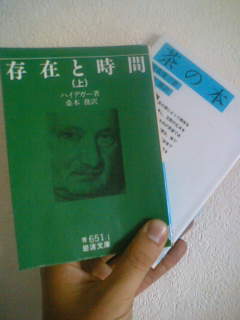
ほーらね、やっぱりそうでしょ?
ハイデガーは、パクったんですよ。
東洋の叡智、その中でも特に荘子の思想をね。岡倉天心の「茶の本」は荘子の思想の後継としての禅宗と茶道の位置付けについて簡明に述べているので、格好の素材だったでしょうよ。ハイデガーが日本の哲学者に接触していたのは、荘子の影響を受けた日本の文化から「道(Tao)」、ハイデガーの言うところの「存在」を見出す方法論を聞き出そうとしたんじゃないですか?『存在と時間』の続編のネタを探すためにね!!そうなると、日本の偉い先生方は、世界的な哲学者が我々に近い思想を持っている・・と勘違いして、単なるパクリ野郎にネタを提供した形になりますよ。
プラトンやアリストテレスやデカルトは普通に引用しといて、肝心のネタ元の荘子を伏せているだけ。ナチ公のやりそうな手口ですよ。最低だよ!!まったく!!
>この夏にボストンで第二十回世界哲学会議が開かれました。(中略)その年次集会もそこで一緒に開きました。ボストン大学のヒンティカ(ヴィトゲンシュタインの弟子だったフォン・リクトの弟子、分析哲学者、フィンランド人)でした。テーマは「パイデイア」すなわち教養で、世界中から哲学者がおよそ4千人近く集まり、一週間続いたのです。(中略)その年次集会もそこで一緒に開きました。テーマは「二十世紀哲学の共通根(コモンツール)」でしたが、その組織委員長も、私はヒンティカに委ねました。ところが、去年(一九九七)十一月にプログラム案を見ると、十九世紀のヨーロッパとアメリカの哲学しか考えに入れていない。私は哲学国際研究所の所長としてもですが、それよりも一哲学者として、こういう狭い視野で学問を決め付けるのはよろしくない、と思って、少しは東洋の哲学のことも考えるべきであると注意を促しました。ヒンティカは、彼としてはすぐに応じてくれたのですが、そこでインド人のモハンティをスピーカーに加えたのです。この人は長くボストンにいる現象学的認識論者で東洋を無視する分析哲学の仲間です。この一派の人びととは、東洋の哲学が二十世紀にどれほど大事なツールになっているかということを理解しようとしません。(以上「一哲学者の歩んだ道(第三回)--二十世紀の終わりに」より引用)
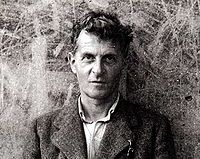
同じく20世紀を代表する哲学者、ヴィトゲンシュタインも、到達したのは、「世界は事実であることの全てである」とか、「事実であること、すなわち事象は諸事態の存立である」、とか「語りえないことについては人は沈黙せねばならない」とかで、考えてみると、荘子はそこを前提に哲学を始めているわけで、自分たちこそが賢いとでも思っている白人さんたちには、都合が悪かったんじゃないでしょうか(笑)。
一言いいですか?

キサマ等のいる場所は既に---我々が2000年前に通過した場所だッッッ!!!!(烈海王)
参照:Wikipedia ルートヴィヒ・ウィトゲンシュタイン
http://ja.wikipedia.org/wiki/%E3%83%AB%E3%83%BC%E3%83%88%E3%83%B4%E3%82%A3%E3%83%92%E3%83%BB%E3%82%A6%E3%82%A3%E3%83%88%E3%82%B2%E3%83%B3%E3%82%B7%E3%83%A5%E3%82%BF%E3%82%A4%E3%83%B3
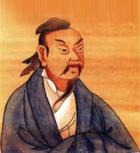
『天下大乱、賢聖不明、道徳不一、天下多得一察焉以自好。譬如耳目鼻口、皆有所明、不能相通。猶百家衆技也、皆有所長、時有所用。雖然、不該不遍、一曲之士也。判天地之美、析萬物之理、察古人之全、寡能備於天地之美、稱神明之容。是故内聖外王之道、闇而不明、鬱而不発、天下之人各為其所欲焉以自為方。悲夫!百家往而不反、必不合矣。後世之學者、不幸不見天地之純、古人之大體、道術將為天下裂。』(「荘子」天下篇第三十三)
→そのうち、天下は大いに乱れ、偉大なる聖人や賢人は現れず、道徳の一致がみられず、(今の学者は)限られた視野で、好き勝手なことを振舞うようになった。これは、目や口や耳や鼻に、それぞれの働きを兼ね合わせることができないことに似ている。多くの匠の技がそれぞれの長所を持っていても、他を兼ねることができないのと同じだ。一つのことに限定された世界に生きているだけだ。だから、かれらは天地の美に優劣をつけ、万物の理を分析と称して切り取って、かつての人びとが大切にしていた一体の徳をばらばらにしているのだ。道にしたがい、天地の美を備える者は少ない。このため、内に聖人の徳、外に王道の道を志す者が現れず、闇の中に光が見出せなくなった。天下の人々は己の欲にとらわれただけの道を自分の道と称している。悲しむべきことではないか!!諸子百家の才は、再び帰り着くべき一つの道に戻れず、不幸にして、後世の学者は、天地のあるべき純粋な姿、古の素晴らしい生き方を知ることができない。今の学者たちのおかげで、天下の道は分断の危機にさらされているのだ。
今日はこの辺で。
ジャンル別一覧


人気のクチコミテーマ
-
-
- 連載小説を書いてみようv
- チェンマイに佇む男達 寺本悠介の場…
- (2026-09-27 10:32:18)
-
-
-

- 読書
- 妄想: パラドクスと【絶対矛盾的自己…
- (2026-09-29 13:55:54)
-
-
-

- 今日読んだマンガは??
- 『1000歳年下の皇帝に執着されてます…
- (2026-09-28 00:18:34)
-
© Rakuten Group, Inc.
