



PR

Mr.ヒゲ塗れ『兄邪(じゃ)』に因る『すぎかわ愛貴たん』のジュテーム焼きSP
🇯🇵ニッポンのヒゲ塗れ『兄邪(ジャ)さんに因る『🍋すぎかわ愛貴たん』の❤️🔥ジュテーム焼きSPさん
カレンダー
2026.08
2026.07
2026.06
2026.07
2026.06
2026.05
2026.04
2026.04
カテゴリ
コメント新着
コメントに書き込みはありません。
キーワードサーチ
▼キーワード検索
2022.03.01

テーマ: 国際政治(28)
カテゴリ: カテゴリ未分類
在米38年ですが年齢聞かれたら26歳と答えます。
ツイは主にわんこ・食べ物・米国事情・金融関係・知ったかぶりの5種。
2020年にNYからメイン州の田舎に移住。家族構成は夫+ワンコ3匹。

TrinityNYC
@TrinityNYC
コネチカット州の上院議員クリス・マーフィのツイート。
「議員諸君、今日、君らが口を閉ざして何も言わずにいるのを選択するなら、
この先、二度と私に向かって
ムスリム入国禁止令の大統領令を出したトランプに国内外から批判相次いでいる。
《引用ツイート》


Chris Murphy
@ChrisMurphyCT
· 2017年1月28日
To my colleagues: don't ever again lecture me on American moral leadership if you chose to be silent today.
午後11:47 · 2017年1月28日·Twitter for iPad
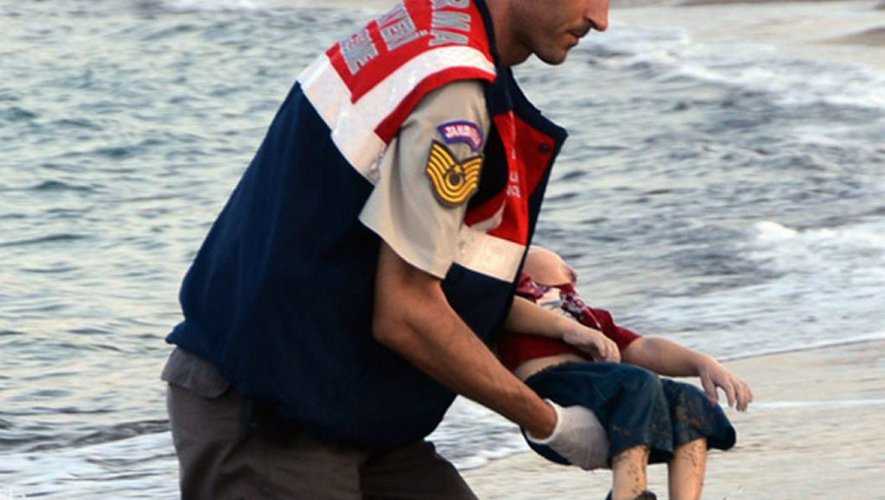
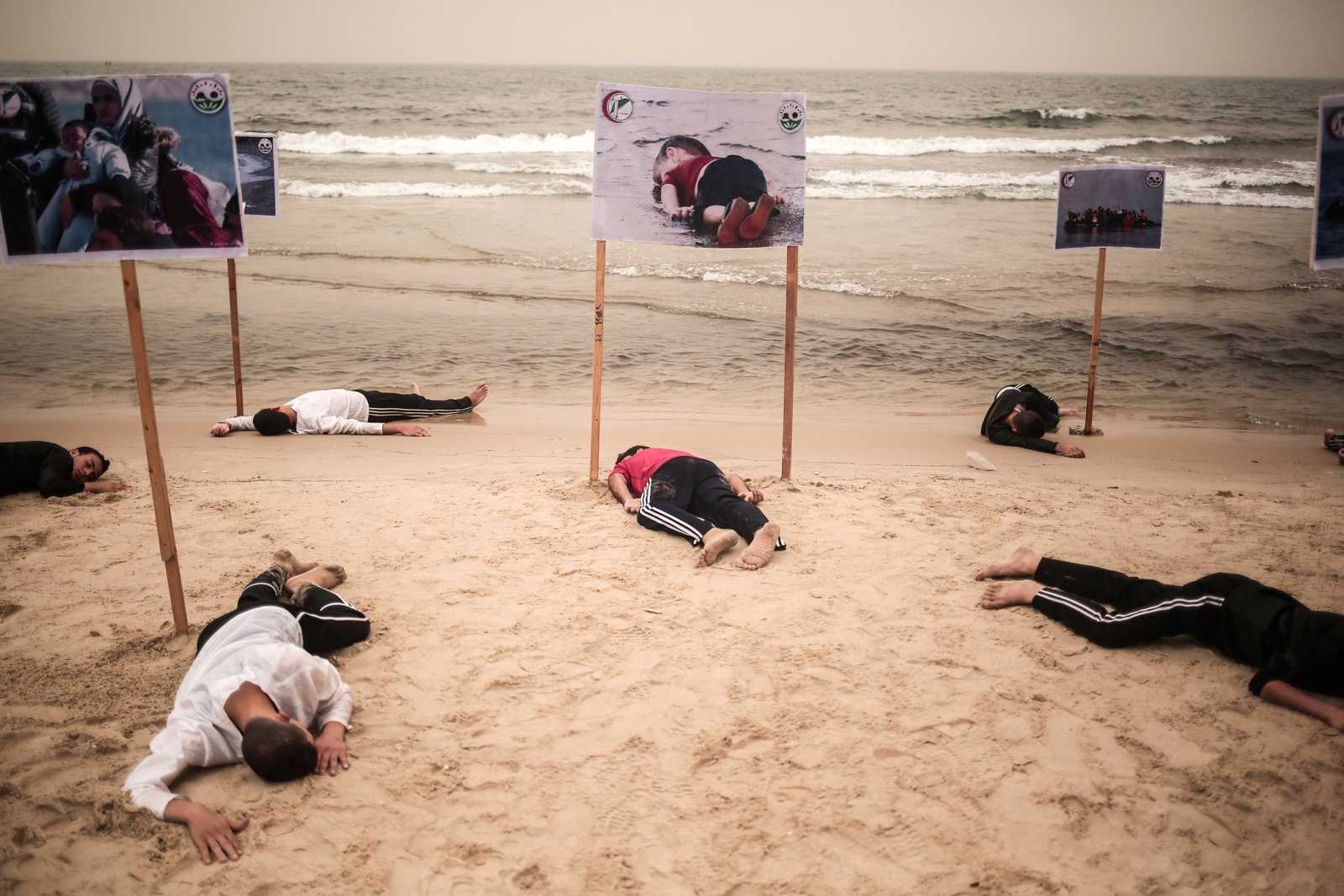
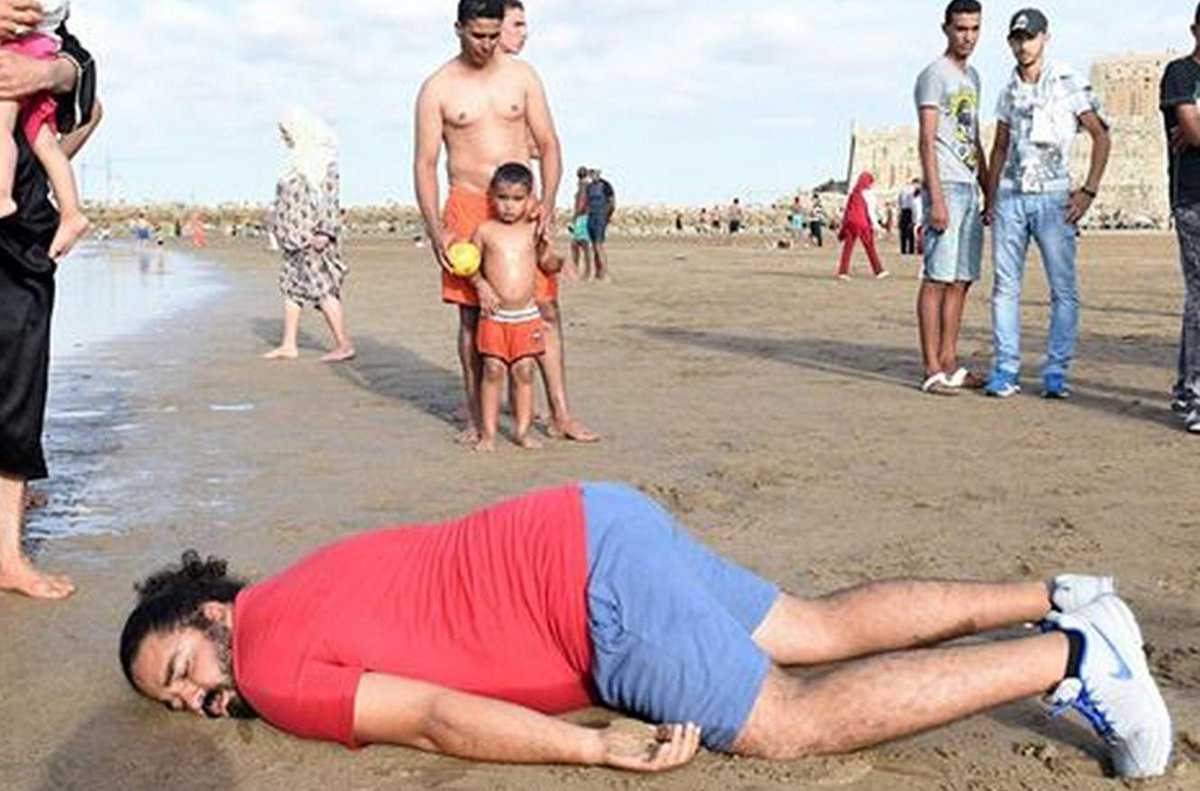
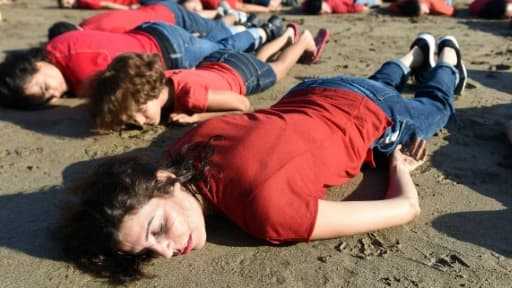
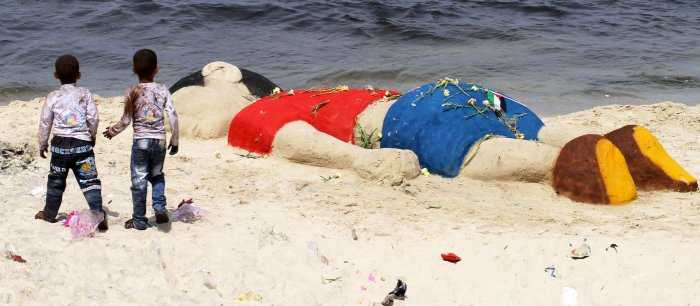
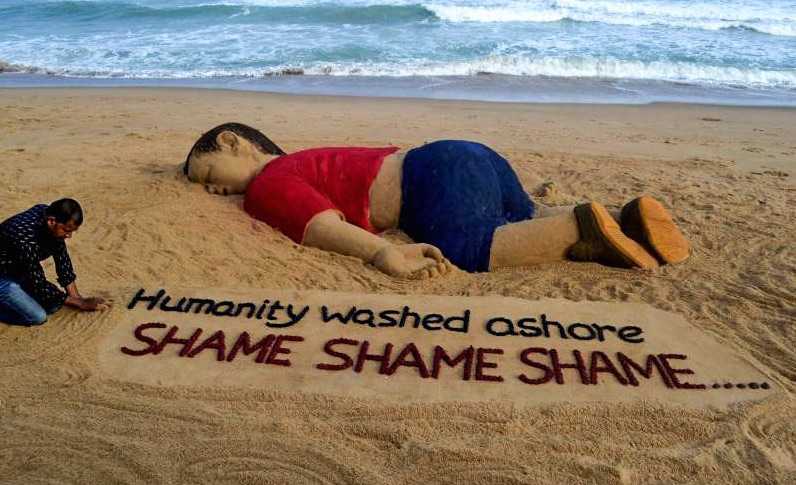
SHAME SHAME SHAME…
《本日のオマケ写真》
一粒の泪(なみだ)…💧



Naomi Meng
Public Ethics to Syrian Refugees
• Column A: Ethics
• Column B: Online newspapers
• Column C: “Research shows how one devastating image totally changed how we talk about the refugee crisis.”
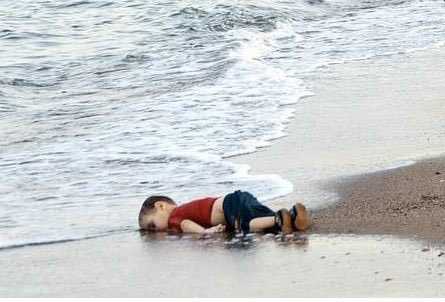
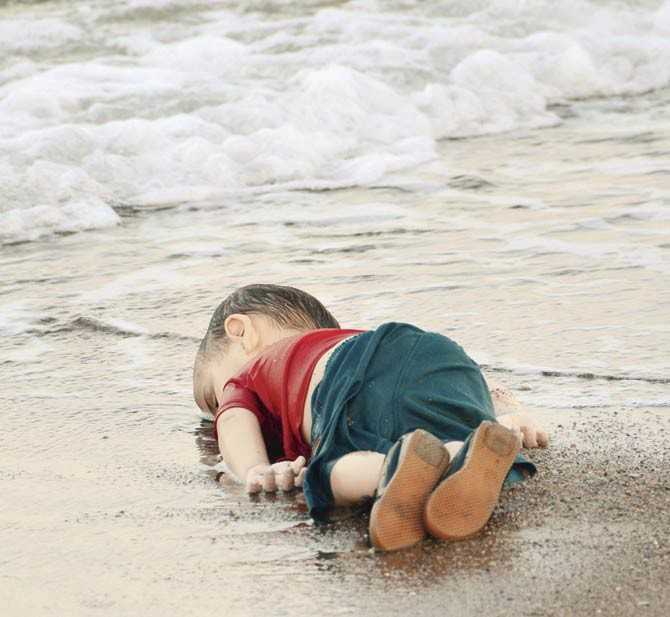
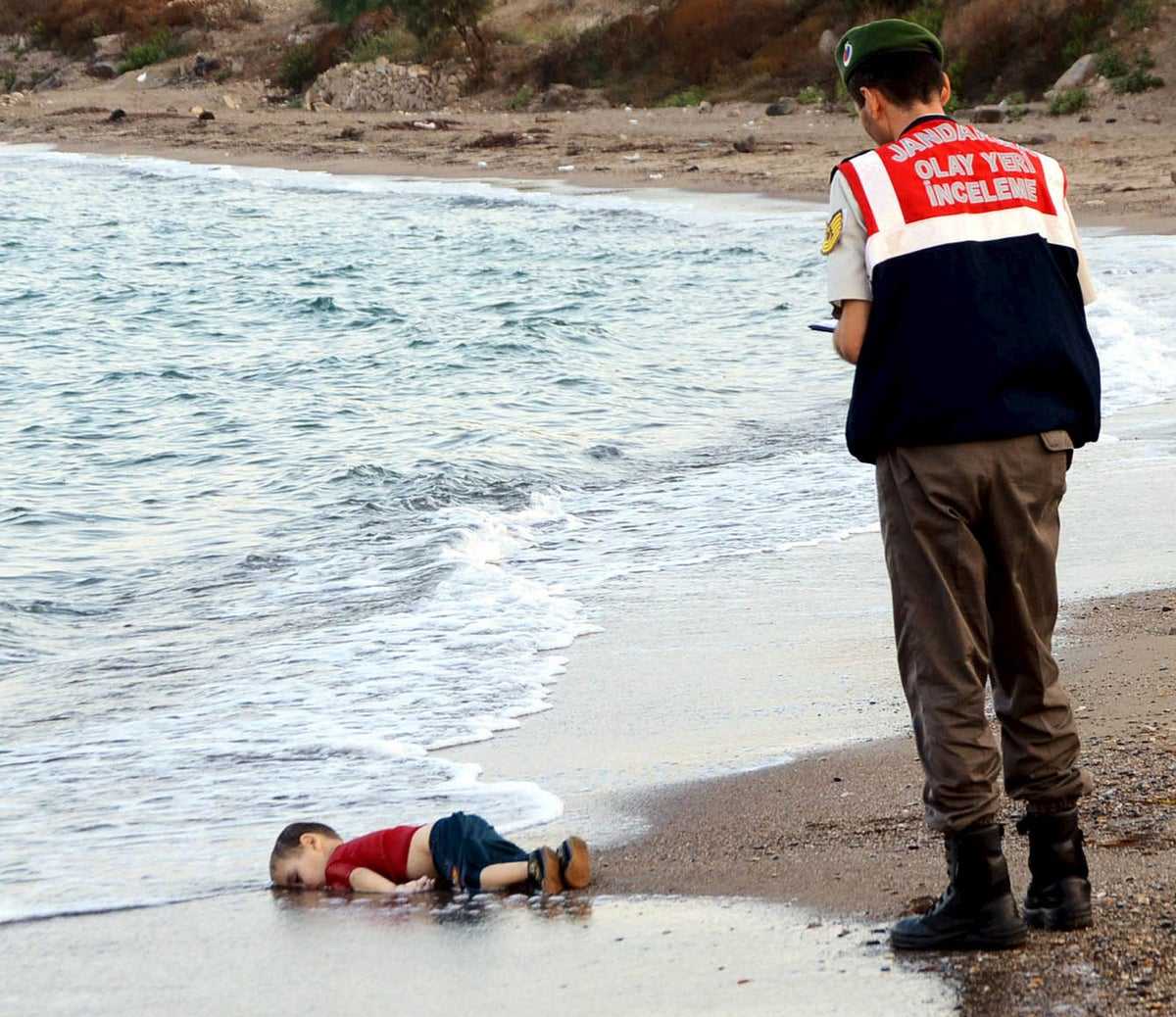
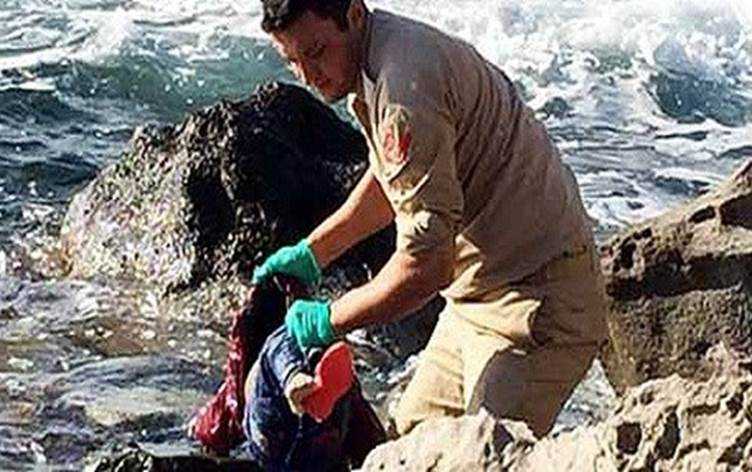
In 2015, a three-year-old Syrian boy, Aylan Kurdi was well-known in worldwide by a heartbreaking photo. In this photo, he had already drowned in the Mediterranean Sea, and his lifeless body lay on a beach face downward without family alongside. It is reported that Aylan and his family as Syrian refugees had been trying to reach Canada and that all of them drowned on the way to Greece sank.
http://images.mid-day.com/images/2015/sep/Aylan-Kurdi.jpg
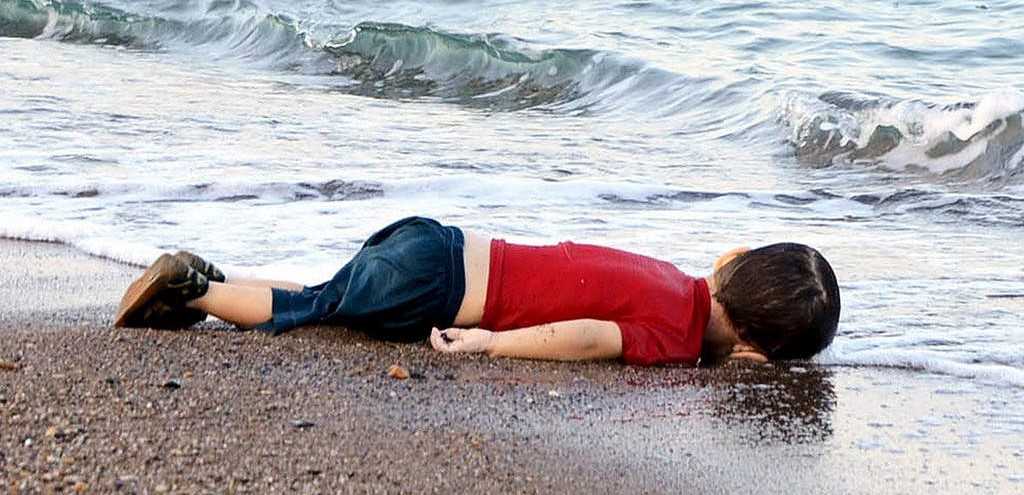
Aamna Mohdin states that the photo “was a tipping in the refugee crisis”, and it “had a huge impact” on “humanizing the refugee crisis” and “softening” public attitudes towards refugees, in her report on Quartz, just after three months from this issue. Besides, Mohdin also represents that after this issue, people started to distinguish “the words “migrant” and “refugees””, and “the number of people using the word refugee dramatically increased”, which is much more than the number of people who use “migrants” to describe Syrian refugees. The photo also “spawned a number of hashtags”, such as “#refugeeswelcome”. On one hand, these hashtags confirmed that Syrian refugees are welcome and friendly treated by the native people; and on the other hand, it somehow gives pressure to the governments to respond.
In this video, there are three families as newly settled refugees in BC talking about their stories. Except the different families’ backgrounds, it is surprised that the reasons why they fled to Canada are almost same; they need to keep their family safe.
Rakan, a Syrian Canadian engineer, he said he loved his country and felt disappointed for leaving everything he used owned. However, because his son “survived a bomb track in his school in Syrian”, in order to protect his family he made the decision to get to Canada. Similarly, as a Syrian Canadian, “Mohamad became a paraplegic after he was injured in a suicide bombing in 2003”, but after the bombing he still tried to stay in his country as long as he could, so he would not feel he was abandoning his own country.
Not surprised, in Syrian refugees’ perspectives, if their safety could be guaranteed in their own countries, they would not choose to abandon everything they have and leave for a strange country in midlife. Fortunately, as a responsible government, Canada government takes many measures to resettle the refugees and guide the public opinion to a correct direction.
As you can see, comparing with other countries, Canada government makes much more contribution in helping Syrian refugees. No matter in the number of hosted refugees, or the rules of selecting refugees, they provide a safe environment for both Syrian refugees and Canada residents. It cannot be ignored that the peaceful and helpful Canadian social environment benefits from the increasing social ethics. Due to the high social ethics, Canadians are willing to accept Syrian refugees and treat them respectively and equally.
No matter in whose perspective, Syrian refugees, the public or the government, the positive public attitude works a lot in easing the refugee crisis. Besides, the matching social ethics also drive the social opinion and government’s responses in a right way. Although feeling upset for Aylan’s experience, it is a pleasure to hear Syrian refugees’ good news in Canada. The number of hosting refugees is limited, but people’s ethical reactions to the worldwide vulnerable group need to be cherished and appreciated.
🌟超📰黒星★新聞社☆Group
お気に入りの記事を「いいね!」で応援しよう


【毎日開催】
15記事にいいね!で1ポイント


© Rakuten Group, Inc.
