



自分の意見を主張する表現

(写真はNBA生観戦)
これから語る内容を主語にする
★ one of the things that we’ve done is ~
私たちがこれまでやってきたことの一つに~
通常の文では"We’ve done "のように主語には人がきますが、聞き手がこれから話す内容に、よりフォーカスしやすいように、これから話すこと(もの)を主語にして説明する手法が英語ではよく使われます。
例文
One of the things that we’ve done is to test new product in small research groups before finalizing the design. The results have been very good.
★ the most important part of the argument is ~
この議論で最も大切な部分は~
今の議論を何の為にやっているのか問い直す場合の表現です。
例文
I understand your position,but the most important part of the argument is that you may need to compromise so that the solution will satisfy all interests.
★ what differentiates<人/もの>from other<人/もの>is ~
<人/もの>を他の<人/もの>から特徴づけているのは~
ある人やものの特徴を紹介する時に、他の人やものと比較して「これから述べるのが、差を発生させているポイントです」と明示する為に使います。
例文
What differentiates engineers from other professionals is the use of disciplined science instead of market surveys and opinion polls.
★ the only thing that we can do is ~
私たちができる唯一のことは~
「今となってはこんなことしかできないでしょう」と説得する時に使います
例文
Since the deadline for the project is very soon, the only thing that we can do is to finish our jobs and submit the proposal.
★ what’s made me think<アイディア>is ~
私がなぜ<アイディア>を考えるようになったかというと~
理由を説明する表現です。よく使われます。
例文
I think the company should buy that small start-up. What’s made me think so is the fact that it will have immediate access to innovative ideas.
★ what I had in mind was ~
私が今考えていたことは~
説明不足で、「相手が自分の発言を勘違いしているな」と感じた時、「先ほど私が言おうとしたことはこんなことです」と説明する場合に使います。
例文
You misunderstood me. What I had in mind was some kind of stock option,not derivative.
★ what keeps<人/もの>from<場所/ものごと>is ~
<人/もの>を<場所/ものごと>から遠ざけているものは~
ある人やものが、ある場所やものごとからどうして疎遠になっているのか、引き留められているのかの理由を説明する場合に使います。
例文
What keeps me from visiting my family more frequently is the great distance I must travel to see them.
★ one special feature of ~ is ・・・
~の一つの特徴としては・・・
具体的な特徴の説明の部分をあとに持ってくることにより、力強くインパクトのある説明ができます。
例文
One special feature of a new start-up company is its ability to make rapid decisions and adapt to the market.
__________________________________
それまでとは違った内容を切り出す
★ on the down side,~
その一方、欠点としては~
まず相手の主張点を繰り返し、それを認めた上でそこから相手のアイディアの欠点を述べる場合の切り返しの表現です。
例文
J
You can afford that new sports car you’ve always wanted. It would be great fun to drive.
F
Yes,it would be. On the down side ,however,a sports car isn’t very economical compared with the car I have now.
★ on the up side,~
その一方、長所としては~
それまでは欠点の話をしていたときに、「しかし、良い点としてはこのようなことがある」と切り返す表現です。
例文
I earn a lower salary than my peers do because I work with a small start-up. On the up side ,however,I receive many stock options,and will become wealthy if our company is successful.
★ from the viewpoint of ~
~の視点では、~の立場から
自分がどういう視点から意見を述べているのかを提示する表現です。
例文
I have considered your theory from the viewpoint of an engineer,rather than that of a philosopher.
★ on the theoretical side,~
理論上では~
理論的な話をしているときに、「しかし現実的には・・・」と話題を切り返す表現です。
★ on the practical side,~
実際には~
現実的な話をしているときに、「しかし理論的には・・・」と話題を切り返す表現です。
例文
On the theoretical side ,getting rich and retiring early seems like it would be satisfying. On the practical side ,however,I really enjoy my work and being a part of a great team. I doubt that I would really be happy if I stopped working completely.
★ on the serious side,~
でも、まじめな話~
冗談からまじめな話に移る場合の切り返しの表現です。
例文
Our office building has so many lights on at night,it looks like a fireworks display. On the serious side ,this means we are all working very hard late into night.
★ now that ~,
今や~なので、~である以上は
時間の経過とともに状況も異なってくることを表現するときに使います。
例文
Now that we have completed our market research,we can move on to marketing our business plan.
★ on the personal side,~
私生活の面では~
自己紹介や履歴書で経歴や職業のような公的な面の紹介をしたあと、家族構成や趣味などの個人的な紹介に移る際に使う表現です。
例文
Let me introduce myself. I‘ve been working for the U.S. Navy for more than ten years as a submarine engineer. On the personal side ,I have two children,Mary and John.
★ on the production side, ~
生産の立場からすると~
企業戦略などの議論中に、それまでとは視点を変え、別の部門の立場で議論を開始する場合の切り返しの表現です。
例文
On the production side , the combined company can shut down the older inefficient factories.
★ on the marketing side, ~
マーケティングの立場からすると~
例文
On the marketing side , more advertising can focus customers on our brand.
★ on the R&D side, ~
研究開発の立場からすると~
Our scientists can eliminate redundant research on the R&D side .
★ on the sale side, ~
販売の立場からすると~
例文
On the sale side , we can reduce the expenses associated with a large sales force by reorganizing the responsibilities in the field.
__________________________________
そうなる、そう思える
★ what seems to be ~ is…
~だと思われるものは…
“seem”(主観的をそう思える)の他に、”appear”(外観がそう見える)を使う場合もあります。
例文
What seems to be the obvious answer may not always be the right answer.
★ It’s possible, but unlikely.
確かにあるかもしれないけど、ちょっとありそうにない
相手に極端な例で反論された場合、その可能性を認めながら、「実際問題としてありえないでしょう」と諭す時に使います。
例文
J
I’ve just invested 50% of my savings in a new business, and I believe that the company’s will grow rapidly. I’ll become very rich.
F
It’s possible, but unlikely , since you’re not sure how the company will perform.
★ what become increasingly clear over time is that~
時間とともに徐々に明らかになっていることは~
この表現は意味上、過去形で使われる場合が多いです。
例文
What became increasingly clear over time was that banks were hiring more mathematicians than economists.
★ prove to ~
~であることが判明する
この表現は意味上、過去形で使われる場合が多いです。
例文
That time proved to be a watershed.
★ <もの/人>turn out to ~
<もの/人>は結局~であることが明らかになる
そのときにわからなかったことが、後で明らかになった場合の表現です
例文
That popular new stock turned out to be a very good performer.
___________________________________________________
ものの見方、考え方を示す
★ ~is considered to be…
~は…とみなされている。
受動表現を使うことで客観性を増すことができます。
例文
The use of fiber optic cable is considered to be one of the largest areas for infrastructure growth in the next ten years.
★ ~is thought to be…
~は…と考えられている。
例文
The use of partnerships is thought to be the most effective way to form corporate alliance.
★ <人>is supposed to ~
<人>は~することになっている
「~」には動詞が入ります。
例文
All students are supposed to work hard and learn as much as possible.
★ take it for granted that ~
~を当然と思う
例文
Many young students take it for granted that computers can make their life more productive.
★ take ~ for granted
~を当然と思う
that節ではなく、名詞を使う場合の表現です。
例文
She takes her husband for granted.
★ confuse ~ with…
~を…と混同する
「本当は~であるのに、…と勘違いしている」ことを表します。
例文
Since you did not study hard, you may confuse correct answer with incorrect answers on the examination.
★ ~is confused with…
~は…と間違えられる
例文
Physical desire is confused with love sometimes.
★ not illegal, but culturally unacceptable.
違法ではないが、文化的に受け入れられない
議論の際に使える便利な表現です。
例文
In Japan, comparative commercials are not illegal, but culturally unacceptable .
★ all things considered
いろいろ考え合わせてみると
「最初はこう思ったが、いろいろ考えると、結局は反対だった」という時に使う表現です。
例文
We did not receive everything we wanted in the negotiations, but all things considered , we are very happy with the results.
★ Taking all things into consideration
あれこれ考えてみると、結局のところ
独立節として、文頭か文末につけます。
例文
Taking all things into consideration , you have to be careful about the following points when you take a part-time job.
__________________________________
強調する
★ at any one time
どんなときにも
“always”や”anytime”の強調表現です。
例文
At any one time , the stock market never consists of only buyers. It always has both buyers and sellers.
★ ~of any kind
どんな種類の~であれ
「~」の部分には名詞の単数形が入ります。
例文
A strategy meeting of any kind will help in our future goal setting.
★ without exception
例外なく
まったく例外がないという意味で文意が強調されます。
例文
Company loyalty is required of all employees, without exception .
★ with the exception of~
~という例外を除いて
例文
With the exception of milk and eggs. I eat no animal foods.
★ in any case
いずれにせよ
具体的にいくつかのケースに分かれている場合に使います。
例文
There are many criteria by which a manager can be evaluated. In any case , the overall impact on the company’s performance must be the most important criterion.
★ in either case
どちらの場合にしても
明らかにケースの数が2つの場合に使います。
例文
You may find the product you need on this list, or perhaps find a manufacturer of a product you need. In either case , since we have previous dealings with those manufacturers, we will be able to locate products you need rapidly.
★ no matter how ~ …may be,
どんなに…が~であったとしても
“…”には主語、”~”には主語を修飾する形容詞が入ります。
例文
No matter how difficult graduate business school may be , the rewards are always great.
★ every single~
どんな~も
会話では、強調のために似たような意味の言葉を連続した使うことがあります。
例文
Every single manager must understand the company plan and integrate his or her operation with that of the whole firm.
★ regardless of what they are, ~
たとえそれがどんなものであっても
文中の”they”に相当する部分を強調する表現です。単数形の場合は” Regardless of what it is, ~”になります。
例文
Regardless of what they are , the theories can usually be related to the same fundamental principles.
★ whatever they are, ~
たとえそれがどんなものであっても
“regardless of”の代わりに”whatever”も使えます。
例文
Whatever they are , the theories can usually be related to the same fundamental principles.
__________________________________
説得、提案する
★ make a proposal to ~
~しようという提案をする
自分の立場をはっきりさせる場合に使います。
例文
I will make a proposal to proceed with the construction of a new facility.
★ make a counter proposal to ~
~しようという逆提案をする
例文
The initial proposal was rejected, so we must make a counter proposal to try to get a contract.
★ I’d say ~
私なら~と言うだろう
本来は仮定法過去の用法であり、会話ではif節が省略されています。
例文
If you want my opinion, I’d say that innovation is essential to our financial future.
★ the only solution would be ~
唯一解決策があるとすれば~であろう
他に解決策がないときに提案する表現です。
例文
Some problems you may encounter with documents generated from Word 97. The only solution would be to upgrade to the latest version.
★ the only solution seems to be ~
唯一の解決策は~のようだ
例文
Since our company urgently needs money, the only solution seems to be to sell some of our idle equipment.
★ What else can you suggest?
他に何か提案はありますか
前の提案がそんなにいいと思わなかったときに使う表現です。
例文
The idea that you’ve just presented is not bad, but what else can you suggest?
★ it would be a good idea to ~
~するのがいい案かもしれない
自分の意見を控えめに言うときの表現です。
例文
I think it would be a good idea to have a weekend off for the whole team.
★ on the right track
正しいやり方、考え方で
ディスカッションの中で、今のやり方でいいのかを議論するときによく使う表現です。
例文
I think we should find out if we’re on the right track .
★ on the wrong track
間違ったやり方、考え方で
例文
If we’re on the wrong track , we’d better find a new direction to pursue.
★ What do you say to ~?
~はどうですか
何かを提案するときの代表的な表現です。
例文
It’s late so, what do you say to another meeting tomorrow morning?
★ How does ~ sound?
~はどうですか
例文
How does lunch meeting at 12:00 sound?
ジャンル別一覧


人気のクチコミテーマ
-
-
- 楽天トラベル
- 【サウナ付き大浴場完備】Hotel Yui-…
- (2026-11-09 20:10:04)
-
-
-
- 英語のお勉強日記
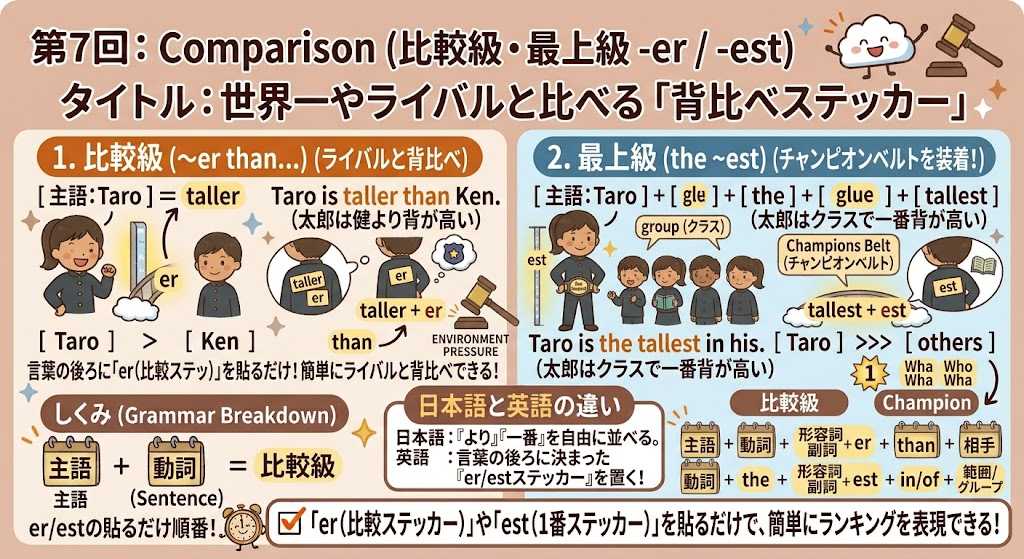
- 中2英語・第7回:Comparison(比較…
- (2026-11-09 16:20:04)
-
-
-

- ヨーロッパ旅行
- 壮年編 -1:俺を呼ぶならヴァージン…
- (2026-10-12 16:52:22)
-
© Rakuten Group, Inc.
