



パスツールの動機
IV.
I must first place before you a very remarkable note by Mitscherlich which was communicated to the Académie des Sciences by Biot. It was as follows:--
"The double paratartrate and the double tartrate of soda and ammonia have the same chemical composition, the same crystalline form with the same angles, the same specific weight, the same double refraction, and consequently the same inclination in their optical axes. When dissolved in water their refraction is the same. But the dissolved tartrate deviates the plane of polarisation, while the paratartrate is indifferent, as has been found by M. Biot for the whole series of those two kinds of salts. Yet," adds Mitscherlich, "here the nature and number of the atoms, their arrangement and distances, are the same in the two substances compared."
ミッチェルリッヒは、付け加えて、「原子の種類と数、配列と距離、比較しているこの二つの物質でまったく同じである。」
この報告がパスツールを引きつけて、解明への衝動に駆られて行った。
But no isomeric bodies existed whose relations in respect to molecular arrangement could be known. This desideratum was supplied for the first time by the discovery of the constitution of paratartaric acid, and of the constitutional relations of the right and left tartaric acids. We know, on the one hand, that the molecular structures of the two tartaric acids are asymmetric, and on the other, that they are rigorously the same, with the sole difference of showing asymmetry in the opposite senses. Are the atoms of the right acid grouped on the spirals of a dextrogyrate helix, or placed at the summits of an irregular tetrahedron, or disposed according to some particular asymmetric grouping or other? We cannot answer these questions. But it cannot be a subject of doubt that there exists an arrangement of the atoms in an asymmetric order, having a non-superposable image. It is not less certain that the atoms of the left acid realise precisely the asymmetric grouping which is the inverse of this. Lastly, we know that paratartaric acid results from the juxtaposition of these two inversely asymmetric atomic groupings.
パスツールは、「酒石酸の原子が、不規則な四面体でラセンのスパイラルを形成している。」と述べている。もう一歩すすめば、立体配置が、描き得たであろうが、パスツールの関心事は、既に有機化学には無く、微生物に移っていた。


ジャンル別一覧


人気のクチコミテーマ
-
-

- *雑貨*本*おやつ*暮らし*あんな…
- マラソン40%OFF★ティッシュペーパー7…
- (2026-05-14 14:51:24)
-
-
-
- 家を建てたい!
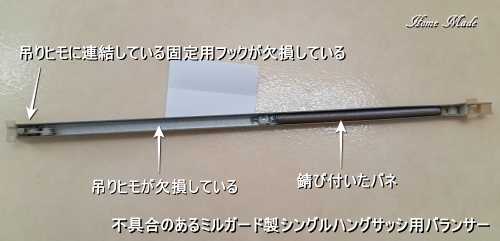
- バネの劣化や吊りヒモ切れが原因です
- (2026-05-12 18:56:08)
-
-
-
- 【日曜日(安息日)の過ごし方】
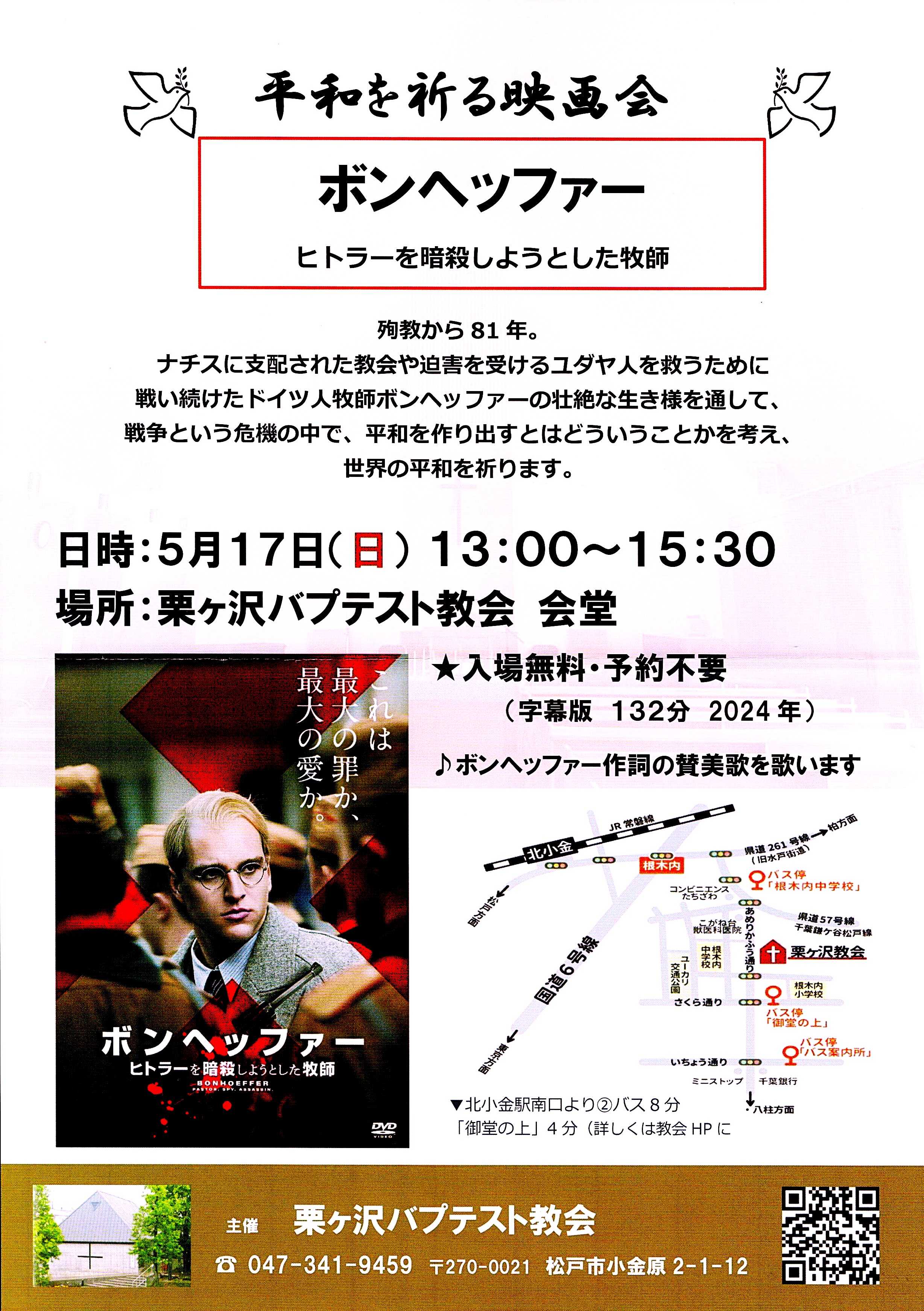
- 栗ヶ沢バプテスト教会映画鑑賞「ボン…
- (2026-05-05 17:22:23)
-
© Rakuten Group, Inc.
