


日本人の何人が気付いているかわかりませんが、後世の参考になるようにと、記録しておきたく書いています。
属領日本の統治機関、 CSIS(米戦略国際問題研究センター) により、着々と遂行される属領政府傀儡に対する、属領の軍隊を自由に動かせるようにするための教育プログラムについて。
まず、 稲田朋美防衛大臣 。 9月15日、ワシントンにあるCSIS本部に招いて講演(?) をさせ、持ち上げてやったりおだてたりで、 木に登らせて自信を持たせ 、以後の「駆けつけ警護」実施へむけ確実な前進をするように(後戻りできないように)用意周到なるてはずが行われていた。果たしてこのことを日本のメデイアは報じていたのか、は知らない。
おそらくは外務官僚が作ったであろうものを、 高校生の英語スピーチコンテストよろしく、 一生懸命読よみあげている様は、 猛禽類達のなかにおいてあたかもその仲間に入れてもらいたいかのように振る舞うあわれな伝書鳩ごとく
猛禽類どもが狙っているのは金の卵であることを知ってか知らずか・・・
これが日出ずる国の防衛大臣だと・・・
その動画がこれです。 いまやJAPAN HANDLORの代表格、 マイケル・グリーン が属領の防衛大臣にしてやった 女の子(girl)をATTENDしてやり 、 励ましています。ネジを捲いています。
https://www.youtube.com/watch?v=A2nLfurKyOk
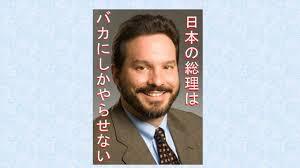 マイケル・グリーン
この後、10月初、彼女は南スーダンへ行かされています。「当地は安全である」と根も葉もないことを口から発っするべく・・・。
自衛隊を従軍にするためのまたとない機会なのです。手綱を緩めることはありません。彼らは。
次に属領地の首長へのCSISのフォロー状況、
首相の1日(2016.10.18) 東京新聞10.19版より
・午後5時34分、米国ユダヤ人協会のハリス理事長。
・午後6時5分、谷内正太郎国家安全保障局長、木村滋内閣情報官。
首相動静(2016.10.19) 朝日新聞10.20版より
・午後0時6分、 エドワード・ルトワック米戦略国際問題研究所(CSIS)
シニアリサーチャー(ブログ注;上級研究員)と昼食。秋葉
剛男外務省外務審議官同席。
・午後1時3分、衆院第一議員会館。歯科診療室で治療。
首相動静は以上。
想像力を働かせて考えて下さい。
上の首相官邸の動静と下記の「駆け付け警護」と「宿営地の共同防衛」の新任務を付与、の具体化記事。
この時間的タイミングは単なる偶然なのか?
植民地の或いは属領の政策決定はこのようになされていくのでなかろうか・・・?
共同通信 2016/10/21 02:00
http://this.kiji.is/161881948796503545?c=39546741839462401
政府は南スーダンの国連平和維持活動(PKO)に参加する陸上自衛隊に対し、安全保障関連法に基づく「駆け付け警護」と「宿営地の共同防衛」の新任務を付与する方向で最終調整に入った。 11月中旬にも新任務を活動内容に加える実施計画の変更を閣議決定する方針だ。 (現実にその通りに15日閣議決定した!!) 実施地域は陸自部隊の宿営地がある首都ジュバ周辺に限定する。 政府関係者が20日明らかにした。( 以下略)
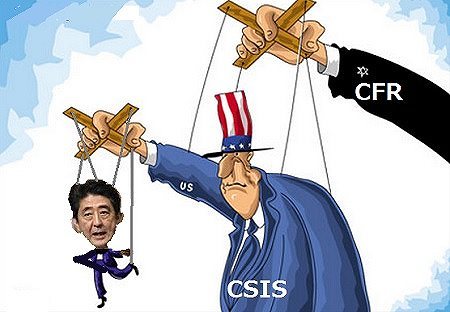
以前にも掲載した風刺画、これは真実を知る人間が一コマで全てを物語っているものです。
CSIS=Center for Strategic international Studies =米 戦略国際問題研究所
CFR =Council on Foreign Relations = (米) 外交問題評議会
(近年の背景として)
以下は2012年8月に、日本国政府に「アミテージ、ナイ報告書」という形で通達されたもののサワリです。 中身は 「TPPに入れ!憲法を変えろ!集団的自衛権の行使をしろ!原発を推進しろ!」
a report of the csis japan chair
U.S.-Japan Alliance
anchoring stability in asia
Center for Strategic and International Studies (CSIS)
Authors
Richard L. Armitage スキンヘッドのアミテージ
Joseph S. Nye (ブログ注;CFR理事であり、アミテージよりはるかに格上)
(ブログ注; 2008 年 12 月 、東京都内で 日本 の 民主党 幹部と会談を行い 、「オバマ次期政権下で(日本の)民主党が安全保障政策で インド洋での給油活動 をやめ、 日米地位協定 などの見直しに動いたら 反米 と受け止める」と発言を行った
カーター 政権で 国務副次官 ( Deputy to the Under Secretary of State 、 1977 年 - 1979 年 )、 クリントン 政権では 国家情報会議 議長( 1993 年 -1994 年)、 国防次官補 (国際安全保障担当、 1994 年 - 1995 年 )として政策決定に携わる。
1995 年 から 2004 年 7 月 まで ハーバード大学 の行政・政治学大学院である ケネディスクール の学長を務めた。)
August 2012
About CSIS—50th Anniversary Year
contents
Study Group Participants iv
Study Group Signatures v
Introduction 1
Energy Security ( Nuclear Energy ) 2
Economics and Trade ( TPP ) 6
Relations with Neighbors 7
Toward a New Security Strategy 11
Conclusion 15
Recommendations 16
About the Authors 19
Energy Security ( Nuclear Energy ) の一部です。
原発再稼働は必須であると迷惑な助言(要求)
Further restarts depend on safety checks and local approval . The cautious resumption 再開 of nuclear generation under such conditions is the right and responsible step in our view.
Japan has made tremendous progress in boosting energy efficiency and is a world leader in energy research and development. While the people of Japan have demonstrated remarkable national unity in reducing energy consumption and setting the world ’ s highest standards for energy efficiency, a lack of nuclear energy in the near term will have serious repercussions 悪影響 for Japan.
Without a restart of nuclear power plants, Japan will not be able to make meaningful progress toward her goal of cutting carbon dioxide (CO 2 ) emissions 放出 by 25 percent by 2020. Nuclear power is and will remain the only substantial 堅個な source of emissions-free, base load electricity generation. Environment Ministry data reportedly shows that without a nuclear restart, Japan ’ s emissions can fall at most by 11 percent by 2020; but with a restart, emissions reductions could approach 20 percent. 1 A permanent shutdown w ould boost Japan ’ s consumption of imported oil, natural gas, and coal. Moreover, postponing a decision on national energy policy has the potential to drive vital, energy-dependent industries out of Japan and may threaten national productivity.
Toward a New Security Strategy の一部です。
彼らは何とか自衛隊を海外に引っ張り出そうと、ペルシャ湾・ホルムズ海峡まで引き合いに畳み掛けるように煽っています(咀嚼能力のないアベはこれらを脚色なしで国会答弁で口にしていたのは記憶に新しいところ・・・)
(引用 途中から)
Two additional areas for potential increased alliance defense cooperation are in minesweeping in the Persian Gulf and joint surveillance of the South China Sea. The Persian Gulf is a vital global trade and energy transit hub. At the first rhetorical sign or indication of Iran ’ s intention to close the Strait of Hormuz, Japan should unilaterally send minesweepers to the region to counter this
internationally illegal move. Peace and stability in the South China Sea 南シナ海 are yet another vital allied interest with especially profound salience for Japan. With 88 percent of Japan ’ s supplies, including vital energy resources, transiting through the South China Sea, it is in Japan ’ s interest to increase surveillance in collaboration with the United States to ensure stability and continued freedom of navigation.
中略
The distinction between the “ Defense of Japan ” and regional security is thin. A sealed-off Strait of Hormuz ホルムズ海峡 or a military contingency in the South China Sea will have severe implications 巻き込むこと for the security and stability of Japan. The once-touted sword and shield analogy
oversimplifies current security dynamics and glosses over the fact that Japan requires offensive responsibilities to provide for the defense of the nation. Both allies require more robust 強固な, shared, and interoperable 相互運用可能な Intelligence, Surveillance, and Reconnaissance (ISR 諜報・監視・偵察 ) capabilities and operations that extend well beyond Japanese territory. For their part, U.S. Forces in Japan (USFJ) 駐留米軍 should have specific roles assigned in the defense of Japan. With the goal of operational competency 力量 and eventual USFJ-JSDF 自衛隊 joint task force capability in mind, the United States should allocate greater responsibility and sense of mission to the USFJ.以下略
追記;
10月19日に首相官邸にネジを捲きに顔を出した、 CSIS 米戦略国際問題研究所 の 工作員 ルトワック 上級研究員 は首相公邸(官邸と同じ敷地内にある総理の家族等生活用の邸が残されている)をその12日後再び訪れて、 18:30頃から2時間近くも安倍と会食し、安倍はわざわざお見送りまでしたのであった。 今回も秋葉外務審議官が通訳の役割のようである。
彼の長期滞在の目的は? まさか、日本政府が アヤマッタ方向へ行かないように 直截に指導・監視するためではないであろう、ことを願いたいものである。 集団的自衛権・・・駆けつけ警護
しかし、もしそうだとしたら・・・
首相動静(2016.10.31) 東京新聞11.1版より抜粋
・午後6時30分、公邸。 エドワード・ルトワック米戦略国際問題研究所(CSIS)
上級研究員と会食。秋葉 剛男外務省外務審議官同席。
・8:27 ルトワック氏を見送り。宿泊。
ああ・・・21世紀の属領(属国ならせめて宗主国の政府レベルの人物が工作に来ように・・・)
せめて、属領の民は、宗主国がその属領を治める方法くらいは知っていて損はないと思うのですが・・・