Judge Dismisses Trump’s Epstein Birthday Letter Lawsuit Against WSJ
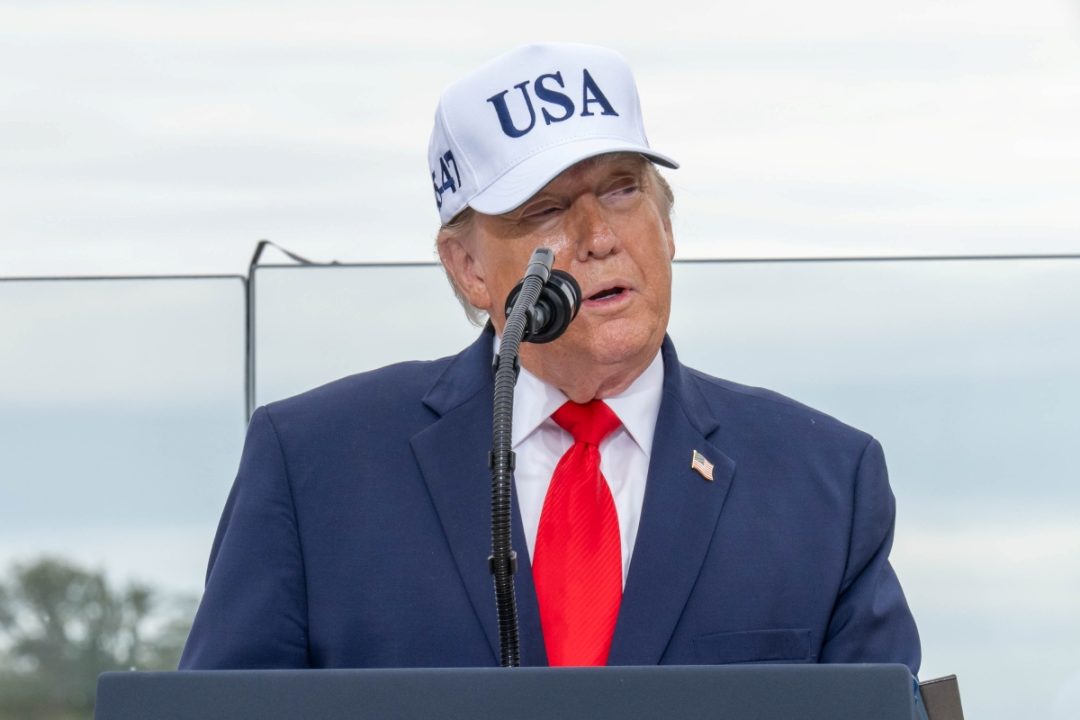
President Donald Trump sought billions of dollars from The Wall Street Journal for reporting on his alleged birthday letter to Jeffrey Epstein. Instead, he received a lesson in the First Amendment.
On Saturday, a federal judge dismissed Trump’s defamation lawsuit against the newspaper, media mogul Rupert Murdoch, and several other defendants. The judge accused the president of “grasping at straws” to discredit the newspaper’s investigation.
The ruling ends Trump’s case in district court, although his lawyers promise to appeal.
The Report
The controversy began on July 17, 2025, when The Journal reported that Trump’s name appeared on a letter included in Epstein’s 50th birthday album.
Ghislaine Maxwell, Epstein’s longtime associate and convicted accomplice, assembled the album in 2003. It contained messages from his wealthy and influential acquaintances.
According to the outlet,
The letter bearing Trump’s name, which was reviewed by the Journal, is bawdy — like others in the album. It contains several lines of typewritten text framed by the outline of a naked woman, which appears to be hand-drawn with a heavy marker. A pair of small arcs denotes the woman’s breasts, and the future president’s signature is a squiggly “Donald” below her waist[.]
The message presented an “imaginary conversation” between the two men.
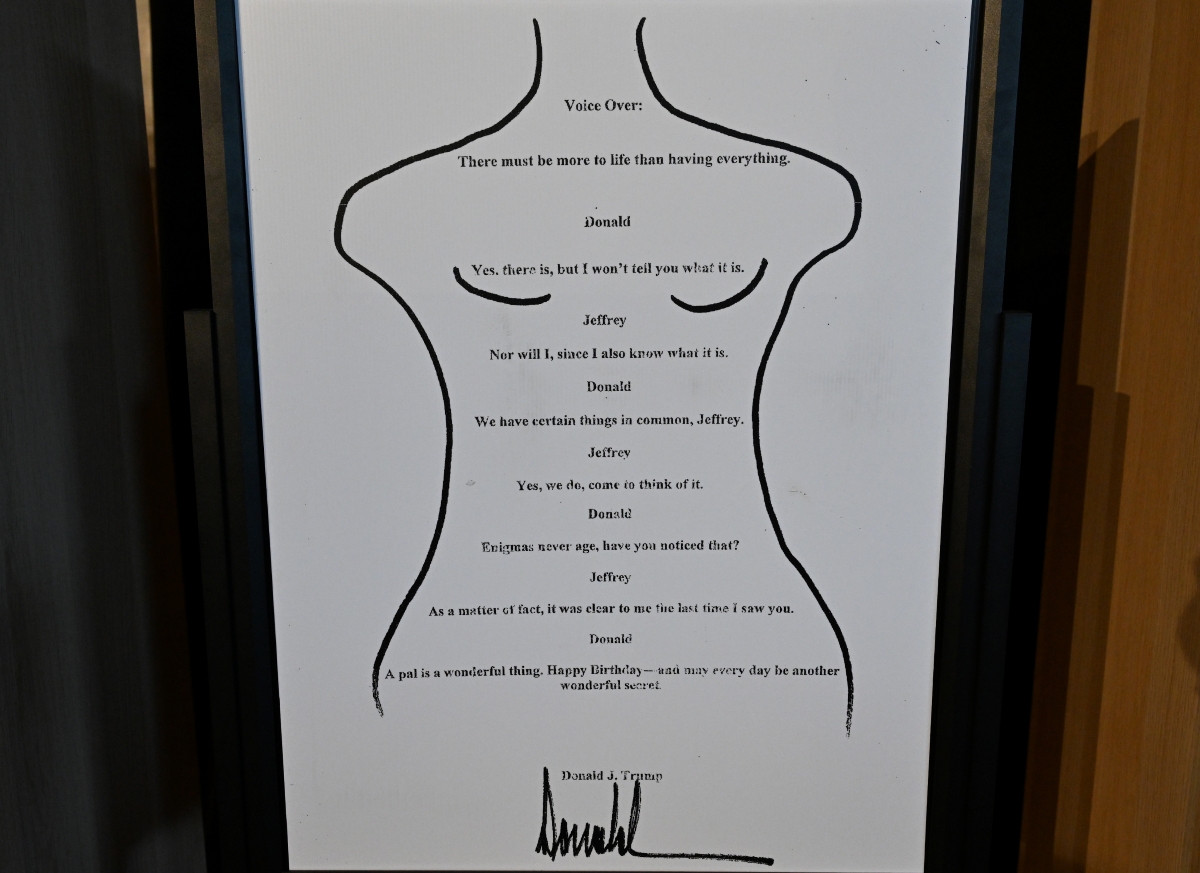
One passage read:
We have certain things in common, Jeffrey.
Another declared:
Enigmas never age, have you noticed that?
The letter concluded,
A pal is a wonderful thing. Happy Birthday — and may every day be another wonderful secret.
Trump vehemently denied writing or signing it.
“This is not me. This is a fake thing,” he told the newspaper before publication. He also denied drawing pictures of women and insisted the language was not his.
Trump personally contacted Murdoch to stop the story. Murdoch reportedly promised to “handle it,” but the newspaper published it anyway.
The following day, Trump filed suit against the publisher of The Journal , Dow Jones, News Corp., Murdoch, News Corp. executive Robert Thomson, and reporters Khadeeja Safdar and Joseph Palazzolo.
He sought at least $10 billion, alleging that the defendants knowingly published false and defamatory statements.
The Letter Emerges From Epstein’s Files
The controversy took a significant turn on September 8, 2025.
Following a congressional subpoena, Epstein’s estate provided his birthday album to the House Oversight Committee, which released the documents publicly .
The collection contained a letter matching the one Trump had denounced as fake.
Marked HOUSE_OVERSIGHT_000165, the document corresponded precisely to the Journal’ s earlier account, from the woman’s outline and the signature to the letter’s entire text.
The Journal subsequently published the image and compared its signature, typography, drawing style, and language with Trump’s previous communications.
The newspaper identified similarities in wording, including expressions Trump had used elsewhere.
The congressional release independently corroborated the existence of a matching document in Epstein’s birthday album.
The White House continued denying that Trump wrote, drew, or signed the letter.
Judge: Trump’s Denial Was Not Enough
U.S. District Judge Darrin Gayles first dismissed Trump’s complaint in April 2026. He allowed the president to amend it.
Trump submitted a revised complaint in May. The judge found its allegations equally insufficient.
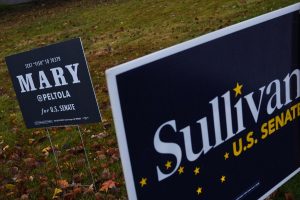
The 20-page ruling invoked the Supreme Court’s landmark 1964 decision in New York Times Co. v. Sullivan .
Under that precedent, public officials pursuing defamation claims must establish “actual malice.” They must show that defendants published statements they knew were false or acted with reckless disregard for whether they were false.
The standard concerns knowledge of probable falsity, not personal hostility.
Gayles found Trump’s allegations vague, conclusory, and sometimes inconsistent with the newspaper’s reporting.
He particularly rejected the argument that Trump’s denial should have prevented publication.
The judge explained that accepting such reasoning would effectively allow public figures to block unfavorable reporting simply by declaring it false.
That would contradict the First Amendment.
The Newspaper’s Investigation
Trump’s lawyers also challenged the Journal’s reporting methods.
They accused journalists of failing to verify the letter’s authenticity, investigate adequately, or consult important witnesses.
Gayles disagreed.
Before publication, the reporters contacted Trump, his representatives, Department of Justice (DOJ) officials, and the FBI.
They also sought comment from Maxwell, who did not respond. Other sources included Leslie Wexner, Alan Dershowitz, and individuals familiar with the album’s production.
The judge described their work as a “thoughtful and detailed investigation.”
Ironically, Trump himself had congratulated the very journalists he was suing.
On July 24, 2026, Safdar and Palazzolo were among the Journal reporters honored with the White House Correspondents’ Association’s Katharine Graham Award for Courage and Accountability for their Epstein reporting.
At the awards ceremony , Trump shook hands with the journalists onstage, even as his multibillion-dollar lawsuit remained pending.
Gayles also rejected Trump’s argument that journalists needed to possess a physical copy of the letter rather than examine it before publication.
Maxwell’s inability to recall Trump’s contribution likewise failed to establish that the reporters knowingly published false information.
The judge did not determine whether Trump authored the letter. In fact, he expressly declined to resolve factual disputes concerning the documents released by Epstein’s estate.
His ruling addressed whether Trump’s allegations met the constitutional requirements for proceeding with a defamation claim.
A First Amendment Question
The ruling carries implications beyond the Epstein controversy.
Gayles opened by quoting Supreme Court Justice Louis Brandeis, who warned against “silence coerced by law” and defended the Founders’ belief that “public discussion is a political duty.”
The judge also emphasized the chilling effect of expensive litigation, citing precedent warning that the costs of defending lawsuits through discovery could suppress free speech.
The First Amendment protects some inaccurate reporting, not merely perfectly accurate journalism. Otherwise, fear of litigation could suppress legitimate scrutiny of public officials.
That protection does not extend to knowingly or recklessly published falsehoods. But it requires public figures to satisfy demanding constitutional standards before pursuing damages.
Vows to Appeal
Gayles dismissed the lawsuit “with prejudice,” preventing Trump from revising and refiling the complaint in district court.
He also left open the possibility that Trump could be ordered to pay the defendants’ legal fees. The judge gave them 30 days to file a motion but made no ruling on their entitlement.
Trump’s lawyers promised to appeal:
The President will continue to hold those who mislead the American People with Fake News and smears accountable for their actions.
One can only wish the president showed the same determination to hold accountable those who enabled and participated in Epstein’s heinous crimes.
Related Articles:
Classified Epstein Files Surface Despite DOJ Denials. Why the National Security Secrecy?
Judge Orders DOJ to Release More Epstein Files, Including Some With Trump in Them