

If playback is interrupted, you can restart it.
With 3.9 million visitors and 18.6 million commercial overnight stays in the first ten months of 2026, Central Dalmatia is recording another strong tourism year. Polish travelers are among its most important customers. But what makes this Croatian region so attractive to Poland, how does it compare with competing Mediterranean destinations, and can its tourism industry overcome overcrowding, rising prices and seasonal dependence?
Poland’s growing love affair with Central Dalmatia
Croatia’s Central Dalmatia has become one of the Adriatic’s most attractive holiday regions for European travelers, with Poland playing a particularly important role.
According to figures attributed to Croatia’s eVisitor system and reported by Dalmatinski Portal, Split-Dalmatia County welcomed 3.9 million guests during January–October 2026, generating 18.6 million overnight stays in commercial accommodation.
That represents growth of 1% in arrivals and 0.5% in overnight stays compared with the same period in 2025.
Polish travelers are reported among the leading international markets, alongside visitors from Germany, Bosnia and Herzegovina, the United Kingdom and the Czech Republic, as well as domestic Croatian tourists.
However, the figures supplied do not establish Poland’s exact share of arrivals or overnight stays, or independently confirm that Poland ranked first. That distinction matters when assessing whether the region’s Polish market is growing faster than its competitors.
Why Polish tourists keep coming back
For many Polish holidaymakers, Central Dalmatia offers a compelling combination of accessibility, familiarity and Mediterranean scenery.
The Croatian coastline has long been a favored summer destination for Central European families, particularly those traveling by car. From southern Poland, the Adriatic is reachable through established road corridors via Slovakia, Hungary, Austria or Slovenia, depending on the departure point.
Driving offers families considerable flexibility. They can bring luggage, beach equipment and food, and choose apartments instead of traditional hotels. The availability of self-catering accommodation is particularly relevant for travelers planning longer stays or managing family budgets.
Central Dalmatia also provides a combination that many competing destinations struggle to match: dramatic mountains rising directly above the Adriatic, historic towns, accessible islands and an extensive network of beaches.
The Makarska Riviera, including Brela, Baška Voda, Tučepi and Makarska, is particularly attractive to visitors seeking clear water, seaside promenades and mountain scenery.
Unlike some Mediterranean resorts dominated by large all-inclusive hotel complexes, much of the region’s accommodation consists of private apartments, guesthouses, villas and smaller hotels.
This lets travelers experience local communities, but it also raises questions about housing affordability and coastal towns’ growing dependence on short-term rentals.
What visitors discover beyond the beaches
The Dalmatian hinterland adds another dimension through rural tourism, hiking, cycling, traditional food and landscapes that remain less internationally recognized than the coastline.
For repeat Polish visitors, these alternatives may be increasingly important. Returning to Croatia no longer necessarily means spending every day on the same beach.
What tourists like less: prices, crowds and infrastructure
Central Dalmatia’s popularity creates challenges that tourism promotion cannot ignore.
During July and August, traffic congestion along coastal roads, parking shortages and crowded beaches can significantly affect the visitor experience. Split’s historic center and popular island destinations face particular pressure during peak periods.
Prices are another concern. Croatia’s adoption of the euro in 2023 made spending comparisons easier for European visitors, but accommodation, restaurants, parking and beach-related services can be expensive during the high season.
For Polish families comparing holiday costs, a privately rented Dalmatian apartment is not automatically cheaper than a package holiday in Turkey, Greece or Albania.
Other possible disappointments include pebble and rocky beaches rather than soft sand, steep approaches to some waterfront accommodation, and uneven standards among privately operated rentals.
These issues do not necessarily discourage repeat visits, but they make value for money increasingly important.
Central Dalmatia must also balance tourism expansion with the needs of residents, particularly in communities where seasonal rentals compete with year-round housing.
Who else visits Central Dalmatia?
The visitor mix shows how strongly Central Dalmatia depends on European markets, especially Central Europe.
An August 2026 report by Croatian tourism publication HrTurizam confirmed that Poland and Germany were the two leading source markets for overnight stays during the first seven months of 2026. HrTurizam
Split-Dalmatia County tourism performance, January–October 2026
Central Dalmatia Tourism Performance 2026
Source: eVisitor data reported for Split-Dalmatia County, January–October 2026.
The leading markets have different travel characteristics. Poland, Germany and the Czech Republic contribute to the region’s established driving-holiday market. Bosnia and Herzegovina provides important regional demand, while British visitors benefit from air connectivity and Split’s international profile. Domestic Croatian travelers contribute across different seasons.
The source-market ranking should not be confused with exact market shares. A complete country-by-country 2026 breakdown, including arrivals, overnight stays and year-on-year changes, was not available from the reviewed material.
Central Dalmatia’s competitors are becoming stronger
Central Dalmatia’s Main Tourism Competitors
| Destination | Competitive Advantages |
|---|---|
| Albanian Riviera | An increasingly visible competitor for travelers seeking Adriatic scenery and potentially lower accommodation and restaurant costs, although infrastructure and service standards vary. |
| Halkidiki, Greece | Competes for families with beach resorts, sandy shorelines and an extensive choice of hotels and holiday apartments. |
| Antalya, Turkey | Strong in package holidays and all-inclusive resorts, providing families with predictable overall holiday costs. |
| Istria, Croatia | A domestic competitor offering shorter driving distances from parts of Central Europe, established hospitality infrastructure and strong gastronomy. |
For Central Dalmatia, the competitive question is no longer simply whether tourists want to visit Croatia. It is whether the experience justifies the price compared with increasingly attractive alternatives.
Can gastronomy transform the 2027 tourism season?
Central Dalmatia has officially received the European Region of Gastronomy 2027 designation from the International Institute of Gastronomy, Culture, Arts and Tourism (IGCAT). The award recognizes its culinary heritage and work connecting food, agriculture, education and sustainable tourism.
Local specialties include seafood, black risotto, traditional peka dishes, prosciutto, olive oil, regional wines and the Dalmatian marenda meal tradition.
The tourism board is seeking to build more year-round experiences through food festivals, cultural programming, outdoor activities and events in inland communities.
November initiatives include Grand Gourmet in Omiš, the Dalmatina honey fair in Dugopolje, wine-focused Zinfest in Kaštela, and rafting and trail-running activities around the Cetina region.
But the real test is whether restaurants, accommodation providers, transport operators and attractions can cooperate to create commercially viable experiences beyond the summer.
The next challenge: More tourism, or better tourism?
For Central Dalmatia, Poland represents more than a successful source market. It demonstrates the region’s continuing strength among travelers who value independence, accessibility, coastal landscapes and repeatable holiday experiences.
Yet growth of just 0.5% in overnight stays suggests a relatively mature destination rather than an explosive expansion.
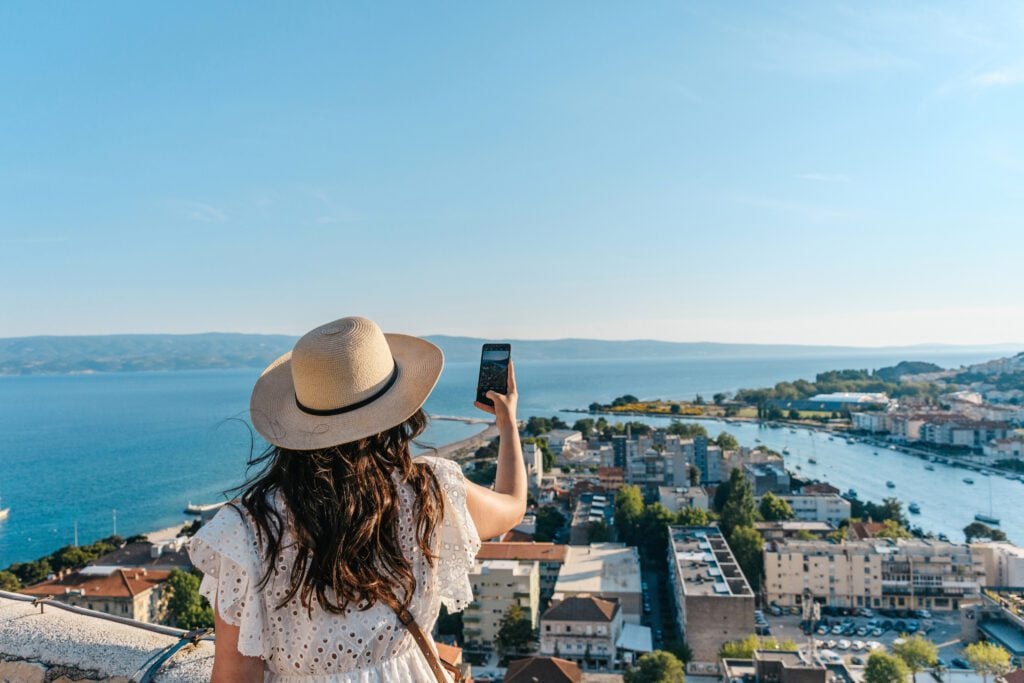
The next opportunity may lie in encouraging longer shoulder-season visits, spreading tourism inland, improving price transparency and developing experiences that deliver measurable benefits to local communities.
The unanswered question is whether Central Dalmatia can preserve the authenticity that attracted Polish and other European travelers in the first place while continuing to expand its tourism economy.
Its success in 2027 may depend less on how many additional visitors arrive than on whether both visitors and residents believe the destination is becoming better.




Leave a Comment