
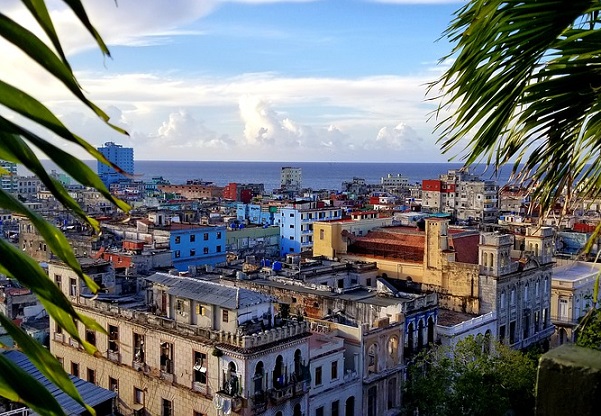
Havana, Cuba —Cuba is grappling with an unprecedented aviation fuel crisis after informing international carriers it cannot provide jet fuel at its airports through at least March 11, triggering flight cancellations and deepening pressure on the travel and tourism sector. The move stems from a severe energy shortage tied to intensified U.S. sanctions and a halt in oil supplies, leaving Cuba’s tourism-dependent economy in jeopardy.
Airlines Cancelling or Altering Flights
The jet fuel cut-off has already forced major changes:
- Air Canadahas suspended all flights to Cuba, affecting about 3,000 passengers who are being repatriated.
- Canadian carriers WestJet and Air Transathave also canceled or altered service amid concerns about fuel availability.
- Spanish airline Air Europaand others are planning technical fuel stops in neighbouring countries like the Dominican Republicto maintain operations.
- Some U.S. carriers continue flying because they typically depart with enough fuel for round-trip flights, though uncertainty remains.
Tourism and Small Business Pain
Tourism — once generating over $3 billion annually — is facing a critical downturn:
- Resort closures and consolidated guest stays are already occurring as fuel shortages constrain transport, electricity generation and service delivery.
- Small businesses, such as independent guesthouses, restaurants, tour operators and market vendors, are feeling the impact as fewer visitors arrive and local commerce slows. These enterprises rely heavily on steady tourist spending to pay for essentials like food, fuel and supplies.
- Transportation services (taxis, buses), local guides and cultural attractions are also struggling to maintain operations, threatening jobs and household incomes in communities that depend on tourism.
Tourism Resilience Efforts
Despite the challenges, Cuban tourism officials and operators are trying to adapt:
- Efforts are underway to promote cultural and community-based tourismofferings that rely less on imported fuel, emphasizing heritage tours, eco-tourism and shorter regional experiences.
- Some hotels are enhancing energy efficiency and utilising backup power systems to maintain guest services, while diversifying source markets to include nearby Caribbean travellers who can arrive via ferries or multi-stop air routes.
- Industry leaders stress the resilience of Cuba’s cultural appeal and natural beautyas assets that can help the destination rebound once logistical bottlenecks ease.
Regional Refuelling and the Jamaica or Cayman Islands Question
With Cuba unable to supply aviation fuel, attention has turned to neighbouring states:
- Caribbean islands such as Jamaicaor the Cayman Islandscould theoretically allow flights to refuel there en route to or from Cuba, providing an alternative for airlines and helping sustain connectivity. Some airlines have already announced plans to stop in nearby countries like the Dominican Republic for fuel.
- However, practical and diplomatic challenges persist. Latin American countries have already shown reluctance to ship fuel directly to Cuba because of U.S. threats of tariffs and sanctions.
- In this climate, regional coordination becomes complex: a move by Jamaica, Cayman Islands or other neighbours to become a key refuelling hub for Cuban flights could attract Washington’s diplomatic or economic pressure, depending on U.S. policy enforcement. Such risks make governments cautious, even as tourism and economic interests push for solutions.
Role for GTRMC?
Entities like the Global Tourism Resilience and Crisis Management Centre (GTRMC)— an organization based in Jamaica dedicated to enhancing Caribbean tourism resilience — could potentially play a role in coordinating responses:
- Advocacy and policy forums:GTRMC could bring together tourism ministers, aviation authorities, and regional airlines to explore safe refuelling alternativesand shared contingency plans without escalating geopolitical tensions.
- Best-practice frameworks:The centre could support Caribbean destinations in developing multilateral infrastructure agreements, emergency tourism continuity protocols, and fuel-sharing arrangements that respect international legal constraints.
- Capacity building:Training and advisory support to small businesses and travel operators on crisis adaptation, market diversification, and digital engagement could improve resilience across the region.
However, GTRMC’s involvement would be largely technical and diplomatic;it cannot override national policy decisions or shield member states from potential external pressure. Whether U.S. influence on regional energy policywould deter Jamaica or others from acting remains a key question. Past reactions to U.S. threats have shown neighbouring countries often choose cautious engagement over direct assistance that might trigger punitive measures.
Why the U.S. Cut Off Fuel — and the Geopolitical Backdrop
The fuel crisis is rooted in a broader U.S. strategy to exert economic pressure on Cuba:
- The Trump administration has blocked oil shipments from Cuba’s traditional suppliers, especially Venezuela, and imposed the threat of tariffs on nations that provide fuel to Havana — effectively isolating the island’s energy supply chain. (
- U.S. officials say the pressure campaign aims to encourage political and economic reforms in Cuba, although critics argue it deepens hardship for ordinary citizens more than it influences government policy.
- Russia and other allies have publicly criticized U.S. tactics, asserting that Cuba’s energy challenges are being exacerbated by external coercion.
What’s Ahead for Cuba’s Tourism Sector
With jet fuel supplies constrained for at least several weeks, the tourism sector faces sustained disruption. Flights rerouting for refuelling, reduced arrivals, and economic pressure on small enterprises risk further contraction. But with adaptive strategies, regional cooperation platforms and renewed focus on sustainable tourism, Cuba and its Caribbean neighbours could find ways to navigate the crisis and preserve connectivity long after the immediate shortages subside.




Leave a Comment