
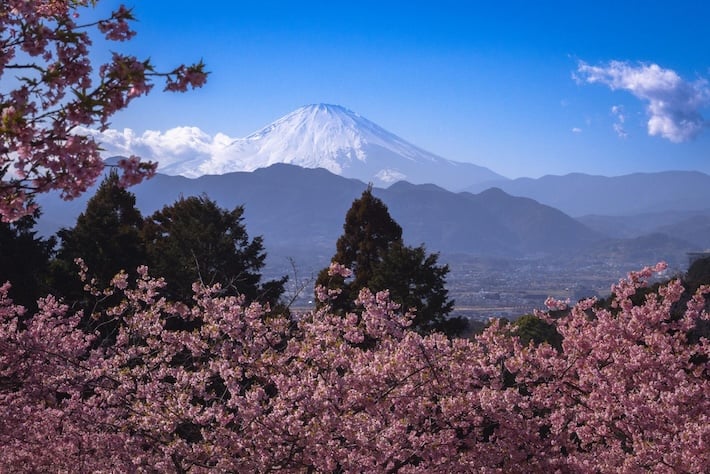
TOKYO –Each spring, Japan experiences one of the world’s most recognizable natural events: the blooming of cherry blossoms, known as sakura. In 2026, the annual spectacle is expected to arrive slightly earlier than usual, as warmer temperatures in February and March accelerate the flowering of Japan’s famous trees.
For Japan, the cherry blossom season is far more than a picturesque moment. It is a cultural tradition spanning centuries, a major tourism driver, and a powerful symbol of renewal marking the start of a new year in Japanese society.
The 2026 Cherry Blossom Forecast
According to updated forecasts from the Japan Meteorological Corporation, cherry blossoms are expected to begin blooming earlier than the historical average across much of the country.
The “sakura front”—the wave of blooming trees that gradually moves north across the archipelago—is projected to follow this timeline:
- Nagoya:around March 17
- Kōchi:around March 18
- Tokyo and Fukuoka:around March 20
- Kyoto and Osaka:late March
- Sendai:early April
- Sapporo (Hokkaido):late April to early May
The blossoms typically reach full bloom about a week after the first flowers open, but the peak viewing window usually lasts only one week, making the event both fleeting and highly anticipated.
Forecasts are based primarily on observations of the Somei Yoshino cherry tree, the most common variety planted at roughly 1,000 monitoring sites across Japan.

A Tradition More Than 1,000 Years Old
Cherry blossom viewing—known as hanami—dates back more than a millennium. During the Heian period (794–1185), aristocrats gathered beneath the blossoms to compose poetry, drink sake, and celebrate the arrival of spring.
Today, hanami remains one of Japan’s most beloved seasonal traditions. Families, friends, and co-workers gather under blooming trees in parks, along rivers, and in temple gardens for picnics and evening celebrations known as yozakura, where blossoms are illuminated at night.
Beyond the festivities, the sakura holds deep symbolism. The short-lived bloom represents the transience of life, renewal, and the beauty of impermanence—concepts deeply rooted in Japanese philosophy and aesthetics.
One of the World’s Biggest Seasonal Tourism Events
Cherry blossom season has evolved into one of Japan’s most powerful tourism magnets.
Every year, millions of visitors—from across Asia, North America, Europe, and Australia—plan trips specifically around the bloom. Major viewing destinations include:
- Tokyo’s Ueno Parkand Chidorigafuchi moat
- Kyoto’s Philosopher’s Pathand Maruyama Park
- Mount Yoshinoin Nara, home to tens of thousands of cherry trees
- Historic castle sites such as Himejiand Hirosaki
Travel demand peaks between late March and early April, when the blossoms reach central Japan’s most popular cities.
The economic impact is significant, driving demand for hotels, domestic rail travel, guided tours, seasonal food festivals, and cultural events.
A Season That Signals New Beginnings
For Japanese citizens, sakura season coincides with important life milestones.
Japan’s school year and corporate fiscal year begin in April, aligning graduations, hiring ceremonies, and new academic terms with the flowering trees. This timing reinforces the blossoms’ symbolism of fresh starts and renewal.
Many cities and temples have planted cherry trees for centuries, intentionally creating landscapes where the blossoms frame shrines, castles, and historic streets—turning the entire country into a seasonal gallery of nature and heritage.
Climate Change and the Future of Sakura
Scientists are increasingly studying how warming temperatures are affecting Japan’s cherry blossom calendar.
Recent forecasts indicate that higher-than-average temperatures in late winter can lead to earlier flowering, a trend that has been observed in recent decades.
While earlier blooms can benefit early-season tourism, they also create challenges for event organizers and travelers trying to predict the exact peak viewing window.
Japan’s tourism authorities are responding by promoting lesser-known sakura destinations across rural regions to ease crowding in major cities like Tokyo and Kyoto.
A Brief Moment That Captures the World
Despite lasting only days, cherry blossoms have become one of Japan’s most powerful global symbols.
From Tokyo’s urban parks to remote mountain temples, the blossoms transform landscapes across the country before falling like soft pink snow in a matter of days.
For residents and visitors alike, sakura season represents a uniquely Japanese moment: a celebration of beauty, impermanence, and the arrival of spring—shared with millions of travelers who return every year to witness the bloom.








Leave a Comment