

If playback is interrupted, you can restart it.
Aqaba, Jordan-Jordan is sending a clear message to the global travel industry: the Kingdom is looking forward.
While geopolitical tensions continue to dominate headlines across parts of the Middle East, Jordan is focusing on what it does best—welcoming visitors, protecting its extraordinary heritage, and investing in sustainable tourism that benefits both local communities and future generations.
That vision received a major international endorsement this week as the Aqaba Marine Reserveofficially joined UNESCO’s prestigious World Heritage List, giving Jordan its newest globally recognized tourism treasure and further strengthening the country’s position as one of the region’s leading sustainable tourism destinations.
At a press conference in Aqaba, Shadi Majali, Chief Commissioner of the Aqaba Special Economic Zone Authority (ASEZA), confirmed that the authority’s plans for the marine reserve remain firmly on track.
“Our strategy remains clear and integrated,” Majali said. “There is no need to modify our plans.”
Instead, ASEZA is preparing for growth.

Tourism Continues to Move Forward
Jordan’s tourism authorities have consistently emphasized that the Kingdom remains open to visitors, with hotels, archaeological sites, transportation providers, diving centers, restaurants, and tourism businesses continuing to welcome international guests while authorities closely monitor regional developments.
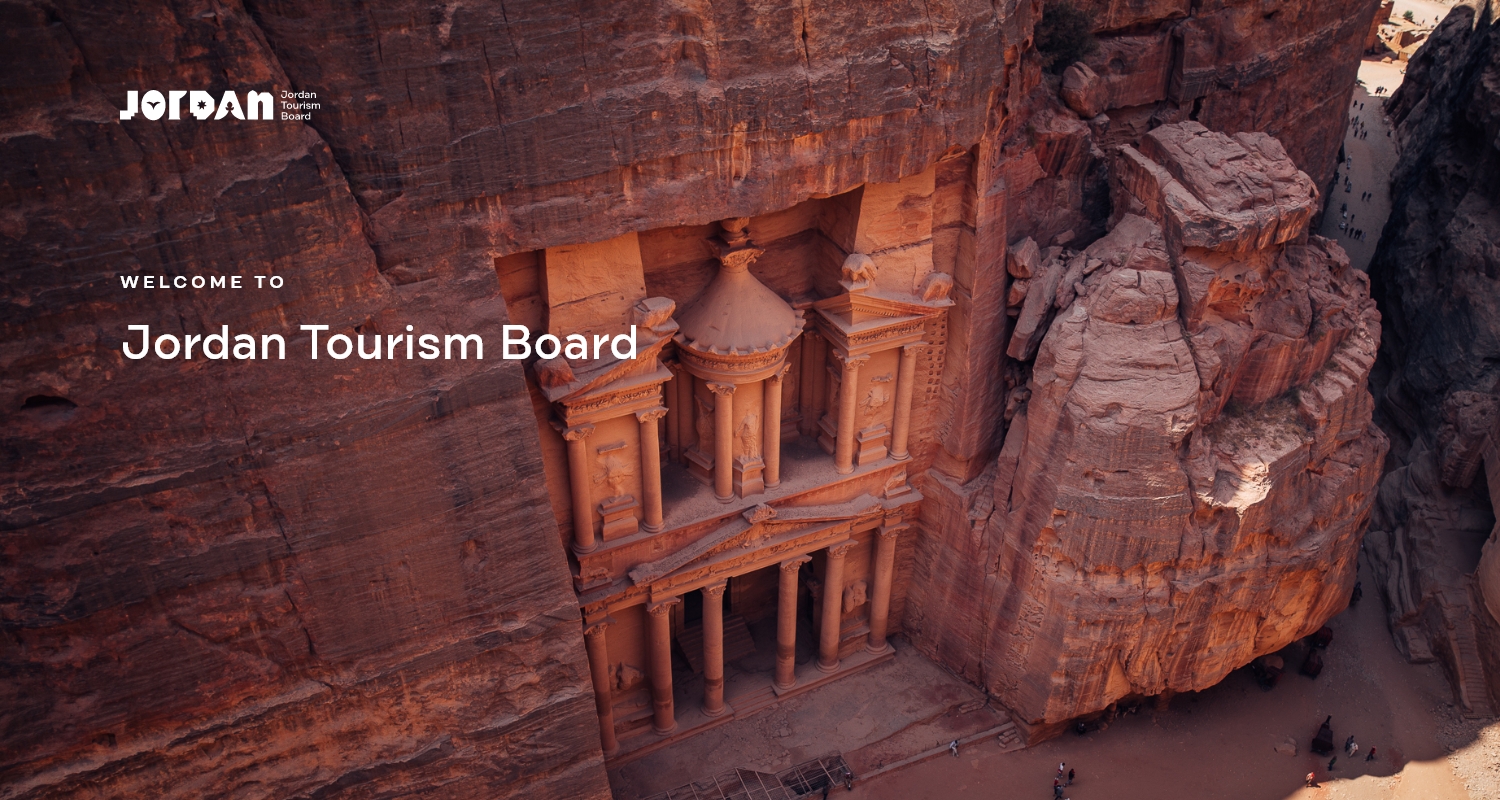
For Jordan’s tourism sector, the focus is not on regional uncertainty but on building confidence, expanding tourism opportunities, and showcasing the country’s remarkable diversity—from the ancient city of Petra and the biblical landscapes of the Jordan Valley to the spectacular deserts of Wadi Rum and the coral reefs of the Red Sea.
The UNESCO designation for Aqaba represents another important milestone in that long-term strategy.
A Global Honor for Aqaba
Majali described UNESCO’s decision as a landmark achievement that places Aqaba among the world’s most important natural heritage destinations.
“This is a significant national accomplishment,” he said.
The authority expects international recognition to increase visitor interest in Aqaba’s unique marine environment.
To accommodate future demand, ASEZA is enhancing transportation links to the reserve while expanding international marketing efforts that will promote Aqaba as one of the Red Sea’s premier eco-tourism destinations.
Officials also intend to distribute visitor activity across multiple coastal areas, reducing pressure on the city’s central beaches while improving the overall visitor experience.
Environmental education will become an even greater priority, encouraging tourists and residents alike to participate in protecting one of the world’s most resilient coral reef ecosystems.
Divers and Fishermen Become Conservation Partners
For Nasser Zawaydeh, Director of the Aqaba Marine Reserve, conservation begins with the local community.
“Our divers and fishermen are consistently keen to conserve this environment because it forms the cornerstone of their economic activity,” he said.
Rather than simply regulating marine users, reserve managers actively involve fishermen and diving operators in environmental management.
Joint working groups encourage cooperation while strengthening sustainable management of marine resources.
The reserve also works closely with Jordan’s Royal Naval Force and ASEZA to protect marine biodiversity throughout the protected area.
A Model for Sustainable Tourism
One of the reserve’s most successful conservation programs remains its annual four-month fishing closure during spawning and breeding seasons.
The seasonal ban follows internationally recognized conservation standards and has received widespread support from local fishing communities.
ASEZA further strengthens the program by financially compensating fishermen during the closure period—an initiative that both protects livelihoods and safeguards marine ecosystems.
According to Zawaydeh, the results have exceeded expectations.
Following the reopening of the fishing season, local fishermen, diving centers, and marine researchers have reported healthier fish populations, greater species diversity, and the return of several rare marine species that had not been observed in Aqaba’s waters for nearly thirty years.
Fishermen themselves have become active environmental stewards, helping rescue turtles and dolphins while reporting incidents that threaten marine life. It is an example of conservation and tourism working hand in hand.
Aqaba: The Red Sea’s Hidden Gem
Often overshadowed by better-known Red Sea destinations, Aqaba has quietly become one of the region’s most attractive year-round resort cities.
Visitors discover crystal-clear waters, colorful coral reefs, luxury beachfront resorts, world-class scuba diving, sailing, snorkeling, desert adventures, and authentic Jordanian hospitality—all within easy reach of Petra and Wadi Rum.
The Gulf of Aqaba is internationally recognized for its exceptional coral reefs, many of which have demonstrated remarkable resilience to warming sea temperatures, making the area increasingly important for marine research as well as tourism.
More Than Petra
Although Petra remains Jordan’s iconic attraction, the Kingdom offers far more than a single archaeological wonder.
Travelers can float in the mineral-rich waters of the Dead Sea, explore the remarkably preserved Roman city of Jerash, visit the baptism site of Jesus at Bethany Beyond the Jordan, experience Bedouin culture beneath the stars in Wadi Rum, or discover the vibrant culinary and cultural life of Amman.
Jordan’s relatively compact geography allows visitors to experience ancient history, religious heritage, adventure tourism, wellness, ecotourism, and Red Sea diving within a single itinerary.
Confidence for the Travel Industry
For international tour operators, airlines, travel advisors, and meeting planners, Jordan’s message is one of continuity and confidence.
The Kingdom continues investing in tourism infrastructure, heritage conservation, environmental protection, and visitor experiences despite regional challenges.
The UNESCO recognition of the Aqaba Marine Reserve illustrates that long-term vision.
Rather than allowing uncertainty to define its future, Jordan is investing in sustainability, innovation, and responsible tourism—strengthening its position as one of the Middle East’s most diverse and rewarding destinations.
For travelers seeking history, culture, adventure, nature, and genuine hospitality, Jordan is looking ahead—and inviting the world to join it.




Leave a Comment