

WTTC’s steady stream of new members and Destination Partners is becoming a story of its own — and Malta may be one of its most logical additions yet.
VALLETTA, Malta —The World Travel & Tourism Council (WTTC) has welcomed the Malta Tourism Authority (MTA) as its newest Destination Partner, adding one of Europe’s most tourism-driven and progressive island nations to an organization experiencing remarkable membership momentum.
The announcement comes at an ideal time. From October 7–9, Valletta will host the 26th WTTC Global Summit, bringing CEOs, government ministers, investors and tourism leaders from around the world to discuss the future of Travel & Tourism.
And Malta joining WTTC should perhaps surprise no one.
WTTC membership is becoming a story in itself
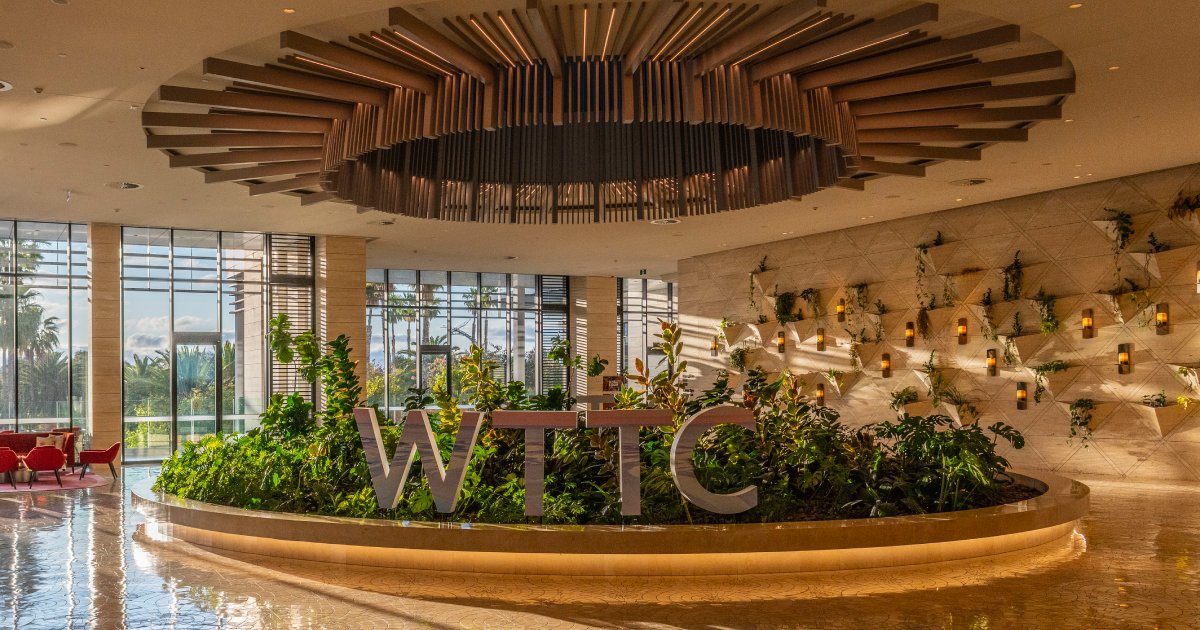
Hardly a week seems to pass without another significant company, tourism organization or destination joining or expanding its relationship with WTTC.
In August alone, Grupo Brisas joined as a Regional Member, the Egyptian Tourism Authority became a Destination Partner and Piñero joined as a Global Member. This follows other recent additions and reflects an organization that appears to be strengthening its reach across both the private and public sides of tourism.
This steady stream of announcements matters.
WTTC is not simply another tourism association. It is the global body representing the private Travel & Tourism sector, bringing together chairpersons, presidents and CEOs from many of the world’s leading tourism businesses. WTTC says its members represent more than 200 CEOs, Chairs and Presidents from across the global industry.
Increasingly, however, destinations are joining that conversation.
Malta is the latest example, but certainly not the only one. Egypt joined WTTC as a Destination Partner on August 13, Switzerland Tourism joined in May, and the Uganda Tourism Board became a Destination Partner in April.Their reasons are remarkably consistent: closer access to international tourism leaders, greater public-private collaboration, knowledge exchange, sustainable growth and a stronger voice in shaping the industry’s future.
That is an important trend.
Many of tourism’s biggest challenges — geopolitical instability, sustainability, aviation connectivity, investment, taxation, technology, workforce shortages and border policies — cannot realistically be addressed by governments and businesses operating in separate rooms.
Destinations want a seat at the same table as the private sector.
WTTC is increasingly providing that table.
The almost continuous arrival of new members and Destination Partners can therefore be viewed as a vote of confidence in WTTC’s relevance, its global network and the benefits tourism leaders see in being part of it.
Malta is a natural fit
Malta isn’t joining WTTC as a tourism newcomer.
This small EU island nation has repeatedly demonstrated an ability to punch considerably above its geographic size in international tourism.
Malta has aggressively diversified its tourism markets and connectivity while developing a powerful international identity extending far beyond the traditional Mediterranean sun-and-sea vacation.
It has built a particularly strong reputation as an LGBTQ+-friendly destination while successfully marketing its culture, extraordinary history, gastronomy, diving, events, luxury experiences, English-language accessibility and Mediterranean lifestyle. For Malta, tourism isn’t a side business.
WTTC forecasts Travel & Tourism will contribute US$4.9 billion to Malta’s economy in 2026, equivalent to 16.9% of GDP, while supporting 72,200 jobs — more than one in five jobs nationwide.International arrivals have risen from 2.75 million in 2019 to four million in 2025.
That makes having a direct seat within WTTC’s international network particularly relevant.
Malta: WTTC membership comes at the right moment
Jo Etienne Abela, Minister for Tourism, said:
“Malta’s partnership with the World Travel & Tourism Council comes at an important moment for our tourism sector and for our country as we prepare to welcome the world to Valletta for the 2026 Global Summit. This Destination Partnership strengthens Malta’s engagement with leading voices in the global tourism industry and provides an important platform to share our experience, while also learning from international partners and identifying new opportunities for sustainable growth. We want Malta to remain a destination that offers quality, authenticity and memorable experiences, while ensuring that tourism continues to create value for our economy, our communities and future generations. Hosting the WTTC Global Summit is a recognition of Malta’s growing role on the international tourism stage, and we look forward to using this opportunity to showcase the very best of the Maltese Islands and our vision for the future of tourism.”
Gloria Guevara welcomes Malta
WTTC President & CEO Gloria Guevara welcomed Malta at what could hardly be a more strategically important moment for both organizations.
Gloria Guevara said:
“We are delighted to welcome the Malta Tourism Authority as a Destination Partner at a particularly exciting time for the destination. As Malta prepares to host WTTC’s Global Summit in Valletta, it will have the opportunity to showcase its unique heritage, hospitality, and vision for sustainable growth to industry leaders from around the world. We look forward to working together to highlight Malta’s position as one of Europe’s most compelling tourism destinations.”
The partnership also fits WTTC’s increasingly important role as a bridge between governments, destinations and the global private tourism sector.
That bridge matters more than ever as Travel & Tourism navigates geopolitical tensions, economic uncertainty, climate pressures and rapidly evolving technology.
A direct line to global tourism decision-makers

For the Malta Tourism Authority, becoming a Destination Partner means more than adding another international organization to its list of affiliations.
It provides direct access to many of the people making the biggest decisions affecting global tourism.
Carlo Micallef, Malta Tourism Authority CEO, said:
“Becoming a Destination Partner with the WTTC is a major step for the Malta Tourism Authority. This partnership gives Malta a direct platform to connect with top decision-makers across the global travel industry. As we prepare to host the 2026 Global Summit in Valletta, aligning with the WTTC highlights our strong commitment to continue developing a sustainable and resilient tourism industry for the Maltese Islands building on the unique experiences and rich heritage that only Malta can offer.”
Valletta becomes the center of global tourism
When the WTTC Global Summit opens October 7, Malta will temporarily become the meeting room for some of the world’s most influential tourism decision-makers.
The timing is consequential.
Travel & Tourism continues to grow while operating against an unsettled geopolitical backdrop. Wars and regional tensions, changing trade relationships, economic uncertainty, climate pressures and technological disruption are challenges no airline, hotel company, cruise operator, tourism board or government can address entirely on its own.
That makes WTTC’s public-private model increasingly relevant.
There is another striking indication of WTTC’s growing attraction to destinations: a record 15 destinations across four continents have formally expressed interest in hosting future WTTC Global Summits.They include the Bahamas, Bahrain, Canada, Colombia, Greece, India, Indonesia, Japan, Mexico, Monaco, Morocco, Puerto Rico, South Korea, Türkiye and the United States.
For Malta, Destination Partner status puts the country more firmly inside the global tourism conversation.
For WTTC, Malta adds a destination that can point to real tourism successes — expanding connectivity, market diversification, strong international positioning and the ability of a small country to compete effectively on the world tourism stage.
WTTC was built around the proposition that the world’s most influential private Travel & Tourism leaders are stronger when they speak collectively.
The growing participation of destinations is adding another dimension:
The private sector needs destinations. Destinations need the private sector. And both need a credible global platform where they can advocate, collaborate and work together.
The steady arrival of new WTTC members and Destination Partners may be the strongest indication that the global Travel & Tourism community continues to see value and trust in that proposition.
Malta is the latest — and one of the most logical — to join.







Leave a Comment