

For years, Malta has pursued an ambitious strategy to elevate its position from a popular Mediterranean destination to one of the world’s most influential tourism hubs. This October, that vision reaches another milestone as the World Travel & Tourism Council (WTTC) brings its prestigious Global Summit to Valletta, placing the island nation at the very center of global tourism decision-making.
Hosting WTTC’s Global Summit from October 7-9 is more than another international conference for Malta. It is a powerful statement about the country’s growing influence within the global travel ecosystem.
Bringing together the world’s most powerful private-sector tourism executives, government ministers, investors, and industry innovators effectively transforms Valletta into the global capital of tourism for three days. For Malta, a nation of just over half a million residents, the event validates years of strategic investment, destination development, and international positioning.
A Long-Term Strategy Paying Off
Malta Tourism Authority’s aggressive international growth strategy has been evident for more than a decade. The country has steadily expanded air connectivity, diversified source markets, invested in cultural and heritage tourism, strengthened its cruise sector, developed luxury offerings, and positioned itself as a year-round destination rather than a seasonal sun-and-sea destination.
The results are impressive.
International arrivals have increased from 2.75 million visitors in 2019 to four million in 2025. The destination has also successfully diversified its visitor base, with the United Kingdom accounting for 21% of arrivals, followed by Italy at 15%, Poland at 10%, and France and Germany each contributing 7%.
According to WTTC’s latest Economic Impact Research, Malta’s Travel & Tourism sector is forecast to contribute US$4.9 billion to the economy in 2026, representing 16.9% of GDP. The industry is expected to support 72,200 jobs across the country—equivalent to more than one in every five jobs nationwide.
International visitor spending is projected to exceed US$4 billion in 2026, up from US$3.9 billion in 2025, while long-term forecasts suggest tourism’s contribution to Malta’s economy will grow to US$6.5 billion by 2036, supporting more than 90,000 jobs.
These numbers underscore Malta’s transformation into one of Europe’s most tourism-driven economies and explain why the destination has become increasingly influential on the international stage.
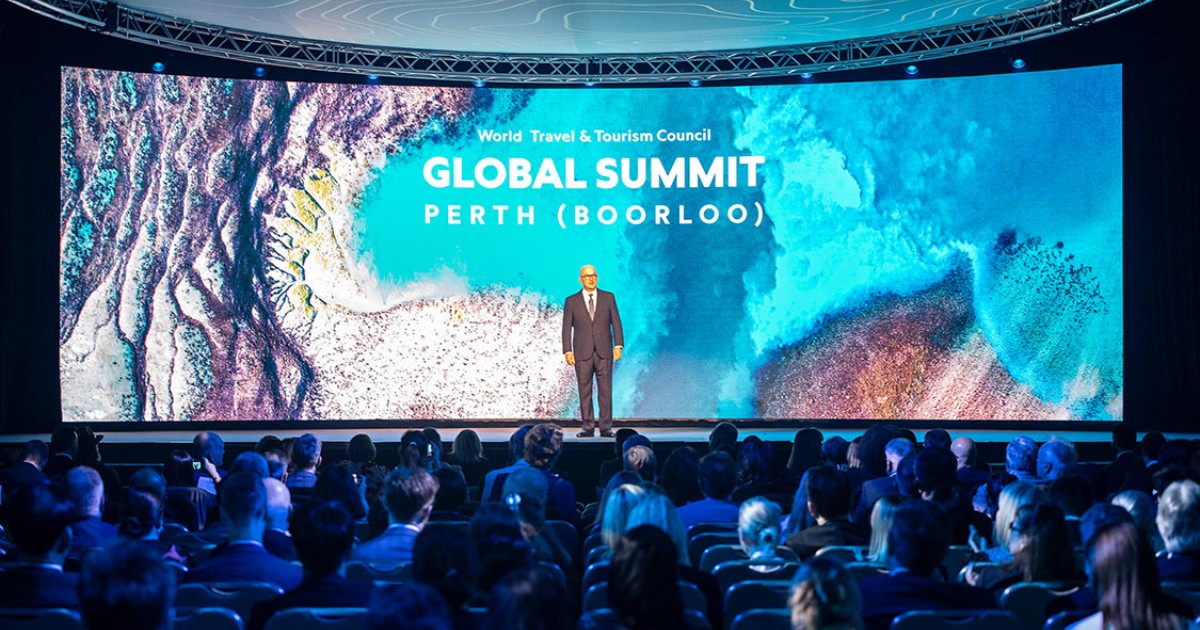
Why WTTC Chose Malta
The WTTC Global Summit is widely regarded as the premier gathering of global travel and tourism leaders. The event convenes CEOs, government ministers, investors, innovators, and industry stakeholders to address the opportunities and challenges shaping the future of travel.
This year’s choice of Valletta is significant.
Malta has become an example of how destinations can successfully balance tourism growth, economic impact, sustainability, and visitor experience. The country’s ability to deliver year-round tourism while maintaining strong growth has attracted increasing attention from global industry leaders.
WTTC President & CEO Gloria Guevara believes Malta represents exactly the type of destination that is helping shape the future of tourism.
“Valletta provides an extraordinary setting for the conversations that will define the future of global Travel & Tourism. As one of Europe’s most historic and vibrant capitals, it offers the ideal backdrop for leaders to come together and explore the opportunities and challenges shaping the sector’s future and unlock new opportunities for sustainable growth.
“This event will be hosted in collaboration with the Malta Tourism Authority and the Government of Malta.
“Malta represents exactly the kind of destination that is helping shape the future of Travel & Tourism. The country stands not only as a host nation, but as a destination that demonstrates how Travel & Tourism can drive prosperity, create opportunities and deliver long-term value for communities and businesses alike.
“With the sector set to support one in five jobs and contribute close to 17% of GDP, Malta demonstrates the transformative power of Travel & Tourism when it is guided by strategic vision, collaboration and innovation.
“We look forward to welcoming leaders from across the global Travel & Tourism sector to Malta this October for WTTC’s Global Summit.”
Her comments reinforce Malta’s emergence as more than a successful destination. The country is increasingly viewed as a model for tourism-led economic development and a place where public-private cooperation delivers measurable results.
A Validation of Malta’s Tourism Vision
For the Maltese government, hosting WTTC’s flagship event represents international recognition of a strategy that has been years in the making.
Deputy Prime Minister and Minister for Health Hon. Ian Borg described the summit as a reflection of Malta’s confidence in its tourism sector and its future potential.
“When Malta committed to hosting WTTC’s Global Summit, it reflected our confidence in the strength of our tourism sector and our belief in its importance to our country’s future prosperity. The remarkable growth highlighted in WTTC’s latest numbers demonstrates the success of Malta’s long-term vision and the strong collaboration between government and industry. We look forward to welcoming global leaders to Valletta this October and showcasing Malta’s unique ability to combine economic success, sustainability and world-class visitor experiences.”
His comments highlight the central role tourism plays within Malta’s broader economic strategy and demonstrate how closely government and industry have worked together to build the destination’s global profile.
Looking Toward the Future
Malta’s tourism plans increasingly focus on quality growth rather than simply increasing visitor numbers. The strategy emphasizes sustainability, innovation, higher visitor value, investment attraction, and the creation of year-round economic opportunities.
The WTTC Summit fits naturally within that vision.
Beyond the immediate economic benefits of hosting thousands of delegates, the event offers Malta an unparalleled opportunity to showcase its achievements directly to the industry’s most influential decision-makers while strengthening relationships that can drive future investment and cooperation.
Tourism Minister Dr. Jo Etienne Abela sees the summit as both a celebration of Malta’s success and a platform for future growth.
“Travel & Tourism is one of Malta’s great success stories and a vital driver of jobs, investment and opportunity across our islands. As we prepare to welcome delegates from around the world for WTTC’s Global Summit, we have a unique opportunity to highlight Malta’s achievements while engaging with industry leaders on the future of the sector. We look forward to hosting the world’s foremost Travel & Tourism event and demonstrating why Malta continues to be one of Europe’s most dynamic and attractive destinations.”
Valletta Becomes the Global Stage
From October 7-9, Valletta will become the meeting place for the world’s most influential travel and tourism leaders. Discussions taking place in Malta will help shape policies, investment decisions, sustainability initiatives, and industry strategies that will influence tourism worldwide for years to come.
For Malta, the significance extends beyond hosting a major international event.
Bringing together the epicenter of the private travel industry alongside government ministers and policymakers from around the world is perhaps the clearest indication yet that Malta’s tourism ambitions are being realized.
The WTTC Global Summit is not simply coming to Malta because it is a beautiful destination. It is coming because Malta has earned its place among the destinations helping shape the future of global tourism.
After years of strategic expansion, market diversification, infrastructure development, and international engagement, Malta is no longer merely participating in global tourism discussions.
It is hosting them.







Leave a Comment