
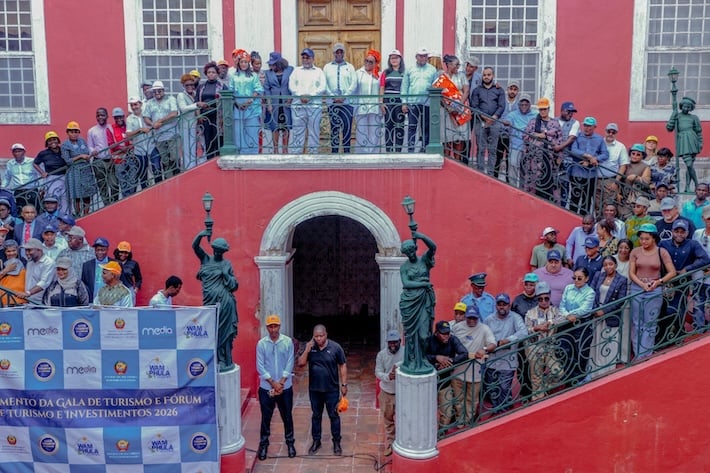
Mozambique’s diverse landscapes, cultural depth, and evolving infrastructure are shaping a new era for tourism — and Nampula is moving to the centre of that transformation.
Mozambique has always been a country defined by movement — of people, trade, culture, and oceans. Stretching more than 2,500 kilometres along the Indian Ocean, it is a place where Swahili, African, and Portuguese influences converge, where coral islands sit alongside productive agricultural corridors, and where coastal beauty meets deep cultural heritage.
Today, the country is entering a more deliberate phase in how tourism is understood. The narrative is evolving beyond scenic imagery toward structure, investment and territorial organisation. Mozambique is positioning itself not simply as a destination, but as an integrated tourism economy — diverse, beautiful and increasingly recognised as an emerging dream destination.
Within this shift, Nampula Provinceis gaining strategic relevance.
A Tourism Story Intertwined with Geography and Trade
Mozambique’s geography has always offered a natural advantage. Its coastline links Southern Africa to global maritime routes, while inland corridors connect landlocked economies to the sea. Tourism is no longer viewed as separate from these dynamics; instead, it is becoming part of broader planning that integrates ports, logistics, aviation, and regional development.
Nampula sits at the heart of this intersection.
The province lies along the northern development corridor, anchored by Nacala — one of the deepest natural ports in the region — and connected to rail and road networks that facilitate trade and movement. These infrastructures are reshaping how tourism destinations are accessed and packaged, turning once-remote coastal locations into viable investment zones.
Investment discussions increasingly position Nacala not only as an industrial hub but as a gateway to coastal tourism growth, reinforcing the idea that economic corridors and tourism development are mutually reinforcing.
Diversity as a Strategic Asset
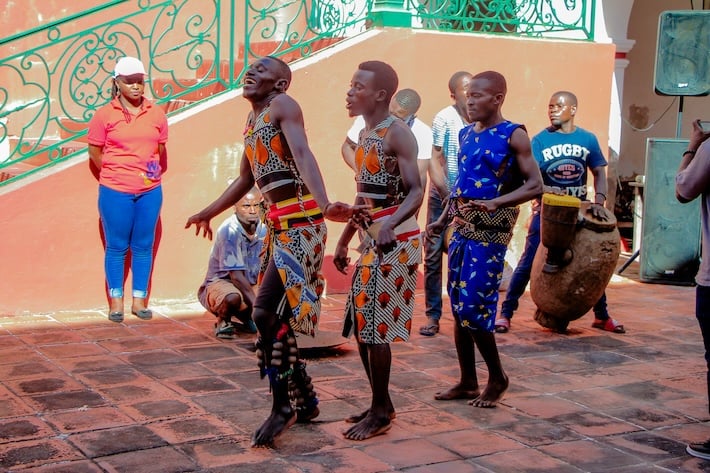
Mozambique’s appeal rests in its diversity — ecological, cultural, and territorial. From the southern beaches of Inhambane to northern archipelagos, the country offers experiences that range from marine safaris and heritage exploration to community-based tourism and culinary traditions.
Nampula Province embodies that diversity in a single territory.
Here, travellers encounter UNESCO-recognised heritage at Ilha de Moçambique, historic trading routes, coastal fishing communities, inland agricultural landscapes and emerging resort destinations. Rather than existing as isolated attractions, these elements form the foundation of a broader regional circuit that blends culture, nature and living traditions.
This multidimensional character gives Nampula depth beyond conventional tourism narratives. It positions the province not only as a leisure destination but as a cultural and economic landscape where tourism interacts with agriculture, fisheries, and local enterprise.
From Raw Potential to Structured Development
Northern Mozambique has long been recognised for its untapped tourism assets. What is changing now is the emphasis on organisation — defining routes, aligning infrastructure with operators, and building investment-ready concepts.
Recent planning initiatives illustrate this shift. A major tourism masterplan backed by World Bank financing aims to transform the Crusse & Jamali area in the Mossuril district into a high-end destination, including hotels, villas, and supporting infrastructure designed to attract international investors.
Such projects signal a broader transition in thinking. Tourism is being approached less as isolated promotion and more as coordinated territorial development.
Clear positioning of heritage circuits, coastal destinations such as Nacala and Angoche, and agro-tourism extensions will determine whether northern Mozambique’s raw assets translate into sustained growth. When tourism is structured coherently, it becomes scalable. When infrastructure aligns with private operators, it becomes investable.
Tourism and Mozambique’s Economic Vision
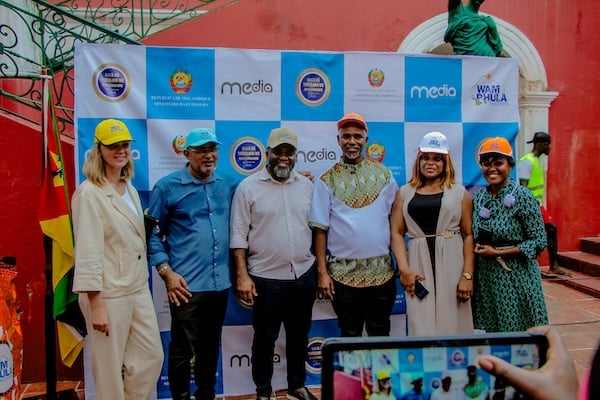
The national context reinforces this transformation. Mozambique’s government has identified tourism as a strategic pillar of economic diversification, with targets to increase its contribution to GDP and expand employment across the sector.
Revenue from foreign visitors surpassed US$221 million in 2024 and is projected to reach nearly US$392 million by 2029, reflecting an ambition to position the country as a world-class destination grounded in sustainability and investment.
International arrivals are also trending upward, with more than half a million tourists visiting in the first half of 2025 alone — a sign of recovery and growing confidence in the market.
These figures underscore a broader narrative: Mozambique is moving from potential toward performance. Infrastructure upgrades, visa reforms, and public-private partnerships are reshaping the tourism ecosystem, creating opportunities for provinces like Nampula to anchor regional growth.
The Role of the Private Sector
A defining feature of Mozambique’s evolving tourism model is the emphasis on collaboration between public institutions and private investors. Government policies establish direction and enabling frameworks, while operators, hotel groups, and entrepreneurs bring capital, standards, and operational expertise.
In Nampula, private sector interest is increasingly visible. Planned resort developments and tourism infrastructure projects in districts such as Mossuril highlight the province’s growing recognition of its long-term potential.
This relationship is not merely transactional; it is architectural. Tourism becomes resilient when infrastructure planning, investment strategies and community participation align around a shared territorial vision.
Nampula’s Emerging Strategic Role
What distinguishes Nampula is not only its attractions but also its scale and connectivity.
The province offers direct access to a UNESCO heritage site, proximity to maritime logistics hubs and a diversity of landscapes that allow for multi-day itineraries combining culture, coastlines and rural experiences. As Mozambique seeks to balance regional development, Nampula provides a model of how tourism can integrate with productive economies rather than operate as an isolated enclave.
This is why the upcoming Mozambique Tourism Gala & Investment Forum in 2026, to be hosted in Nampula, carries symbolic weight. The gathering reflects a broader recalibration — a shift from promotion toward organisation, and from visibility toward long-term viability.
A Destination Dream Taking Shape
Mozambique’s tourism fundamentals have always been strong: warm Indian Ocean waters, historic trading towns, vibrant cultural traditions and vast natural landscapes. What is emerging now is a clearer framework to align those assets with investment logic and regional planning.
As the country refines its strategy, Nampula Province stands at the centre of a new narrative — one where tourism is integrated with infrastructure, heritage with economic corridors, and local identity with global ambition.
Mozambique remains diverse, beautiful and largely undiscovered. Yet with coordinated planning, growing private-sector engagement and a renewed national vision, the idea of Mozambique as a dream destination is no longer simply aspirational.
It is becoming a structured reality — and Nampula is helping to lead that transformation.




Leave a Comment