
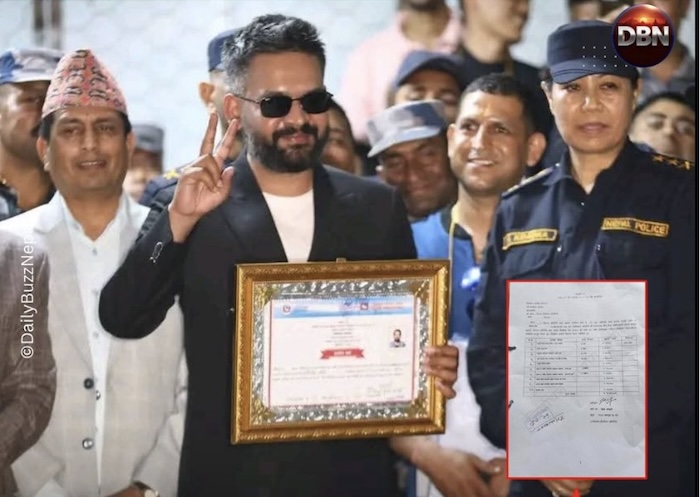
Kathmandu, Nepal —Nepal’s political landscape has undergone a dramatic shift after the Rastriya Swatantra Party (RSP), led by former rapper-turned-politician Balendra “Balen” Shah, secured a sweeping victory in the country’s latest parliamentary elections. The win signals a generational change in leadership and could have significant implications for Nepal’s travel and tourism sector—one of the country’s most important economic pillars.
A Landslide Victory and a Political Reset
The 35-year-old Shah is poised to become one of the world’s youngest national leaders after his party secured an overwhelming share of parliamentary seats, defeating long-dominant political parties and veteran leaders.
Early results show the RSP winning more than 120 of the directly elected seatsin the House of Representatives, putting the party close to a commanding majority.
Shah’s rise follows months of political unrest and youth-led protests in 2025, which were triggered by widespread dissatisfaction with corruption, economic stagnation, and restrictions on social media. The demonstrations eventually toppled the previous government and paved the way for the election.
Campaigning on a platform of transparency, economic reform, and job creation, Shah capitalized on a wave of public frustration with traditional political elites.
Why Political Stability Matters for Tourism
Tourism plays a central role in Nepal’s economy. The Himalayan nation is famous for destinations such as Mount Everest, Annapurna, and the historic temples of the Kathmandu Valley. Political instability in recent years—including protests and government changes—has periodically raised concerns among international travelers.
Political transitions often influence tourism in several ways:
1. Safety PerceptionsWhen protests or political unrest occur, foreign tourists may reconsider travel plans. Previous unrest in Nepal has already led some international travelers to delay or cancel trips.
2. Infrastructure and InvestmentA reform-oriented government may prioritize infrastructure projects such as improved airports, roads to trekking regions, and digital services for visas and permits—changes that could significantly boost visitor numbers.
3. Branding and International OutreachYounger leadership and a strong social media presence could help Nepal reposition itself globally as a modern adventure and cultural destination, appealing particularly to younger travelers and digital nomads.
Opportunities for Nepal’s Tourism Industry
If Shah’s government successfully implements economic reforms, the tourism sector could benefit in several areas:
- Adventure tourism expansionin trekking regions such as Everest and Annapurna.
- Urban tourism developmentin Kathmandu, Bhaktapur, and Pokhara.
- Digital visa and travel services make entry easier for international visitors.
- Sustainable tourism policiesprotecting fragile Himalayan ecosystems.
Shah’s earlier tenure as mayor of Kathmandu focused on transparency and modernization in local governance—signals that his administration may emphasize similar reforms nationally.
Challenges Ahead
Despite the optimism surrounding the election, analysts warn that the new government faces major obstacles, including bureaucratic inefficiencies, economic pressures, and high expectations from young voters.
For the tourism industry, the key factor will be whether the new administration can translate political momentum into tangible improvements in infrastructure, governance, and stability.
What It Means for Travelers
For travelers and the global tourism market, Nepal’s new political chapter could bring renewed confidence in visiting the Himalayan nation. If the government delivers on its promises of reform and economic development, the country may see a resurgence in international tourism—especially among adventure travelers, trekkers, and cultural tourists seeking authentic Himalayan experiences.





Leave a Comment