

Purpose-driven travel could prove one of the region’s most resilient tourism opportunities
If playback is interrupted, you can restart it.
Religious tourism is more than a niche. For destinations such as Jordan and Palestine, it can be a powerful driver of tourism resilience—giving travelers a reason to make the journey that goes far beyond the traditional holiday.
That makes the latest move by Jordan and Palestine to deepen tourism cooperation particularly timely.
Jordanian Minister of Tourism and Antiquities Emad Hijazeen and Palestinian Tourism Minister Hani Hayek have discussed developing joint tourism packages, with religious tourism high on the agenda. The two sides agreed to establish a joint working group to set strategic priorities, create an actionable roadmap and monitor joint tourism projects.
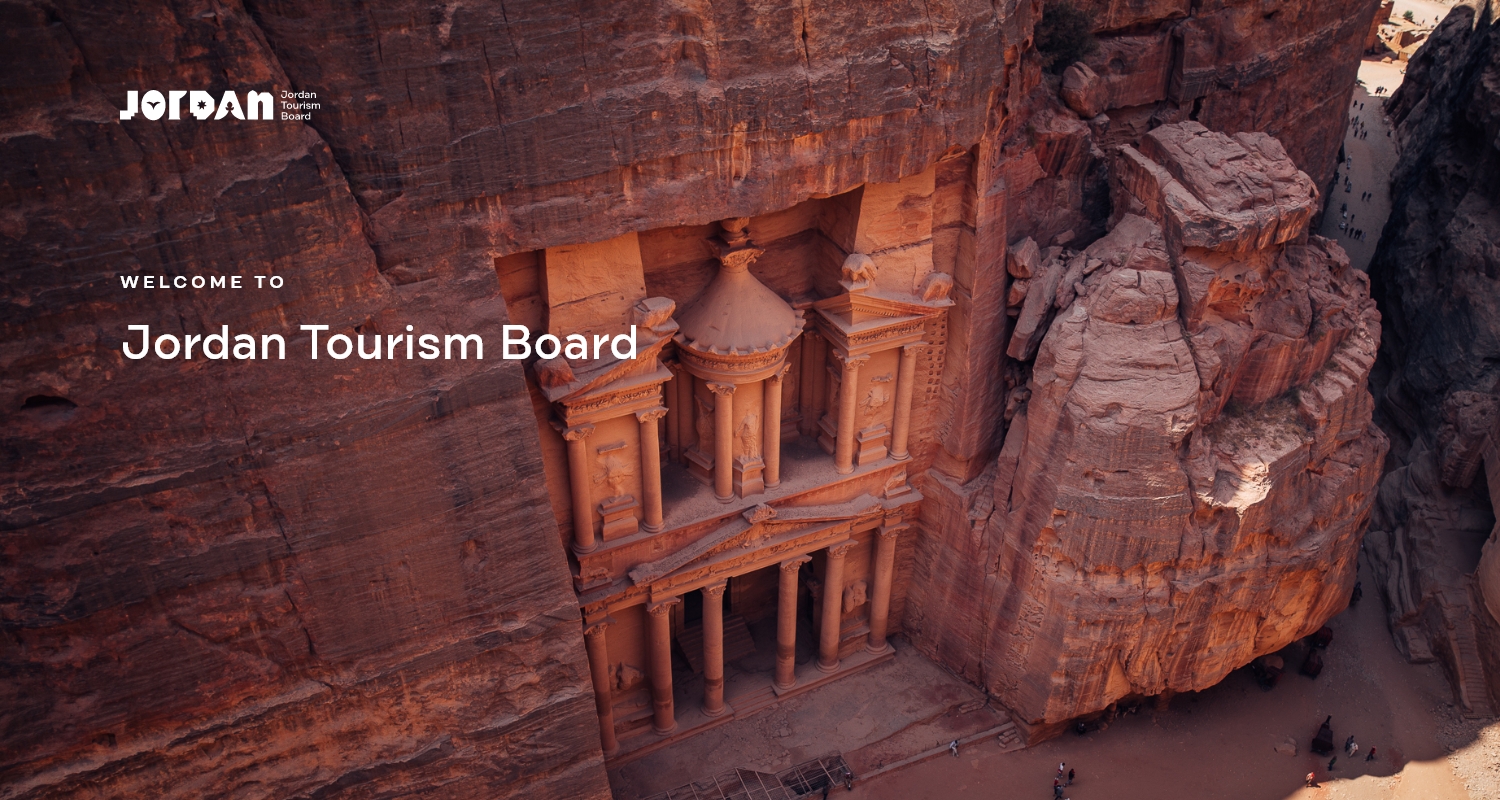
For the travel trade, the opportunity is clear: Jordan and Palestine can be sold not simply as neighboring destinations, but as one extraordinary journey through the geography of faith.
Millions of Christians worldwide regard visiting the Holy Land as a lifelong aspiration. Unlike many leisure trips, pilgrimage is driven by something deeper than price, seasonality or the latest destination trend. People travel with a purpose—to walk through biblical landscapes, visit sacred places, and connect physically and emotionally with their faith.
That motivation can make religious tourism an especially valuable niche during challenging times.
Jordan has a major opportunity on the horizon. The Kingdom is preparing for 2030 and the 2,000th anniversary of the baptism of Jesus, providing a natural platform to raise its profile among Christian travelers worldwide.
Combining that momentum with Palestinian religious and cultural heritage could create compelling multi-destination itineraries for tour operators, churches, specialist pilgrimage companies and faith-based organizations.
But the product needs to go beyond simply connecting historic sites.
Today’s traveler increasingly wants encounters with people, culture and living heritage. Religious itineraries can incorporate local communities, traditional cuisine, artisans, museums and storytelling alongside pilgrimage sites—spreading tourism revenues while creating a richer visitor experience.
The cooperation between Jordan and Palestine already extends into product development, staff training, museum curation and heritage protection. Hayek has also highlighted Jordan’s support for preserving Palestinian heritage, including efforts surrounding Sebastia in the occupied West Bank and its recognition by UNESCO.
Of course, selling tourism in a region experiencing conflict and uncertainty requires sensitivity. Safety and conditions on the ground must always come first. But resilience is also about preparing destinations for recovery and identifying the travelers most motivated to return when circumstances permit.
Religious tourism fits that equation remarkably well.
Jordan and Palestine possess something competitors cannot manufacture: places at the heart of stories that have shaped civilization for thousands of years.
The opportunity now is to transform those stories into seamless, bookable journeys. Because sometimes the strongest reason to travel isn’t simply discovering somewhere new.
It istraveling for a higher purpose.




Leave a Comment