

The shift is not driven by a single factor but by a combination of cost, convenience, familiarity, and traveler sentiment, all of which play an outsized role during peak holiday periods such as Lunar New Year.
Value Has Become the Deciding Factor
Japan has grown noticeably more expensive for Chinese travelers. Airfares have risen, accommodation costs have increased, and daily spending now feels significantly higher than before the pandemic. For many holidaymakers, particularly families and group travelers, the value equation has changed.
Thailand, by contrast, continues to offer strong value across hotels, dining, transport, and shopping. For price-sensitive Lunar New Year travel, it simply delivers more holiday experience for the same budget.
Easier Travel and Fewer Frictions
Entry procedures are straightforward, flight frequencies are high, and the overall travel experience is familiar and predictable.
Japan, while highly attractive, still feels more complex for mass leisure travel, especially during peak seasons when crowds, logistics, and language barriers can become challenging. For many travelers, ease matters as much as destination appeal.
Familiarity Brings Comfort
Thailand has long been one of the most familiar overseas destinations for Chinese travelers. Language support, cuisine, retail environments, payment systems, and tour infrastructure are well established and widely understood..
During Lunar New Year, familiarity becomes particularly important. Family groups and older travelers tend to prioritize comfort, convenience, and reassurance over novelty, all areas where Thailand performs strongly.
Climate Shapes Holiday Choices
Japan’s winter season appeals to ski enthusiasts and niche travelers, but it is less aligned with the mainstream Lunar New Year holiday mindset, which favors warmth, beaches, and relaxed leisure.

Thailand fits that seasonal preference perfectly, offering sunshine, coastal destinations, and a wide range of resort experiences that suit short holiday breaks.
A Return to Mass Tourism – By Default, Not Design
It is important to note that Thailand has not deliberately set out to return to mass-market tourism. In policy terms, the emphasis remains on value, yield, and a more balanced visitor mix.
However, by default rather than intention, Thailand has benefited from Japan becoming more expensive and more difficult to access for Chinese travelers. As a result, Thailand has absorbed a greater share of Lunar New Year visitors from China, particularly group travelers whose trips tend to be short, highly seasonal, and budget-conscious.
These Lunar New Year flows are typically sharp, concentrated, and price-sensitive — driven more by timing and convenience than by long-stay or premium travel behavior. Their return reflects regional market dynamics rather than a strategic shift in Thailand’s tourism positioning.
Vietnam’s Rising Appeal
Vietnam is benefiting from many of the same advantages that have long supported Thailand’s tourism success. Competitive pricing, improving air connectivity, simplified visa policies, and expanding resort capacity are making it increasingly attractive to regional travelers.
For first-time visitors or repeat travelers looking for something familiar yet different, Vietnam is beginning to resemble an alternative version of the Thailand experience, making it a growing competitor rather than a secondary option.
Sentiment Still Matters
Traveler sentiment also plays a role, even if it is rarely stated directly. Some Chinese travelers are currently cautious about destinations perceived as overly crowded, expensive, or less welcoming.
Southeast Asia offers a sense of warmth, informality, and ease that resonates strongly during festive travel periods. Thailand, in particular, benefits from a long-standing reputation for hospitality and comfort.
The Bottom Line
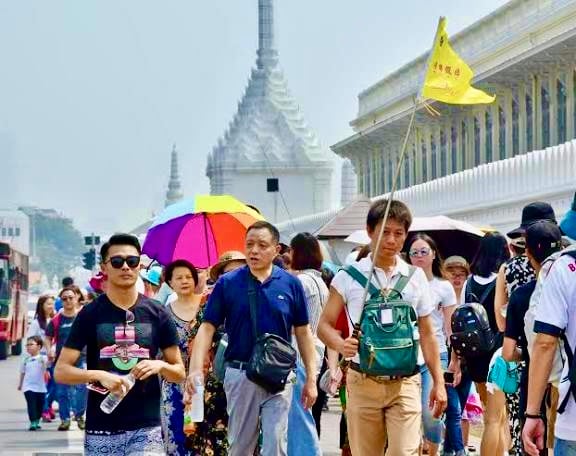
Thailand is gaining Lunar New Year travel from China not because it has chased mass tourism, but because it offers better value, simpler access, and a familiar, relaxed holiday environment at a time when alternatives have become more expensive and complex.
Japan remains highly attractive, but increasingly as a premium or niche destination rather than a mass-market choice. Vietnam, meanwhile, is rising quickly by adopting many of the same strengths that have long underpinned Thailand’s success.







Leave a Comment