

Across the global travel industry, 2026 is emerging as one of the most ambitious years for new hotel openings in over a decade. From rainforest retreats in Bali and desert resorts along the Red Sea to historic palace conversions in Europe and beach icons reopening in the Caribbean, hospitality developers are unveiling a new generation of hotels designed not simply as places to stay—but as destinations in themselves.
Luxury travel has rebounded strongly, and the scale of the development pipeline reflects this surge in demand. Analysts estimate that thousands of hotel projects worldwide are currently under construction, representing hundreds of thousands of new rooms. Yet the moment is complicated. The global tourism industry is also navigating economic uncertainty, environmental pressures, and geopolitical tensions—including the sudden escalation of conflict involving Iran that has unsettled travel patterns across parts of the Middle East.
Still, the world’s most exciting hotel openings reveal an industry that continues to innovate. Increasingly, developers are focusing on adaptive reuse of historic buildings, immersive cultural experiences, wellness-driven retreats, and environmentally sensitive design.
From Miami and London to Bali, Jamaica, Patagonia, and Australia’s remote coastlines, the hotels debuting this year offer a glimpse of how travel itself is evolving.
Miami: A South Beach Icon Returns
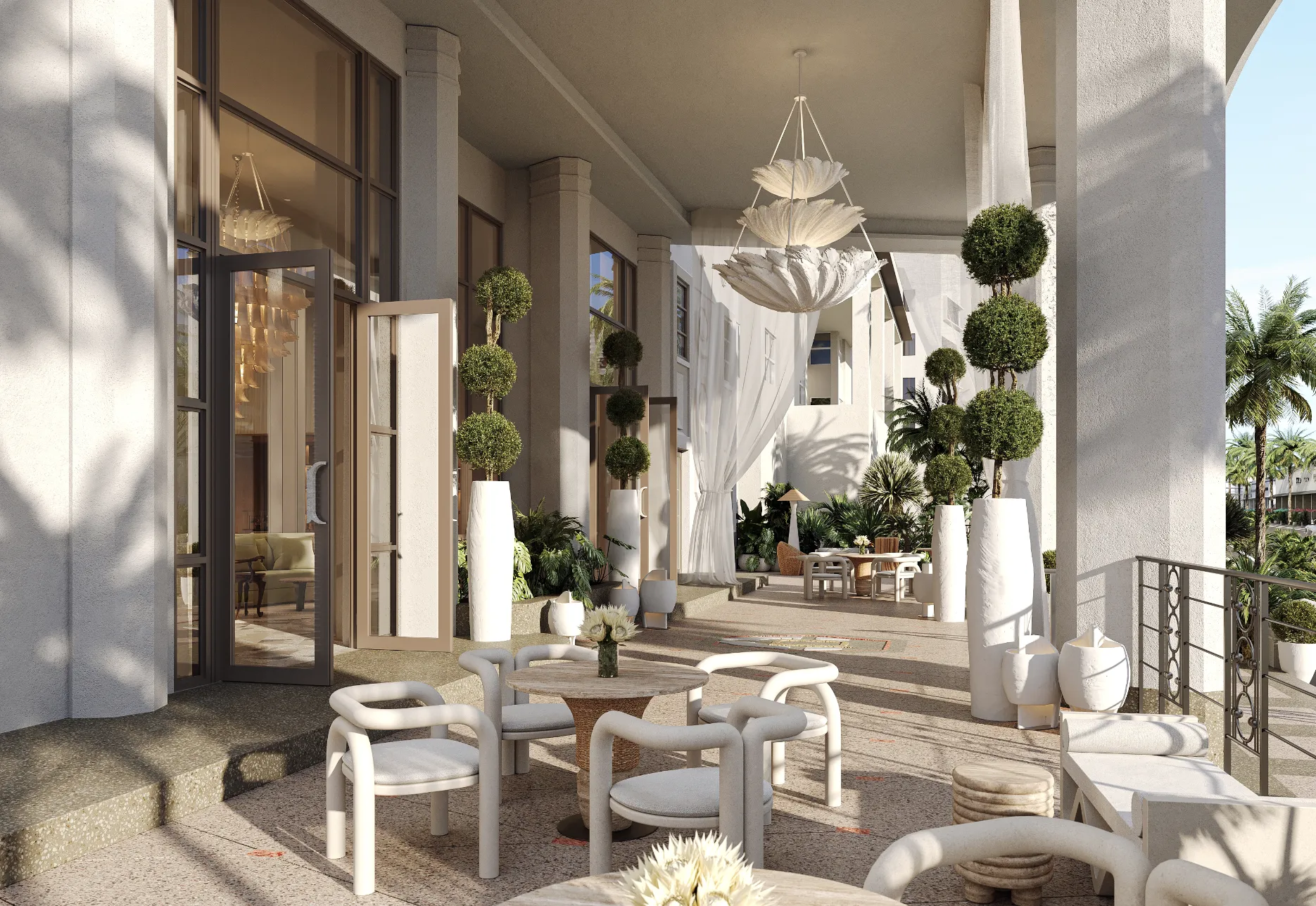
In Miami Beach, the reopening of Delano Miami Beachmarks the return of one of the city’s most influential lifestyle properties.
Originally built in 1947 and famously redesigned by French designer Philippe Starckin the 1990s, the hotel once defined the glamorous excess of South Beach nightlife. For decades, the Delano served as a magnet for celebrities, fashion designers, and artists.
Following several years of renovation, the 171-room hotel reopens with interiors that soften its once stark minimalist aesthetic. Warm wood accents, terrazzo floors, and contemporary artwork give the space a more residential feel while preserving the building’s iconic all-white visual identity.
Dining will again play a central role in the Delano experience. New restaurant concepts—ranging from Japanese fine dining to Mediterranean coastal cuisine—are expected to draw both locals and visitors to the hotel’s legendary pool terrace.
The reopening signals a broader American trend: the revival of iconic hotels as social and cultural hubs rather than simply places to stay.
Europe: Boutique Luxury and Historic Transformations
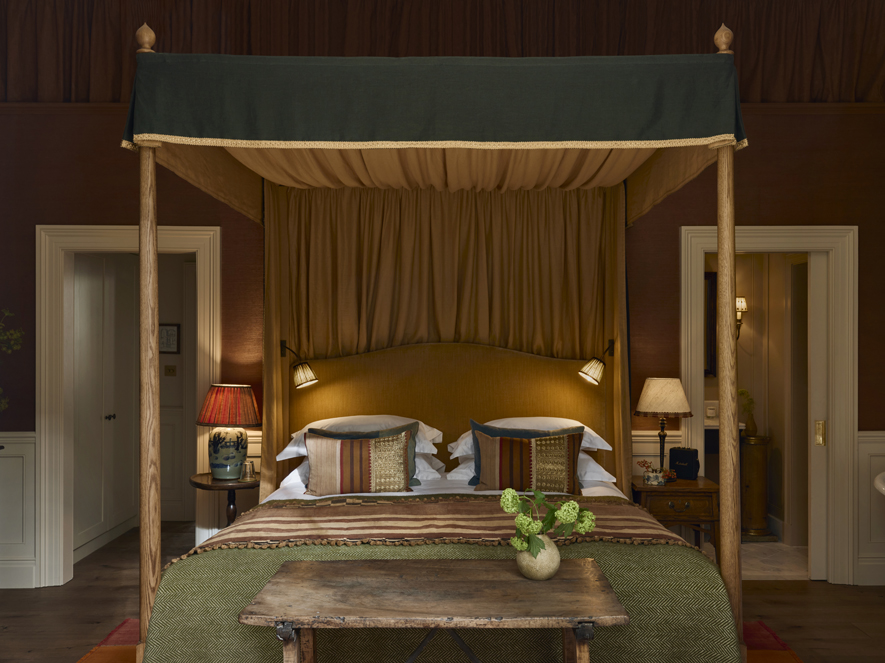
Across Europe, the newest hotel openings are increasingly defined by boutique scale, narrative design, and historic architecture.
In London, Hotel Indigo London K West Shepherd’s Bushtransforms a former BBC recording studio complex into a stylish hotel celebrating the building’s musical legacy. The interiors incorporate velvet textures, retro microphones, and art inspired by vinyl culture.
Another notable debut is The Zetter Bloomsbury, which expands the beloved Zetter brand with a property styled like the townhouse of an eccentric collector. The design evokes Bloomsbury’s literary past with richly layered interiors, antique furniture, and whimsical art.
In Paris, Maison Barrière Vendômeintroduces a refined property near Place Vendôme. Each room pays tribute to influential women in French culture, blending haute couture inspiration with residential elegance.
Meanwhile, in Italy, The Lake Como EDITIONbrings contemporary glamour to Lake Como. Set inside a restored 19th-century villa, the hotel merges Italian marble, warm walnut interiors, and sweeping lake views.
These projects reflect one of the defining trends in European hospitality: transforming historic buildings into immersive luxury experiences.
Bali and the Pacific: Wellness Retreats in Nature
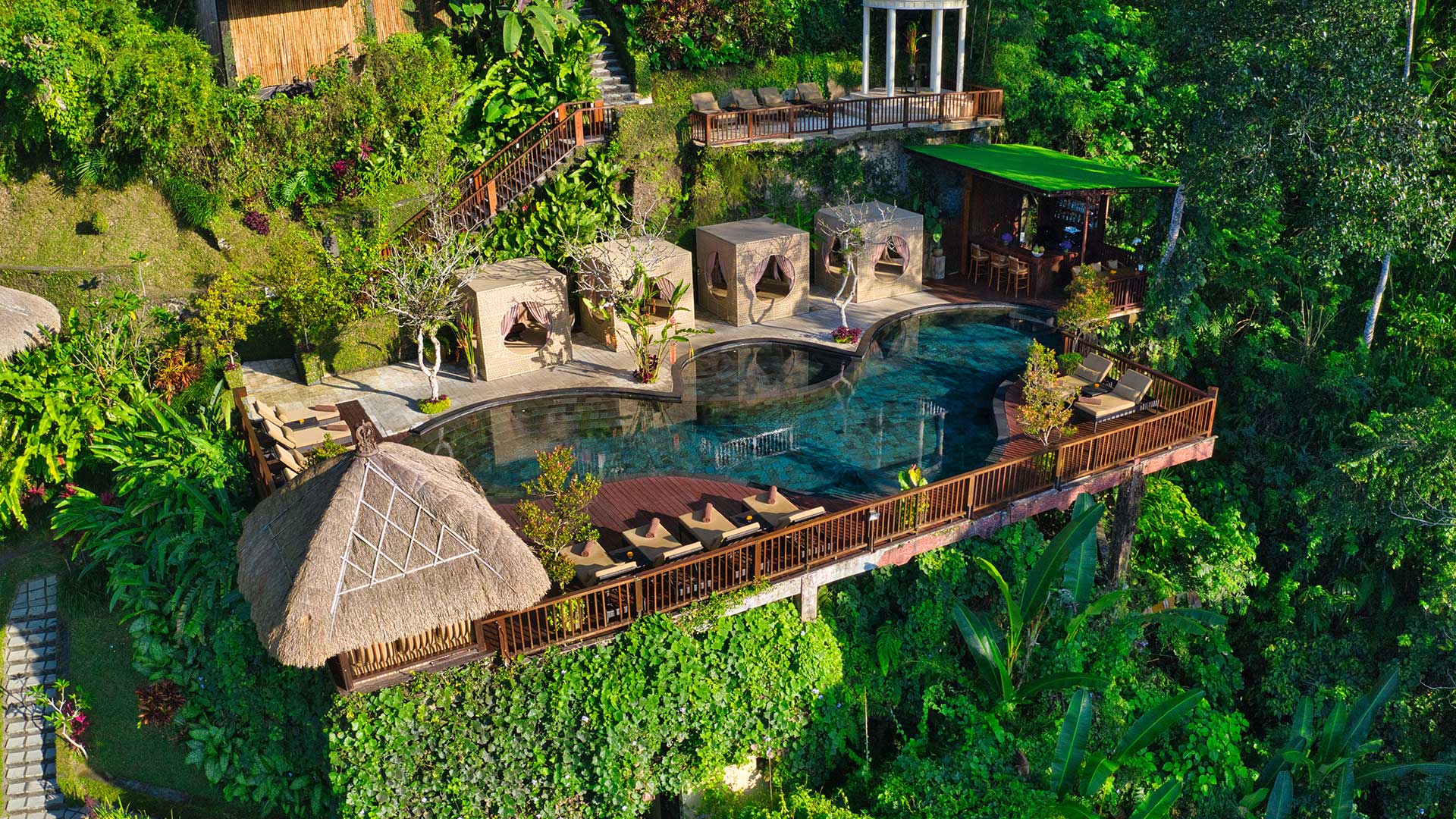
Across Southeast Asia and the Pacific, hotel developers are focusing on nature-driven luxury and wellness tourism.
In Bali, Anantara Ubud Bali Resortintroduces hillside villas overlooking the rainforest valleys near Ubud. Each villa features a private infinity pool and floor-to-ceiling windows designed to blur the line between interior and landscape.
Guests can participate in Balinese cooking classes, sunrise yoga sessions, or temple excursions guided by local historians.
Elsewhere in the Pacific, new eco-luxury resorts in destinations such as Fijiand French Polynesiaare emphasizing sustainability. Solar power, coral restoration programs, and marine conservation initiatives are increasingly common features.
These projects highlight a broader shift in luxury travel toward slow tourism—experiences focused on nature, wellness, and environmental responsibility.
The Caribbean: Jamaica’s Legendary Resorts Reimagined
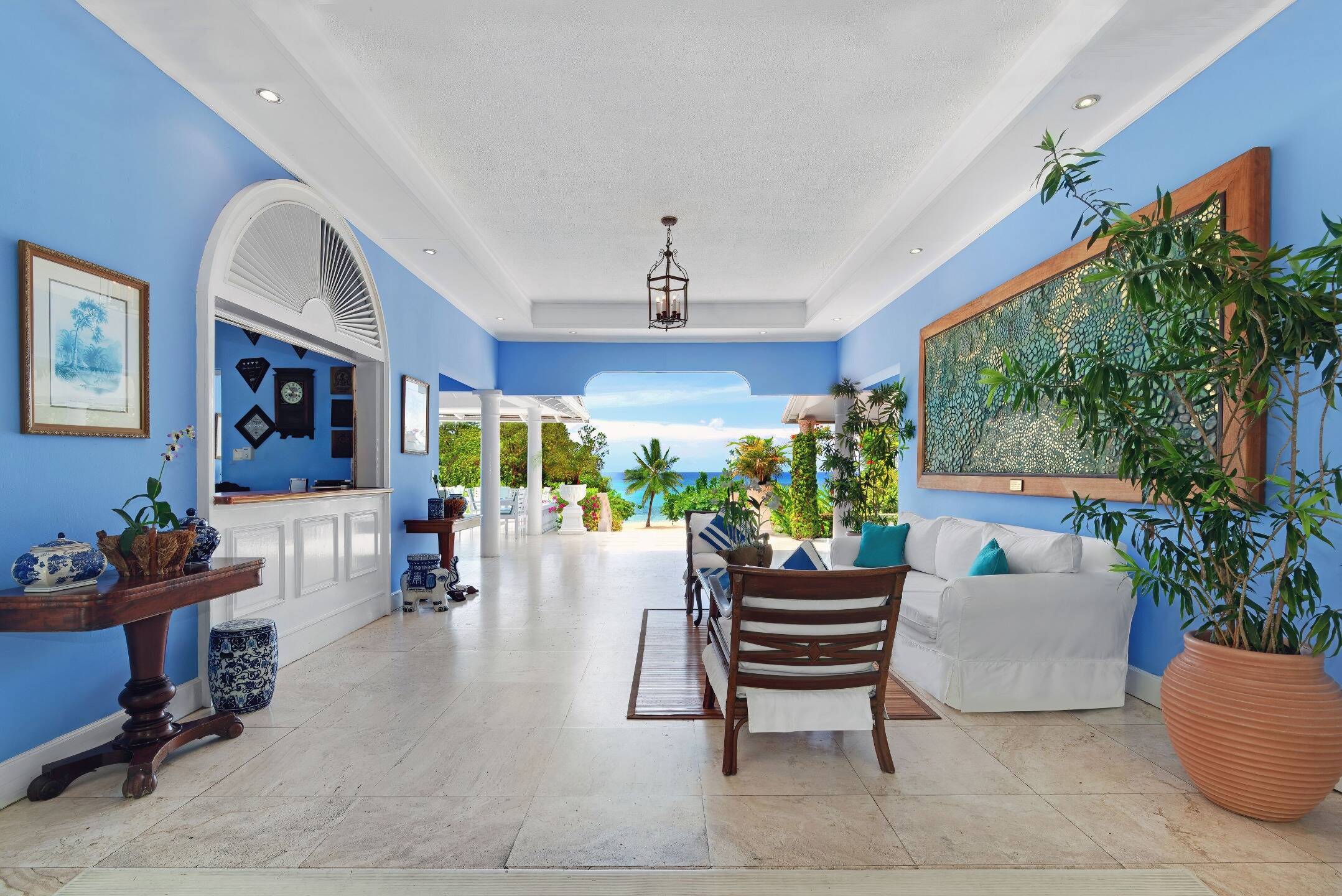
The Caribbean is also experiencing a wave of hotel renovations and reopenings, particularly in Jamaica.
One of the region’s most iconic resorts, Half Moon Resort, has recently undergone extensive upgrades to its beachfront villas and spa facilities. Originally opened in the 1950s, the property remains one of Jamaica’s most celebrated destinations.
Nearby, developments around Rose Hallare bringing new boutique hotels and restored heritage properties to the north coast.
Jamaica’s tourism authorities say these renovations aim to reposition the island as a high-end Caribbean destination focused on culture, music, and culinary tourism.
South America: Remote Luxury in Patagonia and Beyond
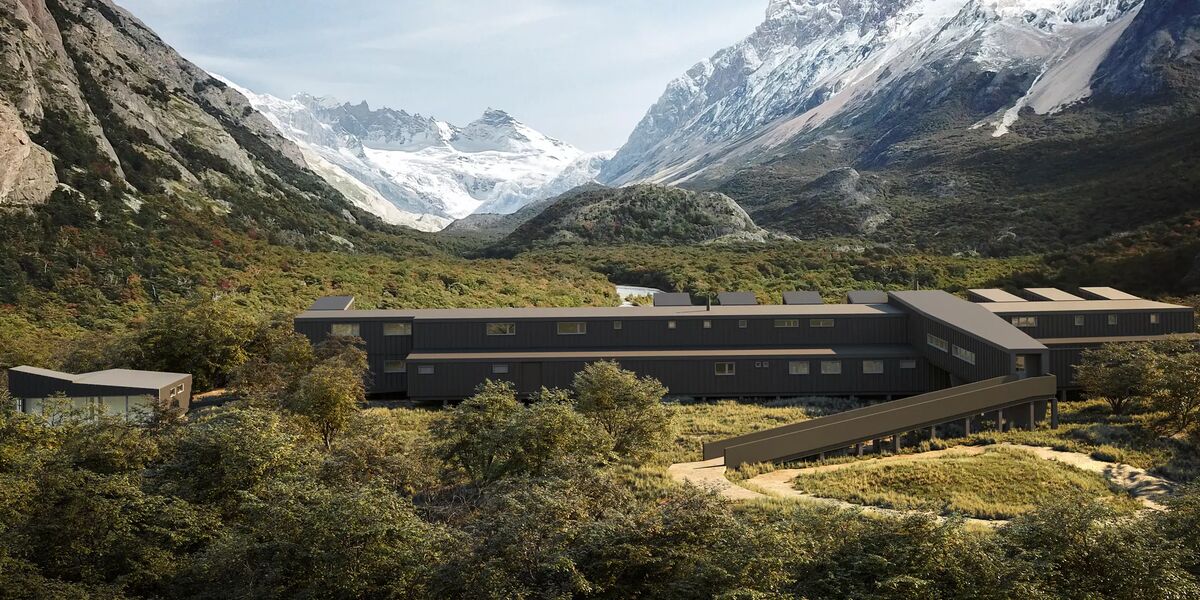
In South America, the most exciting hotel openings are emerging in remote wilderness destinations.
Luxury eco-lodges in Patagonia—spanning Chileand Argentina—are attracting travelers eager to explore dramatic landscapes of glaciers, mountains, and national parks.
Meanwhile, new rainforest lodges in the Amazon Rainforestare offering immersive wildlife experiences while emphasizing conservation and community partnerships.
In Uruguay, boutique vineyard hotels are emerging in the countryside near Punta del Este, combining wine tourism with contemporary architecture.
These projects reflect a growing demand for adventure-driven luxury travel.
Africa: Safari Lodges and Coastal Retreats
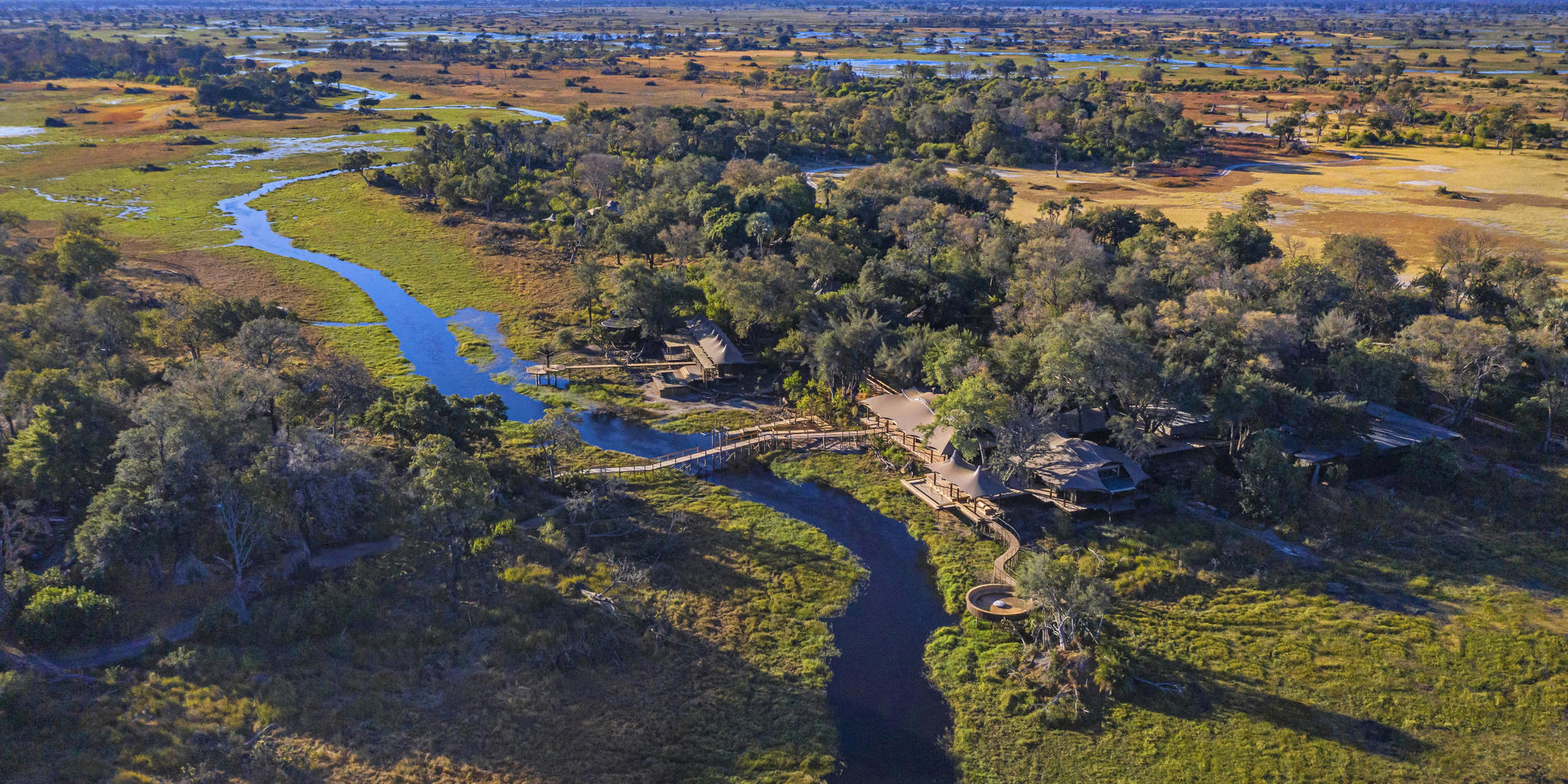
Africa’s hospitality expansion continues to focus on high-end safari lodges and coastal resorts.
In Botswana, new luxury camps in the Okavango Deltaare redefining safari experiences with private plunge pools, guided wildlife excursions, and architecture designed to blend into the landscape.
In Kenya, boutique lodges near the Maasai Maraoffer intimate access to one of the world’s most spectacular wildlife migrations.
Along the coast, new beach resorts in Zanzibarcombine Swahili design influences with modern luxury.
Africa’s tourism sector is increasingly emphasizing low-impact, conservation-focused travel experiences.
Australia: Coastal Escapes and Outback Retreats
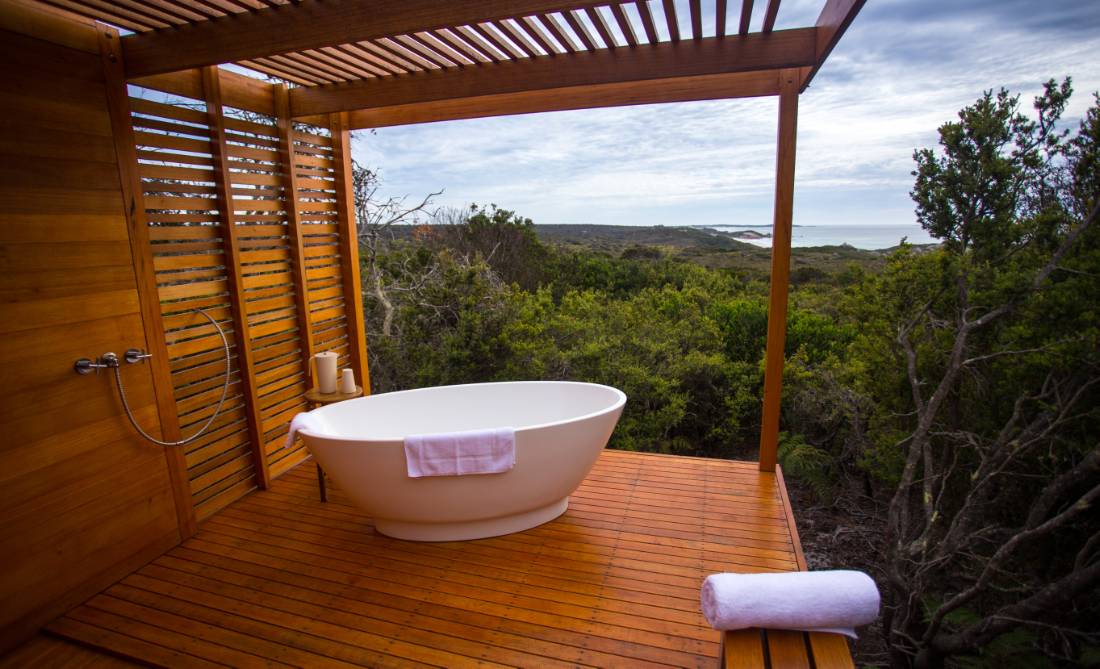
In Australia, the newest hotels are showcasing the country’s extraordinary natural landscapes.
Luxury island resorts near the Great Barrier Reefare offering snorkeling expeditions, marine conservation programs, and eco-friendly design.
In Tasmania, boutique wilderness lodges are emerging along dramatic coastlines and forests, appealing to travelers seeking remote nature experiences.
Elsewhere, new urban boutique hotels in Sydneyare restoring historic buildings into stylish accommodations.
The Middle East: Expansion Amid Geopolitical Uncertainty

The Middle East remains one of the world’s most ambitious hospitality frontiers.
In Dubai, boutique properties such as Mazmi Casa Al Fahidiand adventure retreats like Caravan Hatta by Our Habitasare diversifying the city’s hotel landscape.
Along Saudi Arabia’s Red Sea coast, projects including Six Senses AMAALApromise a new generation of wellness-focused resorts.
However, the region’s tourism ambitions face uncertainty following escalating tensions involving Iran. Flight disruptions and travel advisories have raised concerns about tourism flows across parts of the Gulf.
While the long-term impact remains unclear, the situation highlights the vulnerability of global travel to geopolitical events.
The Future of Travel
Taken together, the hotel openings of 2026 reveal a travel industry undergoing profound transformation.
Hotels are no longer simply accommodation—they are cultural centers, design showcases, and gateways to local experiences.
At the same time, the industry remains sensitive to global events. Economic shifts, environmental concerns, and geopolitical tensions can quickly reshape travel patterns.
Yet for travelers willing to explore, the new hotels debuting this year—from Bali’s rainforest retreats to Jamaica’s beachfront resorts, Patagonia’s wilderness lodges, and Australia’s coastal escapes—offer something timeless:
the enduring allure of discovery.




Leave a Comment