

WTTC is bringing 1000+ global tourism power players to Valletta — but Malta’s bigger opportunity may be what happens when governments, destinations and business leaders are all in the same room.
- More than 100 speakers, including CEOs, Ministers, MPs, Commissioners, former Heads of State and international organizations, are heading to Malta for the 26th WTTC Global Summit
- Airlines, airports, hotels, cruise companies, destinations, technology groups, investors and tourism authorities will meet across one global public-private platform
- AI, investment, digital identity, connectivity, sustainability, workforce, destination stewardship and the changing traveler will dominate the FUTU[RE]SET agenda
- For Malta, the real prize could extend beyond hosting the Summit: relationships, investment conversations and direct access to an extraordinary concentration of global tourism decision-makers
VALLETTA/MADRID– For two days, Malta is preparing to become one of the most important meeting places in world tourism.
The World Travel & Tourism Council (WTTC)is bringing more than 100 global speakers to Valletta for its 26th Global Summit, FUTU[RE]SET, putting CEOs of some of the world’s biggest Travel & Tourism companies in the same environment as Ministers, destination leaders, policymakers, investors, technology companies and international organizations.
But the Malta story may be bigger than another global tourism summit.
What makes this gathering particularly interesting is the concentration of people who can actually move tourism: governments that set policy, destinations seeking growth and investment, companies controlling hotels, aviation, airports, cruises and travel distribution, technology businesses reshaping how people travel, and investors looking for the industry’s next opportunities.
In Malta, they can meet each other. And that may ultimately be as important as anything said from the stage.
More Than a Tourism Conference?
WTTC’s Global Summit has traditionally occupied rare territory in international tourism because it brings senior private-sector leadership face-to-face with governments.
The Malta programme takes that proposition further by assembling an unusually broad tourism ecosystem.
Airlines. Airports. Hotels. Cruise lines. Destinations. Technology companies. Investment firms. Tourism authorities. International institutions. SMEs. Political leaders. And now students and the industry’s next generation.
Rather than treating tourism policy, destination development and commercial opportunity as separate conversations, FUTU[RE]SET puts them into one international meeting place.
For destinations and tourism businesses, that creates something potentially more valuable than another conference badge: access to a global network.
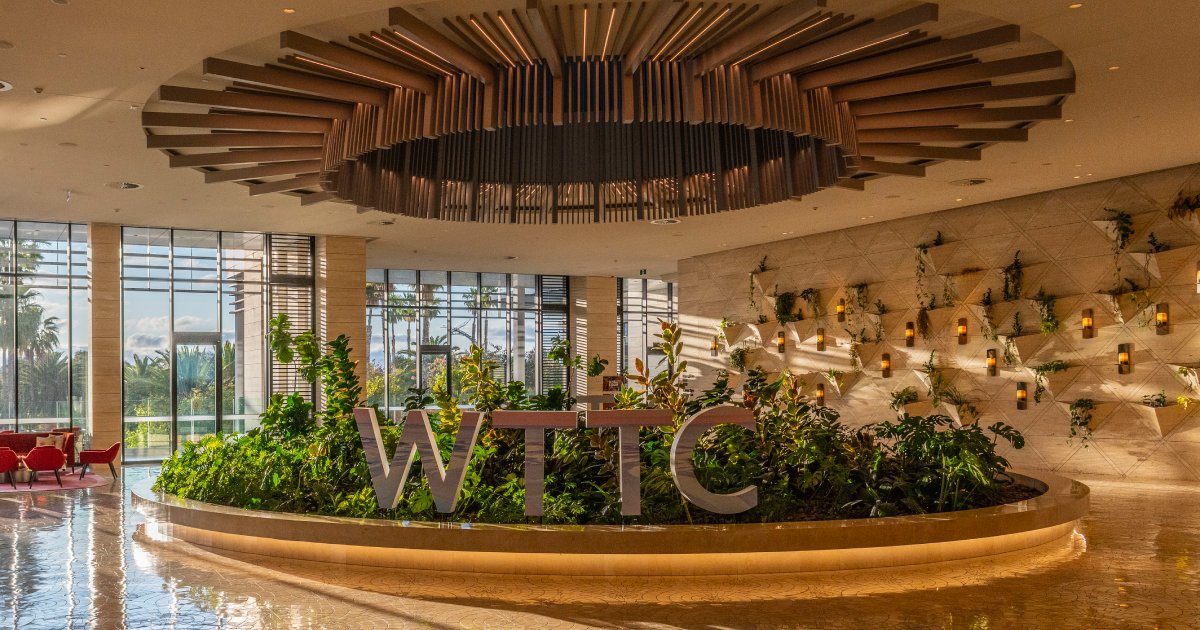
Malta Gets the Tourism World in One Room
The list of confirmed participants explains why.
Political and public-sector figures include former Canadian Prime Minister Justin Trudeau, former Spanish Prime Minister José María Aznar, European Commissioners and Ministers, and senior government representatives from Malta, Spain, Italy, South Africa, Greece, Croatia, Türkiye, India, Guatemala, Saudi Arabia, Egypt, Mexico and the United States.
On the commercial side are leaders from Hilton, IHG Hotels & Resorts, MSC Group, Trip.com Group, Four Seasons, American Express Travel, Iberostar Group, Marriott International, Accor, Dubai Airports, Capital A Group, ITA Airways, VFS Global, Visit California, Saudi Tourism Authority, Virtuoso, Intrepid Travel, Microsoft, Google and Amadeus, among many others.
International, destination and policy organisations represented include the African Union, International Transport Forum, International Chamber of Commerce, Destinations International and Turespaña.
That combination is what makes Malta interesting.
A destination looking for connectivity could find itself in conversations with aviation decision-makers. A tourism authority exploring digital transformation can meet global technology companies. Governments looking for investment can encounter investors and hospitality groups. Tourism businesses can meet policymakers and destination leaders from markets they want to enter.
The program itself confirms that public-private exchange is not incidental to the event.
WTTC’s exclusive Global Leaders Dialoguewill include two interactive discussions, each bringing together eight Ministers and four global CEOs for an exchange of perspectives rather than a sequence of formal presentations.
Eight Big Questions Facing Global Tourism
Behind the networking is a serious policy and business agenda.
WTTC has structured FUTU[RE]SET around eight strategic priorities: safe and seamless travel, destination stewardship, sustainability, emerging technologies and AI, crisis preparedness, connectivity, the workforce of the future, and investment and economic growth.
Sessions will tackle subjects including “Digital Identity: Resetting the Border Experience,” “AI Unlocked: The New Era of Travel,” “Unlocking the Power of Travel & Tourism SMEs,” “Building Resilience in an Age of Disruption,” “Destination Stewardship: The Right Kind of Growth,” “Connecting the World: The Future of Mobility,” “Tourism for All,”and “Public and Private Leadership: The Next Trillion Dollar Investment.”
The Summit will also examine luxury and wellness tourism, the changing traveler, India’s emergence as a tourism powerhouse, Europe’s competitiveness, accessibility, next-generation leadership, and the changing global investment landscape.
And What Does Malta Get?
This is perhaps the more interesting question.
Hosting 100-plus international speakers and an extraordinary collection of tourism decision-makers gives Malta global visibility.
But visibility alone would undersell the opportunity.
For several days, Malta becomes a marketplace for ideas, relationships, connectivity, investment and tourism diplomacy.
Prime Minister Dr Robert Abela, Deputy Prime Minister H.E. Ian Borg, Tourism Minister H.E. Dr Jo Etienne Abelaand Malta Tourism Authority CEO Carlo Micallefwill be directly involved as the Summit opens alongside WTTC Chairman Manfredi Lefebvre d’Ovidioand WTTC President & CEO Gloria Guevara.
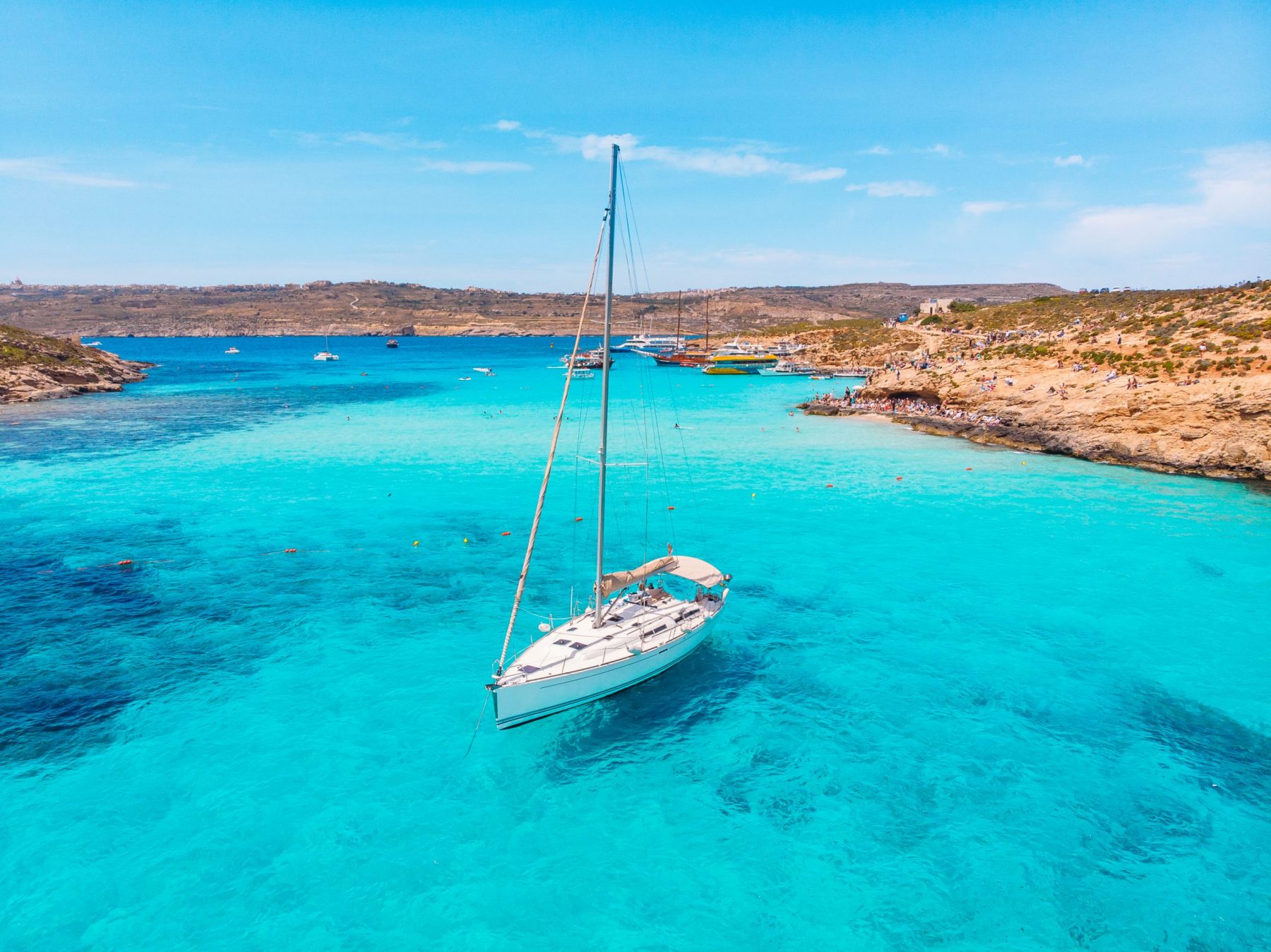
Malta Tourism Authority CEO Carlo Micallef has emphasised precisely this diversity of perspectives, noting that airlines, airports, hotels, cruise operators, technology companies, governments, tourism authorities and international organisations will all have a seat at the table.
Tourism Minister Jo Etienne Abela has meanwhile pointed to the Summit’s potential for lasting benefits to Malta and opportunities to forge new partnerships, while emphasizing sustainable tourism and value for local communities.
WTTC Is Also Opening the Door Wider
Another story is developing beneath the headline names. WTTC is accelerating Together in Travel, its initiative for small and medium-sized Travel & Tourism businesses.
SMEs represent around 85% of the global Travel & Tourism community, according to the Summit announcement, and WTTC is working toward an ambition of building a community of one million Travel & Tourism SMEs.
The initiative is designed to provide practical tools, insights, networking opportunities and a stronger collective voice in international tourism policy discussions.
That matters because the traditional image of WTTC is inevitably associated with some of tourism’s largest corporations and most powerful CEOs.
Malta demonstrates a potentially broader proposition: global tourism leadership at the top, but an expanding network underneath it.
Destinations, tourism organizations and businesses looking at WTTC membership, affiliate relationships and participation in its wider ecosystem therefore have another reason to watch what happens in Valletta.
Editor’s note: the Summit release establishes WTTC’s SME expansion and networking initiatives; specific eligibility and categories for WTTC membership or affiliate participation should be confirmed against WTTC’s current membership structure before publication.
Tourism’s Next Generation Gets a Seat Too
WTTC will also use Malta to launch the WTTC Youth Movement.vAround 90 students and 10 professors from 16 partner institutions, representing more than 30 nationalities, are expected to participate.
They will interact directly with industry leaders, join Summit discussions and networking opportunities, and contribute to a youth-led Malta Declaration.
The initiative is designed to address the industry’s growing workforce and skills requirements while creating a longer-term platform connecting young people with global Travel & Tourism leadership.
When Tourism’s Public and Private Power Meet
The official theme is FUTU[RE]SET. Perhaps the more revealing theme, however, is connection.
- Connecting Ministers with CEOs.
- Connecting destinations with investors.
- Connecting technology with tourism.
- Connecting SMEs with global industry conversations.
- Connecting students with tomorrow’s employers.
- And connecting Malta with an extraordinary cross-section of the people shaping where global Travel & Tourism goes next.
When FUTU[RE]SET concludes, Gloria Guevara, Manfredi Lefebvre d’Ovidio and Carlo Micallef will return to the stage for Moving Forward Together, before the host destination for the 2027 WTTC Global Summitis announced.
By then, however, one measure of Malta’s success may have little to do with what was announced on stage. It may be measured by who met whom — and what those conversations produce next.





Leave a Comment