

If playback is interrupted, you can restart it.
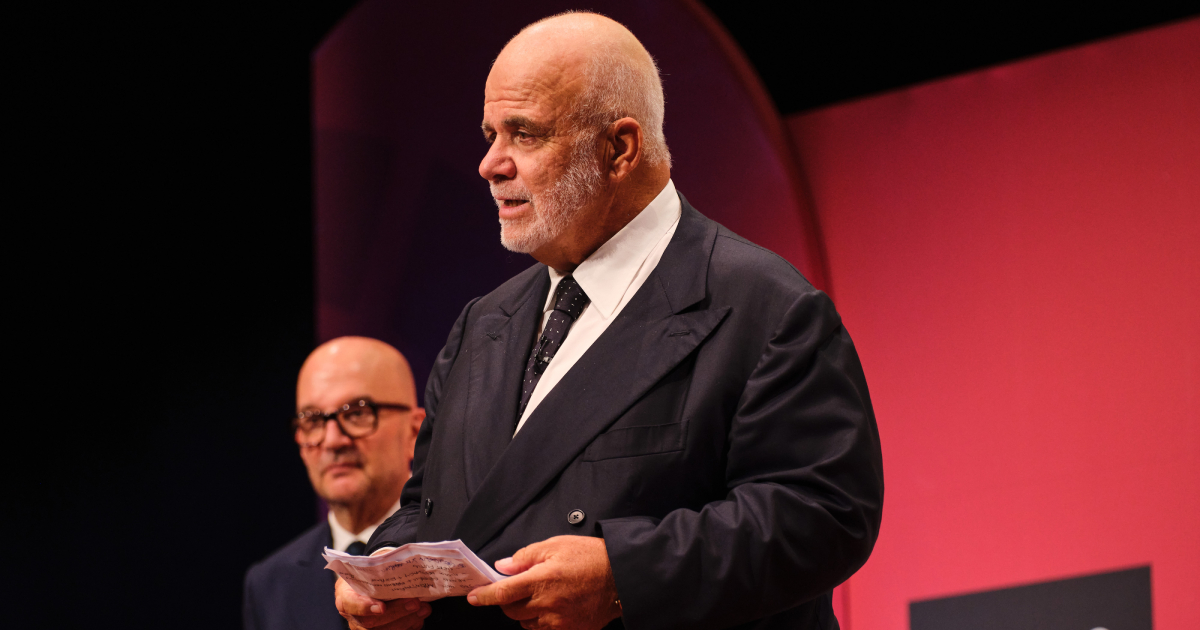
Manfredi Lefebvre d’Ovidio, chairman of the World Travel & Tourism Council (WTTC) board, set out a vision for a stronger, member-focused organization at its 26th Global Summit in Valletta, Malta, held October 7–9, 2026.
Bringing together more than 1,000 delegates, over 200 leading CEOs and government leaders, and more than 100 speakers, the gathering demonstrated WTTC’s ability to connect tourism’s private sector with public decision-makers.
The executive chairman of Heritage Group and A&K Travel Group urged participants to turn discussions into investment, partnerships and practical action. His opening address combined confidence in tourism’s growth with calls for better crisis preparedness, attractive careers and technology-driven opportunity—setting an ambitious tone for one of WTTC’s standout global gatherings.
For WTTC’s chairman, the occasion offered a chance to show on behalf of this powerful board of the most influential companies in world tourism, what a stronger, more ambitious organization could achieve.
Under the leadership of CEO Gloria Guevara, the scale of participation made a compelling case for Malta’s place among WTTC’s most successful summits—and for Lefebvre’s vision of its future.
His opening address carried a message that extended well beyond the conference hall. Tourism has the investment, talent, and economic importance to shape the future. Its leaders now need to put those advantages to work.
At the heart of that message was a conviction familiar to anyone who has built a business: success creates the resources to pursue greater ambitions.
An Entrepreneur at the Helm
Lefebvre brings substantial business experience to the organization widely recognized as the voice of the global private travel and tourism sector.
Executive chairman of Heritage Group and A&K Travel Group, the group behind Abercrombie & Kent and Crystal, he has built a career around identifying opportunities in luxury travel and backing them with investment. His entrepreneurial record includes the development of Silversea into a major international luxury cruise business. Forbes lists him among the world’s billionaires.
That background helps explain the character of his WTTC leadership. In his opening remarks, he approached the council as an organization whose influence must be earned through useful services, strong relationships and results for its members.
His vision is expansive, but its foundation is practical. Better research strengthens advocacy. Stronger advocacy makes membership more valuable. More members bring additional resources, allowing WTTC to attract talent and improve its work.
He described a positive cycle of growth—one capable of giving the organization the means to match its ambitions.
Members at the Center
One of the clearest themes of Lefebvre’s address was that WTTC exists because of its members.
The organization’s relevance, he argued, rests on the quality of the businesses and leaders it brings together, and on its ability to understand their opportunities and problems.
For a council representing companies across an industry as varied as travel and tourism, that is a significant commitment. Airlines, hotels, cruise lines, tour operators and technology companies may serve the same traveler, but they encounter different obstacles along the way.
Lefebvre’s approach is to make WTTC a place where those interests can meet, develop a shared position and carry it into discussions with governments.
Research and advocacy remain central to that work. So does the less visible business of opening doors, building trust and connecting people who can help one another move forward.
Malta Made the Partnership Tangible
Malta provided an especially convincing setting for his argument about cooperation between business and government.
Lefebvre praised the country’s welcome, cultural heritage and the interest its government showed in engaging with WTTC members. In his account, the summit offered a working example of public and private leaders exploring development together.
The setting helped. Malta’s layers of history, Mediterranean landscape and hospitality gave delegates an immediate sense of the destination behind the investment discussions.
Its economic relationship with tourism also made the conversation consequential. WTTC forecasts that travel and tourism will contribute 16.9% of Malta’s GDP in 2026 and support more than one in five jobs.
For a host country, bringing global business leaders together creates an opportunity that lasts beyond the closing ceremony. A conversation can become a return visit; a return visit can become a partnership or investment.
Lefebvre clearly understood that possibility—and encouraged delegates to recognize it.
Confidence With a Memory of COVID
His optimism came with an acknowledgment of the industry’s vulnerabilities.
He returned to the experience of COVID, when successful businesses were suddenly unable to operate and employees faced uncertainty about their livelihoods. The damage went beyond lost revenue. It also affected how people viewed a career in tourism.
His message was that the industry must make employment feel secure and attractive again. Recruiting talent requires more than celebrating growth; it requires giving people confidence that they can build a future in the sector.
That concern brought a human dimension to an address otherwise filled with business opportunity. Tourism’s success depends on the people who deliver it, from frontline employees to senior executives.
Preparedness, in that context, is an investment in both business continuity and the workforce.
Technology as an Opportunity to Do More
Lefebvre also offered an optimistic view of technological change.
Artificial intelligence is already changing how people plan and book travel. In his address, he looked beyond that immediate effect to consider how greater productivity might create more time and opportunity for travel, leisure and new experiences.
He drew on his family’s industrial experience to explain his thinking. Machinery enabled a business to produce more and grow; technological progress could expand opportunity rather than simply reduce the need for people.
Applied to tourism, that outlook suggests an industry with room to develop new products and reach new customers.
He pointed to wellness, events and sports as examples of the widening world of travel. These activities create reasons to visit, extend stays and connect tourism with other parts of the economy.
The entrepreneurial instinct was unmistakable: look at change and ask what can be built from it.
A Leadership Partnership With Ambition
Lefebvre credited former chairman Greg O’Hara and welcomed Gloria Guevara’s return to help advance WTTC’s work.
His remarks conveyed respect for a leadership team willing to commit time and energy to the organization despite demanding business responsibilities. They also revealed his enthusiasm for Guevara’s ambition to leave a lasting mark on the industry.
The picture he presented was of a council gathering strength through the combined efforts of its members, executives and staff.
For WTTC, that shared commitment matters. Its influence depends on bringing leaders together around issues that reach beyond any single company.
The Real Measure Comes After Malta
The most compelling part of Lefebvre’s address may have been his challenge to delegates at the end.
He asked them to return to their companies and governments, implement ideas discussed in Malta, and come back with achievements to report.
That gives the summit a useful test of success. Attendance establishes reach. Discussion creates possibilities. Action determines the lasting value.
Malta delivered the scale and energy of a major global gathering. Lefebvre supplied a vision for what should follow: an organization centered on its members, confident in tourism’s future and determined to turn relationships into results.
His opening address revealed a businessman who sees considerable room for WTTC to grow—and who wants the industry to grow with it.
The invitation to delegates was simple: take the ambition home and make something happen.




Leave a Comment