

Delhi, India, will host the 2027 World Travel & Tourism Council (WTTC) Global Summit, returning the event to the Indian capital 22 years after its 2005 edition. WTTC announced the decision on October 9 at its Malta summit, selecting India through a competitive process involving 22 interested destinations.
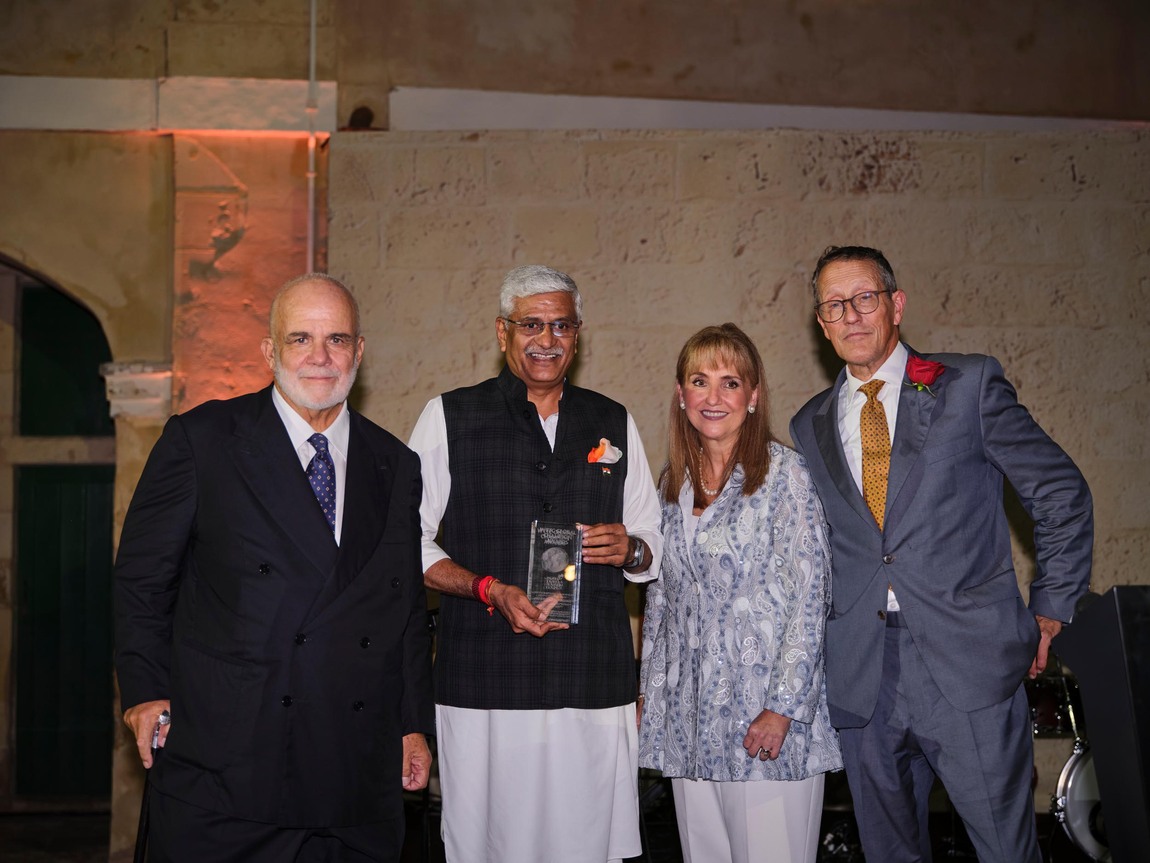
India’s delegation in Malta paired Tourism Minister Gajendra Singh Shekhawatwith industry leaders Puneet Chhatwal of IHCL, Gaurav Bhatnagar of TBO and Zubin Karkaria of VFS Global. Their discussion, moderated by CNN’s Richard Quest, addressed the practical challenges behind India’s tourism ambitions: expanding hotel capacity, improving connectivity, simplifying entry, and making trips easier to plan and book.
The session highlighted the opportunity Delhi 2027 presents: attracting investment and international visitors while showcasing experiences beyond the familiar Delhi–Agra–Jaipur Golden Triangle.
Richard Quest Gets Past the Sales Pitch
India came to Malta with a strong combination of government leadership and private-sector experience.
Joining Shekhawat were Puneet Chhatwal, Managing Director and CEO of Indian Hotels Company Limited; Gaurav Bhatnagar, Co-Founder and Joint Managing Director of TBO; and Zubin Karkaria, Founder and CEO of VFS Global Group. Together, they represented several essential parts of the visitor journey: tourism policy, accommodation, travel distribution and visa services.
Quest wasted little time on the standard destination sales pitch. India’s appeal, he made clear, was already understood. The question was how easily travelers could experience it.
That approach gave the discussion its energy.
Few countries can offer India’s combination of ancient heritage, spirituality, landscapes, cuisine and hospitality. But being on someone’s wish list is only the beginning. The next steps involve choosing an itinerary, securing entry permission, finding flights, booking accommodation and understanding how the journey will work.
The panel repeatedly returned to that gap between wanting to visit India and actually making the trip.
It did not establish why India won the summit selection process. It did, however, reveal a compelling business case for bringing global tourism leaders there.
An International Opportunity Built on Domestic Strength
India’s tourism story begins with a powerful advantage: a huge domestic market.
According to WTTC, travel and tourism contributed US$263.6 billion to India’s economy in 2025, supporting 46.2 million jobs. Domestic visitor spending reached US$203 billion, accounting for 86% of total travel and tourism spending.
For international investors, that balance matters. Hotels, transport operators and tourism businesses can serve substantial domestic demand while developing their international customer base.
The opportunity is therefore broader than persuading overseas visitors to discover India. It includes building the capacity to serve Indians exploring their own country, attending meetings, celebrating weddings and traveling for spiritual or family reasons.
Delhi 2027 will bring global executives into direct contact with that market—and with the businesses already helping it grow.
More Rooms, More Connections—and Less Waiting
Chhatwal’s central argument was that India needs to expand tourism supply more quickly.
He described demand running ahead of capacity and called for faster development across hotels, connectivity and supporting infrastructure. His message was about both the amount of investment needed and the time required to deliver it.
IHCL’s own expansion, he suggested, reflected confidence in the country’s hospitality prospects.
For travelers, these are practical issues. Hotel capacity affects prices, availability and the destinations that can comfortably accommodate visitors. Transport connections determine whether an attractive place is a realistic addition to an itinerary.
An extraordinary monument or landscape does not automatically become an accessible tourism destination. Visitors also need somewhere suitable to stay, dependable transport, knowledgeable guides, and services they can confidently book.
The panel’s discussion made clear that India’s next phase of growth will depend on developing those elements together.
The Visa Debate Gets Lively
Visa processing brought one of the panel’s more pointed exchanges.
Karkaria emphasized the progress made through online applications. Shekhawat defended the need to make access easier while maintaining security requirements. Quest pressed the panel on what happens when an application encounters a problem.
That exchange captured a challenge facing many destinations.
A digital process may work efficiently for most applicants, yet leave others uncertain about how to correct an error or obtain assistance. For the person trying to travel, the exception becomes the entire experience.
Clear instructions, accessible support and predictable handling matter because travelers often need to coordinate flights, accommodation and time away from work.
The panel presented India’s online visa arrangements as an important advance. Quest’s questions also underlined why helping travelers resolve difficulties deserves attention alongside processing straightforward applications.
The welcome begins before arrival.
India Beyond the Golden Triangle
Shekhawat wanted international travelers to see more of India than Delhi, Agra and Jaipur.
The Golden Triangle remains a powerful introduction to the country. But the minister argued that India’s tourism potential extends much further, across regions with distinct landscapes, traditions and experiences.

The discussion explored spiritual travel, wellness, heritage, business events, weddings and educational travel.
That diversity offers considerable scope for repeat visits. It also requires careful explanation. A traveler planning a first holiday needs help deciding which part of India to explore, how long to stay and what can comfortably fit into one journey.
Trying to sell the entire country at once can make that decision harder.
Clear regional itineraries and well-informed travel advisers can turn India’s scale into a reason to return. They can also help more communities benefit from visitor spending.
Today’s Backpacker May Be Tomorrow’s Luxury Guest
Bhatnagar described a tourism market spanning young travelers, luxury visitors, business guests and people arriving for weddings or events.
The discussion suggested that those audiences can overlap over a lifetime.
A traveler who first discovers India with a backpack and a modest budget may return years later for business, a family holiday or a stay in a palace hotel. An initial visit can begin a relationship with the destination that lasts decades.
That makes the quality of the first experience particularly important.
Bhatnagar emphasized educating travel advisers and making India easier to sell and book. Advisers need to understand the country’s geography, regional differences and the practical demands of an itinerary.
A visitor may be enthusiastic about India while still feeling unsure about where to begin. Helping that person make a confident choice is an essential part of converting interest into bookings.
Weddings Bring Celebration—and Serious Business
The conversation became particularly animated when it turned to weddings.
Behind the humor was a substantial commercial point. Large celebrations support hotels, caterers, transport companies, entertainers, event planners and local suppliers.
Chhatwal emphasized the importance of domestic business, including weddings, to hospitality revenues and profitability.
For international audiences accustomed to shorter celebrations, the scale and duration of Indian weddings can be remarkable. For the tourism industry, they demonstrate how culture and hospitality create demand across a wide range of businesses.
They also bring visitors into contact with experiences that conventional sightseeing alone may never provide.
Wellness, Spirituality and Another Reason to Stay Longer
Wellness and spiritual travel emerged as further opportunities.
Panelists discussed India’s traditions of healing, yoga, and travel rooted in faith or personal renewal. Such journeys can give visitors a reason to stay longer and explore beyond the usual sightseeing route.
The discussion also raised educational travel as a potential avenue for growth, including the idea that international students can build lasting connections with the country and encourage visits from family and friends.
These markets require different services and different approaches to promotion. Together, however, they reinforce the panel’s broader message: India can attract visitors for many reasons, at different stages of their lives.
Four Elements Behind the Tourism Ambition
Shekhawat outlined an approach built around political will, public spending, partnerships and people’s participation.
That framework connected government ambition with the practical responsibilities of industry and communities.
Public authorities create policy and invest in essential infrastructure. Businesses develop accommodation, visitor services and booking channels. Local people shape the experience through the encounters travelers have every day.
The discussion repeatedly returned to the need for those efforts to work together.
Better airports need useful onward connections. New hotels need trained employees. Promotion needs bookable experiences. Emerging destinations need services that can support the interest a successful campaign generates.
India’s size makes coordination demanding. It also makes the rewards potentially substantial.
Delhi 2027 Will Put the Promise to the Test
Hosting the WTTC Global Summit gives India an opportunity to let influential tourism leaders experience its progress directly.
The gathering can open doors to investment, distribution partnerships and new international business. Its lasting value will depend on whether those conversations lead to projects and visitor experiences that deliver.
India’s delegation in Malta presented a confident industry with considerable ambition. Its willingness to address practical obstacles made the discussion more persuasive than a succession of promotional speeches. The country already has a memorable invitation in “Incredible India.”
Delhi’s next task is to show the global travel industry how much easier that invitation is becoming to accept.




Leave a Comment