



PR
Free Space
照明産業における、LEDと有機EL照明デバイスの販売・照明器具の販売・製造装置・新技術・材料・流通・コスト・技術課題・国家プロジェクト・規制・標準化・安全など、幅広い分野の最新動向を経験豊富なアナリストが日々現地で追い求め、その収集データを世界的視点をもって分析しています。LEDと有機EL照明分野での新規事業の立ち上げなどをサポートさせていただきますので、下記までお気軽にお問い合わせください。
お申込み・お問い合わせは、TEL:03-6276-7661(担当:服部、籔本)までお願い申し上げます。
ブログリンク
>>LED照明の情報
>>有機EL照明の情報
>>環境と照明・エネルギーの情報
>>半導体・液晶産業の情報
>>中国ビジネス情報
>>LEDと有機ELデバイスの照明情報
売れ筋LEDシーリングライト

価格: 9,980円
(2013/9/30 07:57時点)
感想(2573件)

LEDシーリングライト4.5~6畳用《当店オリジナル》10年交換不要/1年保証付き/CL6N-E1P(4.5~6畳対応/一体型/3200lm/調光3段階)【送料無料】【0925IRIS】 [KDYS]
価格: 7,780円
(2013/9/30 08:00時点)
感想(1220件)

価格: 8,990円
(2013/9/30 08:00時点)
感想(1504件)
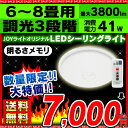
LEDシーリングライト6~8畳用【当店オリジナル】1年保証付き/CL8N-E1P(6~8畳対応/一体型/3800lm/3段階調光)【0925IRIS】 [KDYS]
価格: 7,980円
(2013/9/30 08:00時点)
感想(1058件)

シーリングライト YCL-999WH/Oibby-C1 カラー/クリーム LED電球対応/シーリングライト/スポットライト/インテリア照明/天井照明【6~8畳用】10P02jun13【RCP】
価格: 7,980円
(2013/9/30 08:01時点)
感想(638件)

価格: 9,990円
(2013/9/30 08:01時点)
感想(483件)

価格: 8,480円
(2013/9/30 08:01時点)
感想(561件)

シーリングライト OBC-904 【Oibby-C2/オイビーC2】 LED電球 対応 スポットライト インテリア照明 天井照明 【8~10畳用】10P02jun13【RCP】
価格: 6,980円
(2013/9/30 08:02時点)
感想(400件)

価格: 6,980円
(2013/9/30 08:04時点)
感想(571件)

価格: 12,800円
(2013/9/30 08:04時点)
感想(223件)

価格: 9,980円
(2013/9/30 08:06時点)
感想(173件)

価格: 24,799円
(2013/9/30 08:07時点)
感想(54件)

価格: 14,100円
(2013/9/30 08:08時点)
感想(44件)

価格: 36,900円
(2013/9/30 08:08時点)
感想(86件)

♪Panasonic HH-LC700A♪【送料無料】【代引手数料無料】パナソニック LEDシーリングライト リモコン付 8畳~12畳 ※明るめ8畳~10畳 調光、調色タイプ エコナビ搭載・省エネ
価格: 39,800円
(2013/9/30 08:09時点)
感想(32件)

パナソニック HH-LC562A LEDシーリングライト(8畳まで)調光、調色機能搭載リモコンあり【送料無料】
価格: 9,870円
(2013/9/30 08:10時点)
感想(32件)

価格: 19,800円
(2013/9/30 08:11時点)
感想(48件)

にほんブログ村
電源 LEDモジュール 照明市場 セミナー レポート 効率 LED照明 環境 白色LED 有機EL照明 SMD 全光束 光学 実装 冷却 LED蛍光灯 街路灯 電源 標準化 エネルギー省 東芝 レポート 効率 LED照明 環境 白色LED 放熱 熱管理 全光束 光学 実装 冷却 LED蛍光灯 街路灯 電源 標準化 エネルギー省 省エネシステム セミナー レポート 効率 特許戦略 LEDバックライト SSL LED照明メーカ ドイツ 効率 韓国 動向 中国 次世代 最新情報 philips GE 台湾 コンデンサー デザイナー LM79 LM80 計測標準
白色 東芝ライテック 政策 スタンレー電気 助成金 環境省 標準化 ANSI C78.377 高効率 北米照明学会 発光効率 特許戦略 LEDバックライト SSL LED照明メーカ ドイツ 効率 韓国 動向 中国 次世代 最新情報 philips GE 台湾 コンデンサー デザイナー LM79 LM80 計測標準 セミナー 白色 東芝ライテック ドレスデン工科大学 政策 スタンレー電気 助成金 環境省 KS規格 標準化 C78.377 高効率 北米照明学会 発光効率 LEDバックライト SSL LED照明メーカ ドイツ 効率 韓国 動向 中国 次世代 最新情報 philips GE 台湾 コンデンサー デザイナー LM79 LM80 計測標準 セミナー 白色 東芝ライテック政策 スタンレー電気 助成金 環境省 標準化 ANSI C78.377 高効率 北米照明学会 発光効率 工業会


◆◇在庫限り◇◆ フィリップス 直管形LEDランプ 《マスターLEDチューブ》 40W形 色温度5000K ダミーグロースタータ付属 LEDTUBEGA1200MM19W850G13C
価格: 3,990円
(2014/2/28 09:43時点)
感想(4件)
Crime dramas frequently depict detectives interrogating suspected criminals under bright lights to get the truth out of them. Now, a new study may lend credence to this tactic, as it suggests human emotion - both positive or negative - is experienced more intensely under bright lights.
The research, conducted by investigators from the University of Toronto Scarborough in Canada and Northwestern University in Illinois, was published in the Journal of Consumer Psychology.
In a total of six studies - under different lighting conditions - the team asked participants to rate several things, including spiciness of chicken wing sauce, aggressiveness of a fictional character, feelings about certain words, how attractive someone was and the taste of two juices.
Alison Jing Xu, assistant professor at the University of Toronto, says previous studies have shown that people are more optimistic about the stock market, report higher well-being and are more helpful during sunny days, whereas being exposed to gloomy days for long periods of time can result in depressive feelings.
However, she and her team observed something else:
"Contrary to these results, we found that on sunny days depression-prone people actually become more depressed," she says, referring to suicide rates peaking during the sunshine of late spring and summer.
The results of this latest study show that emotions are experienced more intensely under bright lights.
For example, in the brighter room, participants wanted spicier chicken wing sauce, felt the fictional character was more aggressive, found the women more attractive and felt better about positive words and worse about negative words.
Additionally, the participants drank more of the "favorable" juice and less of the "unfavorable" juice.
Because most everyday decisions are made under bright light, the researchers say their findings suggest that turning down the light may allow us to make more rational decisions or settle negotiations in a better way.
They say the reason emotions are more intense under bright lights may be because light is perceived as heat, and the perception of heat can trigger emotions.
"Bright light intensifies the initial emotional reaction we have to different kinds of stimulus including products and people," Xu explains, and adds that this effect may be stronger on brighter days during midday when sunlight is at its strongest.
She also says their findings could benefit marketers, who could adjust lighting levels in retail environments, depending on the products for sale:
"If you are selling emotional expressive products such as flowers or engagement rings, it would make sense to make the store as bright as possible."
This is not the first study to assess how different environmental factors can affect our perspectives. Medical News Today recently wrote about a study that suggested paranoia increases when viewing situations from a lower height.
And another recent study found that eye movement speed is linked to impulsive decision making.
Written by Marie Ellis
Sunday 23 February 2014


