


PR
Calendar
Category
Hiekka aikaa
(731)Suomi
(322)Lappi
(53)Kuksa ククサ
(23)Luonto
(25)erämaa
(18)huomio
(162)muovimalli
(32)musiikki
(301)eläinpelastus
(79)veitset (knives)
(41)Olkoon voima kanssasi!
(35)剣の巻
(37)今は昔
(21)陽明学
(441)道家思想
(126)孫子兵法
(12)人鏡論
(13)海外通販/個人輸入
(26)日本独立計画
(49)隷属への道
(25)多目的道具
(206)現代甲冑考 - Modern Armors -
(80)実用物具考
(85)民間防具考
(177)民間防衛
(219)戦ふ日本刀
(97)實戦刀譚
(103)臨戦刀術
(94)古傳鍛刀術
(2)北欧
(118)西欧
(260)中欧
(35)彫金
(20)意匠
(58)『傭兵たちの挽歌』
(141)2011 jalkeen
(34)TORIAEZ
(11)Needle Felted Animals
(262)Weekly SAK
(597)Weekly SL
(485)Weekly EXP
(39)Keyword Search
▼キーワード検索
2026年10月
2026年09月
2026年08月
2026年07月
2026年06月
2026年09月
2026年08月
2026年07月
2026年06月
2026年05月
2026年04月
2026年03月
2026年02月
2026年01月
2026年04月
2026年03月
2026年02月
2026年01月


2015年04月08日

テーマ: 理力と共に(35)
カテゴリ: Olkoon voima kanssasi!
Photo By JamesCostas

エマソン選集4 個人と社会
原島善衛 訳 日本教文社 発行
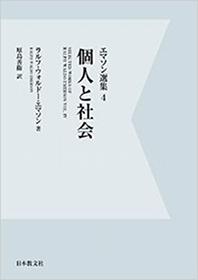
宇宙一元論と ラルフ・ウォルドー・エマソン 19
われわれが偉人から受ける奉仕は、相互の尊敬である。
もし諸君が、卑俗な人びとを相手とすれば、
実際、人生はこじきの状態に低下する。
天文学者は月に大気があるかどうかをしきりに知りたがる。
わたくしはただすべての人が大気に包まれていることに関心をいだく。
しかしわたくしの観察によれば、
一種類の大気をつくるのにふたりの人を必要とする。
わたくしは、周囲を包むこの雲をともなって世の中を行く人びとを知っている。
ただ来さえすればじゅうぶんなのだ。
太陽や夕空でも彼らほど静穏ではない。
彼らは事実に到達して、外見を追い払っておだやかな心境にあるようにみえる。
家の内外における彼らの作法とふるまいは、休憩中の人びとに似ている。
彼らは隠しあるいは見せるものを持っているのだろうか?
物質的価値以外の属性の全部をはぎとる人びとにも出会う。
諸君がどの程度の健康と筋肉を持っているか、
どの程度の土地と部屋と夕食を所有するかという問題が、
彼らにとって有意義なのである。
もちろん、人間は骨を入れたあわれな袋である。
1インチもいんぎんに間隔をあけようとはせず、骨と骨とはぶつかり合っている。
このように人生は「こじきのやぶ」なのである。
経済学者がやるように、われわれが実益の大小によって待遇されて、
想像力と感情が飢餓にひんするときほど、
下品でわびしい気持ちを誘うものをわたくしはしらない。
このように生命力が貧困化されるときほど、
わたくしはおおかみのような「飢餓」に出会うような気がする。
われわれはこれらのやせた牝牛に遭遇するよりもむしろ、
生きているかぎり孤独にしていようではないか。
人間は人間を解放すべきである。
この解放は、押し合うのではなく自己を隔離することによって実現される。
友人が近くにいればいるほど、われわれの領土は広く、
われわれが住む球体の直径は長くなる。
当然のこととして受け入れられる事物の数は、教養を測る尺度である。
ある人が語ろうとすると、意地の悪い人は最初の言葉をとらえて論争するので、
彼は話そうとする分野に はいることができなくなる。
賢い人は、自己の見解において当惑を感ずる箇所に類似する議論に会うまで、
万事を当然のこととして受け入れるのだ。
わたくしは、勇気があり寛大な人びとの義務を記述して
この話を長引かせようとはおもわない。
しかし、そのひとつをあえて挙げておこう。
それは騎士の称号をかちえるためのほとんど唯一の条件である。
それは諸君が属する社会層に対する忠誠さである。
真の貴族とは、自分の社会層の先頭に立つ人であり、
非忠誠とは、ほかの騎士階級を自分の階級であると誤解することである。
彼に敬意を分割させてはならず、
自分がそこに生まれて維持する運命となっている層を代表させようではないか。
ガスタヴス 〔訳註・アドルファス・ガスタヴズ2世、スウェーデン国王 1574 - 1632 〕 は
騎兵と将軍の任務をよく区別しないで、
あらゆる危険にわが身をさらして貴重な血を極度に浪費したとの抗議を出された。
おもうに、高尚な任務をになっている魂の持ち主は、
彼のための特別でしかも高尚な義務を認識しているから、
低級な寛容さに目がくらんで、
自己に所属しない任務を引き受けるような危険には陥らないのだ。
(『エマソン選集4 個人と社会』「貴族主義について」P.247 ~ 249 )
The service we receive from the great is a mutual deference.
If you deal with the vulgar, life is reduced to beggary indeed.
The astronomers are very eager to know whether the moon
has an atmosphere;
I am only concerned that every man have one.
I observe, however, that it takes two to make an atmosphere.
I am acquainted with persons who go attended with this ambient cloud.
It is sufficient that they come.
It is not important what they say.
The sun and the evening sky are not calmer.
They seem to have arrived at the fact, to have got rid of the show,
and to be serene.
Their manners and behavior in the house and in the field are those of
men at rest:
what have they to conceal? what have they to exhibit?
Others I meet, who have no deference,
and who denude and strip one of all attributes but material values.
As much health and muscle as you have, as much land,
as much house-room and dinner, avails.
Of course a man is a poor bag of bones.
There is no gracious interval, not an inch allowed. Bone rubs against bone.
Life is thus a Beggar’s Bush.
I know nothing which induces so base and forlorn a feeling as when
we are treated for our utilities, as economists do,
starving the imagination and the sentiment.
In this impoverishing animation, I seem to meet a Hunger, a wolf.
Rather let us be alone whilst we live, than encounter these lean kine.
Man should emancipate man.
He does so, not by jamming him, but by distancing him.
The nearer my friend, the more spacious is our realm,
the more diameter our spheres have.
It is a measure of culture, the number of things taken for granted.
When a man begins to speak,
the churl will take him up by disputing his first words,
so he cannot come at his scope.
The wise man takes all for granted until he sees the parallelism of that
which puzzled him with his own view.
I will not protract this discourse by describing the duties of the
brave and generous.
And yet I will venture to name one,
and the same is almost the sole condition on which knighthood is to be won;
this, namely, loyalty to your own order.
The true aristocrat is he who is at the head of his own order,
and disloyalty is to mistake other chivalries for his own.
Let him not divide his homage, but stand for that
which he was born and set to maintain.
It was objected to Gustavus that he did not better distinguish
between the duties of a carabine and a general, but exposed himself to
all dangers and was too prodigal of a blood so precious.
For a soul on which elevated duties are laid will so realize its special and
lofty duties as not to be in danger of assuming through a low generosity
those which do not belong to it.
Aristocracyby Ralph Waldo Emerson from The Complete Works.
Boston: Houghton, Mifflin, 1904
お気に入りの記事を「いいね!」で応援しよう

Last updated
2015年04月10日 02時50分02秒
[Olkoon voima kanssasi!] カテゴリの最新記事
-
"May the force be with you" 宇宙一元論… 2015年06月24日
-
"May the force be with you" 宇宙一元論… 2015年06月17日
-
"May the force be with you" 宇宙一元論… 2015年06月10日


【毎日開催】
15記事にいいね!で1ポイント


© Rakuten Group, Inc.
