



全て
| カテゴリ未分類
| 2002
| 2003
| 2004
| 2005
| 2006
| 2007
| アーカイブス
| 2022
| 2021
| 2023
| まちづくり
| 教育
| 宙(そら)学入門
| 郷土
| 生命
| ランドスケープ
| 環境
| 政経
| 文化
| 科学
| ものづくり
| スクラップ
| 建築
| 土木
| デジタル
| 私見
| スポーツ
2026.06.02

カテゴリ: ランドスケープ
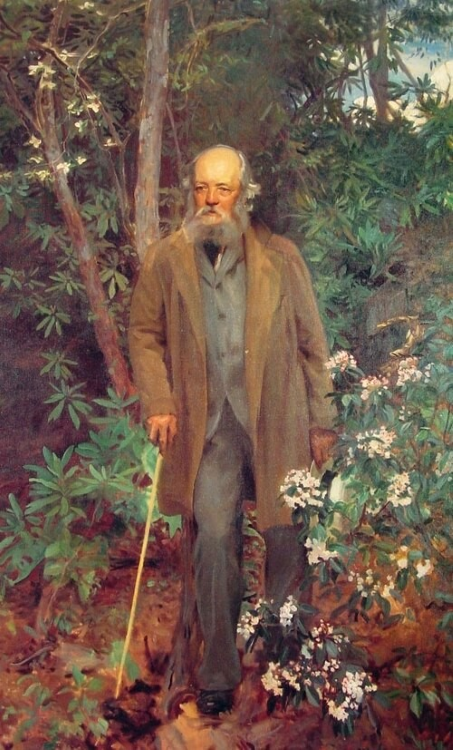
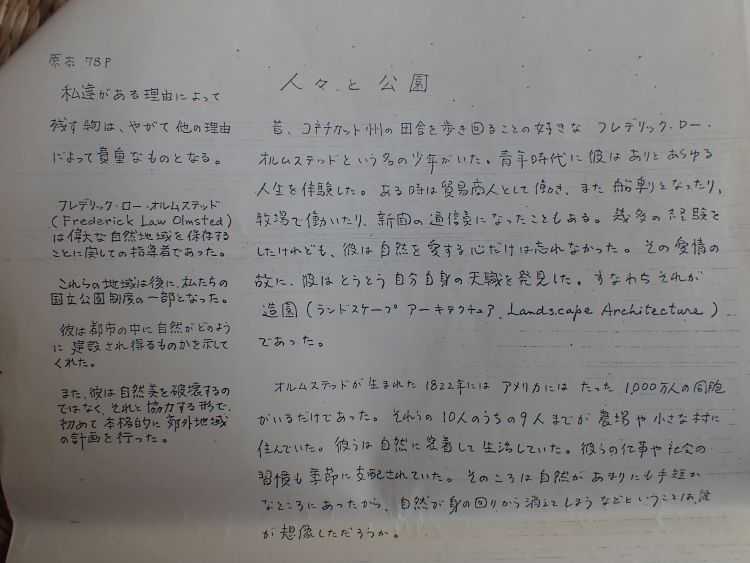
ジャーナリスト、社会評論家、公共管理者でもあり、彼は アンドリュー・ジャクソン・ダウニング とともに、一般にアメリカ人造園界の父であると考えられている。また紀行作家でもある。
ジャーナリズムとしては1854年、テキサスのイーグルパスを訪れ、多くの奴隷狩人や逃亡奴隷がピエドラス・ネグラスの町に住んでおり、またダンカン砦の兵士やならず者が利用する多くの酒場や賭博場があることを知り、奴隷制度廃止論者アドルフ・ドゥエイと共に新聞を買収、論を展開した。
オルムステッドの作は、シニア・パートナー・カルバートヴォーとの共同設計でニューヨーク市にある セントラルパーク やプロスペクトパークなど、その都市で有名かつよく知られている公園を含め、アメリカ初の市立公園エルムパーク(ウースター (マサチューセッツ州))など多くの人に認識されている。
オルムステッドが関与していた同国初のという冠が付く他のプロジェクトは、最も古い協調システムが含まれているニューヨーク・バッファローの公共の公園やパークウェイ、 ナイアガラの滝:同国最古の州立公園、 イリノイ州リバーサイド ; 米国で最初の計画されたコミュニティの一つ、 ケベック州モントリオールのマウントロイヤルパーク、 ボストンのエメラルドネックレス、 ハイランドパーク ; ニューヨーク・ロチェスター、 デトロイト川ベルアイルパーク ; ミシガン州デトロイト、 プレスクアイルパーク ; ミシガン州マルケット、 公園でのグランドネックレス ; ウィスコンシン州ミルウォーキー、 チェロキー公園内全体の公園やパークウェイシステム ; ケンタッキー州ルイビル、 735エーカー(297ヘクタール)の森公園:マサチューセッツ州スプリングフィールド、 アメリカの最初の公共用プール、 ジョージワシントンヴァンダービルトII エステート:ノースカロライナ州アッシュビル、 など。
引用サイト: こちら
アンドリュー・ジャクソン・ダウニング
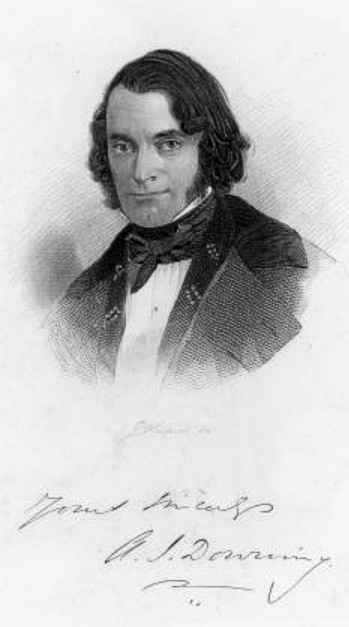
アンドリュー・ジャクソン・ダウニング(Andrew Jackson Downing、1815年10月31日-1852年7月28日)は、アメリカ合衆国の造園家。苗木商経営者。植物学と田園住宅に造詣が深く、その著書は庭園設計の基準とされ世界的な名声を博した。
引用サイト: こちら
カルバート・ヴォークス
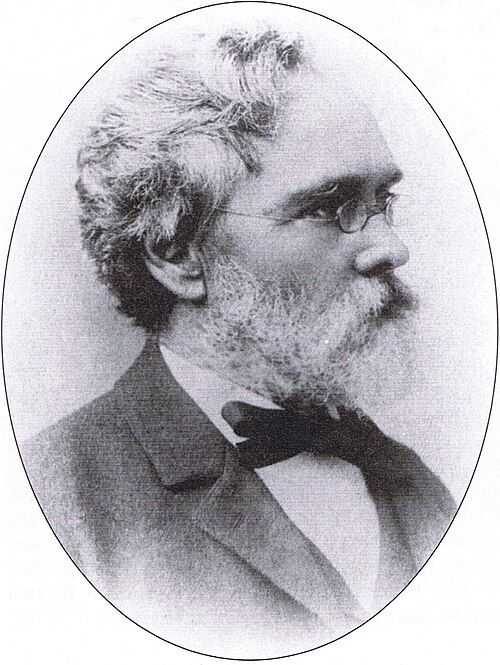
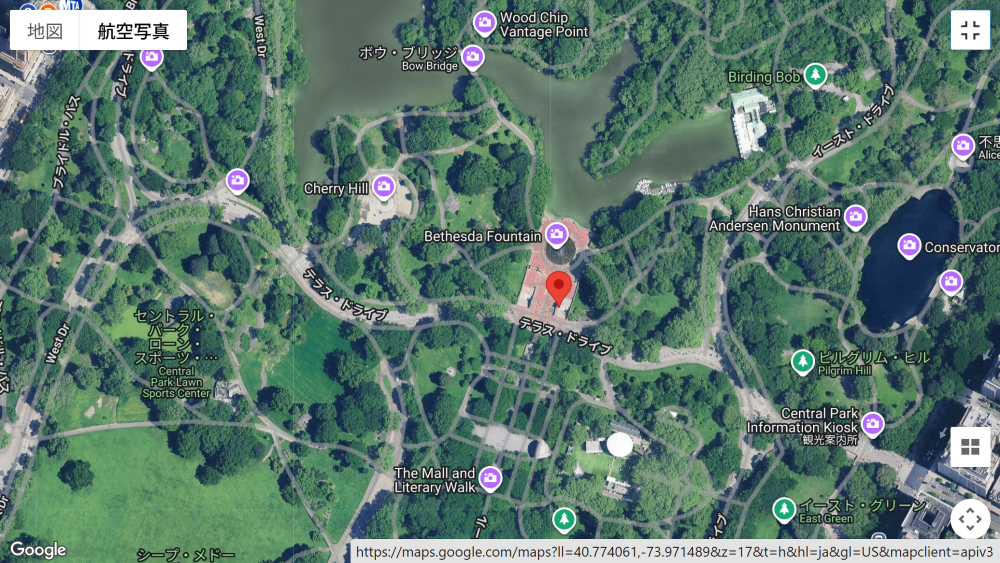
1857年、ヴォークスは、それまで景観設計の経験がなかったフレデリック・ロー・オルムステッドを、後にニューヨーク市のセントラルパークとなるグリーンスワード計画の協力者として迎え入れました。二人はグリーンスワード計画によってこの依頼を獲得しました。この計画は、ヴォークスの景観描写の才能を駆使し、敷地のビフォーアフターのスケッチを盛り込んだ優れたプレゼンテーションでした。二人は共に、当初の設計が損なわれることなく確実に実行されるよう、幾度となく政治的な闘いを繰り広げました。セントラルパークの建造物はすべて彼の設計によるもので、ベセスダ・テラスはその好例です。
1865年、ヴォークスとオルムステッドはオルムステッド・ヴォークス社を設立し、ブルックリンのプロスペクト・パークとフォート・グリーン・パーク、マンハッタンのモーニングサイド・パークの設計を手掛けました。シカゴでは、1868年にリバーサイド・インプルーブメント・カンパニーのために最初の郊外開発計画の一つを策定しました。また、ニューヨーク州バッファローの大規模公園プロジェクトの設計も委託され、ザ・パレード(現在のマーティン・ルーサー・キング・ジュニア公園)、ザ・パーク(現在のデラウェア公園)、ザ・フロント(現在のフロント・パーク)などが建設されました。
引用サイト: こちら
セントラルパーク
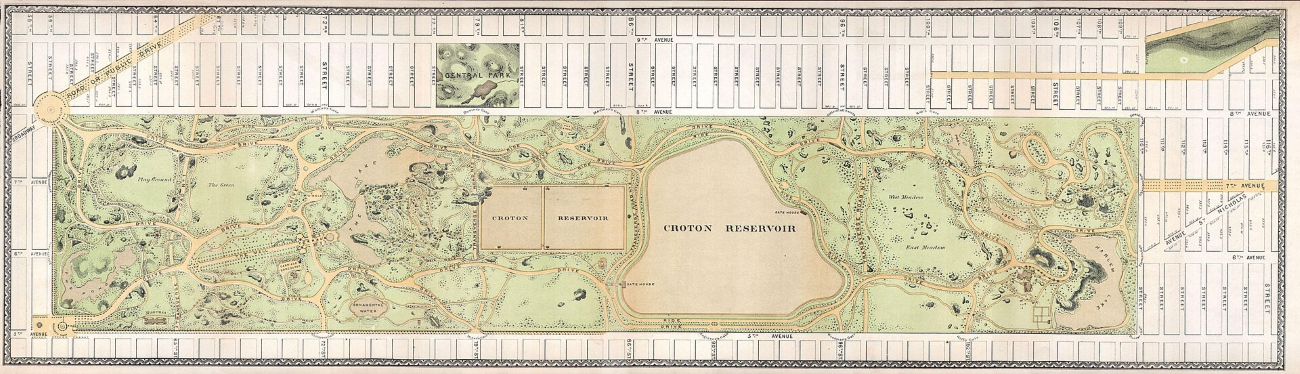
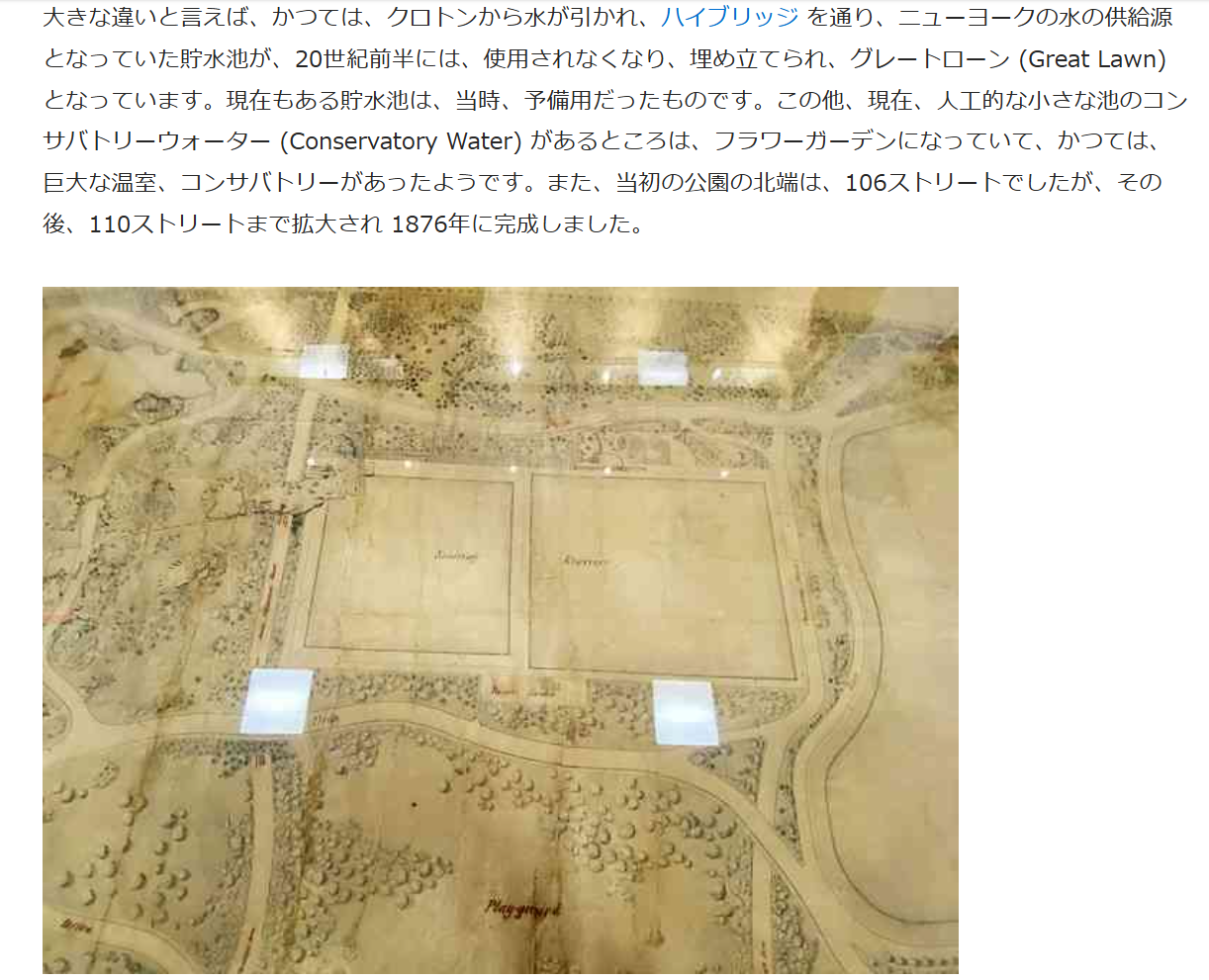
修正されたグリーンスワード計画の図面、1868年
1856年6月、フェルナンド・ウッド市長は公園開発に対する国民の信頼を高めるため、7人からなる「コンサルティング委員会」(Consulting Board) を設立し、作家のワシントン・アーヴィングを会長とした。ウッド市長は軍事技師のエグバート・ルドヴィクス・ヴィエル(英語版)を公園のチーフエンジニアとして雇い入れ、公園用地の地形調査を行わせた。翌年4月、州議会は計画と建設のプロセスを独占的に管理していた4人の民主党員と7人の共和党員からなるセントラル・パーク委員会の設立を承認する法案を可決した。ヴィエルはすでに公園の計画を立てていたが、コミッショナーはこれに取り合わず地形調査のみを完了するように促した。そしてセントラル・パーク委員会は、設立直後にランドスケープ・デザインコンテストを開催した。セントラル・パーク委員会はコンテストの開催にあたり、コンサルティング委員会の指示に従い各区画に非常に詳細な仕様の指定を行った。コンテストには33の企業や組織が参加し計画案を提出した。
1858年4月、セントラル・パーク委員会はフレデリック・ロー・オルムステッドとカルヴァート・ヴォークス(英語版)によるグリーンスワード計画 (Greensward Plan) をコンテスト受賞計画に選択した。また、この他3つの計画が次候補に指定され、市の展示会において取り上げられた。提出された多くの計画がセントラル・パークを中心に周辺の都市と効果的に統合したものであったのに対し、オルムステッドとヴォークスの計画は周囲の土地より低い位置に公園を作り周辺の都市と公園を明確に分離するものであった。また、この計画は公園を東西又は南北対称とすることを避け、代わりにより美しいデザインを構築している。このデザインはマサチューセッツ州ケンブリッジのマウント・オーバーン墓地やブルックリン区のグリーンウッド墓地などの、造園された墓地の牧歌的なデザインに影響を受けているほか、オルムステッドが1850年に訪れたイギリス・イングランドのバーケンヘッドにある、世界初の公的資金により作られた都市公園とされるバーケンヘッド・パーク(英語版)の影響も受けている。オルムステッドはこの公園について「最も重要な民主的発展を遂げたこの国で作られた最初の本格的な公園として、非常に重要である」(Of great importance as the first real Park made in this country—a democratic development of the highest significance) と語っている。
引用サイト: こちら
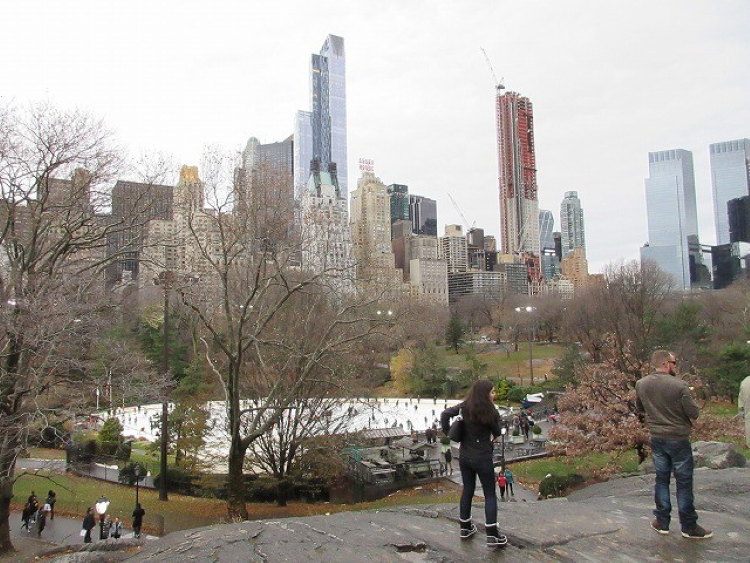
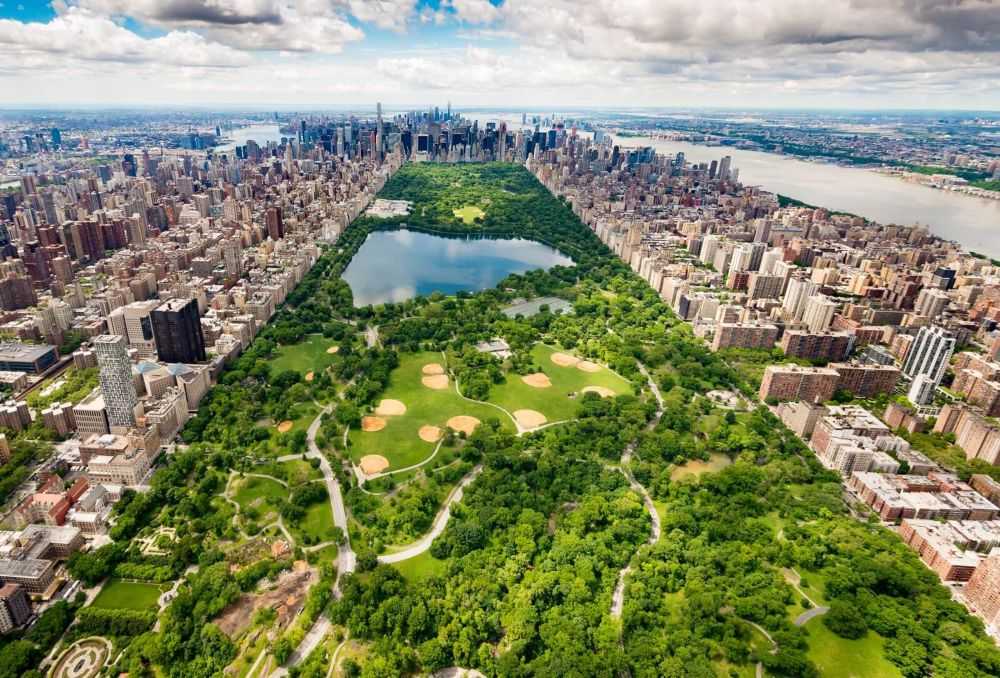
背景にそびえ立つビルが特徴的。
元々の地形を活かして見晴や池が配置されている。
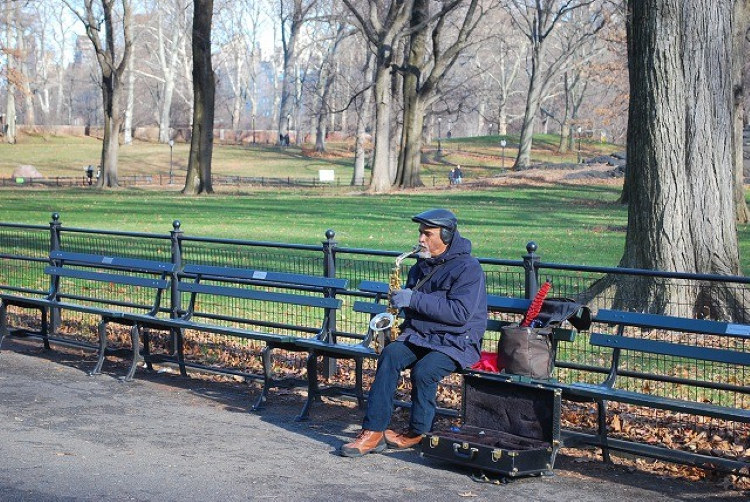
園内にベンチは約9,000基ある。
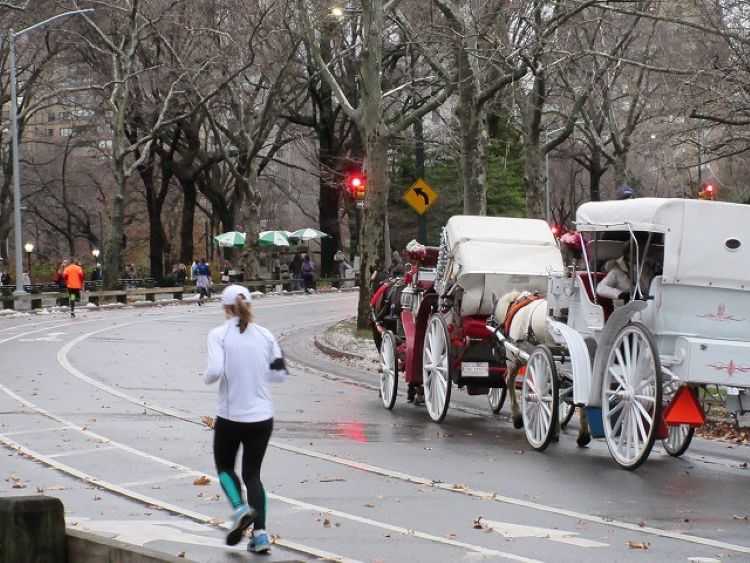
観光客の目をひく馬車。徒歩、ランナー、サイクリング、馬車・車用に分かれた園路は
オルムステッドの提案が元になっている。
引用サイト:公園文化WEB こちら
関連サイト:フレデリック・ロー・オルムステッド 言葉 こちら
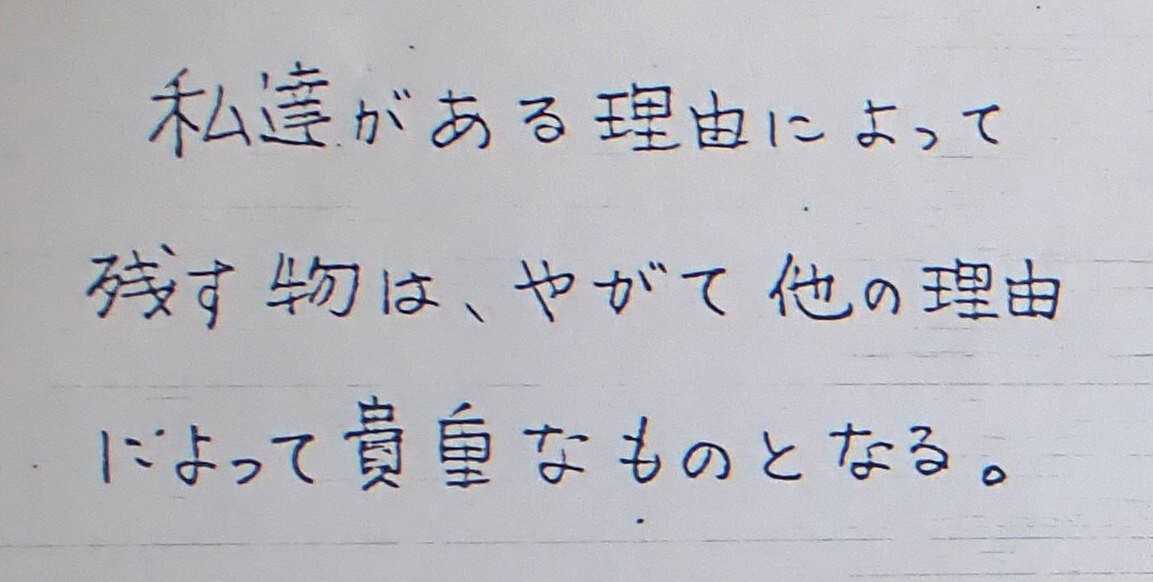
「公園は共和国の肺である。誰もが同じ芝生の上を歩けるように」
この言葉の背景
36 歳のオルムステッドが建築家カルヴァート・ヴォーと共に Central Park 設計競技で「Greensward Plan」を一等に勝ち取り、主任建設監督(Architect-in-Chief)として着工した年の年次報告書。公園は単なる緑地や娯楽施設ではなく「共和国の機能する装置」― すなわち階級・富・出自を越えてすべての市民が同じ芝生の上を歩ける唯一の公共空間である ― という彼の哲学の原型。この民主的空間論は Prospect Park(1867-73)、Emerald Necklace(1878-96)、ビルトモア(1888-95)と生涯にわたり具体化され、アメリカ都市の骨格を景観として決定づける。本句は直訳の引用ではなく、複数の報告書に分散した論旨を編者が本文脈のために凝縮した意訳扱い。
関連サイト:公園は誰のものか? 芝生の上に、民主主義の形は描けるか? こちら
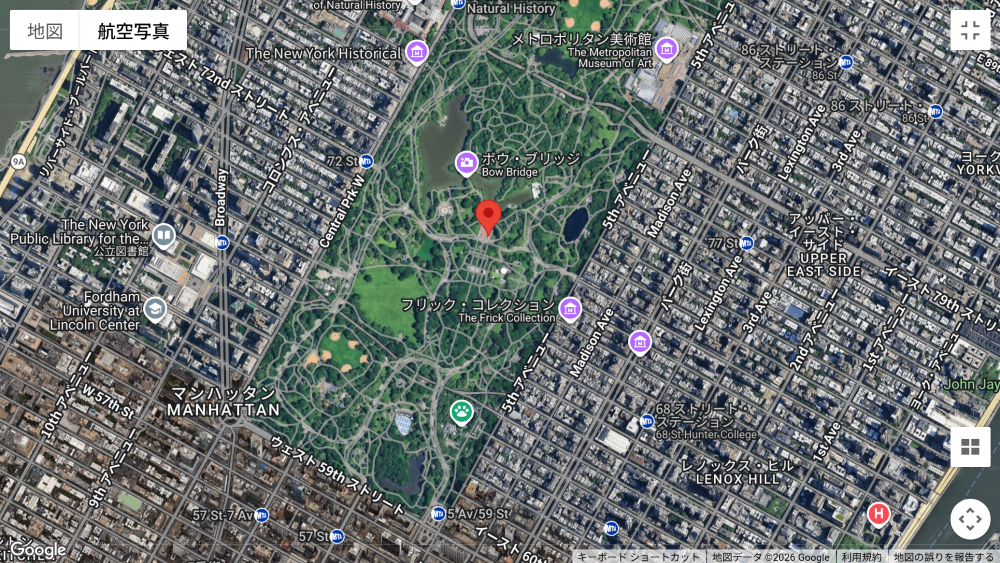
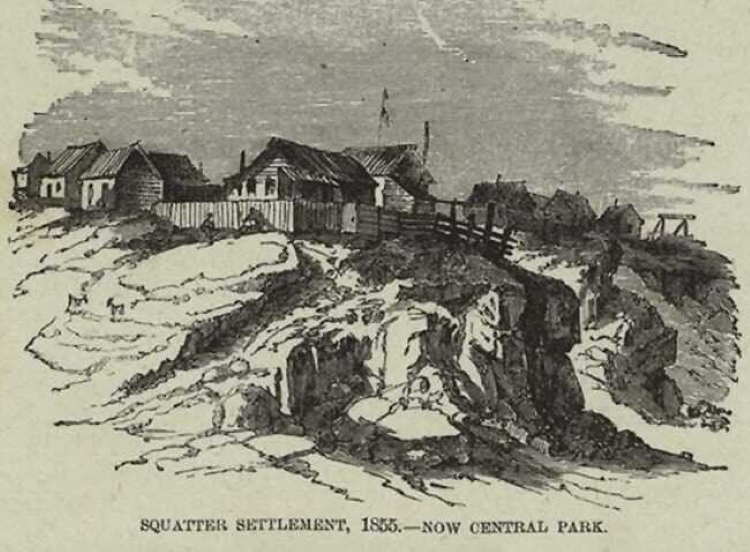
1857 年秋、ニューヨーク市中央公園委員会(Central Park Commission)が公園建設の入札を公募した。Central Park は 1853 年に立法化された世界最初級の「市民のための大規模公共公園」事業で、面積 843 エーカー(341 ha、現在の面積と同じ)。場所はマンハッタン中央部、59 丁目から 110 丁目まで、当時は岩盤と湿地と不衛生な貧民スクオッター(セネカ・ビレッジ、アフリカ系自由民と移民の 1,600 人が居住していた)の広がる未造成地だった。
同年末、建築家カルヴァート・ヴォーが無名の農夫上がりのオルムステッドを共同応募者に誘った。ヴォーは英国出身でダウニング(米国初の景観建築家)の相棒だった経験から、ハドソン・リヴァー・スクール的な自然主義景観と公園建設に関心があった。1858 年 4 月 28 日、二人の案「Greensward Plan」(芝生の広がる公園構想)が、応募 33 案のうち一等に選ばれた。
Greensward の構想 ― ① 4 つの交差道路(65 丁目 / 79 丁目 / 86 丁目 / 97 丁目)を公園下に掘り下げて交差させ、公園景観を断絶しない(現代の「サンクン・トランスヴァース」、地下道の先駆)、② 岩盤露出を削らず自然の地形を生かした景観、③ 芝生・森・水系・岩場の 4 種類の景観モードの連続、④ 馬車道・歩道・乗馬道・交差道路を完全に動線分離、⑤ アーチ橋・東屋などの人工物は鉄と石を慎重に使い、景観に溶け込ませる ― これらは以後のあらゆる都市公園設計の標準となる発明だった。
建設着工は 1858 年 8 月、オルムステッド 36 歳、ヴォー 34 歳。共同設計きょうどうせっけい者ヴォーと役割を分け合いながら、オルムステッドは主任建設監督(Architect-in-Chief、後に主任景観建築家しゅにんけいかんけんちくか)として、3,000-4,000 人の労働者を指揮した。着工と同時に広大なセネカ・ビレッジ地区は強制収用され、住民は追放された(この暗い史実は 2010 年代にコロンビア大学の考古学調査で改めて光を当てられることになる)。1859 年までに湖(Lake)、1862 年までにモール、1863 年にランブル、1873 年に終局的開園。南北戦争を挟んで、完成まで 15 年を要した。
03
公園設計の哲学 ― 民主的空間としての芝生
オルムステッドの景観哲学は、単なる庭園技法ではなかった。公園は共和国の機能する装置である、という強い確信があった。
(1) 階級を越える共有空間。19 世紀半ばのニューヨーク市は、急激な人口流入(1850 年 51 万人 → 1870 年 94 万人 → 1900 年 344 万人)の圧力下で、労働者街と富裕住宅街の分離が進みつつあった。オルムステッドは「公園は、貧民と富裕層が同じ芝生の上を、同じ歩みで歩く唯一の場所である」(『Central Park 第一次年次報告』1858)と書いた。この民主的機能 ― 芝生の上に階級差は現れない ― こそが公園の第一義だった。
(2) 静寂(pastoral)と崇高(picturesque)の交替。一枚岩の広い芝生に立つと視界が開けて気持ちが鎮まる(静寂的景観、pastoral)。隣接する岩場に入り込むと鬱蒼うっそうと木陰が迫り不思議な高揚がある(崇高的景観、picturesque)。この 2 モードを一つの公園内で交互に配置することで、都市生活者の精神的疲労が段階的に解体されるとオルムステッドは考えた。イギリス風景庭園(ランプトン・ハンフリー・レプトンらの 18 世紀系譜)の米国的応用。
(3) 労働の不可視化。公園の景観から、造成の人工性・労働の痕跡を徹底的に隠す設計原則。実際の Central Park は、湖・山・芝生・森の全てが土運搬・岩爆破・植栽・配水の組合せで人工的に造られたのだが、完成した景観からはその痕跡が消されている。「自然は造られるのではない、呼び起こされるのだ(Nature is not created, it is called forth)」というオルムステッドの設計原則は、日本の枯山水・借景の感性とも響き合う。
(4) 商業広告の排除・動物の制限・法的保護。公園内の看板・商業広告・動物放牧を制定条例で厳しく制限し、「公園は商業空間ではない」という原則を制度的に守った。現代の「パブリック・スペース」概念の起源の一つ。
これらの哲学は、単に Central Park の事業記録として残されただけでなく、アメリカ全土の数百の都市公園と大学キャンパスと国立公園の設計思想として連続的に適用される。
関連サイト:2022.04.22 生誕200周年 こちら
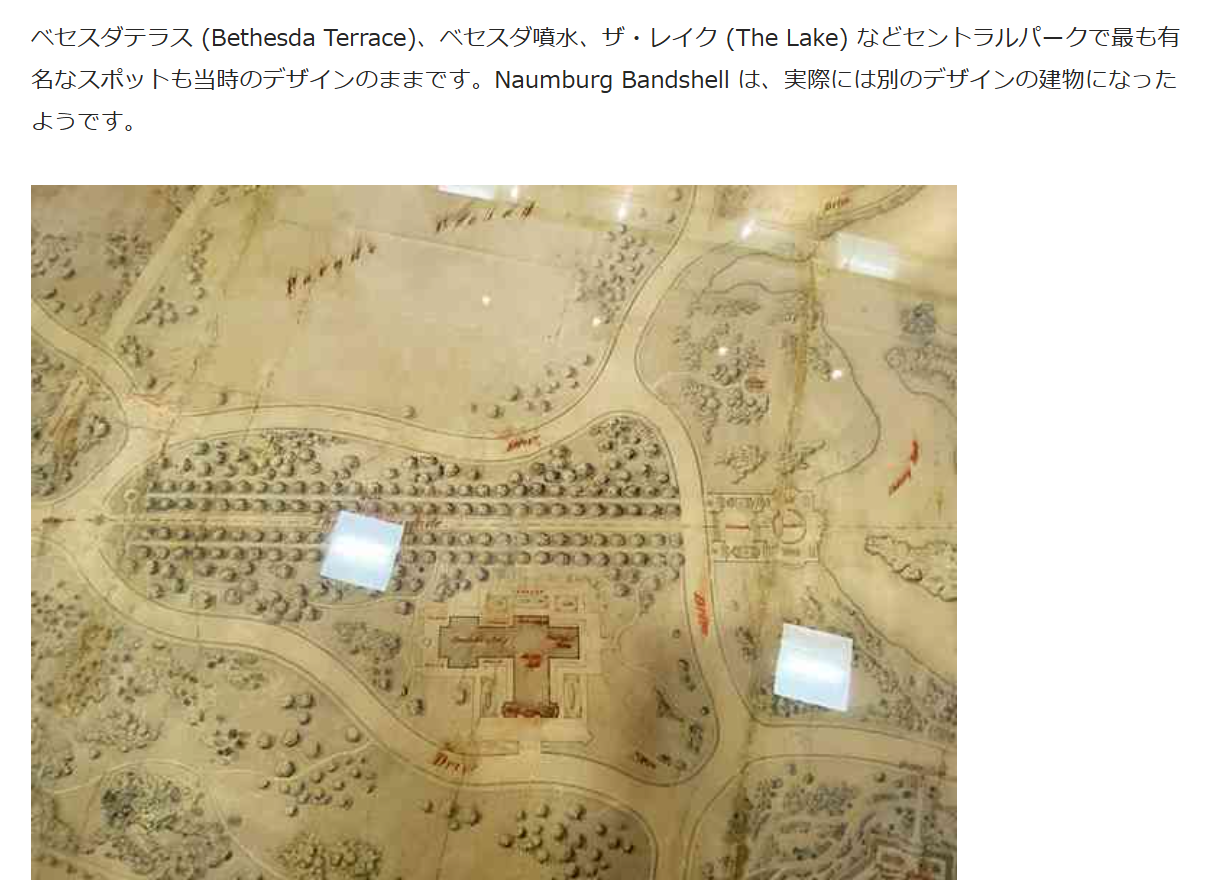
・・・・
・・・・
画像引用: こちら
・・・・

・・・・
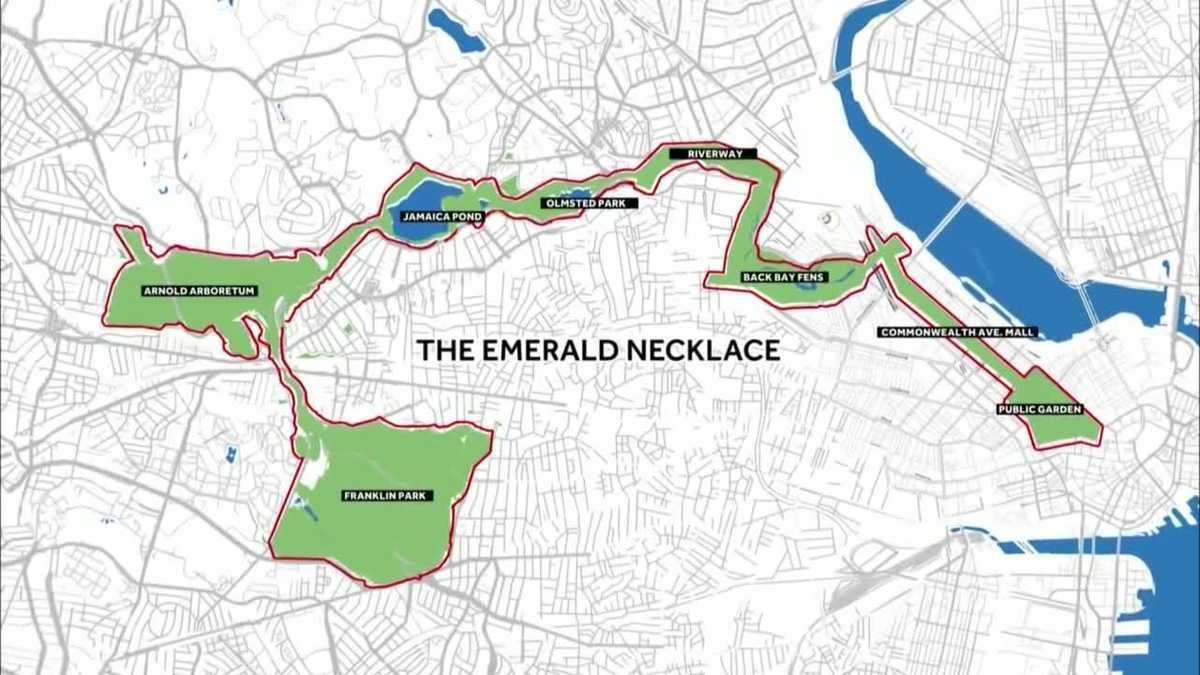
関連サイト:ボストンのエメラルド ネックレス パーク
ボストン コモン
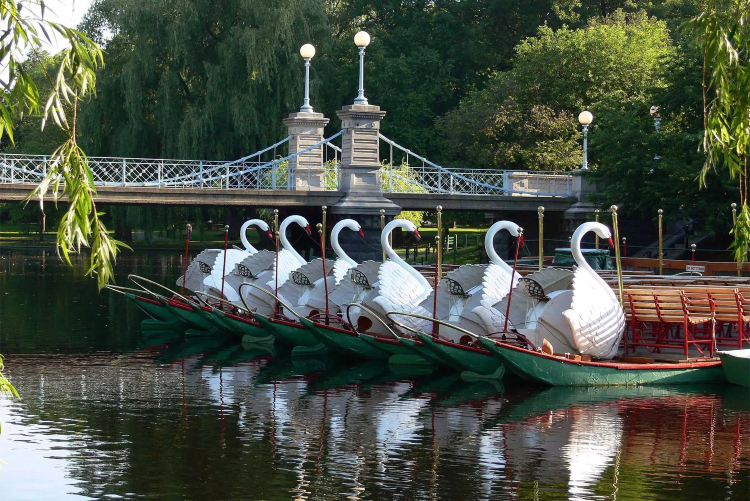
ザ・パブリック・ガーデン
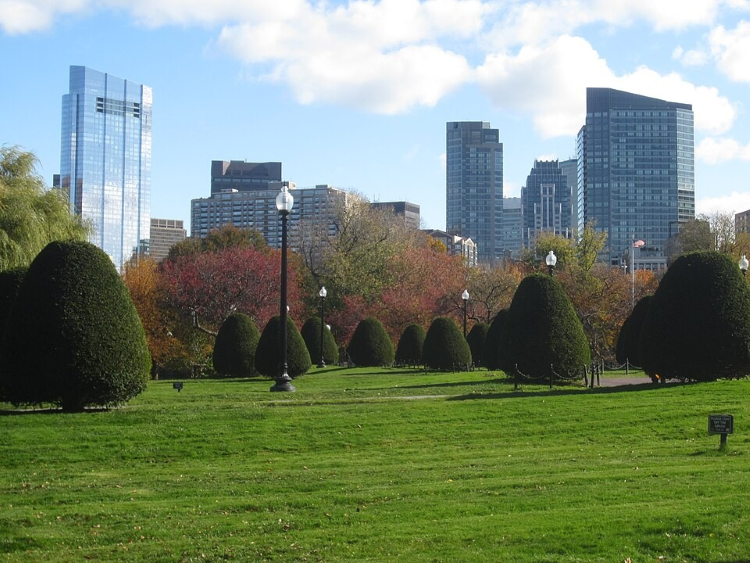
画像引用: こちら
コモンウェルス アベニュー モール
ザ・フェンズ
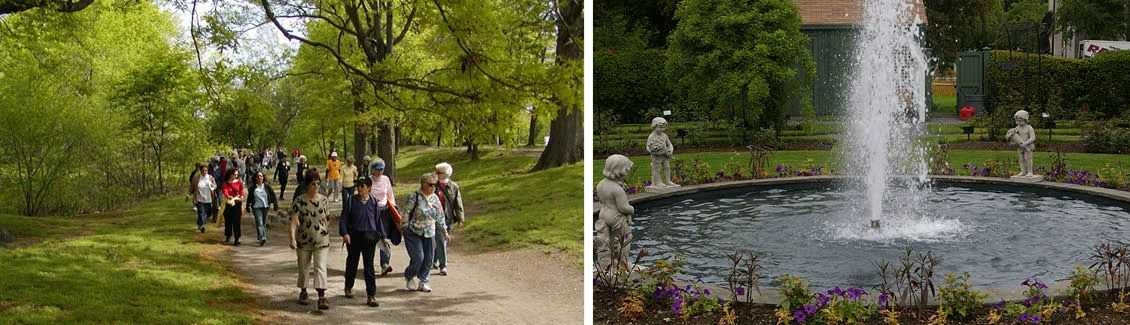
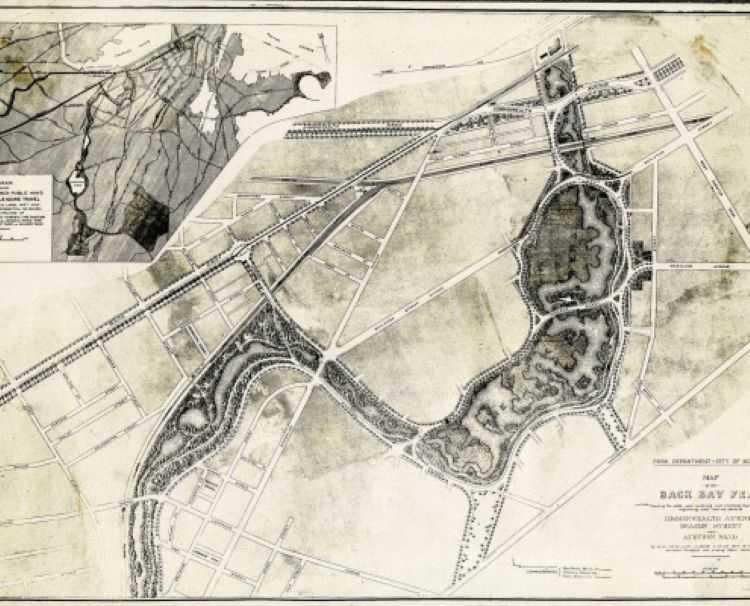
1878年から、オルムステッドのバックベイでの課題は、洪水を引き起こし公衆衛生を脅かす停滞した塩水湿地の回復でした。造園と衛生工学を組み合わせ、オルムステッドの努力は悪臭の強い潮汐の小川や沼地を、森林に覆われた岸辺の景勝地の池へと変貌させました。水の蛇行に興味を持たれている。オルムステッドはこの地域をバックベイ・フェンズと改名しました。
1910年、チャールズ川のダム建設によりフェンズは淡水湿地となりました。時が経つにつれ、著名なランドスケープアーキテクトのアーサー・シャークリフは、1920年代から1930年代に流行したよりフォーマルなランドスケープスタイルを採用し、ボールフィールドやケレハー・ローズガーデンなどの新しい特徴を加えました。
ザ・リバーウェイ
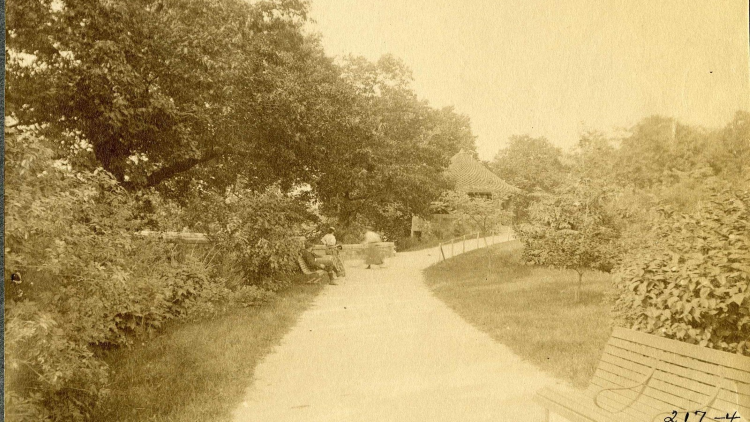
リバーウェイ、ジョブ #00930、ボストン、マサチューセッツ州
オルムステッド・アーカイブ
画像引用: こちら
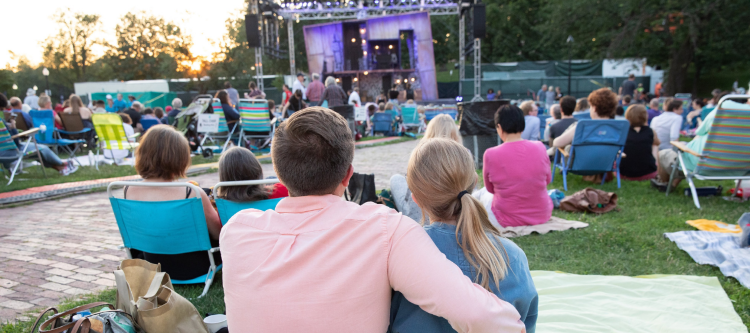
オルムステッド パーク
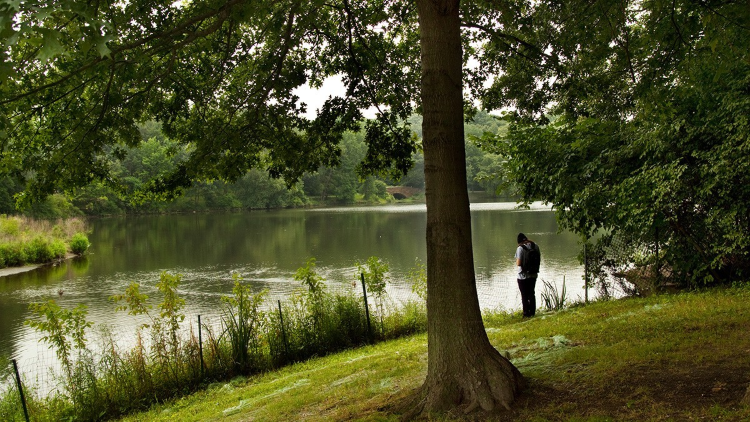
オルムステッドパーク、ボストン、マサチューセッツ州 - 写真提供:エメラルドネックレス保存協会、2020年
画像引用: こちら
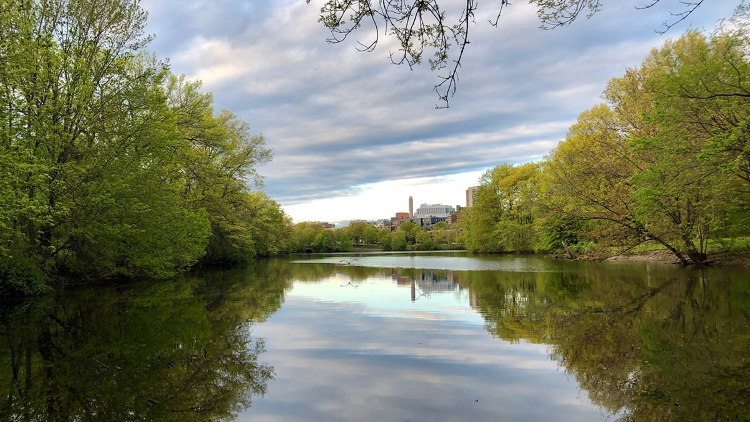
ジャマイカ池
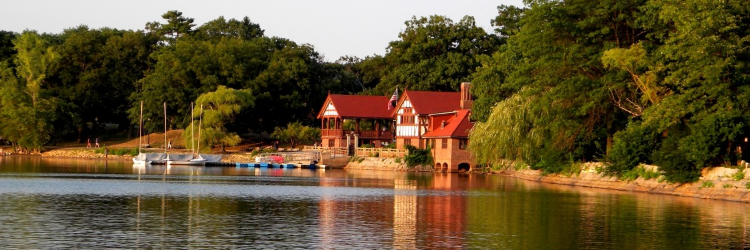
アーノルド樹木園
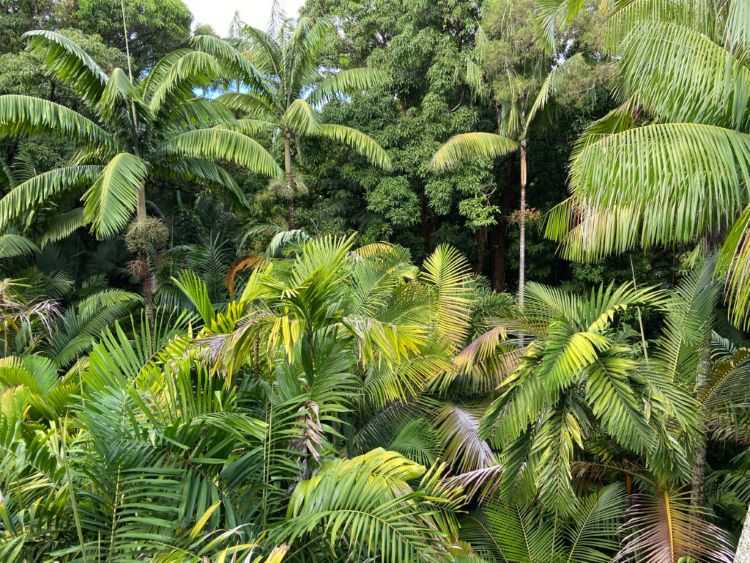
フランクリン・パーク
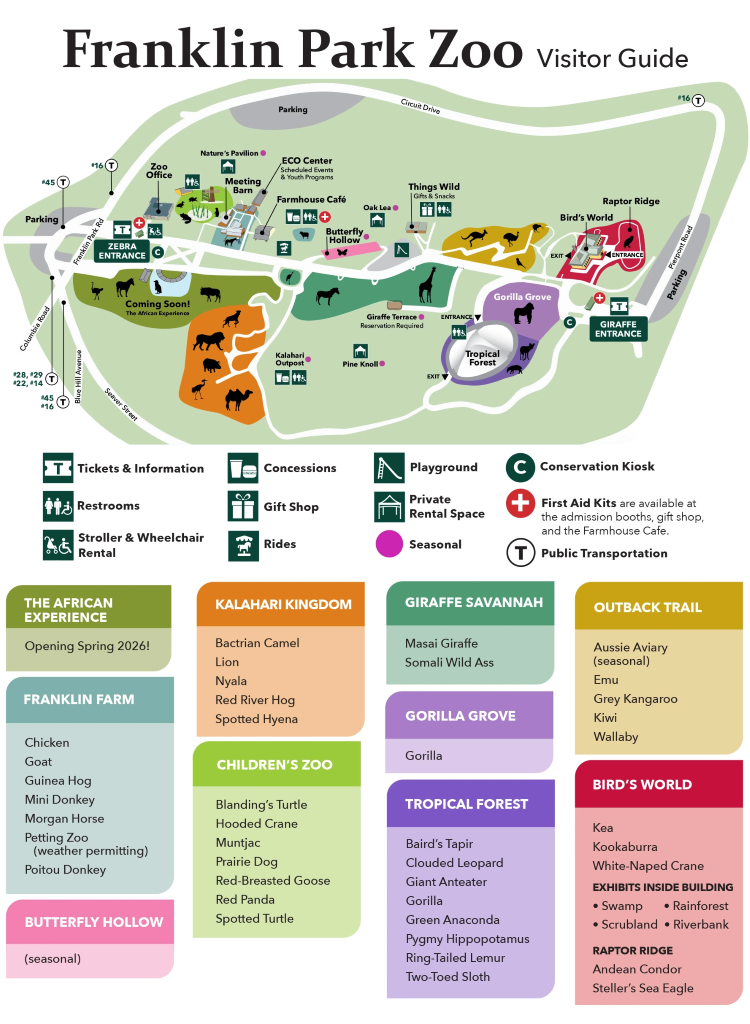
・・・・
関連日記:2026.05.06の日記 米芸術文学アカデミー こちら
・・・・追記
積読一撮:ある資料にあった 名言
関連サイト:セントラルパーク160年の歴史を知ると2人の人物に感謝せずにはいられなくなる。 こちら
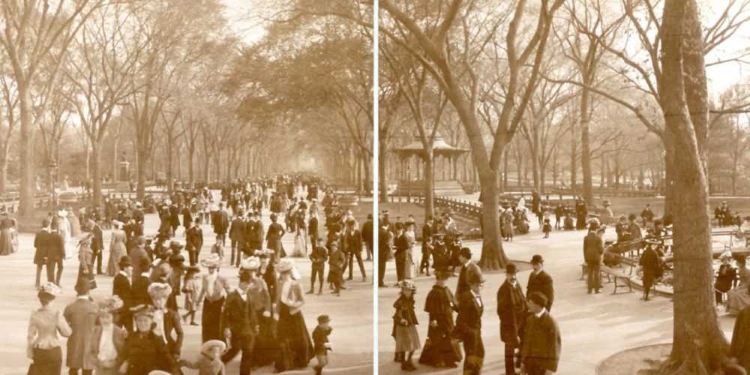
New York City’s population was growing exponentially in the mid-19th century. A large influx of immigrants were coming to Manhattan and living in crowded, unhealthy conditions. The City’s grid system, which was rolled out in 1811, included plans for a number of small open spaces, but nothing close to the scale of Central Park now.
ニューヨークの人口は19世紀半ばに飛躍的に増加しました。多くの移民がマンハッタンに流入し、群がって暮らしていて、不健康な状態でした。1811年に公表されたニューヨークの碁盤の目の街づくりで多くの小さな公園も計画されましたが今のセントラルパークのスケールに近いものは何もありませんでした。
With this in mind, civic-minded philanthropists and City leaders sought to build a Park that would provide New Yorkers with plenty of green space and put New York City on the map as a world-class destination. In 1853, state officials approved funds to purchase the land from 59th to 106th Streets, between Fifth and Eighth Avenues.
このことを心配した公共心をもった慈善家と市のリーダーが公園の建設を考えました。それは、ニューヨーク市民に豊富な緑地をもたらすとともに、地図上でニューヨーク市を世界が目指す目標として記録するものでした。1853年に市議会は59丁目から106丁目までと5番街と8番街の間の土地を購入するための基金創設を承認しました。
The land was rocky and swampy, previously home to small farms and settlements. Also running through the site was Kingsbridge Road, one of only two roads that ran the length of Manhattan and provided a route to northern cities. Government officials needed help turning this varied landscape into an urban park.
その土地は岩や沼だらけで、かつては小さな農場と入植者の住処でした。そしてその土地を貫いてキングスブリッジロードありました。当時あったマンハッタンを北方面に貫くたった2本の道の1本でした。市の議員たちにはこの多様な景色を都市公園に変えるために助けが必要でした。
お気に入りの記事を「いいね!」で応援しよう

[ランドスケープ] カテゴリの最新記事
-
風景印の旅:東田端郵便局 北区 2026.10.13
-
気まぐれ散歩:菅田庵 向月亭 松江市 2026.10.12
-
風景印の旅:飛鳥山前郵便局 北区 2026.10.12


【毎日開催】
15記事にいいね!で1ポイント


© Rakuten Group, Inc.
