


PR

Adward Jonnas
Adward Jonnasのブログへようこそ
カレンダー
2026.09
2026.08
2026.06
カテゴリ
カテゴリ未分類
(2)Fashion
(2)Business
(1)Lifestyle
(4)Financial
(1)Technology
(3)Automotive
(2)Digital Marketing
(1)Travel
(1)Food
(1)Home Smart Decoradtech: Redefining Modern Living in Style
The Unexpected Rise of the Pappedeckel: Germany’s Eco-Friendly Food Revolution
The Art of Relaxing at Home: How to Create Your Perfect Comfort Space
How to Android Install APK: A Complete Guide for 2025
コメント新着
キーワードサーチ

The Unexpected Rise of the Pappedeckel: Germany’s Eco-Friendly Food Revolution
In a world obsessed with convenience, single-use plastics have long dominated the food container and packaging industry. However, the humble pappedeckel —literally translating to “cardboard lid” from German—has emerged as a surprising hero in promoting sustainability. It represents a shift not only in how we package food but also in how we think about minimizing waste in our daily meals, cafes, and takeaways.
Let’s explore how this unassuming cardboard lid is shaping food culture, environmental responsibility, and business innovation across the globe.
What Exactly Is a Pappedeckel?
In its simplest form, a pappedeckel is a paper or cardboard-based lid used to cover disposable cups, food containers, or takeaway bowls. While it might seem like a small adjustment, replacing plastic lids with biodegradable alternatives can dramatically reduce landfill waste and microplastic pollution.
Originally gaining attention in Germany, the concept of using a recyclable, compostable paper lid quickly resonated with eco-conscious consumers. A pappedeckel is not just a lid—it’s a symbol of responsible consumption and a statement against unnecessary plastic.
From Berlin Cafés to Global Coffee Chains
The adoption of the pappedeckel started modestly across local cafés in Berlin. Eco-minded baristas who wanted to serve takeaway drinks without contributing to plastic waste turned to cardboard alternatives. Soon, this idea spread across Europe and has now taken root globally.
Major coffee and food chains have begun integrating pappedeckel-style lids into their serving systems. These lids offer the same practicality and durability as plastic, maintaining insulation, preventing spills, and even providing a better tactile experience for customers.
In places like Japan—where platforms like Ameba Blog
encourage lifestyle awareness and trends—the pappedeckel has become part of everyday sustainability discussions. People share posts about eco-friendly cafés, creative packaging, and the increasing shift toward greener consumption habits.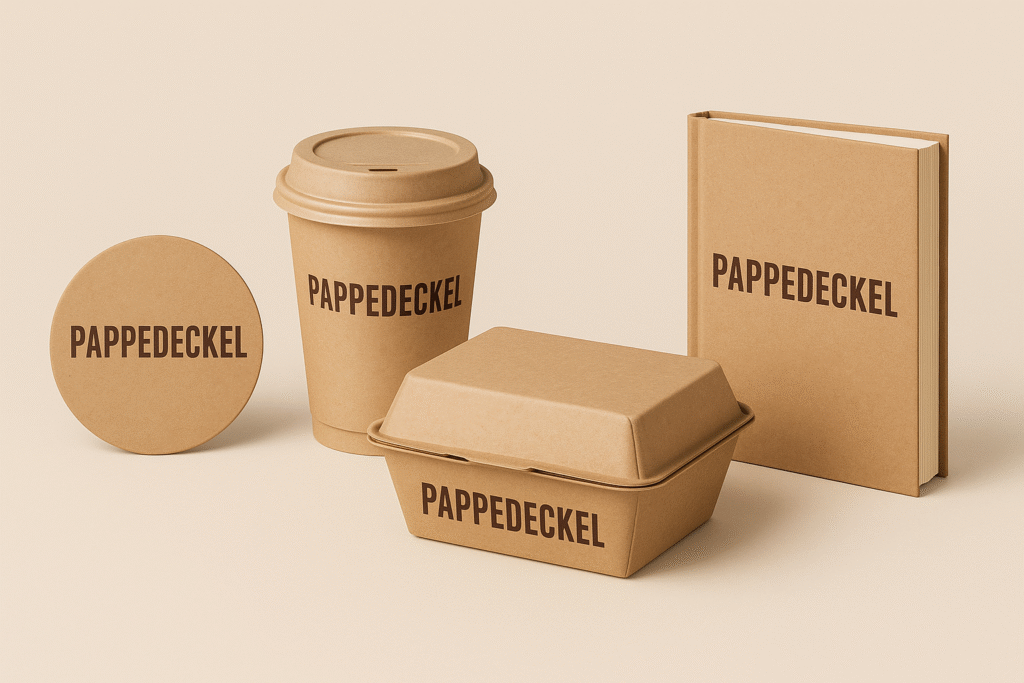
The Environmental Impact of a Small Innovation
Switching to a pappedeckel might sound like a minor change, but its environmental benefits are substantial. A typical plastic lid takes hundreds of years to decompose. In contrast, a pappedeckel made of recycled materials breaks down naturally within months under composting conditions.
Here’s why this matters:
Reduction in Waste Volume: Paper lids occupy much less landfill space.
Lower Carbon Footprint: The production process of cardboard requires less energy compared to plastic.
Improved Recycling Systems: Cardboard is easier to collect, process, and reuse.
No Microplastics: Unlike plastic lids, pappedeckel does not release harmful particles into soil or water.
By replacing millions of plastic lids used daily worldwide, the cumulative effect can be astonishing. A small lid change can lead to tons of saved plastic and a significantly cleaner environment.
The Pappedeckel in the Food Industry
Aside from beverages, pappedeckel solutions have quickly expanded into the broader food takeaway industry . Restaurants now use similar paper-based lids for soups, stews, salads, and desserts. Brands producing eco-friendly packaging see pappedeckel as part of a unified system that includes paper bowls, cups, and compostable cutlery.
The food sector, always sensitive to consumer perception, finds that using eco-materials like pappedeckel enhances its brand image. Customers appreciate transparent sustainability practices, especially when these actions align with global climate goals and regulations against single-use plastic.
Innovation and Design in Pappedeckel Products
Over the years, pappedeckel has evolved from simple flat paper covers to advanced molded designs that combine functionality with comfort. Manufacturers have introduced lids that:
Fit snugly on standard cups without leaking.
Include small drink spouts or breathing holes.
Resist moisture and maintain structural integrity for hot drinks.
Feature natural wax or plant-based lamination for added durability.
Creative packaging designers see the pappedeckel as more than just a lid—it’s a branding surface . Many cafés now print their logos or sustainability messages directly on the lid, turning a disposable item into a storytelling element that reflects their eco-conscious values.
Consumer Behavior and Cultural Shift
The acceptance of pappedeckel reflects a deeper cultural transition. People are no longer content with convenience at the cost of the planet. They want their consumption choices to matter. In Germany, eco-awareness has long been part of the national ethos, and the popularity of cardboard lids mirrors that mindset.
International markets, including Japan, the US, and South Korea, are following suit. On social media and blogs like Ameba , users frequently highlight their chosen sustainable products and daily habits. Pappedeckel posts often receive engagement from communities who admire minimal, reusable, and recyclable designs.
Challenges and the Future of Sustainable Lids
While pappedeckel is a major improvement, the road ahead isn’t without challenges. Paper production still requires resources like water and wood fiber. Ensuring that materials are sourced responsibly and processed sustainably remains key. Additionally, moisture resistance and fit precision are still areas of innovation.
Future development focuses on integrating biopolymer coatings made from corn or sugarcane —natural elements that improve waterproofing while maintaining compostability. Many startups are racing to design the “perfect eco-lid”—lightweight, cost-efficient, and fully degradable.
Final Thoughts
The pappedeckel
might appear trivial at first glance, but it embodies the spirit of environmental transformation. It shows how tiny lifestyle choices can collectively drive significant ecological impact. From small coffee shops in Berlin to internationally trending topics on Ameba Blog Japan
, this cardboard lid symbolizes a new era of responsible, mindful living.
More info too visit
plaza rakuten


