
A NA HOLDINGS INC. (ANA HD) today revealed its Medium-term Corporate Strategy for FY2026–2028, outlining an expansive growth roadmap that leverages Japan’s aviation market rebound, technology investments, and the strategic expansion of international passenger and cargo operations ahead of the anticipated 2029 Narita Airport expansion.
The plan, titled “Soaring to New Heights towards 2030,”sets ambitious targets to scale the business across passenger and cargo segments by 1.3 times, with a focus on digital transformation, fleet modernization, and strengthening ANA Group’s global competitiveness.
Strategic Priorities
1. International Network Growth
ANA Group aims to significantly expand its international passenger business — targeting a 1.3× growth in Available Seat Kilometers (ASK)by FY2030, largely centered around Narita Airport’s future expansion and Hamada’s existing hub capabilities.
- The international strategy will prioritize North America and Asian markets, with enhanced connectivity and schedules once Narita increases capacity.
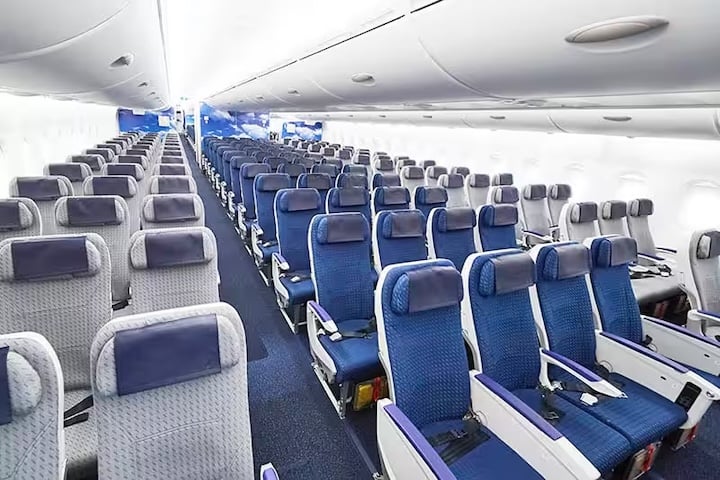
- Starting August 2026, ANA will begin receiving new Boeing 787-9 aircraftfeaturing updated cabins across all classes to improve passenger comfort and competitiveness.
- Peach, the Group’s low-cost carrier, is also set to grow its international footprint and contribute to leisure and inbound travel demand.
This expansion builds on earlier plans to increase ANA’s international flight frequencies to 105 % of the previous yearin FY2026 and enhance flexibility in seasonal offerings.
2. Cargo Operations & Combination Carrier Strategy
ANA Group plans to strengthen its cargo business as a strategic growth engine, expanding international cargo capacity by 1.3×by 2030.
- The integration with Nippon Cargo Airlines (NCA)— following its acquisition in 2025 — is central to this strategy. The Group expects ¥30 billion in synergy effectsfrom closer collaboration between ANA and NCA.
- ANA will focus on expanding cargo routes, especially between Asia–Europeand Asia–North America.
- Last year, ANA already began reorganizing its cargo business to accelerate decision-making and optimize costs following the NCA integration, signaling early steps toward this long-term vision.
This focus on cargo complements earlier FY2026 operational plans that included increased freighter flights from Narita to Bangkok and expanded NCA services to U.S. destinations.
3. Domestic Market Optimization & Profitability
While international growth takes center stage, ANA HD recognizes domestic passenger travel remains essential but challenging.
- The plan emphasizes supply-demand optimizationand improving profitability across domestic routes, including efficiencies through new aircraft introductions.
- ANA has previously signaled that domestic capacity was set around 98 % compared with prior yearsin FY2026, suggesting cautious balancing between demand and cost pressures.
- ANA will also monitor regulatory discussions in Japan related to the broader domestic aviation industry’s competitive landscape.
DX, Human Capital & Fleet Strategy
ANA Group’s strategy places heavy emphasis on digital transformation (DX)and empowering employees, with a record-high ¥2.7 trillion investmentplanned over five years.
- Around ¥270 billionis earmarked for digital initiatives aimed at boosting productivity, operational efficiency, and customer experience.
- The Group plans to scale its fleet to around 330 aircraftby strategically introducing newer, fuel-efficient models to both grow capacity and reduce environmental footprint.
Human capital initiatives focus on strengthening global and digital talent pipelines while improving employee well-being and productivity.
Financial Goals & Shareholder Returns
- ANA HD is targeting record-high operating incomeof ¥250 billion by FY2028 and ¥310 billion by FY2030 , aimed at sustaining a 10 % operating margin.
- Shareholder value initiatives include a new interim dividend systemand plans to broaden shareholder benefits from mid-2026.
Industry Context & Research Insights
Post-COVID Aviation Recovery
Global aviation demand has strengthened markedly since pandemic lows, with inbound tourism in Japan hitting historic levels (over 42 million visitors reported in 2025), fueling international route demand. (
Narita Airport’s upcoming capacity expansion (to 500,000 annual slots)is expected to markedly enhance ANA’s ability to compete with other major hubs in Asia, aligning with government goals of growing inbound tourism and international connectivity.
Competitive & Operational Challenges
While international demand has rebounded, structural pressures remain in domestic aviation—rising costs and capacity competition are ongoing concerns. ANA’s strategic pivot toward profitable international and cargo businesses reflects shifting market conditions post-COVID.
Environmental pressures are also shaping long-term fleet and service decisions, with fuel efficiency and sustainability becoming integral to growth strategy planning.
Conclusion
ANA HOLDINGS’ FY2026–2028 Medium-term Corporate Strategy outlines a multi-dimensional transformation, blending growth-oriented service expansion, cargo integration, and digital acceleration with financial discipline. With a strategic eye on 2030 milestones — particularly the Narita expansion — ANA is positioning itself not just as a leading Japanese carrier, but as a formidable global competitor in a rapidly evolving aviation landscape.







Leave a Comment