
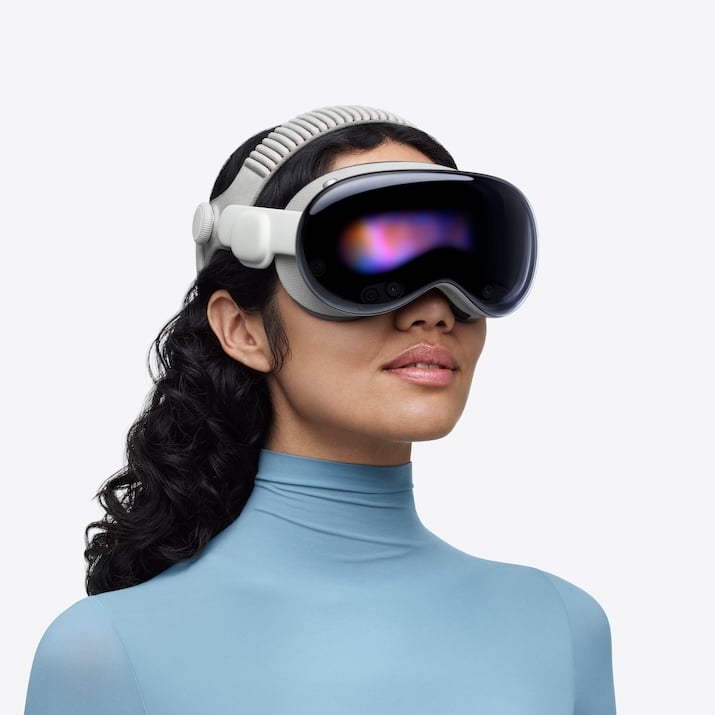
BERLIN, January 13, 2026— Immersive technology is moving from novelty to mainstream across global tourism, as destinations increasingly use augmented reality (AR), virtual reality (VR), and “digital twin” replicasto make travel more interactive, accessible, and resilient. From AR city walks that reconstruct vanished streetscapes to museum-grade VR that drops visitors onto the Moon, travelers are no longer just seeing places—they’re activating them.
The shift is especially visible in the United States, United Kingdom, Bahamas, France, Germany, and Belgium, where tourism boards, museums, and city operators are rolling out experiences that blend storytelling, navigation, education, and gamified discovery.
What “immersive tourism” looks like in real life
Tourists typically use immersive tools in three moments: before they travel, while they’re on-site, and after they return.
1) Before the trip: “Try it before you fly”
VR previews and digital exhibitions are increasingly used to reduce uncertainty and inspire bookings—particularly for long-haul travelers and families.
- The Smithsonian National Museum of Natural Historyoffers online virtual tours that let users explore exhibit spaces remotely—often used for trip planning or classroom-style pre-visits.
- Industry research groups tracking traveler tech behavior note that consumer tech adoption is expanding fast and that immersive tech remains part of the broader “traveler + tech” toolkit (even as GenAI has recently surged).
How tourists use it:they browse a virtual gallery, decide which exhibits to prioritize, and build an itinerary around “must-see” halls—before ever buying a ticket.
2) On-site: AR turns streets and museums into interactive layers

On the ground, AR is often delivered through a smartphone appor headset/visor. The best experiences are simple: scan a marker, point your phone at a location, and watch history or characters appear in place.
United States
- The U.S. National Park Service has promoted self-guided AR tours where visitors follow a short route and point their phones at markers to reveal animated buildings and peopleover today’s landscape.
- At Gettysburg, a dedicated VR installation offers an on-site headset experience designed as an immersive “journey” connected to the visitor center experience.
- The Smithsonian has also run an on-site VR program with Meta where visitors use a VR headset to “walk on the Moon,” demonstrating how premium VR is being used as an exhibit draw.
United Kingdom
- UK heritage sites have experimented with AR “trail” apps that guide visitors through multiple points of interest, layering audio/visual content at each stop (one example highlighted in heritage-tech coverage is an AR app around Clifton Suspension Bridge).
France
- France has leaned heavily into immersive culture. The Louvre’s “Mona Lisa: Beyond the Glass”is a prominent example of a museum using VR to create a new kind of proximity to a world-famous artwork.
- A major 2025 Reuters report also details France’s push to build a digital replica (digital twin)of Notre-Dame Cathedral with Microsoft—serving both preservation and an immersive virtual experience for people who can’t access the site physically.
- France’s official tourism portal has explicitly promoted immersive experiences (VR/AR/digital exhibitions) as a growing nationwide trend.
Germany
- In Rothenburg ob der Tauber, an official city app uses AR overlays at prominent locations, triggered by GPS and on-site exploration—turning a walk through the old town into a guided digital layer.
- Museums are also integrating AR directly into visitor tools: for example, Germany-based AR providers describe deployments where smartphone-based AR is combined with audio guidance as part of permanent museum experiences.
Belgium
- Brussels tourism promotion includes AR-based experiences such as “Behind Brussels,” which uses AR to reveal hidden stories and details at the Grand-Place.
- Ghent launched “Lens on Ghent,”an AR app that lets visitors “relive the city’s history” at key locations through augmented overlays.
- Belgium’s Comic Strip Centeroffers an AR app that turns a museum visit into scanning-based discovery across themed “universes.”
Bahamas
- Nassau has become a standout for headset-based experiences: Verse Nassaupromotes itself as a holographic theater using AR visors to place 3D characters and stories into a shared physical room, designed for cruise and family audiences looking for a new kind of “attraction.”
How tourists use it:instead of passively reading plaques, they follow a route, scan markers, interact with characters/objects, and share short clips to social platforms—turning “content creation” into part of the trip.
3) After the trip: souvenirs become digital
Destinations are increasingly extending experiences beyond the visit—through photo filters, saved AR “captures,” replayable virtual scenes, and digital collections. This helps tourism operators stay in a traveler’s feed long after departure, and it’s a major reason immersive tourism is attractive: it creates replay value.
Why destinations are investing now
Three drivers are accelerating adoption:
- Audience shift:Younger travelers respond strongly to interactive storytelling, not static interpretation.
- Capacity pressure:AR and timed VR experiences can distribute foot traffic and keep visitors moving.
- Policy + funding momentum:Europe has been actively framing extended reality as a mainstream digital sector, signaling supportive policy direction.
Tourism operators also point to measurable operational benefits from connected systems (data integration, passenger flow optimization, predictive planning) in adjacent travel infrastructure such as airports—creating a “smart travel” expectation that spills into destination experiences.
The traveler reality check: what works (and what doesn’t)
Immersive tourism succeeds when it’s frictionless:
- Works best:short AR scenes (30–90 seconds), simple scanning, clear wayfinding, multilingual audio, and offline-friendly maps.
- Common failures:battery drain, poor mobile signal, confusing UI, long lines for headsets, motion sickness in VR, and experiences that feel like “tech demos” instead of stories.
The most effective destinations treat immersive tech as a guide, not a gimmick—helping tourists decide where to go next, what they’re looking at, and why it matters.
What’s next
The near-term future is less about “wow” effects and more about utility: AR that doubles as navigation, accessibility support, real-time translation, and context-aware storytelling—delivered through the devices tourists already carry.
Immersive tourism is no longer experimental in these leading countries. It’s becoming part of the standard expectation: if a destination can make history visible, art interactive, and streets “readable” in real time, tourists will increasingly choose it over places that still rely on static signage alone.










Leave a Comment