

Lufthansa is attempting to reset its public image after years of operational disruptions, announcing a landmark labor agreement it says will bring long-term stability and predictability to passengers traveling through Germany.
For an industry—and a country—where strikes have become almost routine, the claim is bold: the era of sudden walkouts and travel chaos may be coming to an end.
A Reputation Problem Years in the Making
Germany has long marketed itself as a hub of efficiency and reliability. Yet in recent years, repeated labor strikes across aviation and rail—impacting airlines, airports, and even Deutsche Bahn—have eroded that perception.
For travelers, especially those connecting through major hubs like Frankfurt and Munich, unpredictability became the norm. Lufthansa, as the country’s flagship carrier, bore much of the reputational damage.
Important UPDATE
The New Agreement: Stability Over Conflict
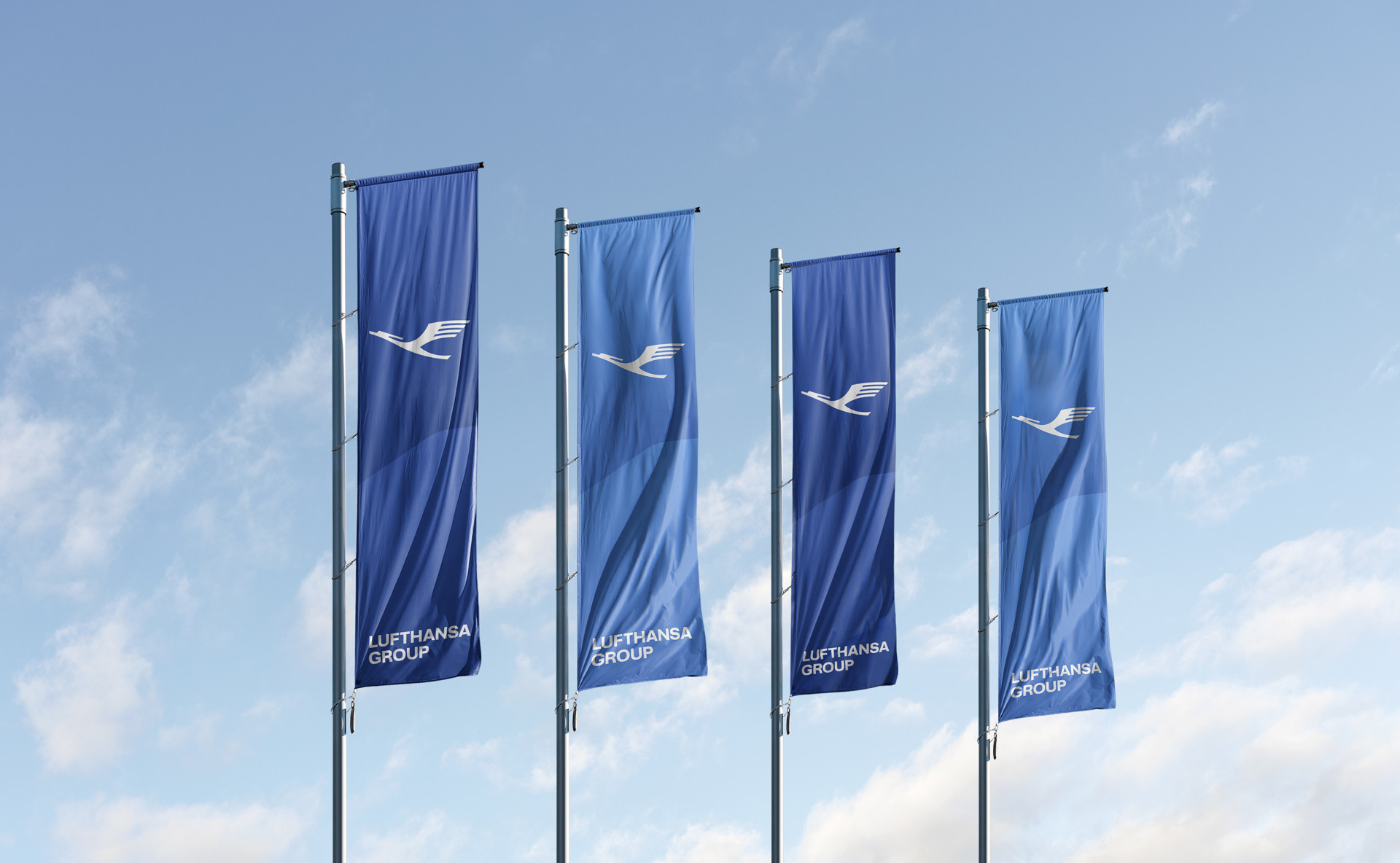
Following intensive negotiations with the powerful trade union Verdi, Lufthansa Group has reached a collective bargaining agreement covering more than 20,000 ground employees in Germany—roughly 20% of its workforce.
Key highlights include:
- Total pay increases of 4.6%over the contract period
- A minimum term of 26 months, retroactive to January 1, 2026
- Coverage across major divisions, including:
- Lufthansa Cargo
- Lufthansa Technik
- Core operations at Deutsche Lufthansa AG
- Commitments to safeguard jobs and coordinate crisis responses
Notably, the agreement was reached without industrial action, a significant departure from recent negotiations that often escalated into strikes.
Michael Niggemann, Lufthansa’s Board Member for HR and Legal Affairs, framed the deal as a turning point:
“The long-term nature of the agreement guarantees reliability… a solid foundation for continuing to invest in the Lufthansa Group and in the future of our employees.”
Does This Mean the End of Strikes?
In practical terms, the agreement reduces the likelihood of labor disputes among ground staff, one of the most disruptive categories when it comes to airport operations.
However, it does not eliminate all strike risks:
- Pilot unions and cabin crew agreements are separate negotiations
- Airport staff (often employed by third parties) remain outside Lufthansa’s control
- Broader German transport unions continue to operate independently
In short: this is a major step—but not a total solution.
What About Eurowings?
A key question for travelers is whether this new stability extends to Eurowings, Lufthansa Group’s point-to-point and leisure-focused airline.
Eurowings has, over the years, taken over many short- and medium-haul routes from Lufthansa and is fully integrated into the group’s booking systems. For passengers, the distinction is often invisible.
However:
- Eurowings operates under separate labor agreements and structures
- Its workforce is not fully coveredby the newly announced Verdi deal
- Historically, Eurowings has experienced its own labor tensions and strikes
This means that while Lufthansa mainline ground operations may stabilize, Eurowings disruptions cannot be ruled out.
A Broader German Transport Challenge
Even if Lufthansa succeeds in stabilizing its operations, Germany’s wider transport ecosystem remains vulnerable:
- Rail strikes at Deutsche Bahn
- Airport security staff walkouts
- Public sector labor disputes
These interconnected systems mean that a “strike-free” Lufthansa does not automatically translate into a seamless journey across Germany.
Industry Implications
For the aviation sector, Lufthansa’s agreement could signal:
- A shift toward longer-term labor peaceagreements
- Increased pressure on competitors to follow suit
- A strategic move to rebuild consumer trustahead of peak travel seasons
But credibility will depend on execution. Travelers have heard similar assurances before.
The Bottom Line
Lufthansa’s new labor agreement is a significant and credible step toward operational stability, particularly for ground services.
However, claims that unpredictability and strike fears are “over” should be viewed with caution:
- The agreement is partial, not universal
- Eurowings and other subsidiaries remain outside full coverage
- Germany’s broader transport network continues to face systemic labor volatility
For now, travelers can expect improved reliability—but not complete certaintywhen flying to or through Germany.




Leave a Comment