
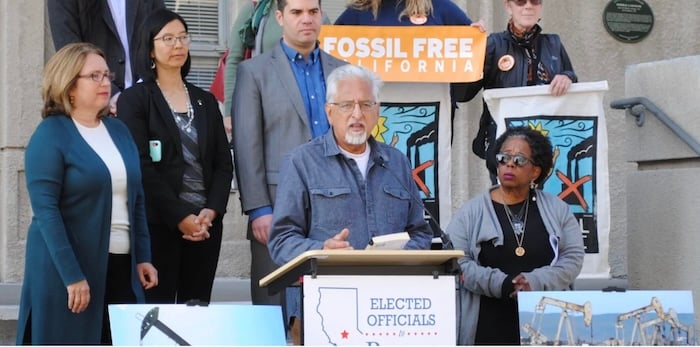
Elected Officials to Protect America
The National Leadership Council of Protecting America represents a coalition of policymakers, veterans, and civic leaders focused on safeguarding democratic institutions, environmental stability, and national security. Closely aligned with Elected Officials to Protect America,the Council frames climate change, energy dependence, and governance as interconnected threats.
A key message emerging from this leadership network is direct: industries with global reach—especially travel and tourism—can no longer remain neutral in the face of escalating geopolitical instability and climate disruption.
Tourism: A Quiet Giant in Global Geopolitics
Tourism is one of the largest economic sectors in the world, contributing trillions of dollars annually and supporting hundreds of millions of jobs. In the United States alone, it is a cornerstone of regional economies—from Nevada’s hospitality sector to national parks across the country.
Yet according to Alex Cornell du Houx, EOPA, the industry has largely remained silent despite being deeply entangled in:
- Energy markets
- Climate impacts
- International conflict
- Infrastructure vulnerability
This silence, she argues, is driven by fear—fear of political backlash, economic disruption, or regulatory consequences. But the position of Protecting America is clear: silence is no longer viable.
Fossil Fuels, Executive Orders, and Systemic Risk
At the center of the issue is U.S. energy policy shaped through presidential Executive Orders. While presidents can issue EOs, many require Congressional support to fully align with constitutional checks and balances. When Congress fails to act, governance risks emerge.
One such policy shift—favoring expanded fossil fuel production—has broad implications:
- Increased greenhouse gas emissions
- Greater dependence on volatile global oil markets
- Heightened geopolitical tensions
As Pat Spearman, a retired U.S. Army Lieutenant Colonel and EOPA leader, emphasizes:
Military intervention tied to fossil fuel interests has long-term consequences—not only in human cost but in global instability.

The Strait of Hormuz: A Chokepoint for Tourism and Trade
The vulnerability of global energy systems became clear during tensions involving Iran and the Strait of Hormuz—a passage through which roughly 20% of global oil and LNG flows.
Disruptions there triggered:
- Sharp increases in fuel prices
- Airline cost surges
- Reduced travel demand
- Economic ripple effects across tourism-dependent regions
For airlines, cruise lines, and hospitality providers, fuel costs are among the largest operational expenses. When oil prices spike, tourism contracts.
Climate Change as a “Threat Multiplier”
The concept of climate change as a threat multiplier is central to both defense and policy communities. It intensifies existing risks:
- Heat waves reducing travel viability (e.g., Las Vegas exceeding 100°F for over 100 days)
- Wildfires affecting destinations
- Flooding damaging infrastructure
- Health risks deterring travelers
From 1999 to 2023, more than 21,000 U.S. deaths were linked to heat. These impacts disproportionately affect vulnerable communities—but they also reshape tourism patterns globally.
Destinations once considered stable are becoming seasonal or even unsafe.
Economic Pressure on Households and Travel Demand
Rising fossil fuel costs ripple into everyday life:
- Higher airfare and transportation costs
- Increased hotel operating expenses
- Reduced discretionary spending for travel
In Nevada, average household utility bills reached nearly $700 per month in 2025—illustrating how energy costs constrain both residents and tourism workers.
When consumers cut back, tourism is one of the first sectors affected.
The Hidden Cost of Oil Security
A 2018 analysis by Securing America’s Future Energy estimated that the U.S. military spends approximately $81 billion annually protecting global oil supplies.
This has two major implications:
- Economic distortion– effectively subsidizing fossil fuels
- Security burden– tying military strategy to energy access
For tourism, this translates into indirect risks:
- Conflict zones
- Travel advisories
- Perception of global instability
Clean Energy as a Tourism Strategy

EOPA and Protecting America argue that clean energy is not just an environmental solution—it is a tourism strategy.
Benefits include:
- Stable energy prices
- Reduced geopolitical risk
- Healthier environments for travelers
- Job creation in destination communities
Renewable energy is now the cheapest form of power in many regions, offering a pathway toward both economic resilience and climate stability.
The National Climate Emergency & Energy Security Task Force
To address these interconnected challenges, EOPA—working with the U.S. Department of Energy—launched a national task force focused on:
- Implementing the Inflation Reduction Act
- Supporting Justice40 communities
- Reducing greenhouse gas emissions by 43%
- Mobilizing public-private partnerships
This initiative highlights a key gap: many local governments and stakeholders lack the resources to access available funding and programs.
Why Tourism Leaders Must Speak Now
The travel and tourism industry sits at a critical intersection:
- It depends on stable climates
- It is sensitive to geopolitical shocks
- It is deeply tied to energy systems
Yet its leadership has largely avoided public engagement on these issues.
Protecting America’s position is unequivocal:
The stakes—democratic integrity, global stability, and economic survival—are too high for silence.
Conclusion: From Bystander to Stakeholder
Tourism is not just a leisure industry—it is a barometer of global stability.
From oil chokepoints like the Strait of Hormuz to heatwaves in major destinations, the forces shaping travel today are the same forces shaping geopolitics and democracy.
The National Leadership Council and EOPA are calling for a shift:
- From silence to advocacy
- From fossil dependence to clean energy
- From short-term profits to long-term resilience
For an industry built on movement, connection, and global exchange, the message is clear:
The future of tourism depends on engaging with the forces that are reshaping the world—not ignoring them.




Leave a Comment