
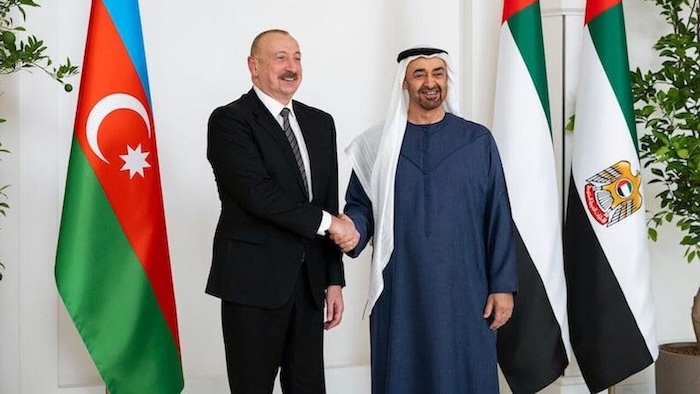
Abu Dhabi- Baku:A new chapter in Eurasian tourism is unfolding as the United Arab Emirates and Azerbaijan deepen ties through their Comprehensive Economic Partnership Agreement (CEPA), a deal expected to reshape travel flows between the Middle East, the Caucasus, and beyond.
The agreement—recently entering into force—goes beyond trade and investment, placing tourism at the center of bilateral cooperation. Officials from both countries have highlighted travel, hospitality, and cultural exchange as priority sectors, signaling a coordinated push to attract global visitors and boost cross-border tourism experiences.
Tourism Moves to the Forefront of Economic Diplomacy
Tourism collaboration has emerged as a strategic pillar in the UAE–Azerbaijan partnership. During high-level meetings, both nations agreed to organize joint tourism exhibitions, events, and conferences to showcase their cultural heritage and attractions to international audiences.
This coordinated promotion is expected to elevate Azerbaijan’s growing appeal as a destination—particularly its capital, Baku, mountain resorts, and Silk Road heritage—while reinforcing the UAE’s status as a global tourism hub centered around Dubai and Abu Dhabi.
Crucially, connectivity is already strong. More than 185 monthly flights between the two countries provide a solid foundation for tourism growth, enabling seamless travel for leisure and business visitors alike.
CEPA Unlocks Investment in Travel and Hospitality

The CEPA agreement is designed to reduce barriers to trade and services, including tourism-related industries. By lowering tariffs and simplifying regulations, the deal opens the door for increased investment in hotels, resorts, aviation, and travel services.
Industry analysts note that tourism and hospitality stand to benefit significantly from the agreement’s services component—Azerbaijan’s first such inclusion in a trade deal. This creates opportunities for UAE-based travel companies, hotel operators, and investors to expand into the Caucasus market.
In parallel, Azerbaijani tourism stakeholders gain improved access to Gulf markets, tapping into high-spending travelers from the UAE and wider region.
A Strategic Gateway for Multi-Destination Travel
Azerbaijan’s geographic position—bridging Europe, Central Asia, and the Middle East—adds a unique dimension to the tourism outlook. Officials describe the country as a “crucial juncture” in regional connectivity, making it ideal for multi-destination travel itineraries.
For travelers, this could translate into new tourism circuits combining city breaks in Dubai with cultural and nature experiences in Azerbaijan, including alpine landscapes, historic towns, and emerging eco-tourism sites.
Growing Demand Backed by Rising Economic Ties
Tourism growth is underpinned by rapidly expanding economic relations. Non-oil trade between the UAE and Azerbaijan has surpassed $2.2 billion in 2025, reflecting strong bilateral momentum that often correlates with increased business travel and tourism flows.
The UAE is already Azerbaijan’s leading Arab trading partner and investor, strengthening long-term cooperation that extends into travel, aviation, and cultural exchange.
Outlook: From Trade Deal to Travel Boom
While CEPA is primarily an economic agreement, its implications for tourism are far-reaching. By aligning policy, improving connectivity, and encouraging joint promotion, the UAE and Azerbaijan are positioning themselves as complementary destinations in a rapidly evolving global travel landscape.
As governments and private sectors begin to implement tourism-focused initiatives, industry observers expect a steady rise in visitor numbers, new travel products, and cross-border investments—transforming the partnership into a model for tourism-driven economic collaboration.




Leave a Comment