


PR
Calendar
Category
Hiekka aikaa
(731)Suomi
(322)Lappi
(53)Kuksa ククサ
(23)Luonto
(25)erämaa
(18)huomio
(162)muovimalli
(32)musiikki
(301)eläinpelastus
(79)veitset (knives)
(41)Olkoon voima kanssasi!
(35)剣の巻
(37)今は昔
(21)陽明学
(441)道家思想
(126)孫子兵法
(12)人鏡論
(13)海外通販/個人輸入
(26)日本独立計画
(49)隷属への道
(25)多目的道具
(206)現代甲冑考 - Modern Armors -
(80)実用物具考
(85)民間防具考
(177)民間防衛
(219)戦ふ日本刀
(97)實戦刀譚
(103)臨戦刀術
(94)古傳鍛刀術
(2)北欧
(118)西欧
(260)中欧
(35)彫金
(20)意匠
(58)『傭兵たちの挽歌』
(141)2011 jalkeen
(34)TORIAEZ
(11)Needle Felted Animals
(262)Weekly SAK
(597)Weekly SL
(485)Weekly EXP
(39)Keyword Search
▼キーワード検索
2026年10月
2026年09月
2026年08月
2026年07月
2026年06月
2026年09月
2026年08月
2026年07月
2026年06月
2026年05月
2026年04月
2026年03月
2026年02月
2026年01月
2026年04月
2026年03月
2026年02月
2026年01月


2021年11月14日

カテゴリ: Needle Felted Animals

( テモちゃん 食後の顔 2015年11月12日
あきてもさんのブログ より)
+ 防具について考えてみる 2021 Vol.2
以前にも書いたが、愚拙は出先で犬が困っている時のために
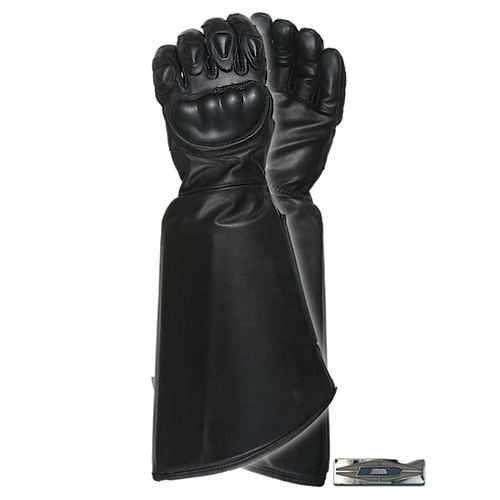
Damascus Worldwide Inc. ( https://www.damascusgear.com )の
D90X Extrication & Rescue Gloves をデイパックに入れて持ち歩いている。
Damascus Gear
Extrication & Rescue Gloves W/ Hard Knuckles

Made to Order Only " となっていて、
まだ海外の市場在庫は残っているかもしれない。
同じく Damascus Gear
Vector 3™ Ultimate Gauntlet Gloves W/ Carbon-Tek™ Fiber Knuckles も
腕のガードが長く便利そうであったが
こちらも現在 Made To Order Only である。
こういった特殊合成繊維製品は経年劣化が気になるので、
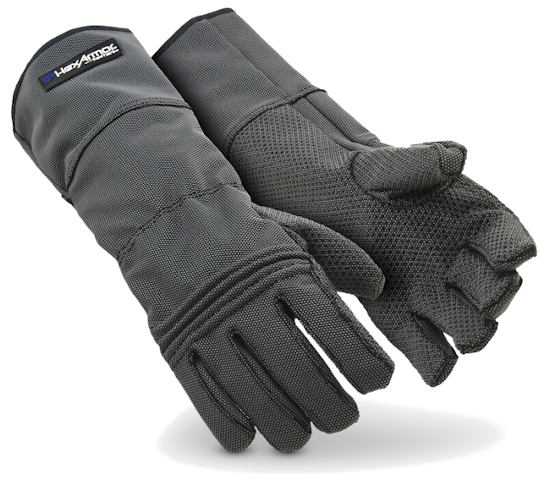
たとえば、 HexArmor® ( https://www.hexarmor.com ) の
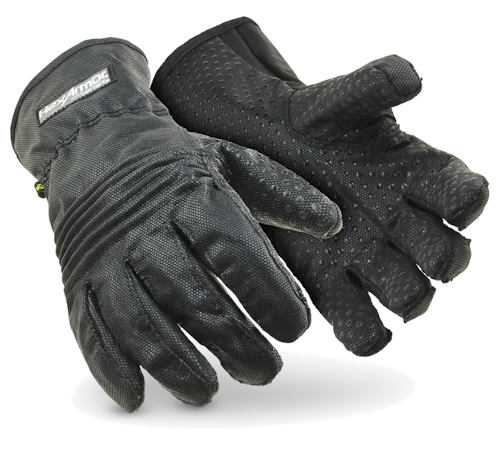
Hercules® 400R6E や Hercules™ NSR 3041 などはどうだろう。
HexArmor® Hercules® 400R6E
SuperFabric® * brand material palm provides 360°
ANSI/ISEA cut level A9
Learn more about SuperFabric® technology here
Hercules™ NSR 3041
Tested using actual 25 gauge needles (modified ASTM 1342-05 test)
360° degree cut protection
- ANSI/ISEA Cut Level A9, Needlestick Level 5
Learn more about SuperFabric® needlestick resistancehere
他の人はどうかわからないが 愚拙に限って言えば、
一般生活において Cut resistant のグローヴの出番は残念ながらあまりないので
御守り代わりによいかもしれない。
そういえば R.W.エマソンが論文の中に
「災難を気にしすぎていると災難側に主導権を委ねてしまう」
というような一節があった気がしたので探してみたら
「円 'Circles' 」に書かれていた。
すでに何回も引用しているが興味深い文章なので再度抜粋してみよう。
〝自然界は同心円の体系だと考えることができそうだが、ときおり自然のなかにちょっとした断層が見つかって、われわれがいま立っているこの地表が、実は固定しているのではなく、地すべりを起こしているのだと教えてくれることがある。われわれをめぐる多種多様なこれら頑強な特質、この化学作用や植物の機能、これらの金属や動物たちは、すべておのれ自身のために存在しているように見えるが、実は手段や方法でしかなく、
果てしなくつづくこの行列の法則は、われわれが美徳と呼ぶすべてのものの境界をさだめ、ひとつひとつの美徳をさらにすぐれた美徳の光で消していく。偉人には世俗的な意味での分別はあるまい。分別がともかくあれば、それだけ威光がへることになる。しかし分別を犠牲にするときには、自分がどういう神にそれを捧げるかを、ひとりびとりが理解していなければならない。もしもりっぱな責務なら、代わりに翼〔つばさ〕ある戦車が手にはいるのだから、自分の騾馬〔らば〕や荷籠〔にかご〕ぐらいは手ばなしても大丈夫だ。 森を通ろうとするときに、ジェフリーは、蛇に噛まれることから身を守るためにはそのほうが安全だからと考えて長ぐつをはき、いっぽうエアロンはこういう危険があろうとは思いもしない。何年ものあいだ、実際には、両者ともこういう事故で傷を受けていない。しかしこういう災難に対して用心するごとに、その災難の支配にわが身をゆだねていくようにわたしは思える。 最高の分別とは、どうやら最低の分別のようだ。いったいこれは、自分の軌道の中心から、あまりに唐突に、周辺めざして突っぱしることになるのだろうか。われわれが、りっぱな情感に辿りついて安らぎを得たり、あるいは今日の周辺を新たな中心に変えるまでに、いったい何度、またしても哀れな思慮分別に逆もどりしなければならないかを考えてみるといい。それだけでなく、ありったけの雄々しい情感をいだいてみても、いちばん卑しい人びとさえ先刻ご承知の情感なのだ。貧しい連中、身分の低い連中にも、こちら同様、彼らなりに、哲学の窮極的な事実を表現する方法がある。「無くて天国」とか、「窮すれば通じる」などは、日常生活にそなわる超越思想を表現する諺だ。〟
(酒井雅之 訳『エマソン論文集 下』岩波文庫「円」P.58 ~ 60 )
〝The natural world may be conceived of as a system of concentric circles, and we now and then detect in nature slight dislocations, which apprize us that this surface on which we now stand is not fixed, but sliding. These manifold tenacious qualities, this chemistry and vegetation, these metals and animals, which seem to stand there for their own sake, are means and methods only, — are words of God, and as fugitive as other words. Has the naturalist or chemist learned his craft, who has explored the gravity of atoms and the elective affinities, who has not yet discerned the deeper law whereof this is only a partial or approximate statement, namely, that like draws to like; and that the goods which belong to you gravitate to you, and need not be pursued with pains and cost? Yet is that statement approximate also, and not final. Omnipresence is a higher fact. Not through subtle, subterranean channels need friend and fact be drawn to their counterpart, but, rightly considered, these things proceed from the eternal generation of the soul. Cause and effect are two sides of one fact.
The same law of eternal procession ranges all that we call the virtues, and extinguishes each in the light of a better. The great man will not be prudent in the popular sense; all his prudence will be so much deduction from his grandeur. But it behooves each to see, when he sacrifices prudence, to what god he devotes it; if to ease and pleasure, he had better be prudent still; if to a great trust, he can well spare his mule and panniers who has a winged chariot instead. Geoffrey draws on his boots to go through the woods, that his feet may be safer from the bite of snakes; Aaron never thinks of such a peril. In many years neither is harmed by such an accident. Yet it seems to me, that, with every precaution you take against such an evil, you put yourself into the power of the evil . I suppose that the highest prudence is the lowest prudence. Is this too sudden a rushing from the centre to the verge of our orbit? Think how many times we shall fall back into pitiful calculations before we take up our rest in the great sentiment, or make the verge of to-day the new centre. Besides, your bravest sentiment is familiar to the humblest men. The poor and the low have their way of expressing the last facts of philosophy as well as you. "Blessed be nothing," and "the worse things are, the better they are," are proverbs which express the transcendentalism of common life.〟
(Ralph Waldo Emerson, Essays, First Series X. Circles )
また次のようにも言っている。
〝どんなふうにしてこういうことが生じるのだろう。自然は浪費家ではけっしてなく、自分の目的に向かって最短距離をとる。たとえば将軍が部下の兵士たちに向かって、「もしも砦〔とりで〕が欲しいなら、自分で砦を築けばいい」と言うように、自然もあらゆる生物に、
何かしなければならないことがあるときには、世界はそれをやりおおせる術を心得ている。植物の幼芽は、必要に応じて、葉、果皮、根、樹皮、あるいは刺〔とげ〕となり、最初の細胞は、必要次第で、胃、口、鼻、あるいは爪にわが身を変え、世界はおのれのいのちを、英雄や指導者の内部に宿らせて、その人物を時代の求める場所におく。ダンテやコロンブスは彼らの時代にはイタリア人だったが、いまならロシア人かアメリカ人だろう。事態が熟せば、新しい人間が登場する。適応は気まぐれに行なわれることはない。いつもかなたを目ざすこと、どこまでも目的をかなたへ延ばしつづけること、さまざまな惑星が沈殿して結晶し、それから獣や人間にいのちを与えていくときの相互関係、
世界の秘密とは、ひととできごとを結ぶ絆だ。ひとができごとを、できごとがひとを作る。「時勢」、「時代」、そういうものも結局は、時代の縮図であるごく少数の深遠な人物たちやごく少数の活動的な人物たち、
「何たることだ、わたしを導く者と運勢を導く者とがひとつだと、
いまのいままで知らなかったとは」
と歌っているように、
「運命」の魂が実はわれわれの魂であることを、われわれは学ぶ。人間を夢中にさせ、人間がそれを欲しさに遊びにふけるすべての玩具は、
自然は、運勢を人間の品性に結実することによって、魔術師さながら、人間を運勢に合わせてしまう。家鴨〔あひる〕は水に、鷲は空に、渉禽類〔しょうきんるい〕は汀〔みぎわ〕に、猟師は森に、店員は帳場に、軍人は前線に、心を向ける。こうしてできごとは、人間と同じ幹に茂り出る、いわば亜人間だ。人生の喜びはその人生を生きる人間次第であり、仕事や地位には左右されない。人生は一種の恍惚だ。恋にどれほどの狂気がつきものか、
ある人間の運勢は、当人の品性の結実だ。あるひとと交わる友人たちは、そのひとにそなわる磁力だ。「運命」の実例をわれわれはヘロドトスやブルタークに求めるが、しかしわれわれこそが実例なのだ。「ひとりびとりが自分の霊に耐えている」。人間は誰でも、自分の資質にそなわっているものを、ともすれば実行しようとする傾きがあり、このことは、いくら宿命から逃げようと努力しても、所詮はその宿命のなかに連れこまれることに役立つだけだというむかしながらの信念に表れている。わたしの気づいたところでは、人間は、自分が実際にあげた功績よりも、功績をあげる立場のほうを、究極的に、あるいは全体的に素質がすぐれていることの証〔あかし〕として、誉めてもらいたいものなのだ。
人間は、初めて見かけるように思えながら、実は自分のなかからにじみ出て、自分につきしたがうさまざまなできごとに、自分の品性が射出されているのを見てとるものだ。できごとは品性に一致して広がっていく。かつては玩具にとりかこまれていたが、いまは巨大な秩序のなかで一定の役割を果たしており、自分の成長ぶりが、自分のいだく大志、つきあう仲間、行なう動作にはっきりと示される。人間は一片の運のように見えるが、実は一片の因果関係であり、彼の満たす隙間にうまくはまりこむように角をつけ、磨き上げられたモザイク〔寄せ木細工〕だ。だからこそ、どんな町にも、自分の頭脳や動作によって、その町の耕作、生産、工場、銀行、教会、暮らしぶり、社交を説明してくれる人間が誰かひとりはいるものだ。もしもそういう人物に出会う機会がなければ、何を見ても少しは理解に苦しむはめになるものだが、マサチューセッツに住むわれわれには、誰がニューベッドフォードを建設し、誰がリン、ロウェル、ロレンス、クリントン、フィッチバーグ、ホーリヨーク、ポートランド、そのほか多くの賑やかな商業中心地を建設したか分っている。こういう人びとは、もしも彼らが透明なら、それぞれに人間というよりもむしろ歩く都会のように見え、たといどこに住まわせても、おそらくまた都会を建設することだろう。〟
(酒井雅之 訳『エマソン論文集 下』岩波文庫「運命」P. 221 ~ 226 )
〝 How is this effected? Nature is no spendthrift, but takes the shortest way to her ends. As the general says to his soldiers, “If you want a fort, build a fort,” so nature makes every creature do its own work and get its living,—is it planet, animal or tree. The planet makes itself. The animal cell makes itself;—then, what it wants. Every creature, wren or dragon, shall make its own lair. As soon as there is life, there is self-direction and absorbing and using of material. Life is freedom,—life in the direct ratio of its amount. You may be sure the new-born man is not inert. Life works both voluntarily and supernaturally in its neighborhood. Do you suppose he can be estimated by his weight in pounds, or that he is contained in his skin,—this reaching, radiating, jaculating fellow? The smallest candle fills a mile with its rays, and the papillæ of a man run out to every star.
When there is something to be done, the world knows how to get it done. The vegetable eye makes leaf, pericarp, root, bark, or thorn, as the need is; the first cell converts itself into stomach, mouth, nose, or nail, according to the want; the world throws its life into a hero or a shepherd, and puts him where he is wanted. Dante and Columbus were Italians, in their time; they would be Russians or Americans to-day. Things ripen, new men come. The adaptation is not capricious. The ulterior aim, the purpose beyond itself, the correlation by which planets subside and crystallize, then animate beasts and men,—will not stop but will work into finer particulars, and from finer to finest.
The secret of the world is the tie between person and event. Person makes event, and event person. The “times,” “the age,” what is that but a few profound persons and a few active persons who epitomize the times?—Goethe, Hegel, Metternich, Adams, Calhoun, Guizot, Peel, Cobden, Kossuth, Rothschild, Astor, Brunel, and the rest. The same fitness must be presumed between a man and the time and event, as between the sexes, or between a race of animals and the food it eats, or the inferior races it uses. He thinks his fate alien, because the copula is hidden. But the soul contains the event that shall befall it; for the event is only the actualization of its thoughts, and what we pray to ourselves for is always granted. 45 The event is the print of your form. It fits you like your skin. What each does is proper to him. Events are the children of his body and mind. We learn that the soul of Fate is the soul of us, as Hafiz sings,—
“Alas! till now I had not known,
My guide and fortune’s guide are one.”
All the toys that infatuate men and which they play for,—houses, land, money, luxury, power, fame, are the selfsame thing, with a new gauze or two of illusion overlaid. And of all the drums and rattles by which men are made willing to have their heads broke, and are led out solemnly every morning to parade,—the most admirable is this by which we are brought to believe that events are arbitrary and independent of actions. At the conjuror’s, we detect the hair by which he moves his puppet, but we have not eyes sharp enough to descry the thread that ties cause and effect.
Nature magically suits the man to his fortunes, by making these the fruit of his character. Ducks take to the water, eagles to the sky, waders to the sea margin, hunters to the forest, clerks to counting-rooms, soldiers to the frontier. Thus events grow on the same stem with persons; are sub-persons. The pleasure of life is according to the man that lives it, and not according to the work or the place. Life is an ecstasy. We know what madness belongs to love,—what power to paint a vile object in hues of heaven. As insane persons are indifferent to their dress, diet, and other accommodations, and as we do in dreams, with equanimity, the most absurd acts, so a drop more of wine in our cup of life will reconcile us to strange company and work. Each creature puts forth from itself its own condition and sphere, as the slug sweats out its slimy house on the pear-leaf, and the woolly aphides on the apple perspire their own bed, and the fish its shell. In youth we clothe ourselves with rainbows and go as brave as the zodiac. In age we put out another sort of perspiration,—gout, fever, rheumatism, caprice, doubt, fretting and avarice.
A man’s fortunes are the fruit of his character. A man’s friends are his magnetisms. We go to Herodotus and Plutarch for examples of Fate; but we are examples. “Quisque suos patimur manes.” The tendency of every man to enact all that is in his constitution is expressed in the old belief that the efforts which we make to escape from our destiny only serve to lead us into it: and I have noticed a man likes better to be complimented on his position, as the proof of the last or total excellence, than on his merits.
A man will see his character emitted in the events that seem to meet, but which exude from and accompany him. Events expand with the character. As once he found himself among toys, so now he plays a part in colossal systems, and his growth is declared in his ambition, his companions and his performance. He looks like a piece of luck, but is a piece of causation; the mosaic, angulated and ground to fit into the gap he fills. Hence in each town there is some man who is, in his brain and performance, an explanation of the tillage, production, factories, banks, churches, ways of living and society of that town. If you do not chance to meet him, all that you see will leave you a little puzzled; if you see him it will become plain. We know in Massachusetts who built New Bedford, who built Lynn, Lowell, Lawrence, Clinton, Fitchburg, Holyoke, Portland, and many another noisy mart. Each of these men, if they were transparent, would seem to you not so much men as walking cities, and wherever you put them they would build one. 〟
Vol. VI. The Conduct of Life I. Fate )
このような事情は日本の中世においてもすでに言われていたことで、
『徒然草』第一四六段 の明雲座主の話にも見られる
(なお、明雲座主を偶発的に襲撃したのは我らが木曽義仲軍です)。
マスコミやネット上で「護身、護身」と騒ぐ人々が大勢いても、
誰もかれもが慌てて同調する必要はあるまい。
護身の分野は護身の分野で、狭い世界なりのイザコザがあるものだ。
自分から好き好んでゴタゴタに近づかないのも一つの防衛術である。
それとはまた別に、本人はいたって普通?に過ごしていたはずなのに、
突如、あるいは段階的に業界や団体などから追い出されてしまうこともある
(いわゆる創作でよくある「追放もの」だ)。
業界のお偉いさんに嫌われたとか、あるグループが悪口を言いふらしたとか、
いろいろな理由を思いつくはずだがハブられた事実に変わりはない。
そしてとうとう、ついこの前まで所属していた集団の構成員たちとは
まったく無縁の存在なってしまったわけだ、・・・・・・いや、わけです。
果たして、これから上に向かうか下に向かうかは予測不可能ではあるが、
古びた心理的・物質的な枠ぐみを取っ払って、再構築する絶好の機会といってよい。
ずいぶん前から頭打ち状態の付和雷同の集団に、もはや未練はあるまい。
目の前で扉やらシャッターやらをピシャッと閉められたのだから
これまでの日常から強制的に「おさらば」、なんと胸が踊ることではないか!
しかしながら、新たな枠組み構築であるとか、
目標の設定は日々の雑事に紛れて散逸しやすい。
志〔こころざし〕を立ててもすぐにヘシ折れそうになるのは
これまで送ってきた日常や枠の残滓〔ざんし〕が影響力を残しているからである。
魔法使いが〝杖〟を持っているのは物理的な意味合いよりも
杖に意識(目的)を一点集中させるためであるという。
たしかに、漠然として瞑想したりあれこれ思考を巡らせるより、
外部の事物の一点に・・・・・・たとえば杖の先端に・・・・・・
集中するほうが素人が考えても容易そうに思える。
よって、新しい枠(二次元的よりも、立体的なもの、
さらに 多次元連続的 な〝志〟がよりよいであろう)にふさわしい
象徴的な杖、あるいは立体物を 簡易な素材 から作り出したり、
市販のものを細工するなりしてもよいのではないか。
小型の杖型にするのであれば木製のレザースリッカーなるものも売られている。
Etsy - Sacredand Magickal
https://www.etsy.com/jp/shop/SacredandMagickal
Viking magic wand, the viking Vegvisir rune wand
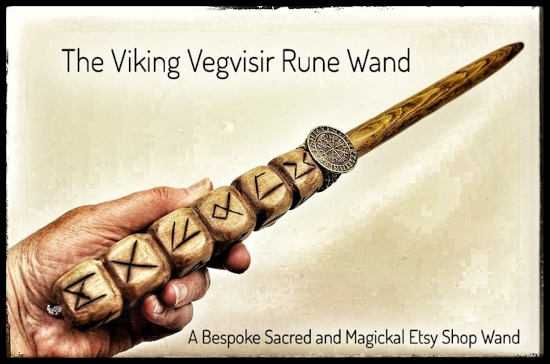
Rune magic wand. Bind Rune Hazel wood magic wand and stand

そういえば 2020年07月26日 掲載分で
・情報カード
・ラベルを用いたKJ法(
・文字の代わりに絵、イラストで表現する
・独自の魔法陣(
・文字・絵による表現が苦手なら箱庭療法方式を借りてくる
・・・・・・と挙げたものの中で、情報カード・ラベルは、
思考を錬る素材としてはよいが長期使用において強度的に不安がある。
木製、強度のある粘土、合成樹脂(レジンなど)、金属、石などがよい。
本革や合皮のカバーで装丁したノートでもよい。
常時持ち歩くなら軽犯罪法に抵触しないものにしておこう。
愚拙は杖を持ち歩いてみようかと考えていたのだが、
先日、他の人が木製の杖を持ち歩いてるのを偶然見かけて
日常の風景と馴染んでいないことに気付いて常時携行は一旦保留とした。
それに杖を持っていると犬や猫が警戒して近づいてこなくなってしまう。
日々 のどか に街を散歩している犬や猫に配慮しつつ、
大規模災害用防具 の考察を来年から再開することにする。
(つづく)
Facebook -
Welcome Pet Campaign
https://www.facebook.com/welcomepetcampaign/

お気に入りの記事を「いいね!」で応援しよう

Last updated
2021年11月21日 18時43分30秒
[Needle Felted Animals] カテゴリの最新記事
-
01/28 フレンチブルドッグのテモちゃんフ… 2023年01月28日
-
01/21 フレンチブルドッグのテモちゃんフ… 2023年01月21日
-
01/14 フレンチブルドッグのテモちゃんフ… 2023年01月14日


【毎日開催】
15記事にいいね!で1ポイント


© Rakuten Group, Inc.
