


PR

おおひげ村のヘノぼっち様やぁ
おひげっち『へのぼう』改め『おおひげ村のヘノぼっち様やぁ~♪』さんのブログへようこそ
カレンダー
カテゴリ
コメント新着
コメントに書き込みはありません。
キーワードサーチ
▼キーワード検索
2026.09.26

テーマ: 人工知能(728)
カテゴリ: カテゴリ未分類
Yes, this is a very interesting relationship to understand when learning about Burgundy wines.
The conclusion is:
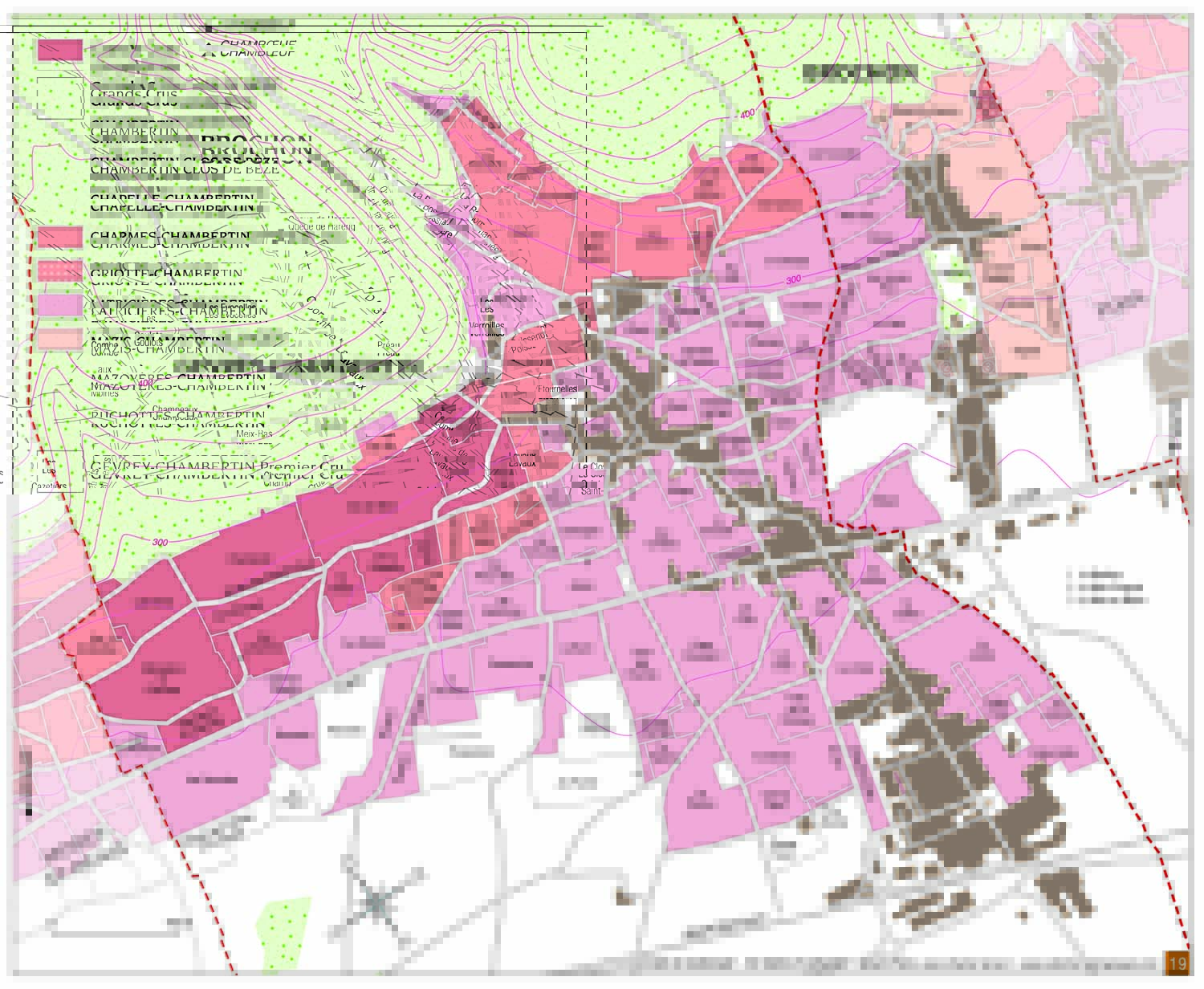
Ruchottes-Chambertin is a Grand Cru vineyard located within the village of Gevrey-Chambertin.
In other words, they are not two completely separate regions. Rather, they are different levels of appellation within the same village and wine-producing area.
🍷 The hierarchy makes it very clear
Burgundy
↓
Côte de Nuits
Gevrey-Chambertin village
├── Gevrey-Chambertin — village appellation
├── Gevrey-Chambertin 1er Cru — Premier Cru vineyards
└── 9 Grand Cru vineyards
├─ Ruchottes-Chambertin
├─ Chambertin
├─ Chambertin-Clos de Bèze
├─ Mazis-Chambertin
├─ Mazoyères-Chambertin
├─ Chapelle-Chambertin
├─ Charmes-Chambertin
└─ Latricières-Chambertin
These are clearly distinguished under France’s appellation system. INAO lists 26 Premier Cru climats and the nine Grand Cru vineyards associated with Gevrey-Chambertin.
And the important point is their location
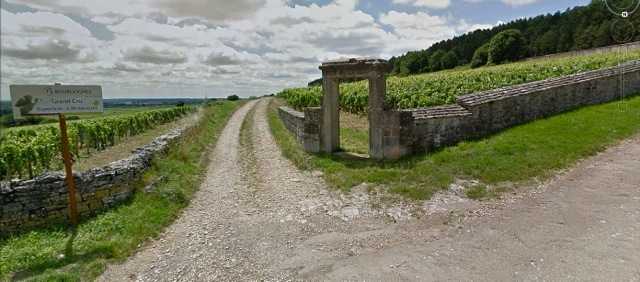
Ruchottes-Chambertin is an actual climat (a historically defined vineyard site) situated on the slope of the Gevrey-Chambertin village.
Therefore, the easiest way to understand the relationship is:
Ruchottes-Chambertin = a specific Grand Cru vineyard within that village
And there is another important geographical point: Ruchottes-Chambertin is located just above the famous Chambertin vineyard, so the two are very close to each other.⸻
🦁 Here is the really interesting part
For example, if a wine label simply says:
“Gevrey-Chambertin”
that does not necessarily mean that the wine is a Grand Cru.
On the other hand, if the label says:
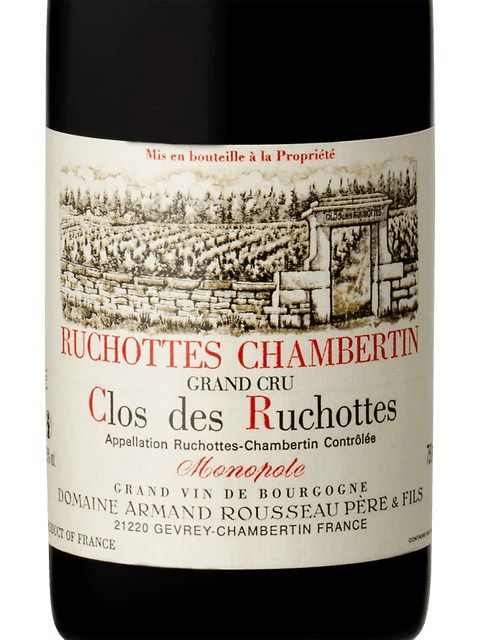
“Ruchottes-Chambertin Grand Cru”
it identifies a specific Grand Cru vineyard within the Gevrey-Chambertin area.
In other words:
Ruchottes-Chambertin is a Grand Cru vineyard within Gevrey-Chambertin.
That is the correct way to understand their relationship.
And what makes this even more interesting is that Ruchottes-Chambertin is not simply an “upper-level version” of Gevrey-Chambertin.
Even within the same village, the character of the wine can change depending on the vineyard’s location, soil, slope, and other factors.
This is precisely what makes Burgundy so fascinating: the vineyard itself becomes part of the identity and name of the wine.
Incidentally, Ruchottes-Chambertin was officially recognized as a Grand Cru under the AOC system in 1937.
If you are wondering, “What is the difference between Ruchottes-Chambertin and Chambertin, even though they are both Grand Cru?”, that is a particularly fascinating comparison.
They have the same Grand Cru classification, yet their wines can have noticeably different personalities.
★★★★★ ★★★★★ ★★★★★ ★★★★★ ★★★★★ ★★★★★
RUCHOTTES・CHAMBERTINは
GEVREY・CHAMBERTINとは
何のやうな関係性が🈶りますか⁉️
♦️はい
🈁はブルゴーニュを理解する上で
非常に面白い関係です
結論から云フと
「Ruchottes-Chambertin(リュショット・シャンベルタン)」は
Gevrey-Chambertin(ジュヴレ・シャンベルタン)村の中にある
“特級畑(Grand Cru)”です
♦️詰まり
同じ村の中にある別々の格付けのワイン
と云フ関係ですーー
🍷 階層で見ると一発です
ブルゴーニュ地方
↓
Côte de Nuits(コート・ド・ニュイ)
↓
Gevrey-Chambertin村(ジュヴレ・シャンベルタン)
├── Gevrey-Chambertin(村名 appellation)
├── Gevrey-Chambertin 1er Cru(1級畑)
└── 9つの Grand Cru(特級畑)
├─ Ruchottes-Chambertin
├─ Chambertin
├─ Chambertin-Clos de Bèze
├─ Mazis-Chambertin
├─ Mazoyères-Chambertin
├─ Chapelle-Chambertin
├─ Charmes-Chambertin
├─ Griottes-Chambertin
└─ Latricières-Chambertin
♦️コレは
🇫🇷FRANCEの原産地・統制制度でも
明確に区別されて居ます
INAOは
Gevrey-Chambertinの村名AOPに就いて
26の1級クリマと
上記9つのGrand Cruを挙げて居ます
♦️そして重要なのが「場所」です
Ruchottes-Chambertinは
Gevrey-Chambertin村の斜面に実在する
一つのクリマ
(climat=歴史的に区画された畑)です
♦️従って
Gevrey-Chambertin=村・産地名
Ruchottes-Chambertin=その村に在る特定の特級畑
と考えると非常に解り易いです
然も
Ruchottesは
Chambertin其のモノの
上方に位置する畑で
非常に近接して居ます⸻
🦁 🈁が面白いトコロです
♦️例えば
「ジュヴレ・シャンベルタン」
とラベルに書いてあっても
ソレだけでは必ずしも
「特級」ではありません
♦️一方
「Ruchottes-Chambertin Grand Cru」
なら
コレは
Gevrey-Chambertin村の中の
特定のGrand Cru畑です
♦️詰まり
「ジュヴレ・シャンベルタンの中に
「リュショット・シャンベルタンがある」
という理解が正解です
♦️そして
更に面白いのが
Ruchottes-Chambertinは
単なる“上位版ジュヴレ”ではない
コトですーー
♦️同じ村でも
畑の位置・土壌・斜面によって個性が変わる
ブルゴーニュの「畑そのものが名前になる」思想が
正に🈁にあります
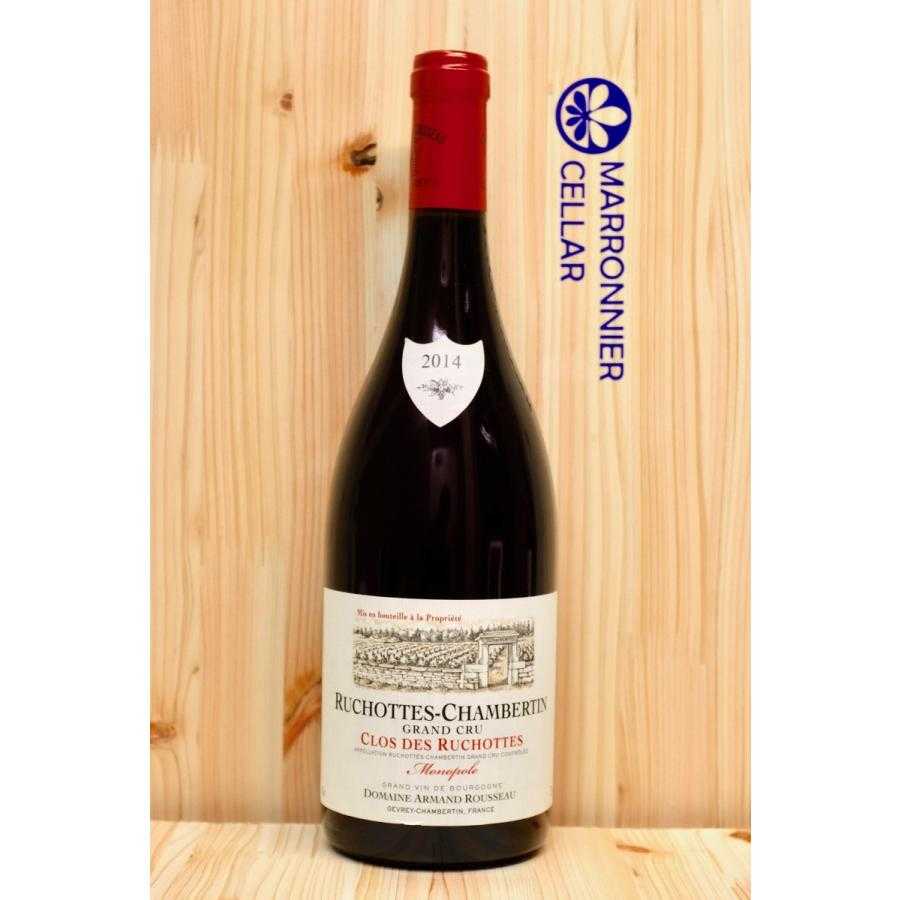
♦️因みに
Ruchottes-Chambertinは
1937年にGrand Cruとして
AOC認定されて居ます
🧠若し
🦁編集長が🐾
今、「Ruchottes-Chambertinと
Chambertinは
同じ特級なのに何が違うのか?」を
お尋ねに成ろうとして居るので在れば
コレは🉑成り面白い比較に成ります
格付けは同じなのに
WINEのCHARACTERが結構違うんです
🗞️黒星★ULTIMATE☆新聞
【🧑🌾農業国の🇫🇷FRANCEは🍇農作物を🎁BRAND化する🎓天才】
お気に入りの記事を「いいね!」で応援しよう

最終更新日
2026.09.26 12:11:37 コメントを書く


【毎日開催】
15記事にいいね!で1ポイント


© Rakuten Group, Inc.
