


2026年10月の記事
全9件 (9件中 1-9件目)
1
-
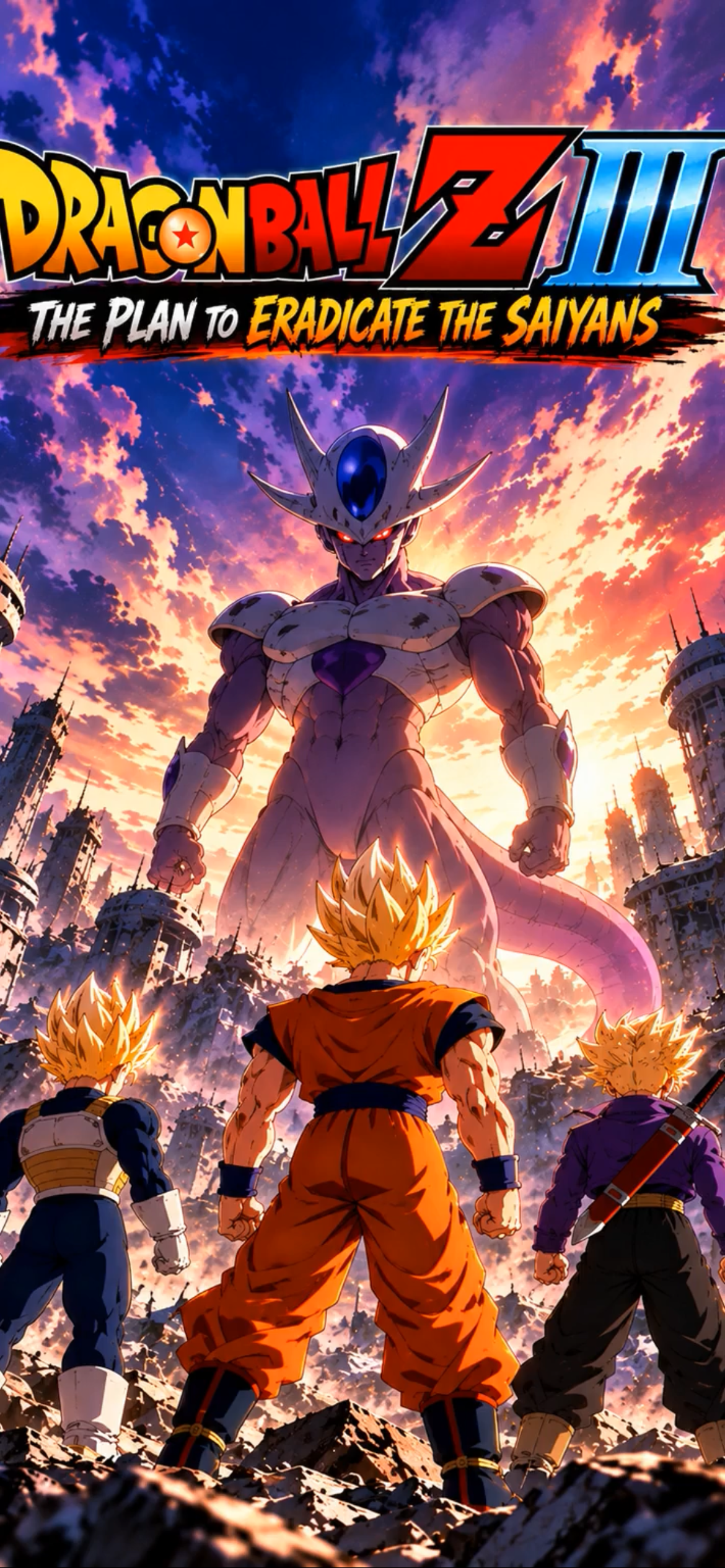
DRAGON BALL Z III: RESSEN JINZOUNINGEN|A Rare 1992 Japanese Famicom Dragon Ball Game
DRAGON BALL Z III: RESSEN JINZOUNINGENA Rare 1992 Japanese Famicom Dragon Ball GameDragon Ball has appeared in countless video games around the world.But some of the most interesting titles were released exclusively in Japan.One example is Dragon Ball Z III: Ressen Jinzouningen, a 1992 game for the Japanese Famicom.This time, JP RETRO GAMES takes a look at this unusual piece of Japanese 8-bit Dragon Ball history.🎮 Game InformationTitleDragon Ball Z III: Ressen JinzouningenJapanese TitleドラゴンボールZⅢ 烈戦人造人間Release Year1992PublisherBandaiDeveloperTOSEGenreRPG / CardRegionJapanPlatformFamily Computer (Famicom)The cartridge itself is a classic piece of early-1990s Japanese Famicom hardware.The label features Super Saiyan Goku, Trunks, and Vegeta, immediately giving the game a strong Dragon Ball Z identity.It was also manufactured in Japan, making the original cartridge an interesting collectible for Famicom and Dragon Ball fans.⚡ The OpeningThe game begins with a dramatic Dragon Ball Z-style opening.For this episode, I wanted to show the opening properly rather than immediately jumping into gameplay.The opening is followed by a memorable sequence featuring Goku powering up.Even with the technical limitations of the Famicom, the game does a surprisingly good job of creating a Dragon Ball atmosphere.🔥 Goku Powers UpOne of the scenes I wanted to include was Goku’s transformation.Seeing this kind of Dragon Ball Z moment reproduced on 8-bit hardware is one of the things that makes these Japanese-exclusive games so fascinating.The graphics are obviously very different from modern Dragon Ball games, but they have a unique charm that belongs to the Famicom era.🥋 Battle on the FamicomThe game also features RPG-style battles with Dragon Ball characters.Rather than simply showing static menus, the battle sequences give the game some surprisingly memorable visual moments.One of my favorite scenes is Tien’s special technique.Four Tien Shinhan?!Tien Shinhan uses his famous multi-body technique and appears as four characters on screen.It’s one of those moments that immediately makes you think:“They really put this on the Famicom?”That kind of unexpected detail is exactly what makes exploring Japanese retro games so much fun.🇯🇵 A Japanese Famicom OriginalFor this video, I played the game using an original Japanese Famicom cartridge on real hardware.No emulation.No modern remake.Just the original cartridge and Famicom hardware.There are many famous Dragon Ball games that were released internationally.But Japan also received games that never became part of the international NES library.These Japanese Famicom exclusives are a fascinating part of Nintendo and Dragon Ball history.🌎 From Japan to the WorldThis is what I’m trying to explore with JP RETRO GAMES.I live in Japan and collect Japanese Famicom games, including lesser-known titles that may be unfamiliar to players outside Japan.Some are famous.Some are strange.Some are forgotten.But every cartridge has a story.Japanese Famicom games from Japan to the world.🎮 JP RETRO GAMES|Series No.12DRAGON BALL Z III: RESSEN JINZOUNINGEN1992BandaiJapanese FamicomRPG / CardPlayed on original Japanese Famicom hardware.🔗 SNSTikTok:JP RETRO GAMESInstagram:@jpretrogames1X: @jpretrogames
2026.10.07
コメント(0)
-
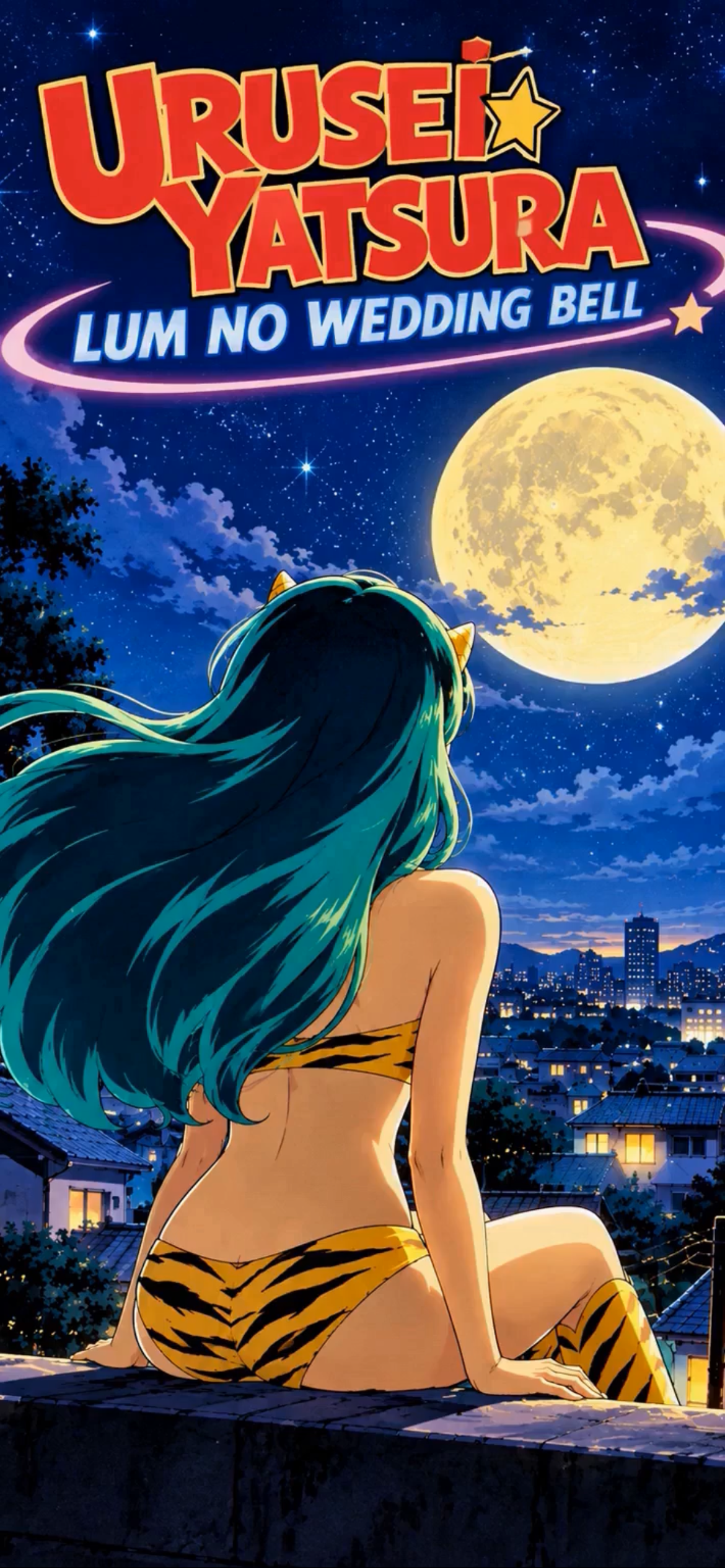
URUSEI YATSURA: LUM NO WEDDING BELL|A Strange 1986 Japanese Famicom Game JP RETRO GAMES|Series No.11
A Rare Japanese Famicom Adventure Featuring LumToday, JP RETRO GAMES takes a look at a very unusual Japanese Famicom game:URUSEI YATSURA: LUM NO WEDDING BELLReleased by Jaleco in Japan in 1986, this is an action game based on Rumiko Takahashi’s popular Urusei Yatsura series.The game was released on October 23, 1986, with the product number JF-10. It was priced at ¥4,900 at the time. This is the original Japanese Famicom version.🎮 Game InformationTitle: URUSEI YATSURA: LUM NO WEDDING BELLJapanese Title: うる星やつら ラムのウェディングベルYear: 1986Developer: TOSEPublisher: JalecoGenre: Action / 2D PlatformerRegion: JapanFormat: FamicomProduct No.: JF-10The game is a Japanese-only Famicom release, making it an interesting title for collectors and fans of Japanese retro games.Game databases list TOSE as the developer and Jaleco as the publisher. 🔥 Climb Before the Fire Reaches YouOne of the most interesting parts of the game is its basic gameplay concept.Lum has to make her way upward through buildings while fire gradually rises from below.The player must keep moving upward while avoiding enemies and obstacles.Reaching the top allows Lum to grab the UFO and escape to the next stage.That makes the gameplay surprisingly tense for a game released in 1986.The UFO is the key to clearing the stageThe UFO at the top of the stage isn’t just decoration.It provides the escape route to the next stage.In our Series No.11 video, you can see Lum reach the end of the stage and get carried away by the UFO.👽 From Stage Clear to the Next StageOne of the most fun things to watch is what happens after completing a stage.Lum is taken away by the UFO, and the game moves on to the next stage.The character also changes as the game progresses, giving the player a visual indication of the game’s progression.This is one of the details that makes Lum no Wedding Bell more interesting than its simple appearance might suggest.🕹️ An Interesting Connection to MOMOKO 120%There is another fascinating piece of history behind this game.Urusei Yatsura: Lum no Wedding Bell is closely related to Jaleco’s arcade game Momoko 120%.The basic game design was reused, while the characters were changed for the Urusei Yatsura version. The Famicom version retained the Urusei Yatsura license and featured Lum and other characters from the series. That makes this cartridge an interesting example of how Japanese games were sometimes adapted and repurposed during the 1980s.For retro game collectors, these kinds of connections are part of what makes researching Japanese Famicom games so much fun.📺 Playing the Original Japanese Famicom VersionFor this episode, I played the original Japanese Famicom cartridge on real hardware in Japan.No emulation.Just the original cartridge and Famicom hardware.The video includes:The openingAction gameplayFire rising from belowStage clearThe UFO escapeThe transition to the next stageGame Over🎮 JP RETRO GAMES|Series No.11🇯🇵 Japanese Famicom Games from Japan to the WorldThe Famicom library contains thousands of Japanese games, including many titles that were never officially released outside Japan.Some are famous.Some are obscure.And some, like Urusei Yatsura: Lum no Wedding Bell, become much more interesting when you discover the story behind them.That’s what JP RETRO GAMES is all about.Discovering Japanese Famicom games and sharing them with the world.🎮 Series No.11URUSEI YATSURA: LUM NO WEDDING BELL1986|Jaleco|Famicom|ActionJapanese Famicom games from Japan to the world.
2026.10.06
コメント(0)
-
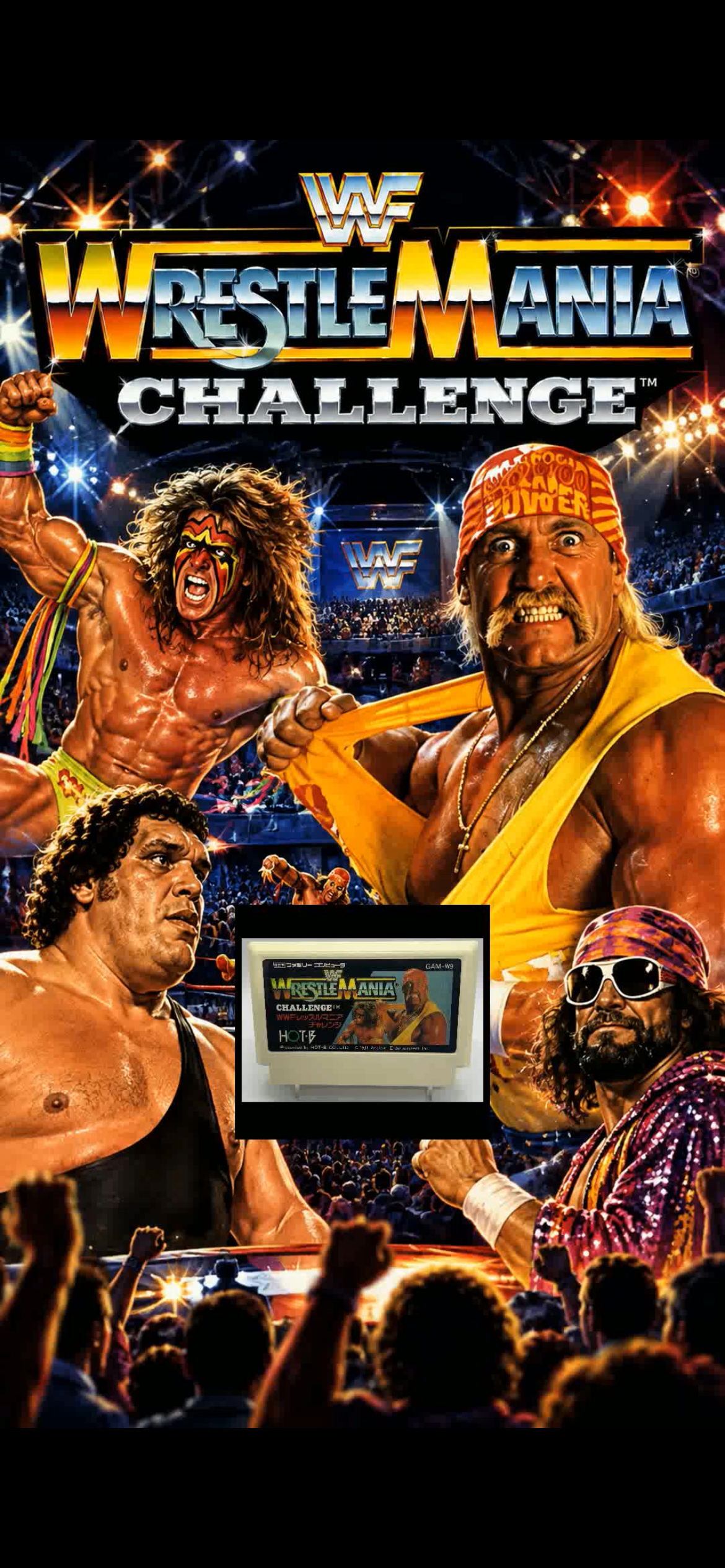
WWF WRESTLEMANIA CHALLENGE on the Japanese Famicom 🇯🇵 JP RETRO GAMES|Series No.10 WWF WRESTLEMANIA CHALLENGE
When I found this Japanese Famicom cartridge, I had to play it.WWF WRESTLEMANIA CHALLENGE is a wrestling game featuring some of the biggest WWF Superstars of the era.Hulk Hogan, The Ultimate Warrior, Macho King Randy Savage, André the Giant and more.But there is something especially interesting about this version.This is the Japanese Famicom release.The Japanese Famicom versionThe Japanese version of WWF WRESTLEMANIA CHALLENGE was released for the Nintendo Famicom on March 27, 1992.It was published in Japan by HOT-B and carries the product code:GAM-W9The original NES release came earlier, in 1990, with the game developed by Rare and published by LJN. So this cartridge is a Japanese Famicom release of a game that many players outside Japan know from the NES.And that is exactly the kind of game I like collecting.Choose your wrestlerOne of the best parts of this game is the roster.You can choose from several WWF Superstars, including:Hulk HoganThe Ultimate Warrior“Macho King” Randy SavageAndré the GiantThe Big Boss Man“Hacksaw” Jim Duggan“Ravishing” Rick RudeBrutus “The Barber” BeefcakeThere is also a character called “Yourself”, allowing the player to enter the tournament as a generic wrestler. For this video, I wanted to show as many of the characters as possible.Because let’s be honest…Who would you choose?Hulk HoganOf course, I had to include Hulk Hogan.For many people around the world, Hogan is probably one of the first names that comes to mind when they think about WWF in the late 1980s and early 1990s.The Japanese Famicom version even has his name displayed in Japanese:ハルク・ホーガンSeeing these famous wrestlers represented in an 8-bit Japanese Famicom game is part of the charm.Into the ringOnce the match begins, the game uses an unusual angled view of the wrestling ring.Instead of the traditional side view used by many wrestling games, the ring is presented almost like a diamond.This gives the game a distinctive look.The player can move around the ring, attack the opponent and use different wrestling moves.Each wrestler also has a signature move associated with them. Wrestling outside the ringAnd this is one of the scenes I definitely wanted to include in the video.The fight doesn’t always stay inside the ring.You can actually end up brawling outside the ring.For an NES/Famicom wrestling game from this era, that is a pretty fun detail.It makes the matches feel less restricted than simply exchanging moves inside the ropes.The game specifically supports fighting both in and outside the ring. More than one way to playWWF WRESTLEMANIA CHALLENGE isn’t limited to one-on-one matches.The game includes several modes, including:SinglesTag Team3-on-3 Survivor SeriesThere are also one- and two-player options. The Survivor Series mode is especially interesting because it allows three wrestlers to face three opponents.That gives the game a little more variety than a simple one-on-one wrestling match.Every wrestler has a different feelOne of the things I wanted to show in this video was the variety of characters.The roster isn’t huge by modern standards, but the characters are immediately recognizable.Hulk Hogan has his own signature move.The Ultimate Warrior has his own attack.Randy Savage has his own style.And the same goes for the other WWF Superstars.For an 8-bit game, it is impressive how much personality the developers managed to give the roster.The classic WWF atmosphereThis game comes from a very specific period of WWF history.The colorful characters, exaggerated moves and recognizable wrestlers give it a strong late-1980s / early-1990s wrestling atmosphere.Even with the limitations of the Famicom hardware, the game clearly tries to make each wrestler recognizable.The original NES version was developed by Rare, with music by David Wise, and was released in 1990. Sometimes you lose…And then…Not every match ends with a victory.For this video, I wanted to show the other side of wrestling games too.The moment when your wrestler goes down.The moment when the match is lost.And finally…Hulk Hogan loses.Hulk Hogan’s defeatYesEven Hulk Hogan can lose.I decided to finish the video with this scene because it felt like a fun way to end the match.After showing different wrestlers, attacks and even an outside-the-ring brawl…Hulk Hogan goes down.And that’s the end of this match.Who would you choose?Now I’m curious.If you could choose one wrestler from this game…Who would you pick?Hulk Hogan?The Ultimate Warrior?Macho King Randy Savage?André the Giant?Or someone else?I’d love to know which wrestler people remember playing as.The original Japanese Famicom cartridgeThis is the original Japanese Famicom cartridge I used for this video.The label says:WWF WRESTLEMANIACHALLENGEandWWFレッスルマニアチャレンジThe cartridge number is:GAM-W9The Japanese release was published by HOT-B on March 27, 1992. For collectors, this is one of the interesting things about Japanese Famicom games.The same game that many players remember as an NES title can look completely different when you see the original Japanese cartridge.WWF WrestleMania Challenge: NES vs FamicomOutside Japan, this game is generally associated with the Nintendo Entertainment System.In Japan, it appeared on the Nintendo Famicom.Original NES releaseWWF WrestleMania Challenge1990LJNRareJapanese Famicom releaseWWF WRESTLEMANIA CHALLENGE1992HOT-BGAM-W9The gameplay is part of the same game, but the Japanese cartridge is a fascinating piece of Famicom history. Why I wanted to show this gameWWF WRESTLEMANIA CHALLENGE is very different from the RPGs and action games I’ve featured in previous JP RETRO GAMES episodes.But that’s exactly why I wanted to include it.The Japanese Famicom library isn’t just about Mario, Zelda and Final Fantasy.There are sports games.Wrestling games.Licensed games.Games based on movies, television and real-world celebrities.And sometimes you find a cartridge that connects Japanese Famicom history with something that was already famous overseas.WWF WRESTLEMANIA CHALLENGE is one of those games.JP RETRO GAMES|No.10This is Series No.10 of JP RETRO GAMES.I’m collecting and playing Japanese Famicom games in Japan and sharing them with retro-gaming fans around the world.This time, we stepped into the ring with some of the biggest WWF Superstars of the era.And yes…Hulk Hogan lost. 😄So, one last question:Who would you choose?JP RETRO GAMES 🇯🇵Japanese Famicom games from Japan to the world.Game InformationTitle: WWF WRESTLEMANIA CHALLENGEJapanese Title: WWFレッスルマニアチャレンジPlatform: Nintendo FamicomJapanese Release: March 27, 1992Original NES Release: 1990Developer: RareJapanese Publisher: HOT-BOriginal NES Publisher: LJNGenre: Professional Wrestling / SportsPlayers: 1–2Region: Japan (NTSC)Format: Famicom CartridgeJapanese Product Code: GAM-W9The Japanese release date, HOT-B publisher information and GAM-W9 product code are listed by Famicom catalog sources; the original NES release and Rare/LJN credits are documented separately. About JP RETRO GAMESJP RETRO GAMES introduces Japanese Famicom games, original cartridges and retro-gaming culture to people around the world.Every series focuses on a different game from my collection.I play the games, record the footage and show the original Japanese cartridges.From Japan to the world. 🇯🇵🌎
2026.10.06
コメント(0)
-
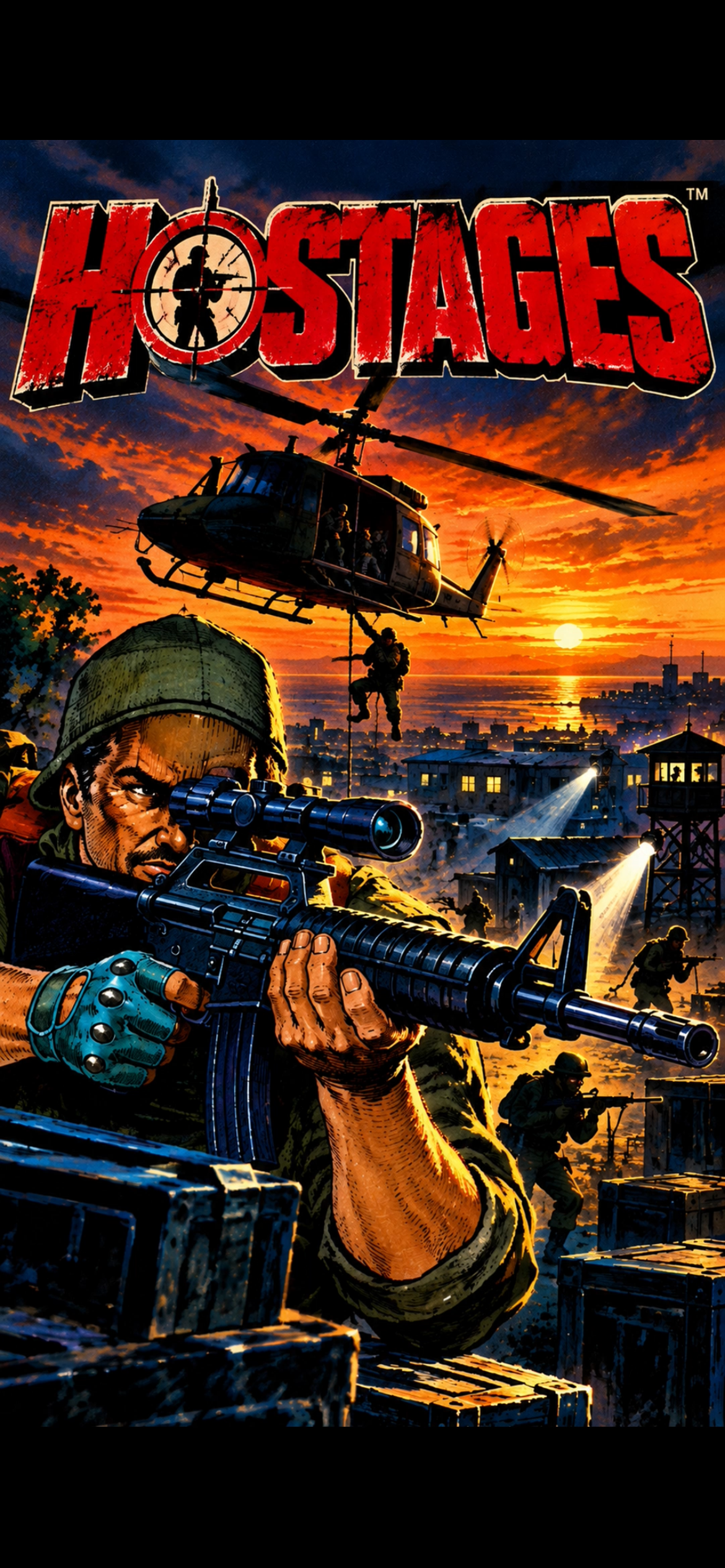
HOSTAGES on the Japanese Famicom 🇯🇵 JP RETRO GAMES|Series No.09 HOSTAGES — THE EMBASSY MISSION A very different kind of Famicom game.
When I first played HOSTAGES on the Japanese Famicom, the opening immediately caught my attention.It doesn’t feel like a typical run-and-gun action game.You have to move carefully, avoid danger, watch the windows, use your weapon, and even rappel down the side of a building.And the opening sequence is surprisingly dramatic for a Famicom game from 1989.This is the original Japanese Famicom version of HOSTAGES, released by Kemco.A Japanese Famicom game from 1989HOSTAGES was released in Japan for the Nintendo Famicom on December 1, 1989.The Japanese version was published by Kemco (Kotobuki System) and carries the cartridge code KSC-HZ. The game was originally created by Infogrames, and the Famicom version was adapted for the Japanese market by Kemco. In Japan, the game was simply called:ホステージThe cartridge itself has a very distinctive blue Famicom design and a military-style illustration.The opening really sets the moodThe first thing that surprised me was the opening.Before the actual gameplay begins, the game creates a serious atmosphere with its military operation setting.There is a helicopter, soldiers and an embassy under threat.For a Famicom game, it feels unusually cinematic.That’s why I decided to keep a large part of the opening in my video.I especially like the moment when the HOSTAGES logo drops down onto the title screen.It has a very late-1980s action movie feeling.HOSTAGES is not just a shooting gameAt first glance, HOSTAGES might look like a shooting game.But the gameplay is more complicated than that.The mission involves several different types of gameplay.You need to move through dangerous areas, avoid enemy fire, use sniping positions and eventually enter the building to rescue the hostages.The game rewards careful movement rather than simply shooting everything in sight.The NES/Famicom version is also known for combining several different gameplay sections, including stealth movement, sniping and rappelling. Moving carefully through the streetsOne of the first things you notice when playing HOSTAGES is how vulnerable your character feels.You can’t simply run forward.You have to watch the surroundings and move carefully.Enemy attacks can come quickly, so timing your movement is important.This makes the game feel quite different from more familiar Famicom action games.There is a sense that you are actually trying to infiltrate an enemy-controlled area.Watching the windowsOne of the most memorable parts of the game is the sniping section.You watch the windows of the building and wait for movement.When an enemy appears, you have to react quickly.This section gives HOSTAGES a completely different feeling from the movement section.Instead of running around, you are watching and waiting.The game uses this change of pace to make the mission feel like an actual operation.Rappelling down from the roofAnd then there is the rappelling section.Your team reaches the roof and must descend along the side of the building.This is probably one of the most unusual things about HOSTAGES.The game doesn’t just ask you to walk into the building.You actually have to descend from above.Timing is important here because a mistake can send the character falling.The rappelling section is also one of the gameplay elements specifically associated with the Famicom/NES version. One mistake can end the missionHOSTAGES can be unforgiving.If you move at the wrong time, you can quickly get shot.That was one of the things I wanted to show in this video.Rather than only showing successful gameplay, I wanted to include the moments where things go wrong too.It makes the game feel much more authentic.And honestly, that’s part of the fun of playing old games.Game OverEventually, my mission didn’t go exactly as planned.GAME OVER.But I actually think the game-over screen makes a good ending for this video.After all the careful movement, shooting and rappelling, everything can come down to one mistake.That’s very much the feeling of HOSTAGES.HOSTAGES or RESCUE: THE EMBASSY MISSION?If you know the NES version, you may recognize this game under a different name.In Japan, it was released as:HOSTAGESThe North American NES release was known as:Rescue: The Embassy MissionThe original game also appeared under other names in different regions, including Operation Jupiter. So if you remember playing Rescue: The Embassy Mission on the NES, this Japanese Famicom cartridge is the same game family.The original Japanese Famicom cartridgeThis is the original Japanese Famicom cartridge I used for this video.The label says:HOSTAGESandホステージThe cartridge number is:KSC-HZThe Japanese release was priced at 5,900 yen at the time. For me, this is one of the interesting things about collecting Famicom games.A game that may be remembered under a completely different name overseas can have a completely different-looking Japanese cartridge.Why I wanted to show this gameHOSTAGES isn’t one of the first Famicom games people usually mention when talking about the system.And that’s exactly why I wanted to show it.There are so many unusual games in the Japanese Famicom library.Some became famous around the world.Others stayed relatively unknown outside Japan.HOSTAGES is one of those games that makes me want to dig deeper into the Famicom library.The opening, the sniping, the rappelling and the tense movement all make it stand out.JP RETRO GAMES|No.09This is Series No.09 of JP RETRO GAMES.I’m collecting and playing Japanese Famicom games in Japan and sharing them with retro-gaming fans around the world.Sometimes the most interesting games aren’t the famous ones.Sometimes they’re the games you discover by picking up an old cartridge and wondering:“What is this?”That’s exactly what I love about the Japanese Famicom.JP RETRO GAMES 🇯🇵Japanese Famicom games from Japan to the world.Game InformationTitle: HOSTAGESJapanese Title: ホステージPlatform: Nintendo FamicomYear: 1989Japanese Release: December 1, 1989Publisher: Kemco / Kotobuki SystemOriginal Developer: InfogramesGenre: Action / Tactical ShooterPlayers: 1Region: Japan (NTSC)Format: Famicom CartridgeProduct Code: KSC-HZThe Japanese Famicom release date, publisher, developer/port information and cartridge code are documented by Famicom databases and catalog sources. About JP RETRO GAMESJP RETRO GAMES introduces Japanese Famicom games, original cartridges and retro-gaming culture to people around the world.Every series focuses on a different game from my collection.I play the games, record the footage and show the original Japanese cartridges.From Japan to the world. 🇯🇵🌎
2026.10.04
コメント(0)
-
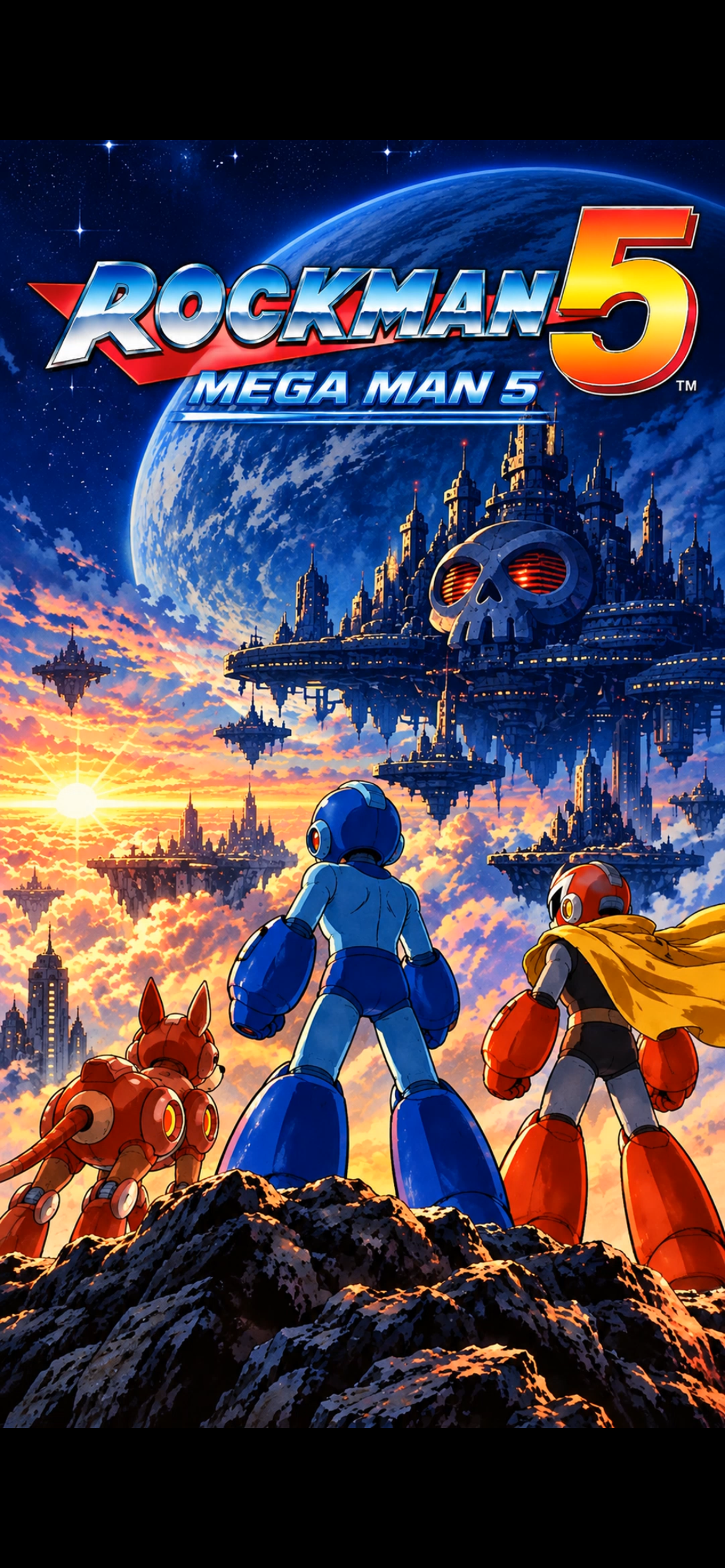
ROCKMAN 5 on the Japanese Famicom 🇯🇵 JP RETRO GAMES|Series No.08 ROCKMAN 5 — MEGA MAN 5 A Japanese Famicom classic from Capcom
Released in Japan in 1992, ROCKMAN 5 is one of Capcom’s classic action games for the Nintendo Famicom.Outside Japan, the game is known as MEGA MAN 5.This is the original Japanese Famicom version, featuring the original Japanese cartridge and Japanese title.A Japanese Famicom classicROCKMAN 5: Blues no Wana!? was released in Japan on December 4, 1992.The game was developed and published by Capcom and is an action platform game.For international players, this game became MEGA MAN 5.The Japanese Famicom version is especially interesting for collectors because of its original Japanese title, cartridge design, and packaging history.The story starts with a mysteryAt the beginning of the game, something is wrong.Proto Man, known as Blues in Japan, appears to have turned against Dr. Light.Mega Man is forced to confront his former ally while trying to uncover what is really happening.The opening sequence immediately gives the game a strong story-driven introduction before the action begins.For a short video, this opening is one of the most interesting parts of ROCKMAN 5 because it shows how much personality the Famicom games could create with very limited hardware.Choosing a Robot MasterAfter the opening sequence, Mega Man can choose which Robot Master stage to challenge.This stage-selection system became one of the defining features of the Mega Man series.Players can choose their own order and discover different weapons by defeating the Robot Masters.That means the game isn’t simply about memorizing a fixed stage order.Finding the right weapon for each situation is part of the fun.Crystal Man appearsOne of the Robot Masters featured in ROCKMAN 5 is Crystal Man.Each Robot Master has a distinctive visual design, stage theme and attack pattern.The Crystal Man stage is a good example of the colorful visual style that made late-generation Famicom action games so memorable.Even today, the game has a very recognizable 8-bit Capcom style.The real Famicom gameplayROCKMAN 5 is a traditional side-scrolling action game.Mega Man runs, jumps, shoots enemies and avoids obstacles while progressing through each stage.The controls are simple, but the level design requires timing and careful movement.The game also has a satisfying sense of progression.Defeating a Robot Master gives Mega Man a new weapon, allowing the player to approach later stages in different ways.Weapons and actionThe different weapons are one of the most enjoyable parts of the game.Each weapon has its own characteristics, and some are particularly effective against specific enemies or bosses.ROCKMAN 5 also introduced Beat, Mega Man’s robotic bird companion.Beat became an important part of the Mega Man series and is one of the memorable additions associated with ROCKMAN 5.For this video, I wanted to show several different moments of the game rather than focusing on only one stage.The goal is to give overseas viewers a quick look at what the original Japanese Famicom version actually feels like to play.The original Japanese Famicom cartridgeThis is the original Japanese Famicom cartridge of ROCKMAN 5.The cartridge carries the Japanese title:ROCKMAN 5ブルースの罠!?The cartridge number is CAP-5V, and the copyright information identifies Capcom.For collectors, the physical cartridge is an important part of the experience.This isn’t simply an emulated version of Mega Man 5.It is the original Japanese Famicom release that Japanese players could actually buy and play in 1992.ROCKMAN 5 or MEGA MAN 5?One interesting detail for international fans is the difference in naming.JapanROCKMAN 5ブルースの罠!?North America / InternationalMEGA MAN 5The character known internationally as Proto Man is called Blues in Japan.This is one of the many differences that make the Japanese versions of classic Famicom games interesting to collectors and retro-gaming fans.If you grew up playing Mega Man 5 outside Japan, seeing the original Japanese cartridge can feel like looking at a different version of a familiar game.JP RETRO GAMES|No.08ROCKMAN 5 is a great example of why I enjoy collecting Japanese Famicom games.The game itself is already a classic.But the original Japanese cartridge, Japanese title, artwork and history add another layer of interest for collectors.I collect and introduce Japanese Famicom games from Japan for retro-gaming fans around the world.From Japan to the world. 🇯🇵🌎Game InformationTitle: ROCKMAN 5: Blues no Wana!?International Title: MEGA MAN 5Platform: Nintendo FamicomYear: 1992Japanese Release: December 4, 1992Developer: CapcomPublisher: CapcomGenre: Action / PlatformerRegion: Japan (NTSC)Players: 1Format: Famicom CartridgeAbout JP RETRO GAMESJP RETRO GAMES introduces Japanese Famicom games, cartridges and retro-gaming culture to people around the world.Each series video focuses on one game and shows real gameplay from the original hardware and cartridges whenever possible.Follow the series to discover more Japanese Famicom games.JP RETRO GAMES 🇯🇵Japanese Famicom games from Japan to the world.
2026.10.04
コメント(0)
-
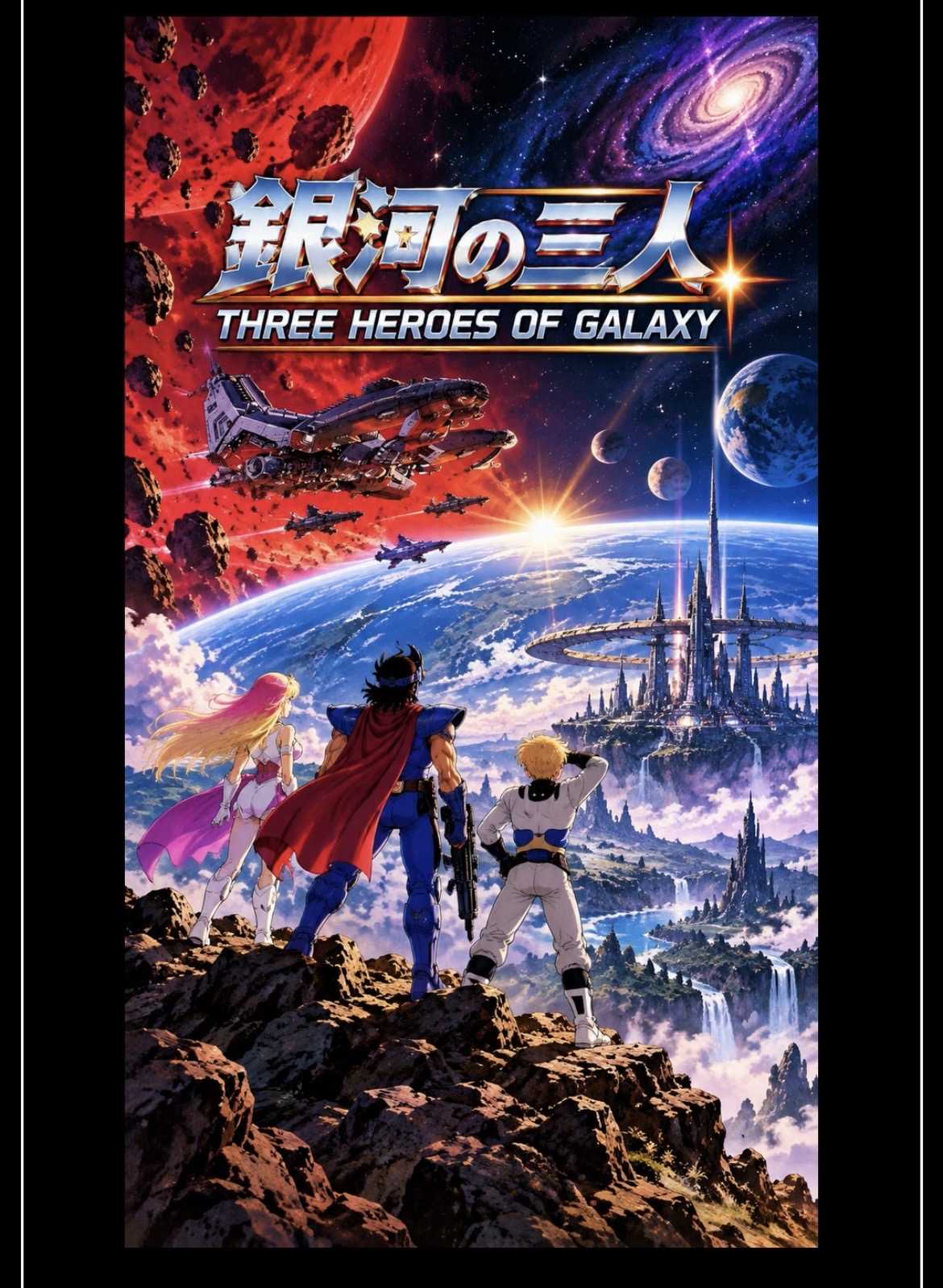
GINGA NO SANNIN on the Japanese Famicom 🇯🇵 JP RETRO GAMES|Series No\.07 A viewer asked me to show this game — so here it is
Ginga no Sannin (銀河の三人) is a 1987 Japanese Famicom RPG with a distinctive science-fiction setting. The Famicom version was released in Japan on December 15, 1987, and was published by Nintendo, with Pax Softnica involved in its development. citeturn0search12This is Series No.07 of JP RETRO GAMES, a project documenting original Japanese Famicom games from Japan to the world.A very different kind of Famicom RPGUnlike the medieval fantasy worlds that were common in many RPGs of the era, Ginga no Sannin uses a science-fiction setting. The Famicom version is associated with the earlier PC title The Earth Fighter Rayieza, while adding changes for the console version, including additional gameplay elements.The result is a fascinating snapshot of late-1980s Japanese game design: space battles, character portraits, Japanese text, and a world built around an alien threat.Battles in spaceThe battle scenes are one of the most memorable parts of this game. Instead of a conventional fantasy battlefield, the player faces enemies against a star-filled space background.The presentation is simple by modern standards, but the combination of pixel art, character portraits and Japanese interface design gives the game a very specific 1987 Famicom identity.Rimi and the Bit attackOne of the scenes I wanted to include in this video is Rimi’s attack using the Bit.The Famicom version introduced changes that included Rimi being able to use psychic powers, adding another distinctive element to the console version. Exploring the galaxyBetween battles, the game moves into exploration and navigation. The contrast between the dark space battles and the blue-and-white map screens is one of the visual details that makes this game immediately recognizable.The original Famicom cartridgeFor this episode, I used my original Japanese Famicom cartridge.The cartridge artwork itself is worth a closer look. It captures the colorful late-1980s Japanese sci-fi aesthetic and features the three main characters against a futuristic background.JP RETRO GAMES|No.07I chose Ginga no Sannin for this episode because a viewer requested it in the comments.That is exactly what I want JP RETRO GAMES to become: a way to discover Japanese Famicom games that may be unfamiliar outside Japan, one cartridge at a time.Have you played Ginga no Sannin before?And which Japanese Famicom game should I play next?Game: Ginga no Sannin (銀河の三人)Year: 1987Developer: Pax SoftnicaPublisher: NintendoGenre: RPGRegion: Japan (NTSC)Format: Famicom#Famicom #JapaneseFamicom #Nintendo #RetroGaming #JapaneseGames #FamicomGames #RetroGames #GingaNoSannin #JP_RETRO_GAMES
2026.10.03
コメント(0)
-
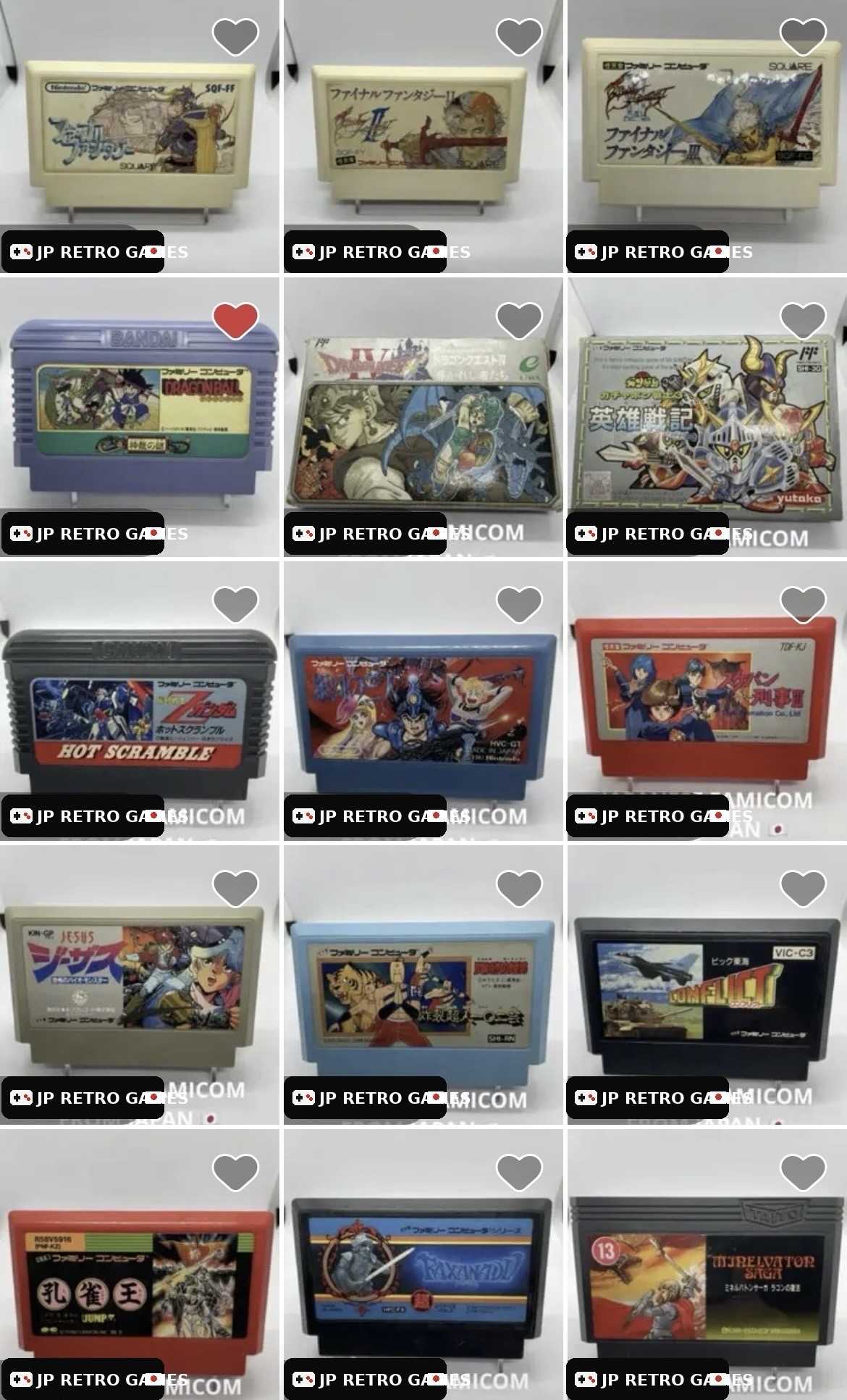
Which Japanese Famicom Game Is Your Favorite? 🇯🇵🎮 -A look at my Japanese Famicom collection — and I want to know which game you love.
There are so many amazing games on the Japanese Famicom.Some became famous around the world.Others were released only in Japan and are much less familiar to international players.I’ve been collecting Japanese Famicom games, and I wanted to share some of my collection with you.But this time, I don’t want to choose the game.I want YOU to choose. 🎮Which one is your favorite?Take a look through the collection.Do you see a game you played when you were younger?Maybe you recognize a famous character.Maybe there is a game you’ve never seen before.Or maybe your favorite Japanese Famicom game isn’t even in these pictures.Tell me about it!👇What’s your favorite Japanese Famicom game?🇯🇵 Japanese Famicom, Japanese gamesOne of the things I enjoy about collecting Famicom games is discovering games that are different from the versions released outside Japan.The cartridge designs, Japanese titles, artwork and even the games themselves can be interesting to compare.For international retro gamers, Japanese Famicom games can be a completely different way to explore classic Nintendo history.And that’s what I want to share here at JP RETRO GAMES.Not just the games.The feeling of discovering Japanese retro gaming.🎮 You Choose. I Play.I’m starting a new idea with this collection.YOU CHOOSE. I PLAY. 🇯🇵🎮If you see a game in my collection that you’d like to see played, tell me the title.I’ll use your suggestions when deciding which Japanese Famicom game to feature next.Your favorite could become the next JP RETRO GAMES video.You choose the game.I play it on Japanese Famicom.What should I play next?Maybe you want to see an action game.Maybe an RPG.Maybe a classic character you already know.Maybe something completely unknown outside Japan.There are plenty of possibilities.So tell me:🎮 What’s your favorite Famicom game?🇯🇵 Which Japanese Famicom game should I play next?👇 And if your favorite isn’t in my collection, tell me the title anyway!About JP RETRO GAMESJP RETRO GAMES is my personal project exploring Japanese Famicom and retro gaming culture.I’m based in Japan and collect, play and introduce Japanese retro games to gamers around the world.If you love Famicom, NES, Japanese games, retro gaming or classic Nintendo, follow along.There are many more Japanese Famicom games to discover. 🇯🇵🎮YOU CHOOSE. I PLAY. 🇯🇵🎮What should I play next?
2026.10.03
コメント(0)
-
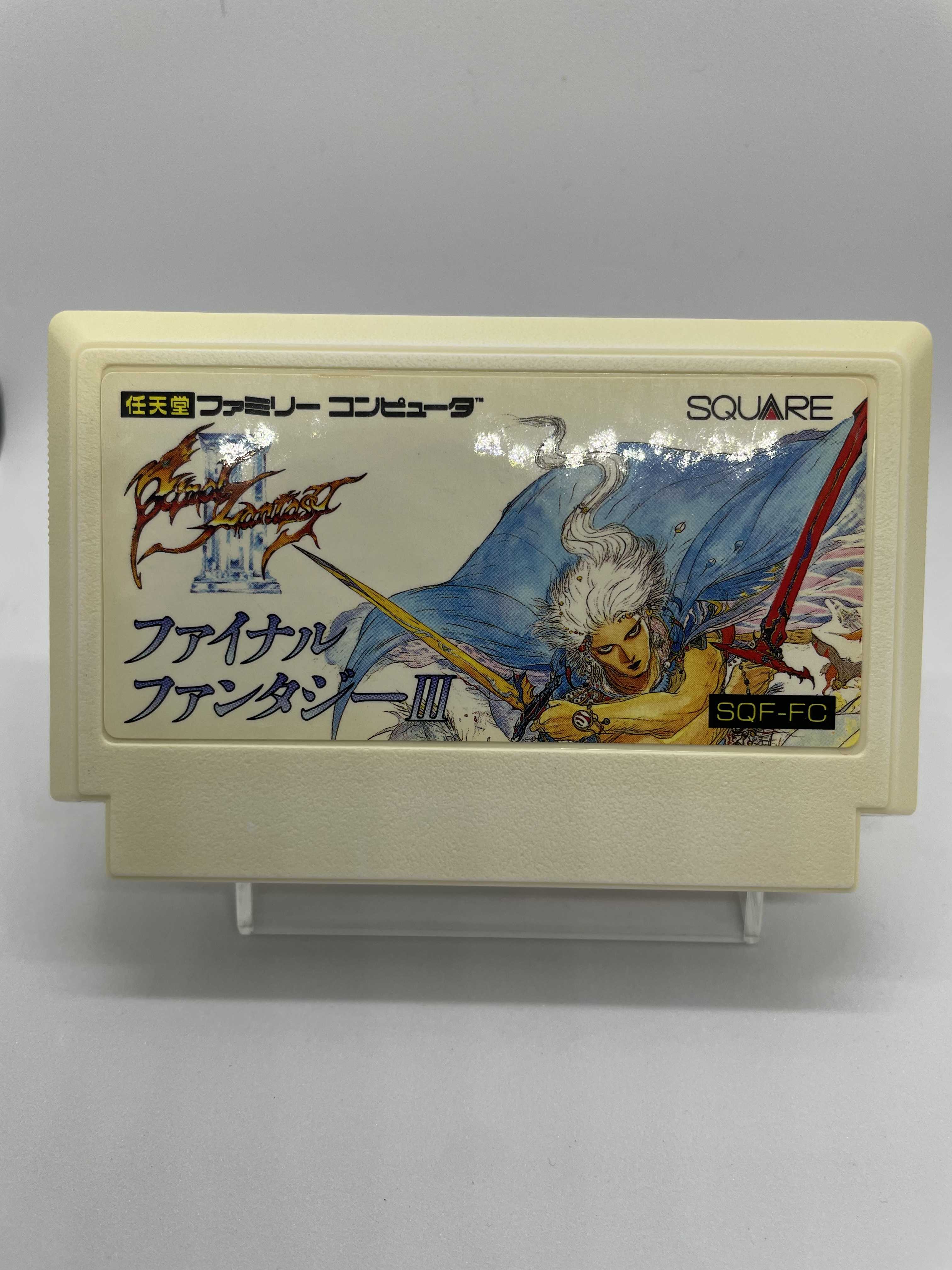
FINAL FANTASY III on the Japanese Famicom 🇯🇵 JP RETRO GAMES|Series No.06
Some games are remembered for their graphics.Others are remembered for the adventure.And then there are games that become part of gaming history.Today, we’re looking back at FINAL FANTASY III on the original Japanese Famicom.Released by Square in Japan in 1990, FINAL FANTASY III introduced a flexible Job System, allowing characters to change their roles and abilities throughout the adventure. 🎮 A Japanese Famicom ClassicFINAL FANTASY IIIYear: 1990Developer: SquarePublisher: SquareGenre: RPGRegion: JapanPlatform: Nintendo Family Computer / FamicomThe original Famicom version has a very distinctive visual style.Compared with later remakes and modern versions, the original 8-bit presentation gives the game a completely different atmosphere.For retro game collectors, this is also a piece of Japanese gaming history that can be experienced through the original hardware and cartridge.⚔️ The Job SystemOne of the most important features of FINAL FANTASY III is its Job System.Characters can change jobs and take on different roles in battle. Jobs include classes such as White Mage, Black Mage, Warrior, Monk, Dragoon and more. This means that party building isn’t simply about increasing levels.You can experiment with different combinations and change how your party approaches battles.That idea became an important part of the FINAL FANTASY series.🔄 Changing JobsOne of the moments I wanted to capture in this video was the transition from managing equipment to changing jobs.This is one of the things that makes the original Famicom version interesting to experience today.You’re not just watching the characters become stronger.You’re deciding what kind of characters they will become.✈️ Taking to the SkiesAnd then there is one of the classic RPG experiences:the airship.Moving from walking across the world to travelling by airship gives the adventure a completely different sense of scale.For a 1990 Famicom RPG, these moments are part of what makes FINAL FANTASY III feel like a large-scale adventure.✨ Magic and BattleMagic is another important part of the party system.In this footage, you can see the party preparing magic and a White Mage using a spell.The combination of jobs, equipment and magic gives the player plenty of ways to experiment with the party.💾 The Original Japanese Famicom CartridgeAnd this is the actual cartridge used for this video.The cartridge itself is part of what makes collecting Japanese retro games so interesting.It’s not just the game data.It’s the physical object from the original era — the label, cartridge design and the history attached to it.For JP RETRO GAMES, this is what I want to share:Japanese Famicom games from Japan to the world.🇯🇵 Why the Japanese Version Is InterestingThere is an important point for international fans.The original Famicom FINAL FANTASY III was released in Japan in 1990 and was not originally released overseas in that form. Later versions and remakes brought the game to international audiences. So when you see this cartridge, you’re looking at the original Japanese Famicom release, not simply another version of the game.And that’s exactly what makes Japanese retro gaming fascinating.🎮 FINAL FANTASY III — JP RETRO GAMES No.06From the cartridge…To the hardware…To the original gameplay…This is how FINAL FANTASY III looked and felt on the Japanese Famicom.Have you ever played the original Famicom version?And if you could choose one Job for your party, which would you choose?White Mage? Black Mage? Warrior? Monk?Let me know. 👇🇯🇵 JP RETRO GAMESJapanese Famicom games from Japan to the world.Discover Japanese retro games, original cartridges and forgotten games from the Famicom era.Series No.06 — FINAL FANTASY IIIJP RETRO GAMES on TikTokJP RETRO GAMES on InstagramJP RETRO GAMES on X
2026.10.03
コメント(0)
-
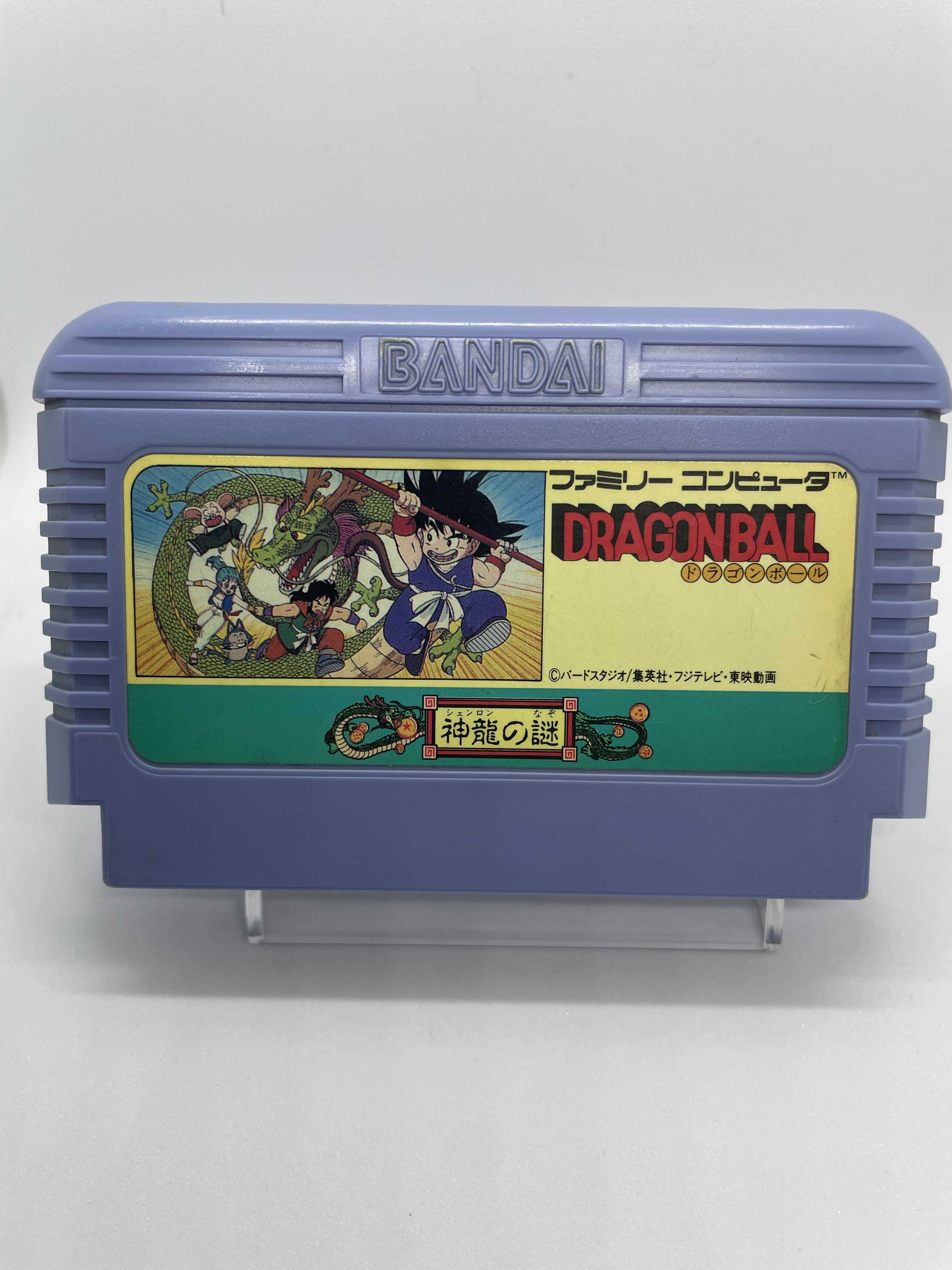
Dragon Ball: Shenron no Nazo — The Mystery Behind a Japanese Famicom Cartridge
Have you ever looked closely at an old Japanese Famicom cartridge?This one caught my attention immediately.It is Dragon Ball: Shenron no Nazo, released for the Japanese Famicom by Bandai.But there is something unusual about this cartridge.It says “1985” on the back.Why 1985?The game itself is associated with 1986, so this small detail made me want to look back at the history surrounding the game.The Dragon Ball EraTo understand this game, I wanted to go back to the world of Dragon Ball in the 1980s.I have an original Weekly Shonen Jump from this era in my collection, and it gives a fascinating glimpse into how Dragon Ball was presented to Japanese readers at the time.The magazine also contains material related to the Famicom gameSeeing the original magazine next to the actual cartridge makes the game feel very different from simply playing an old ROM or looking at an image online.These are physical pieces of the same era.Actually Playing ItOf course, the best way to understand an old game is still to play it.I connected the cartridge to a real Famicom and played it.The game is very different from modern Dragon Ball games.The conversations are short, the action is simple, and the game has that unmistakable feeling of an early Famicom title.https://www.instagram.com/reel/Dd6x52xSSbx/?stkn=MWJ2cTVxcmM3ejFoaw==I kept the gameplay footage focused on the action rather than the dialogue.And yes… eventually, I got a GAME OVER. 😅So, What Does “1985” Mean?The most interesting detail for me is the “1985” marking on the cartridge.Does it mean the game was released in 1985?Not necessarily.A date printed or molded into a cartridge can refer to things such as manufacturing, copyright, production, or other internal information. It should not automatically be interpreted as the game’s release date.That’s why I don’t want to simply call it a “1985 version.”Instead, I think the small marking is part of the mystery that makes this particular cartridge interesting.🇯🇵 Japanese Famicom × Dragon Ball × Weekly Shonen JumpWhat I like about collecting Japanese retro games is that the cartridge is only one part of the story.A Famicom cartridge.An old Weekly Shonen Jump.The Dragon Ball manga from the same era.And an actual gameplay session.When these pieces are put together, you can get a small glimpse of Japanese gaming and manga culture in the 1980s.This is why I collect Japanese Famicom games.Not just the games themselves, but the memories, magazines, advertisements and history surrounding them.Have you ever played Dragon Ball: Shenron no Nazo?And what do you think the “1985” marking on this cartridge means?Let me know what you think.I will continue sharing Japanese Famicom games, vintage manga and Japanese retro gaming culture from my collection.🎮TikTok📸Instagram𝕏X🛒MercariJP RETRO GAMES — Discover Japanese Retro Games from Japan.
2026.10.01
コメント(0)
全9件 (9件中 1-9件目)
1


-
-
- アニメ・コミック・ゲームにまつわる…
- 【Switch:死印】むりむりむりむりむ…
- (2026-10-08 11:58:47)
-
-
-

- フォトライフ
- 源氏物語〔38帖 鈴虫 16〕
- (2026-10-08 10:30:04)
-
-
-

- 気になる売れ筋おもちゃ・ホビー・ゲ…
- 最初の知育玩具は何を選ぶ?ことばず…
- (2026-10-05 11:33:57)
-


