


2025年11月の記事
全8件 (8件中 1-8件目)
1
-
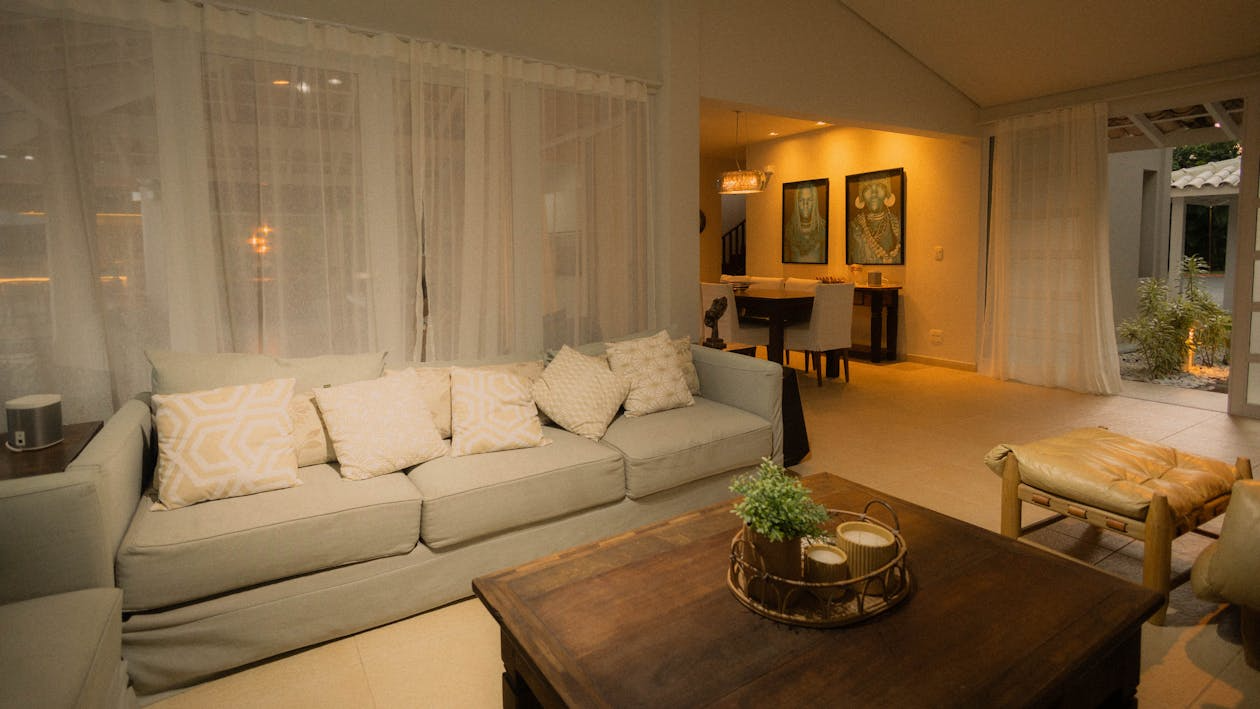
Home Smart Decoradtech: Redefining Modern Living in Style
The Rise of Smart Home AestheticsHome interiors are evolving faster than ever. What was once a static arrangement of furniture and décor has become a vibrant, responsive environment that blends technology and design. Enter the world of home smart decoradtech—a new wave of lifestyle innovation merging smart home technology with decorative intelligence. This trend is not only about convenience but also about how your home feels and reacts to you.In Japan’s evolving digital lifestyle scene, this movement resonates with a desire for simplicity and emotional connection. It’s about beauty meeting practicality. Whether it’s a voice-activated light fixture that adapts to your mood or an AI-assisted plant care gadget, the future of living is quietly—and beautifully—taking shape.Understanding the Concept of DecoradtechThe term “decoradtech” fuses three concepts: décor, advanced technology, and aesthetic intelligence. It refers to devices and systems designed to elevate how your home looks while improving how it functions. Unlike traditional smart homes that focus mostly on automation and control, home smart decoradtech captures ambiance, design harmony, and human-centered experience.Consider these examples:Smart mirrors that display weather updates while complementing your minimalist bathroom.Sensor-driven curtains that open to natural sunlight at specific times.Art frames that digitally change based on your mood or the season.These designs push boundaries, making technology a natural extension of your interior, not an intruder in it.The Emotional Side of Smart DesignBeyond efficiency lies emotion. That’s the fresh dimension home smart decoradtech brings into our lives. The best smart décor integrates empathy—machines that respond to human gestures, sensors detecting comfort preferences, and homes that anticipate mood shifts.Japanese lifestyle culture, which celebrates mindfulness and subtle harmony, deeply influences this movement. Much like how “zen” décor aligns mood with space, smart décor devices can create personalized wellness zones that adjust light color, aroma, and sound to relax the senses. Even for city dwellers in compact apartments, smart interior tools offer the tranquility of nature through digital simulations and responsive lighting.Smart Furniture: Form Meets FunctionImagine walking into your living room, and your furniture understands your routine. Smart sofas equipped with responsive cushions adjust firmness based on body posture. Coffee tables include wireless charging zones and subtle LED ambient lighting controlled through voice. Dining sets integrate built-in temperature sensors to maintain perfect food presentation conditions.These innovations redefine everyday objects as active participants in the household ecosystem. The evolving line between furniture and technology makes the concept of living spaces dynamic rather than static.Lighting Automation and AmbienceLighting has always been central to décor, but with smart controls, it becomes transformative. Adaptive LED panels can mimic sunrise or moonlight depending on your sleep cycle. Color-tuning systems detect the time of day and adjust according to circadian rhythms, promoting healthy rest patterns.Many home smart decoradtech innovations focus on creating an emotional story through lighting. For example, voice commands can trigger “movie night,” and lights automatically dim while your projector switches on. The living room transitions seamlessly from a workspace to an entertainment zone.Sustainability Through Smart AestheticsThe new face of décor technology isn’t only smart—it’s conscious. Eco-living is a major element of modern home design, and home smart decoradtech supports it with energy-efficient features and mindful consumption. Solar-powered lighting strips, motion-sensing air conditioning, and water-monitoring smart plants demonstrate how design can meet sustainability without compromising elegance.Minimalist decor trends also align with this movement. Think modular furniture that reduces waste, or materials chosen for low-emission production. Every decorative choice is backed by intentional environmental value.The Human Touch in Digital LivingDespite automation’s growing presence, people still crave warmth. The challenge for designers lies in balancing technological convenience with emotional depth. A perfectly automated home without warmth feels mechanical. That’s why home smart decoradtech celebrates personalization—allowing each household to reflect character and soul.Customizable digital frames, handcrafted smart furniture, and AI recommendations rooted in personal tastes ensure that “smart” never feels cold. Every connected object adds meaning, creating homes that respond to love, culture, and individuality.The Future of Decoradtech LivingIn the coming years, this emerging niche will continue blurring lines between design, digital artistry, and artificial intelligence. As machine learning becomes more emotionally aware, imagine homes that evolve with your habits—spaces learning what soundscapes calm you during stressful days or which scent improves your focus.The adoption curve is already visible in major technology markets, with Japan, the United States, and parts of Europe spearheading emotionally aware smart décor. Global companies are collaborating with interior designers, developing integrated living platforms that unify function and style.Eventually, all of this leads to a universal truth: the way we inhabit spaces reflects the way we live internally. Technological beauty, mindfulness, and personal comfort are no longer separate goals—they’re one ecosystem.Bringing Decoradtech into Your Daily LifeGetting started with home smart decoradtech doesn’t require major renovation. Start small:Replace ordinary bulbs with voice-controlled or app-based smart lighting.Add a digital art frame rotating calming visuals.Integrate a smart air quality monitor designed as a minimalist sculpture.Each tiny upgrade enriches your environment while maintaining artistic charm. Over time, these adjustments begin reshaping how you interact with your surroundings—transforming simple houses into living, learning, and emotional companions.More info too visit plaza rakuten
2025.11.06
コメント(0)
-
Home Smart Decoradtech: Redefining Modern Living in Style
The Rise of Smart Home AestheticsHome interiors are evolving faster than ever. What was once a static arrangement of furniture and décor has become a vibrant, responsive environment that blends technology and design. Enter the world of home smart decoradtech—a new wave of lifestyle innovation merging smart home technology with decorative intelligence. This trend is not only about convenience but also about how your home feels and reacts to you.In Japan’s evolving digital lifestyle scene, this movement resonates with a desire for simplicity and emotional connection. It’s about beauty meeting practicality. Whether it’s a voice-activated light fixture that adapts to your mood or an AI-assisted plant care gadget, the future of living is quietly—and beautifully—taking shape.Understanding the Concept of DecoradtechThe term “decoradtech” fuses three concepts: décor, advanced technology, and aesthetic intelligence. It refers to devices and systems designed to elevate how your home looks while improving how it functions. Unlike traditional smart homes that focus mostly on automation and control, home smart decoradtech captures ambiance, design harmony, and human-centered experience.Consider these examples:Smart mirrors that display weather updates while complementing your minimalist bathroom.Sensor-driven curtains that open to natural sunlight at specific times.Art frames that digitally change based on your mood or the season.These designs push boundaries, making technology a natural extension of your interior, not an intruder in it.The Emotional Side of Smart DesignBeyond efficiency lies emotion. That’s the fresh dimension home smart decoradtech brings into our lives. The best smart décor integrates empathy—machines that respond to human gestures, sensors detecting comfort preferences, and homes that anticipate mood shifts.Japanese lifestyle culture, which celebrates mindfulness and subtle harmony, deeply influences this movement. Much like how “zen” décor aligns mood with space, smart décor devices can create personalized wellness zones that adjust light color, aroma, and sound to relax the senses. Even for city dwellers in compact apartments, smart interior tools offer the tranquility of nature through digital simulations and responsive lighting.Smart Furniture: Form Meets FunctionImagine walking into your living room, and your furniture understands your routine. Smart sofas equipped with responsive cushions adjust firmness based on body posture. Coffee tables include wireless charging zones and subtle LED ambient lighting controlled through voice. Dining sets integrate built-in temperature sensors to maintain perfect food presentation conditions.These innovations redefine everyday objects as active participants in the household ecosystem. The evolving line between furniture and technology makes the concept of living spaces dynamic rather than static.Lighting Automation and AmbienceLighting has always been central to décor, but with smart controls, it becomes transformative. Adaptive LED panels can mimic sunrise or moonlight depending on your sleep cycle. Color-tuning systems detect the time of day and adjust according to circadian rhythms, promoting healthy rest patterns.Many home smart decoradtech innovations focus on creating an emotional story through lighting. For example, voice commands can trigger “movie night,” and lights automatically dim while your projector switches on. The living room transitions seamlessly from a workspace to an entertainment zone.Sustainability Through Smart AestheticsThe new face of décor technology isn’t only smart—it’s conscious. Eco-living is a major element of modern home design, and home smart decoradtech supports it with energy-efficient features and mindful consumption. Solar-powered lighting strips, motion-sensing air conditioning, and water-monitoring smart plants demonstrate how design can meet sustainability without compromising elegance.Minimalist decor trends also align with this movement. Think modular furniture that reduces waste, or materials chosen for low-emission production. Every decorative choice is backed by intentional environmental value.The Human Touch in Digital LivingDespite automation’s growing presence, people still crave warmth. The challenge for designers lies in balancing technological convenience with emotional depth. A perfectly automated home without warmth feels mechanical. That’s why home smart decoradtech celebrates personalization—allowing each household to reflect character and soul.Customizable digital frames, handcrafted smart furniture, and AI recommendations rooted in personal tastes ensure that “smart” never feels cold. Every connected object adds meaning, creating homes that respond to love, culture, and individuality.The Future of Decoradtech LivingIn the coming years, this emerging niche will continue blurring lines between design, digital artistry, and artificial intelligence. As machine learning becomes more emotionally aware, imagine homes that evolve with your habits—spaces learning what soundscapes calm you during stressful days or which scent improves your focus.The adoption curve is already visible in major technology markets, with Japan, the United States, and parts of Europe spearheading emotionally aware smart décor. Global companies are collaborating with interior designers, developing integrated living platforms that unify function and style.Eventually, all of this leads to a universal truth: the way we inhabit spaces reflects the way we live internally. Technological beauty, mindfulness, and personal comfort are no longer separate goals—they’re one ecosystem.Bringing Decoradtech into Your Daily LifeGetting started with home smart decoradtech doesn’t require major renovation. Start small:Replace ordinary bulbs with voice-controlled or app-based smart lighting.Add a digital art frame rotating calming visuals.Integrate a smart air quality monitor designed as a minimalist sculpture.Each tiny upgrade enriches your environment while maintaining artistic charm. Over time, these adjustments begin reshaping how you interact with your surroundings—transforming simple houses into living, learning, and emotional companions.More info too visit plaza rakuten
2025.11.06
コメント(0)
-
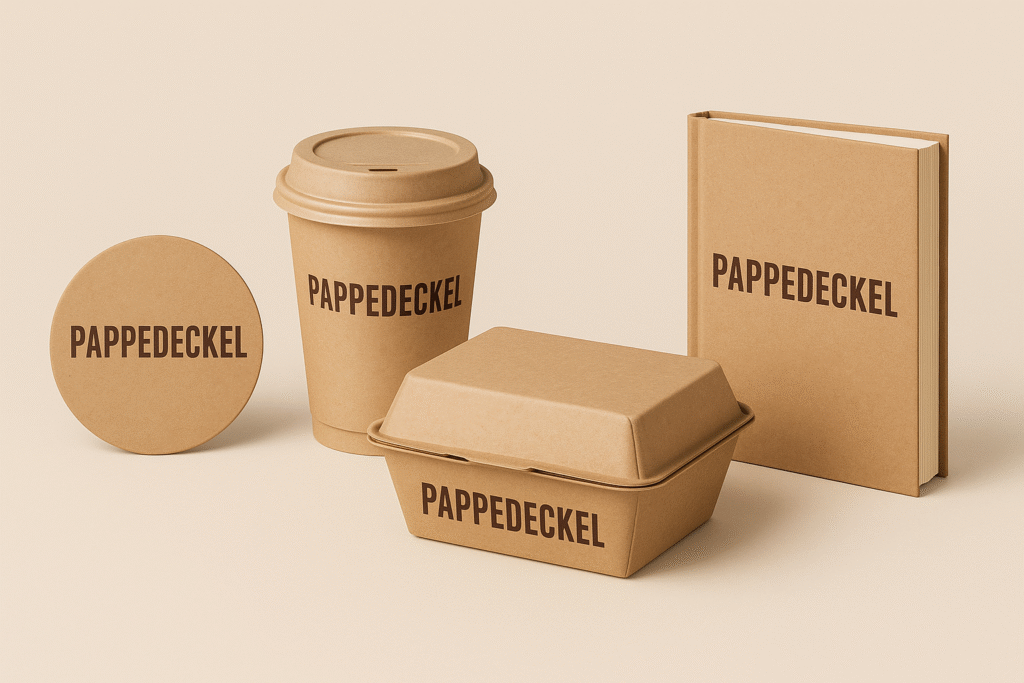
The Unexpected Rise of the Pappedeckel: Germany’s Eco-Friendly Food Revolution
The Unexpected Rise of the Pappedeckel: Germany’s Eco-Friendly Food RevolutionIn a world obsessed with convenience, single-use plastics have long dominated the food container and packaging industry. However, the humble pappedeckel—literally translating to “cardboard lid” from German—has emerged as a surprising hero in promoting sustainability. It represents a shift not only in how we package food but also in how we think about minimizing waste in our daily meals, cafes, and takeaways.Let’s explore how this unassuming cardboard lid is shaping food culture, environmental responsibility, and business innovation across the globe.What Exactly Is a Pappedeckel?In its simplest form, a pappedeckel is a paper or cardboard-based lid used to cover disposable cups, food containers, or takeaway bowls. While it might seem like a small adjustment, replacing plastic lids with biodegradable alternatives can dramatically reduce landfill waste and microplastic pollution.Originally gaining attention in Germany, the concept of using a recyclable, compostable paper lid quickly resonated with eco-conscious consumers. A pappedeckel is not just a lid—it’s a symbol of responsible consumption and a statement against unnecessary plastic.From Berlin Cafés to Global Coffee ChainsThe adoption of the pappedeckel started modestly across local cafés in Berlin. Eco-minded baristas who wanted to serve takeaway drinks without contributing to plastic waste turned to cardboard alternatives. Soon, this idea spread across Europe and has now taken root globally.Major coffee and food chains have begun integrating pappedeckel-style lids into their serving systems. These lids offer the same practicality and durability as plastic, maintaining insulation, preventing spills, and even providing a better tactile experience for customers.In places like Japan—where platforms like Ameba Blog encourage lifestyle awareness and trends—the pappedeckel has become part of everyday sustainability discussions. People share posts about eco-friendly cafés, creative packaging, and the increasing shift toward greener consumption habits.The Environmental Impact of a Small InnovationSwitching to a pappedeckel might sound like a minor change, but its environmental benefits are substantial. A typical plastic lid takes hundreds of years to decompose. In contrast, a pappedeckel made of recycled materials breaks down naturally within months under composting conditions.Here’s why this matters:Reduction in Waste Volume: Paper lids occupy much less landfill space.Lower Carbon Footprint: The production process of cardboard requires less energy compared to plastic.Improved Recycling Systems: Cardboard is easier to collect, process, and reuse.No Microplastics: Unlike plastic lids, pappedeckel does not release harmful particles into soil or water.By replacing millions of plastic lids used daily worldwide, the cumulative effect can be astonishing. A small lid change can lead to tons of saved plastic and a significantly cleaner environment.The Pappedeckel in the Food IndustryAside from beverages, pappedeckel solutions have quickly expanded into the broader food takeaway industry. Restaurants now use similar paper-based lids for soups, stews, salads, and desserts. Brands producing eco-friendly packaging see pappedeckel as part of a unified system that includes paper bowls, cups, and compostable cutlery.The food sector, always sensitive to consumer perception, finds that using eco-materials like pappedeckel enhances its brand image. Customers appreciate transparent sustainability practices, especially when these actions align with global climate goals and regulations against single-use plastic.Innovation and Design in Pappedeckel ProductsOver the years, pappedeckel has evolved from simple flat paper covers to advanced molded designs that combine functionality with comfort. Manufacturers have introduced lids that:Fit snugly on standard cups without leaking.Include small drink spouts or breathing holes.Resist moisture and maintain structural integrity for hot drinks.Feature natural wax or plant-based lamination for added durability.Creative packaging designers see the pappedeckel as more than just a lid—it’s a branding surface. Many cafés now print their logos or sustainability messages directly on the lid, turning a disposable item into a storytelling element that reflects their eco-conscious values.Consumer Behavior and Cultural ShiftThe acceptance of pappedeckel reflects a deeper cultural transition. People are no longer content with convenience at the cost of the planet. They want their consumption choices to matter. In Germany, eco-awareness has long been part of the national ethos, and the popularity of cardboard lids mirrors that mindset.International markets, including Japan, the US, and South Korea, are following suit. On social media and blogs like Ameba, users frequently highlight their chosen sustainable products and daily habits. Pappedeckel posts often receive engagement from communities who admire minimal, reusable, and recyclable designs.Challenges and the Future of Sustainable LidsWhile pappedeckel is a major improvement, the road ahead isn’t without challenges. Paper production still requires resources like water and wood fiber. Ensuring that materials are sourced responsibly and processed sustainably remains key. Additionally, moisture resistance and fit precision are still areas of innovation.Future development focuses on integrating biopolymer coatings made from corn or sugarcane—natural elements that improve waterproofing while maintaining compostability. Many startups are racing to design the “perfect eco-lid”—lightweight, cost-efficient, and fully degradable.Final ThoughtsThe pappedeckel might appear trivial at first glance, but it embodies the spirit of environmental transformation. It shows how tiny lifestyle choices can collectively drive significant ecological impact. From small coffee shops in Berlin to internationally trending topics on Ameba Blog Japan, this cardboard lid symbolizes a new era of responsible, mindful living.More info too visit plaza rakuten
2025.11.06
コメント(0)
-
The Art of Relaxing at Home: How to Create Your Perfect Comfort Space
The Meaning of “Relax Home”In today’s busy, tech-centered world, the idea of “relax home” goes beyond aesthetics. It’s about designing your personal space to bring peace, comfort, and emotional stability. A relaxing home should embrace simplicity, natural elements, and intentional routines that calm the mind after a hectic day.Creating a “relax home” isn’t about expensive interiors or big renovations—it’s a mindset shift. The goal is to transform every corner into a little oasis that encourages you to slow down, breathe deeply, and enjoy being present.Declutter to Clear the MindA messy environment can cause mental fatigue. Begin your “relax home” transformation by decluttering one space at a time. Find items you no longer use, and donate or recycle them. Keep your essentials organized in labeled boxes or drawers.Minimalism doesn’t mean having bare rooms—it means surrounding yourself with only what brings joy and function. The less clutter you have, the easier it is to focus and relax. Clean spaces allow natural energy to flow and clear mental stress.Lighting and Fragrance: Setting the MoodLighting can instantly change how a room feels. Warm-toned lights or dimmable fixtures create a cozy atmosphere in the evenings. Candles and soft bedside lamps encourage rest and reflection. During the day, open your curtains wide to let in sunlight—it boosts serotonin levels and refreshes the room.Fragrance also plays a major role in relaxation. Try adding natural aromas like lavender, sandalwood, or citrus oils through diffusers or incense. Studies show that scent affects your brain’s mood receptors, reducing anxiety and promoting restful sleep.The Power of Texture and NatureYour home should feel comfortable to the touch. Add soft blankets, fluffy rugs, and breathable cotton or linen sheets. Mixing textures—such as smooth wood, cool metal, and cozy fabrics—creates sensory balance.Bringing nature indoors is another secret to the “relax home” atmosphere. Place small potted plants on your desk, bathroom counter, or kitchen window. Not only do they purify the air, but greenery also encourages calmness and mindfulness.Personal Corners for ReflectionEvery “relax home” benefits from a dedicated spot for self-care or creativity. This could be a reading chair by the window, a corner for stretching, or a small desk for journaling and planning.Having a personal zone helps separate relaxation from work-related stress. Design it with items that inspire you—books, candles, vision boards, or even handmade crafts. Over time, this space becomes a signal to your brain that it’s time to unwind.Sound and Silence BalanceJust as lighting and scent contribute to your environment, so does sound. Calming music, gentle rain recordings, or ocean wave playlists can transform the feel of your space. Use sound to create your desired emotional state—soft jazz during dinner, white noise while working, or nature sounds before bed.Equally important is silence. Create moments each day where all devices are turned off, and you can listen to nothing but your thoughts or the ambient noise of your surroundings. Silence sharpens clarity and fosters emotional healing.Embrace a “Slow Living” RoutineA “relax home” also comes from the rituals practiced within it. Try building daily habits that bring calm: making tea early in the morning, stretching, journaling, or lighting a candle before bed. Keep your weekends tech-light—read a printed book, cook slow meals, or simply rest.This slow living approach reconnects you to simple joys, allowing your home to become your sanctuary rather than just a shelter. It helps you see beauty in everyday actions and enjoy stillness without guilt.Digital Detox CornersIn a world constantly connected through screens, setting boundaries is essential to protect your mind. Create areas at home where gadgets are not allowed—such as your bedroom or dining table. Replace phone browsing time with journaling or meditation.Detaching from digital overload helps your body rest better and primes your brain for creativity. It also strengthens your relationships, giving you more real-time moments of connection with family or yourself.Weekend “Home Retreat” IdeasYou don’t need to book a spa or trip to feel refreshed—your “relax home” can easily transform into a retreat. Start with simple rituals:Morning yoga or stretching near an open window.Herbal tea or fruit-infused water while playing soft background music.DIY spa treatments like salt baths or facial masks.Aroma therapy while reading or journaling.Spend part of the day doing nothing and just existing in comfort. This act of intentional stillness resets your nervous system and prepares you for the week ahead.Final ThoughtsA “relax home” is personal and ever-evolving. It reflects how you want to feel every day—safe, free, and comforted. By mixing aesthetic elements with mindful habits, you can cultivate an environment that heals your body and uplifts your mood.More info too visit plaza rakuten
2025.11.06
コメント(0)
-

How to Android Install APK: A Complete Guide for 2025
android install apk on Android devices is a useful skill when you want to try apps outside the Google Play Store. Whether you want to install a beta app, an older version, or an app unavailable in your region, knowing how to manually install APK files is essential. This guide covers everything you need to know about Android install APK in 2025.What is an APK File?APK stands for Android Package Kit, the file format used by Android to distribute and install apps. Normally, apps are installed from the Google Play Store, which manages app updates and security. However, APK files let you install apps directly, bypassing the Play Store.Why You Might Need to Install APK FilesSometimes apps are not available on the Play Store due to restrictions, regional limitations, or developer choice. Installing APKs allows you to:Access apps before official releases.Install apps removed from the Play Store.Use apps unavailable in your country.Customize your device experience beyond Play Store limits.Preparing Your Android Device for APK InstallationSince installing APKs bypasses the Play Store’s security checks, Android requires you to permit installations from “unknown sources.” This ensures you knowingly install apps from trusted sources.Enabling Installations from Unknown SourcesFor Android 8.0 (Oreo) and above:Go to Settings > Apps & notifications > Special app access > Install unknown apps.Select the app (browser or file manager) from which you’ll install the APK.Toggle on Allow from this source.Below Android 8.0, the setting is found under Settings > Security > Unknown sources, and you can enable it globally.Steps to Android Install APKHere is the step-by-step method to install an APK file on your Android device:Download the APK FileUse a trusted source to download the APK file to your Android device, preferably from the device’s browser or a file manager app.Locate the Downloaded APKOpen your file manager (e.g., Files by Google).Navigate to the folder where the APK is saved (usually the Downloads folder).Initiate InstallationTap the APK file.If />Toggle on Allow from this source./>Return to the APK file and tap it again.A />Tap Install and wait a few seconds for the process to complete.Open the AppOnce installed, you can open the app directly or find it in your app drawer.Tips for Safe APK InstallationOnly download APKs from reputable sources to avoid malware.Scan downloaded files using Google Play Protect or a third-party antivirus app.Keep your Android device updated with the latest security patches.Avoid installing APKs from unknown email attachments or suspicious websites.Installing APKs Without File ManagerIf you download APKs directly from a browser like Chrome:After the download completes, tap the notification to open the APK.Follow the permission steps to allow installation from your browser.Proceed with installation as usual.Using Advanced Methods for APK InstallationFor tech-savvy users:You can install APKs via USB using ADB (Android Debug Bridge) from a PC.This method requires connecting your device to a computer and running commands to sideload APKs.ConclusionMastering how to Android install APK files expands your app choices besides the Google Play Store. Always prioritize safety by trusting only reliable sources and carefully managing permissions. Following the simple steps outlined here will help you manually install any APK smoothly on your Android device in 2025.More info too visit plaza rakuten
2025.11.06
コメント(0)
-

How to Install APK Files on Android: A Complete 2025 Guide
Understanding APK Files and Their InstallationAPK files are Android application packages used to install apps outside the Google Play Store. install apk files enables you to use apps not available in your region or test beta versions. However, since APKs come from outside official sources, Android requires special permissions to allow their installation safely.Step-by-Step Guide to Installing APK FilesDownload the APK FileUse trusted websites or sources to download your APK. Avoid shady sites to minimize malware risk. The APK will typically be saved in your device’s Downloads folder or chosen storage location.Enable Installation from Unknown SourcesDue to Android’s security model (especially Android 8.0 and later), you must allow the app (e.g., browser or file manager) you use to install the APK to have "Install unknown apps" permission. This setting is found in:Settings → Apps & Notifications → Special app access → Install unknown apps → Select your app → Enable "Allow from this source".Locate the APK FileOpen your file manager or the “Files” app, then navigate to the folder where the APK is saved (often in Downloads).Install the APKTap the APK file. A />Launch the App and Review PermissionsOnce installed, you can open the app immediately from the install screen or later from the app drawer. The app may ask for runtime permissions; accept them only if you trust the app.Disable Unknown Source Installation (Recommended)For security, it’s wise to disable the "Allow from this source" setting after installation to prevent unauthorized app installs.Troubleshooting Common APK Installation IssuesApp Not Installed:May result from signature conflicts if an older version of the APK is installed. Solution: Uninstall existing app version before trying again.Parsing Error:This may indicate a corrupted download or an incompatible APK for your device architecture or Android version.Blocked by Play Protect:Google may block unknown APKs considered unsafe. You can temporarily disable Play Protect during installation but re-enable it afterward.Insufficient Storage:Ensure there is enough free space on your device to install the app.CPU Architecture Mismatch:Download APKs compatible with your device’s CPU (ARM, ARM64, x86, etc.) to avoid installation failure.By following these steps carefully, you can safely and effectively install APK files to enjoy apps beyond the Google Play Store. Always prioritize security and verify your APK sources to prevent risks on your Android device.More info too visit plaza rakuten
2025.11.06
コメント(0)
-

The Digital Fashion Evolution: How Internet Chicks Are Redefining Style Culture
Digital Fashion Takes the SpotlightThe fashion world has entered a new era where creativity thrives in digital spaces. Gone are the days when runway shows and glossy magazines dictated trends. Today, online creators, influencers, and digital stylists—collectively known as internet chicks—are leading the charge. These women have harnessed the power of social media and blogging platforms to revolutionize how modern audiences perceive and participate in fashion.Platforms like Ameba Blog have become essential spaces for sharing outfit inspiration, styling tutorials, and personal fashion journeys. Internet chicks use such creative outlets not just to showcase clothes, but to express individuality, break stereotypes, and inspire others to find their style voice.The Rise of the Internet Chick PhenomenonThe term internet chicks refers to digitally empowered fashion enthusiasts who leverage online platforms to express personality through clothing and aesthetics. They are not confined to a single category—some focus on vintage fashion, while others experiment with minimalism, streetwear, or high-end couture. What unites them is authenticity and the desire to create a dialogue with their audience.Unlike traditional fashion influencers, internet chicks value relatability over perfection. They photograph looks in real-world settings, discuss body positivity, and encourage self-expression through accessible style choices. This grassroots approach resonates with the online generation seeking content that feels genuine rather than staged.As these digital creators continue to share their perspectives, they blur the boundaries between professional fashion influencers and community-driven style enthusiasts. Their content does more than showcase trends—it inspires conversations around identity, sustainability, and self-confidence.Blogging and Storytelling Through FashionA key reason Ameba Blog has become a fashion hotspot in Japan and beyond is its community-driven ecosystem. Internet chicks use the platform not only to post outfits but also to tell stories. Whether they’re narrating the emotions behind an outfit or giving tips on vintage shopping, storytelling adds a personal dimension to fashion blogging.Personal style diaries on platforms like Ameba allow fashion enthusiasts to engage deeply with their audience. The comment sections fill with encouragement, shared experiences, and questions about trends. Readers aren't just passive consumers—they are active participants in a growing digital style conversation.Fashion blogging has evolved from static image sharing into an immersive storytelling experience. Each post represents a mix of mood boards, personal reflections, and interactivity—a powerful combination that continues to attract loyal readerships across Ameba and similar blog networks.Fashion Meets SustainabilityA defining characteristic of the modern internet chick movement is sustainability. Younger bloggers, especially those in Japan’s thriving micro-fashion community, are increasingly aware of environmental impacts. They advocate for responsible consumption—thrifting, upcycling, and supporting ethical brands.Ameba’s blogging environment encourages creators to share these sustainability journeys through articles, tutorials, and personal reflections. Following such creators helps readers learn new ways to be stylish without contributing to fast fashion waste. Many of these bloggers post “before and after” photos of reworked garments, offering both creative inspiration and a sustainable mindset.For internet chicks, fashion is not only about what looks good but about what feels right. Their philosophy combines ethical awareness with aesthetic freedom, helping the fashion industry evolve from consumption-driven to consciously creative.The Influence of Tech and Virtual FashionTechnology has also become a key part of fashion’s digital transformation. Virtual fashion shows, augmented reality fittings, and 3D clothing design are changing how people experience style. Internet chicks have embraced these advancements, participating in digital events and experimenting with AI-generated looks.Some creators use Ameba to document their exploration of fashion tech—sharing how virtual try-on tools or AI outfit planners influence daily styling decisions. These tech-infused narratives help bridge the gap between traditional fashion enthusiasts and the emerging world of digital couture.As wearable tech grows, we’ll see even more integration of fashion and innovation. From smart fabrics to NFT fashion collectibles, the internet chick generation stands ready to redefine beauty and functionality for an online-first world.Japanese Fashion Culture Meets Global InfluenceJapan’s street fashion has long influenced the world, from Harajuku’s vibrant individuality to minimalist Tokyo chic. Now, with access to platforms like Ameba, Japanese bloggers are sharing these unique aesthetics with a global audience. The cross-cultural exchange that follows enriches global fashion diversity.Internet chicks are the connectors of this exchange. Their posts mix global trends with traditional Japanese influences, offering readers fresh perspectives on how style can transcend geographic borders. Whether it’s a kimono-inspired blazer or sneakers paired with traditional prints, they’re shaping a hybrid aesthetic that resonates worldwide.Why Ameba is the Perfect Home for Internet ChicksAmeba Blog’s simplicity, accessibility, and large community make it a perfect base for rising fashion creators. It allows easy media uploads, interactive comment features, and article customization that perfectly suit lifestyle and fashion blogging.Internet chicks thrive in such an environment because it promotes creativity without technical barriers. They can share looks, collaborate with brands, and participate in local campaigns—all while interacting with a vibrant audience. By fostering these communities, Ameba has become a digital wardrobe where creativity, connection, and confidence intertwine.Final ThoughtsThe era of internet chicks represents more than a fashion shift—it’s a digital cultural movement. These creators embody empowerment through self-expression, blending real-world experiences with virtual creativity. In doing so, they prove that fashion no longer lives on runways; it lives online, in blogs, and in every authentic story shared by women who dare to redefine it.More info too visit plaza rakuten
2025.11.06
コメント(0)
-

Discover the Charm of Mitchel SD Living
Welcome to Mitchel SD: A Small-Town GemMitchel, South Dakota (Mitchel SD), is a vibrant small city nestled in the heart of the Midwest. With a population of nearly 16,000, it offers the perfect blend of cozy community living and exciting local attractions. Known for its warm hospitality and family-centered amenities, Mitchel SD is the kind of place where neighbors know your name and visitors feel right at home.Located in a micropolitan area that includes surrounding small towns, Mitchel expands its welcoming reach beyond city limits. It is South Dakota’s sixth-largest city, but it keeps the charm and friendliness of a small town alive, making it an ideal spot for families, retirees, and travelers alike.Top Attractions and Things to Do in Mitchel SDOne of the unique highlights of Mitchel SD is the famous Corn Palace, a landmark that draws tourists from all over the country. Adorned with murals made entirely from corn and other grains, the Corn Palace is not only a photo-worthy site but also an entertainment complex hosting concerts, sports events, and seasonal festivals. The interior offers shopping opportunities, local memorabilia, and, of course, plenty of popcorn.Beyond the Corn Palace, Mitchel SD boasts a historic downtown area with more than 150 unique shops, local eateries, and charming architecture. Visitors love exploring the antiques at the Second Impression Palace Antique Mall or relaxing at the Mitchell Dog Park, a favorite spot for pet owners.For outdoor lovers, the city serves as a gateway to numerous nature adventures including hiking, fishing, and nearby geocaching, with over 90 hidden treasures scattered in the area.A City With Rich History and Community SpiritMitchel SD respects its past while embracing the future. The city is home to an archaeological site—the only public one in South Dakota—known as the Prehistoric Indian Village. Discovered in 1910, this historic site offers glimpses into the lives of people who lived there 1,100 years ago, making it a fascinating visit for history buffs and families.Community events are central to Mitchel’s spirit. From fairs and markets showcasing local crafts to events that celebrate heritage and culture, the city’s calendar is filled with activities that bring residents and visitors together.Why Choose Mitchel SD for Living or Visiting?Mitchel SD is not just about its attractions; it’s about quality of life. Its many restaurants offer Midwestern classics and diverse culinary delights. The city supports a thriving nightlife and boasts excellent connectivity with multiple broadband providers, making it attractive for residents who work from home or rely on digital connectivity.Accommodation options are plentiful, making Mitchel a great stop for travelers exploring South Dakota. The friendly atmosphere and sincere hospitality ensure that visitors keep returning to experience everything Mitchel has to offer.Conclusion: Mitchel SD — Outside ExpectationsWhether you’re passing through or planning to stay, Mitchel SD promises a unique blend of small-town charm, rich history, vibrant culture, and community warmth. It’s a place that goes beyond expectations with its inviting atmosphere and diverse attractions.More info too visit plaza rakuten
2025.11.06
コメント(0)
全8件 (8件中 1-8件目)
1


-
-

- お買い物日記
- 送料込598円4足セット/あったか 裹起毛…
- (2026-10-08 03:57:19)
-
-
-
- アメカジ全般
- 「Drum Rocker2 ラグランスリーブTシ…
- (2026-09-28 15:05:37)
-
-
-

- ファッション買い物情報~情報NOW…
- 職業で選ぶ、毎日使えるネクタイ~プ…
- (2026-10-07 09:03:54)
-


