


2025年03月28日

カテゴリ: 都内近郊散策
2月から3月にかけて休日出勤の代休を3月中に消化せねばならず、急遽休暇を取得した。桜の開花宣言のわずか二日後とあって、欲を言えばもう数日後に休みたかったところだが、他の同僚との兼ね合いで休日をずらしずらく、花見はまた後日ということにした。
で、この日まず向かったのは、両国にある「東京都慰霊堂」だ。
東京都慰霊堂(とうきょうといれいどう)は、東京都墨田区横網の横網町公園内にある慰霊施設。1930年(昭和5年)に関東大震災の身元不明の遺骨を納め、死亡者の霊を祀る震災記念堂(しんさいきねんどう)として創建され、1948年(昭和23年)より東京大空襲の身元不明の遺骨を納め、死亡者の霊を合祀して、1951年(昭和26年)に現在の姿となった。東京都の施設であるが、仏教各宗により祭祀されている。震災と戦災の犠牲者16万3000柱を供養し、また毎年3月10日と9月1日に大法要が営まれる。
恥かしながら私は「東京シティガイド検定」の勉強をするまでこの施設のことを知らなった。
それで検定に合格した暁には、ぜひ一度訪問したいと思っていたのだ。
From February to March, I had to use up my compensatory days off for weekend work within March, so I suddenly took a day off. It was just two days after the official cherry blossom announcement, and ideally, I would have liked to take the day a few days later. However, coordinating with my colleagues made it difficult to shift the holiday, so I decided to postpone hanami for another day.
On this day, my first destination was the Tokyo Memorial Hall in Ryogoku.
The Tokyo Memorial Hall is a memorial facility located in Yokoamicho Park in Sumida, Tokyo. Built in 1930 (Showa 5) to enshrine the unidentified remains of victims of the Great Kanto Earthquake, it was established as a memorial hall for the deceased. From 1948 (Showa 23), it also began to enshrine the unidentified remains of the Tokyo air raid victims, and in 1951 (Showa 26), it took on its current form. While it is a Tokyo Metropolitan facility, it is maintained according to various Buddhist sects. It commemorates the 163,000 victims of the earthquake and the war, with major ceremonies held annually on March 10 and September 1.
I must admit, I had never known about this facility until I started studying for the Tokyo City Guide Certification. I had long wanted to visit it in person once I passed the exam.
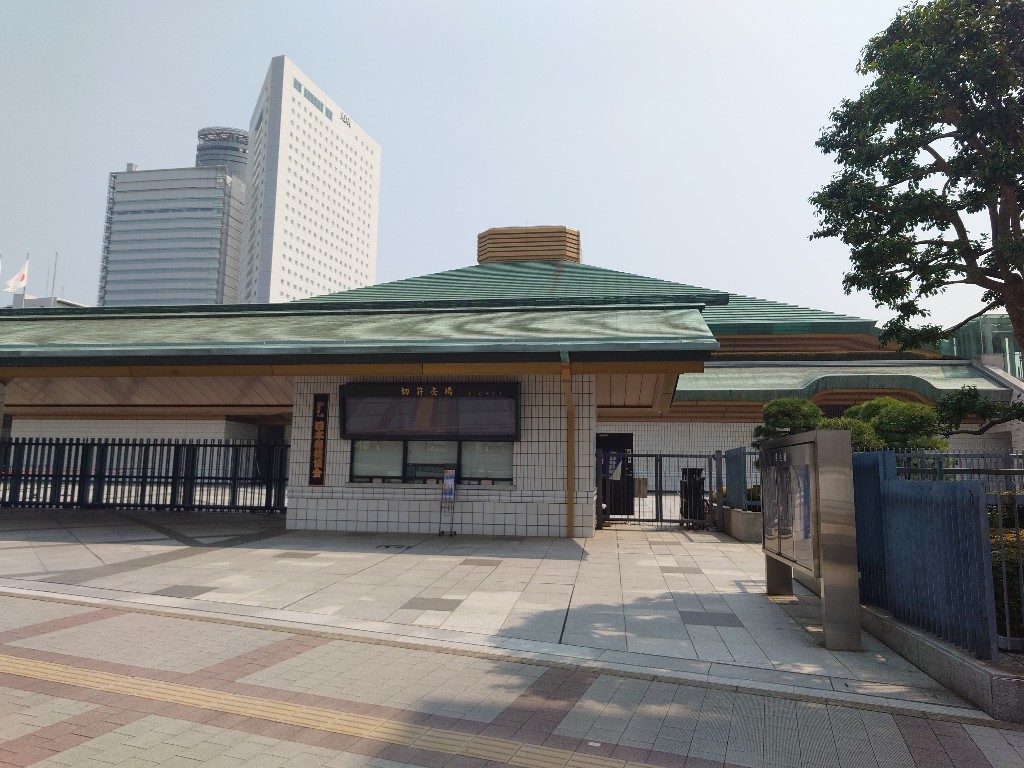
両国駅を出て、両国国技館を過ぎ、その先にある旧安田庭園と刀剣美術館を過ぎて右折。少し歩くと到着する。
Exit Ryogoku Station, pass the Ryogoku Kokugikan, continue past the former Yasuda Garden and the Sword Museum, then turn right. After a short walk, you’ll arrive at the site.
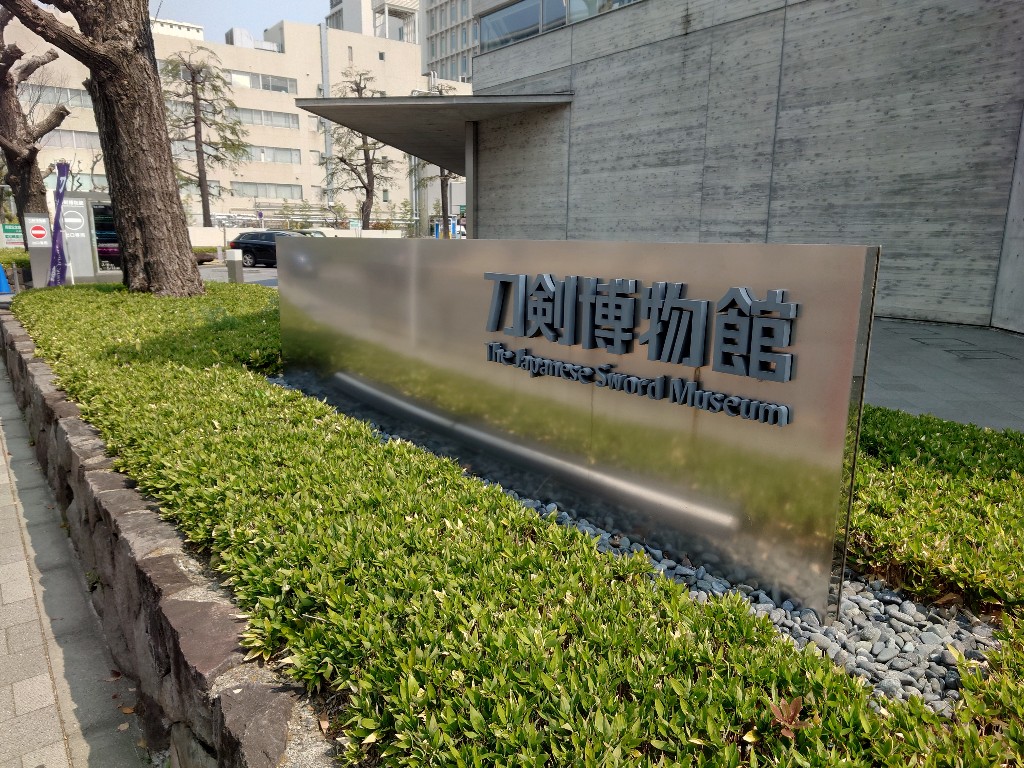
I considered stopping by the Sword Museum, but I decided against it after reading many reviews saying that the admission fee was high relative to the size of the exhibits.
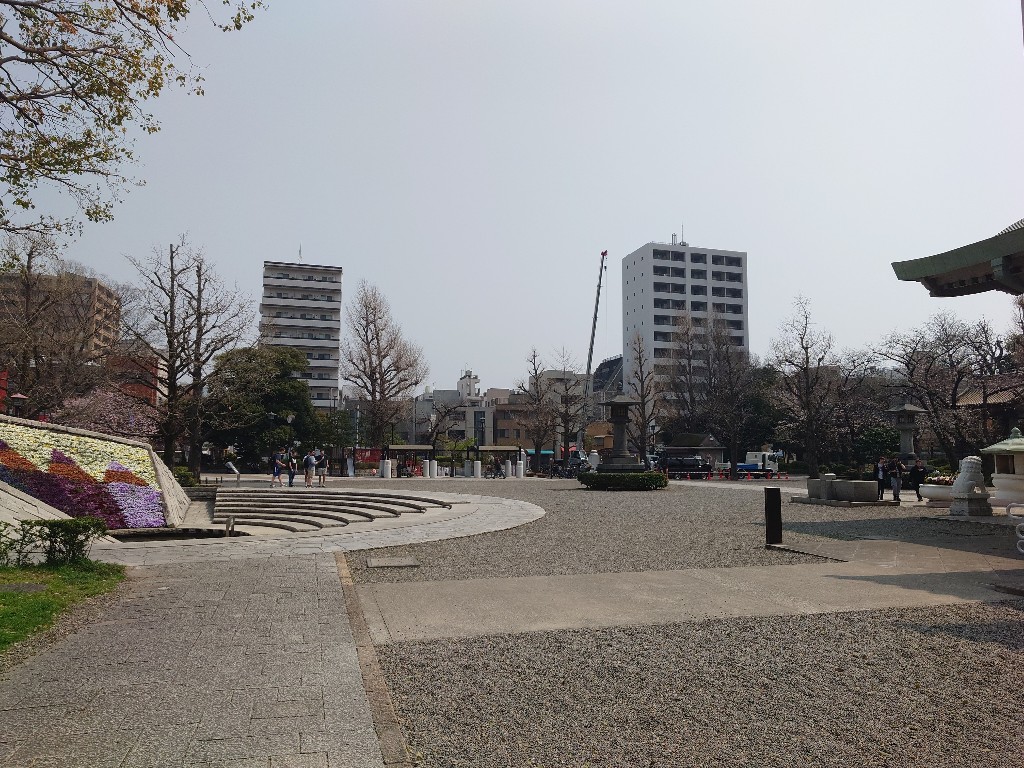
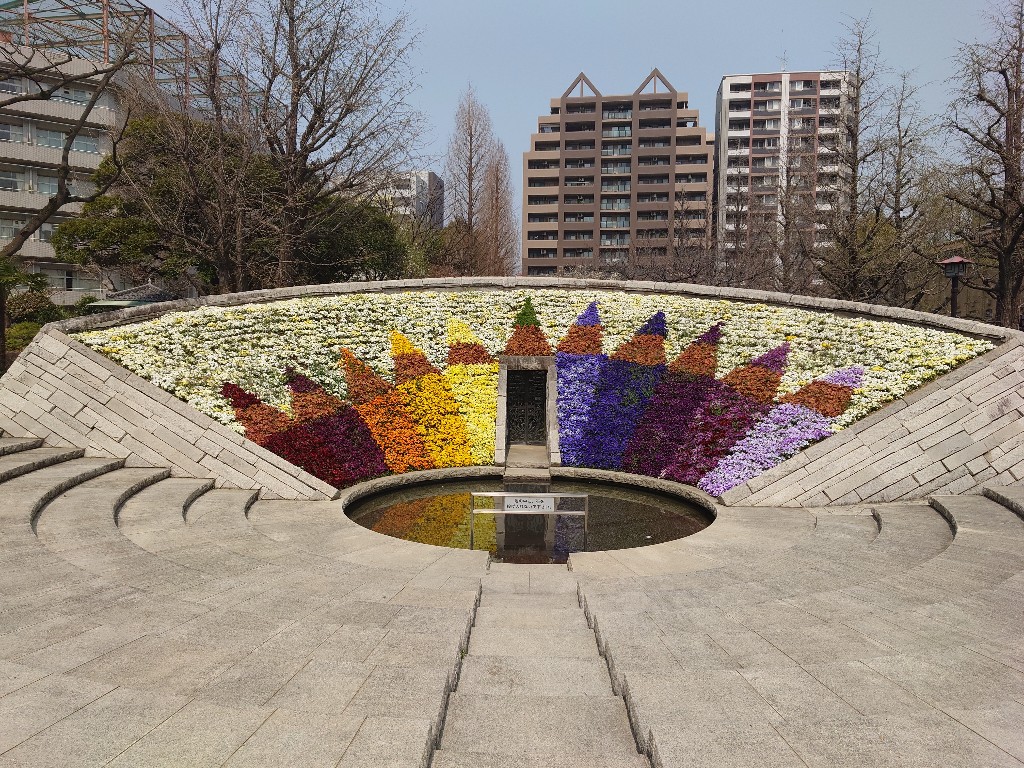
公園といっても、あくまでメインは慰霊堂と震災関連施設で、敷地自体はそれほど広大ではない。
Although it’s called a park, the main focus is the memorial hall and earthquake-related facilities, and the grounds themselves aren’t particularly large.
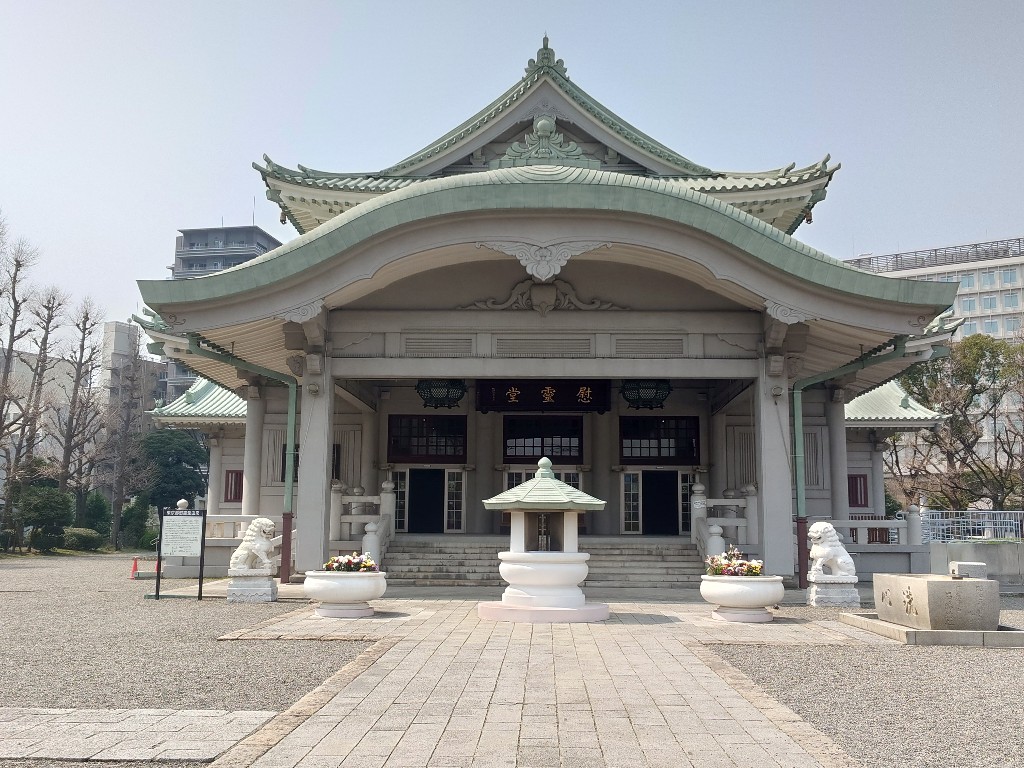
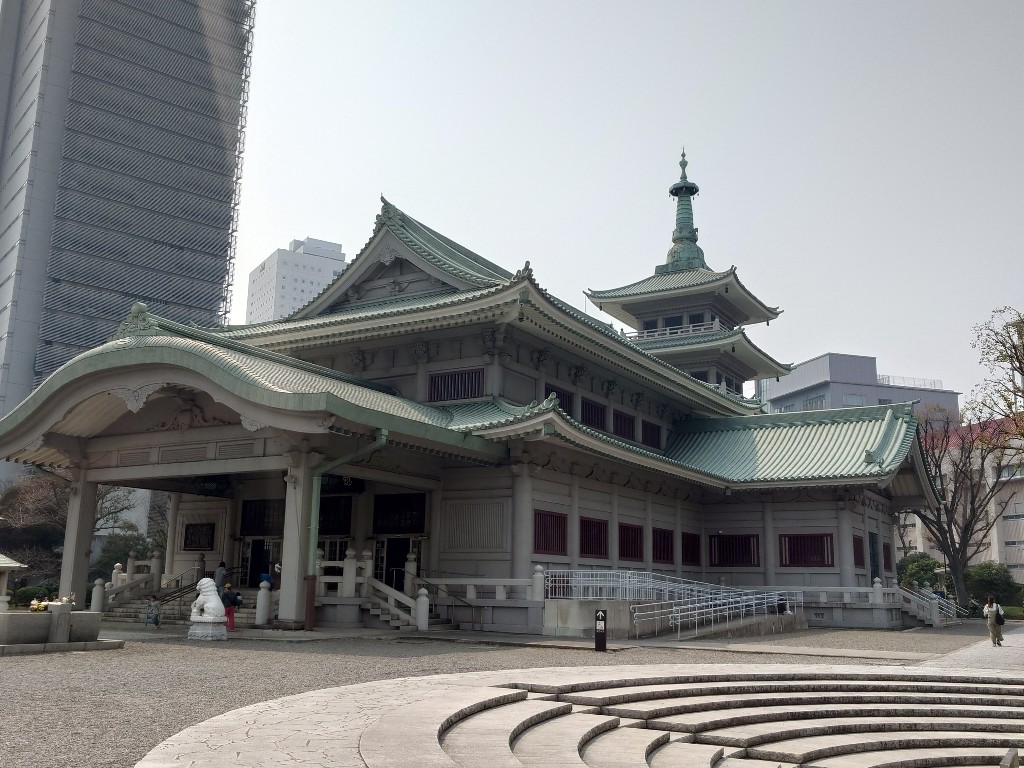
設計は伊藤忠太ほか。浮ついた感じは全くなく、慰霊堂にふさわしい厳粛で重厚な印象だ。
鉄筋コンクリート構造により、1945年3月10日の東京大空襲など、戦時中、多くの空襲下でも難を逃れた。1999年(平成11年)には復興記念館とともに、東京都選定歴史的建造物に指定された。
The memorial hall was designed by Chuta Ito and others. It gives a solemn and dignified impression, entirely fitting for a memorial—there’s nothing flashy about it.
Although the exterior follows traditional Japanese shrine and temple styles, the three-story tower housing the ossuary incorporates Chinese and Indian design elements. The interior of the hall adopts a basilica style seen in Christian churches, with rows of columns separating the wide central nave from the side aisles. Arabesque patterns are used on the walls and ceiling, resulting in an eclectic design that incorporates elements from many religious traditions. Thanks to its reinforced concrete construction, the hall survived the Tokyo air raids of March 10, 1945, and many other wartime bombings. In 1999 (Heisei 11), it, along with the Reconstruction Memorial Hall, was designated as a historically significant building by the Tokyo Metropolitan Government.
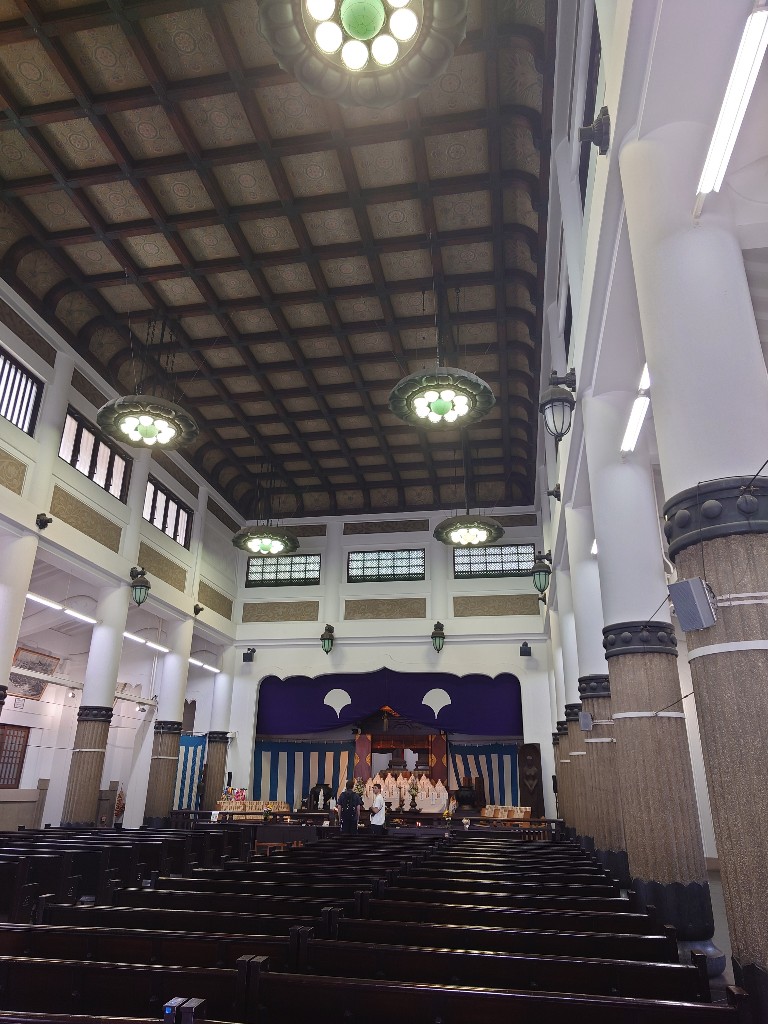
堂内もまた厳粛な雰囲気。デイパック姿の若い外国人観光客のグループがいたが、さすがに騒ぐような雰囲気でないことを察知していたようだった。
The interior of the hall also exudes a solemn atmosphere. There was a group of young foreign tourists wearing backpacks, but they seemed to sense that this wasn’t a place for noisy behavior.
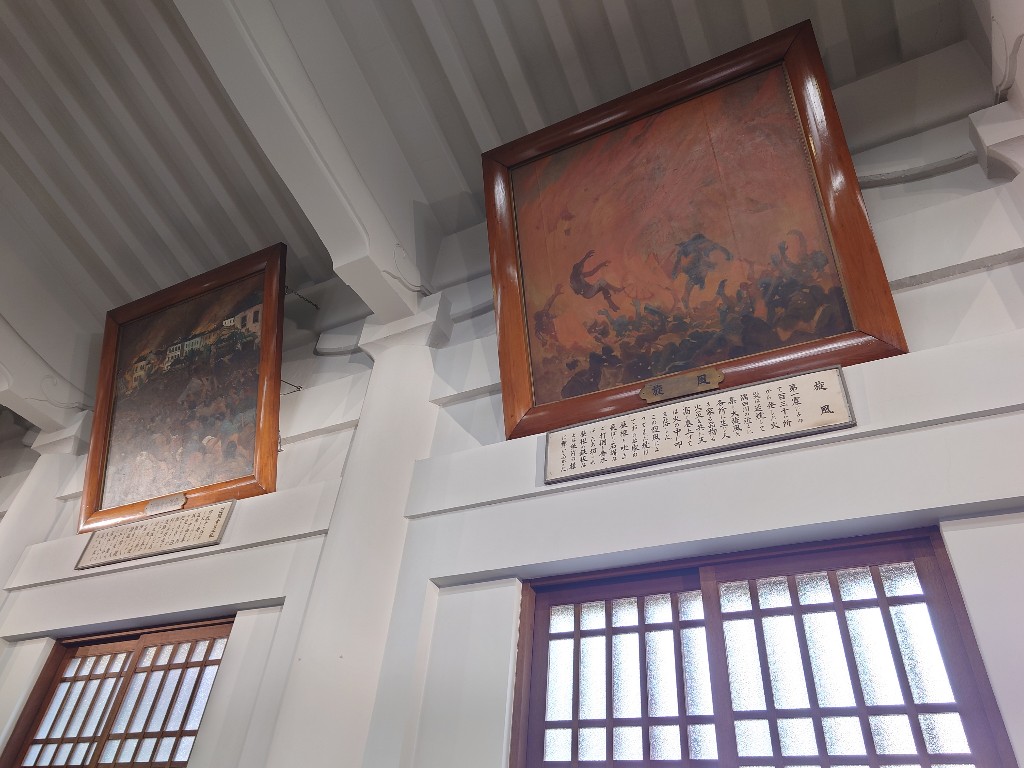
天井に近い壁際に、震災の模様を伝える巨大な絵画がずらりと並んでいる。これらの連作絵画は、後述する震災記念館にも数多く展示されている。
Along the upper walls near the ceiling, a series of large paintings depicting scenes from the earthquake are lined up. Many of these paintings are also displayed in the Earthquake Memorial Museum, which I will describe later.
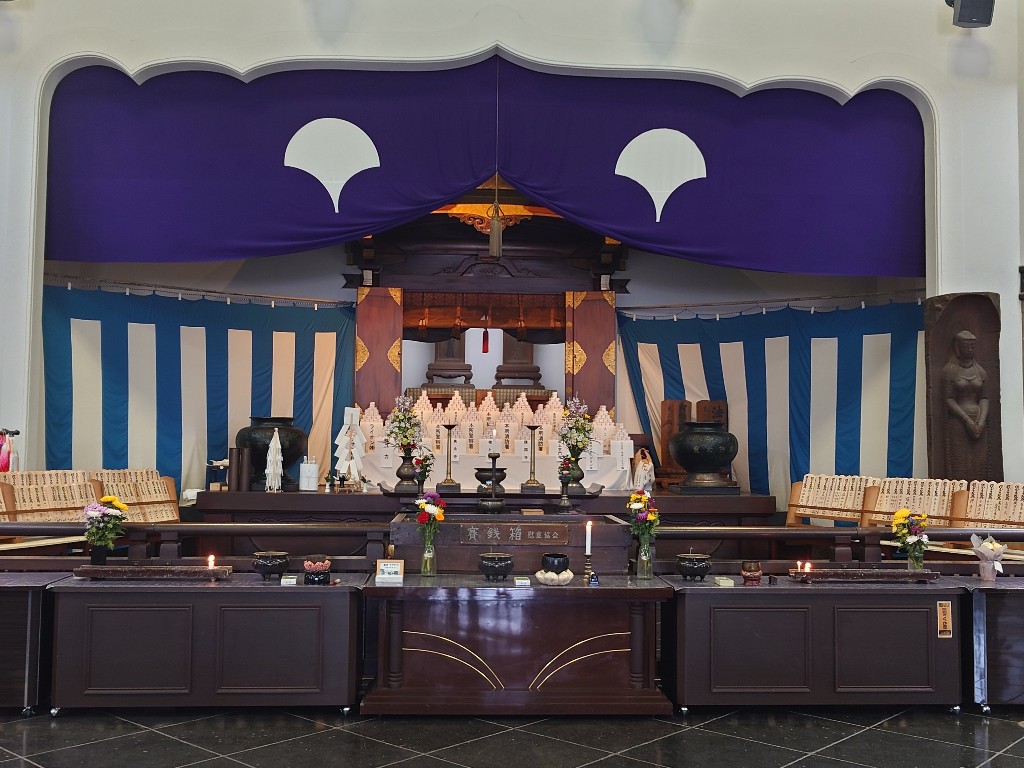
ありきたりかもしれないが、あらためて16万3000余の犠牲者の冥福と世界の平和を祈って手をあわせてきた。
It may sound clichéd, but I once again joined my hands in prayer for the souls of the more than 163,000 victims and for peace in the world.
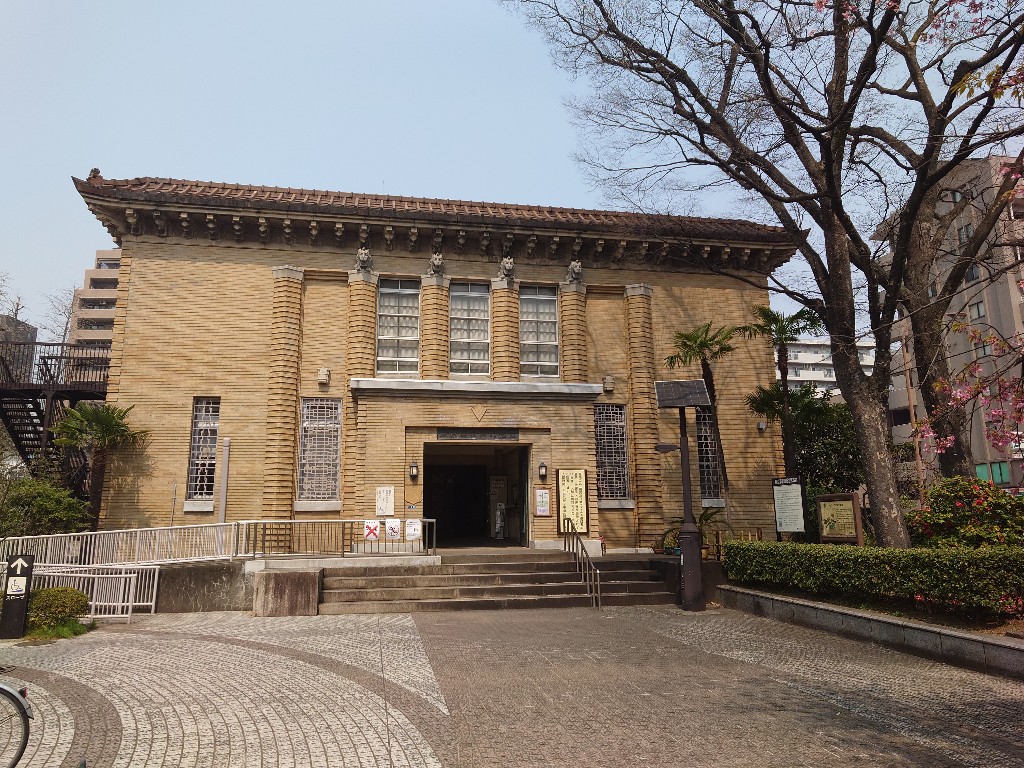
Next to the memorial hall stands the Tokyo Reconstruction Memorial Hall, a modest yet classic building.
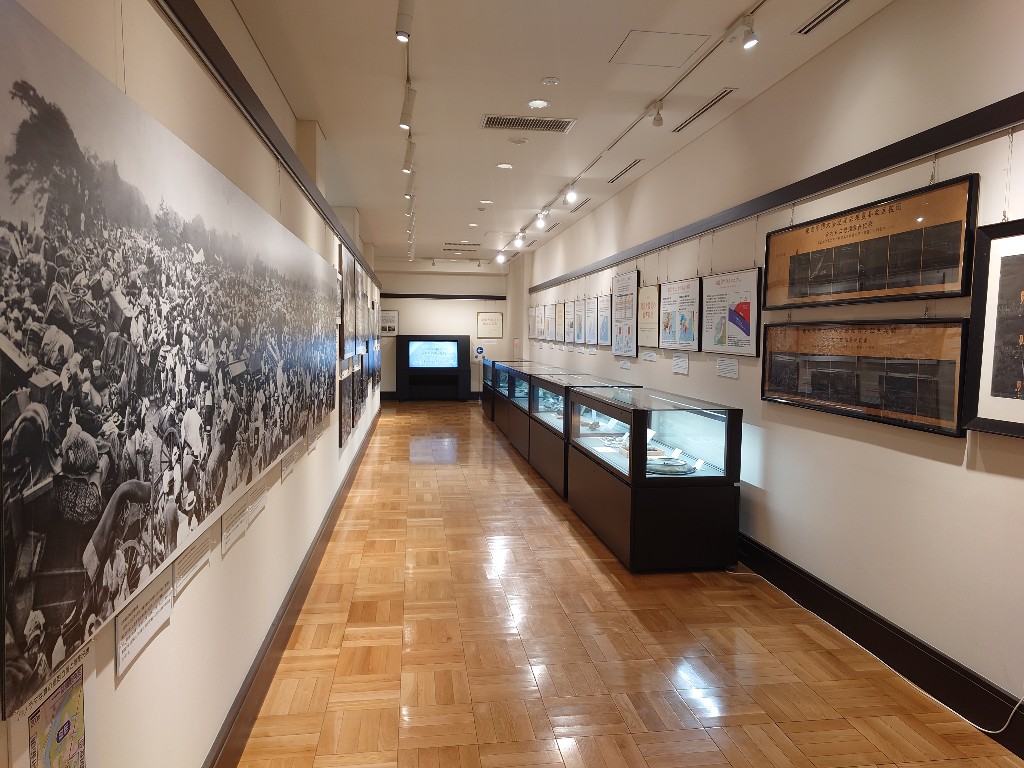
館内の展示品は非常に充実している。とてつもなく重々しい気持ちになるが、ほんの1世紀の間に現実に起こったことなのだ。
The exhibits inside the hall are very comprehensive. It’s an overwhelmingly heavy feeling, but these events actually occurred within just one century.
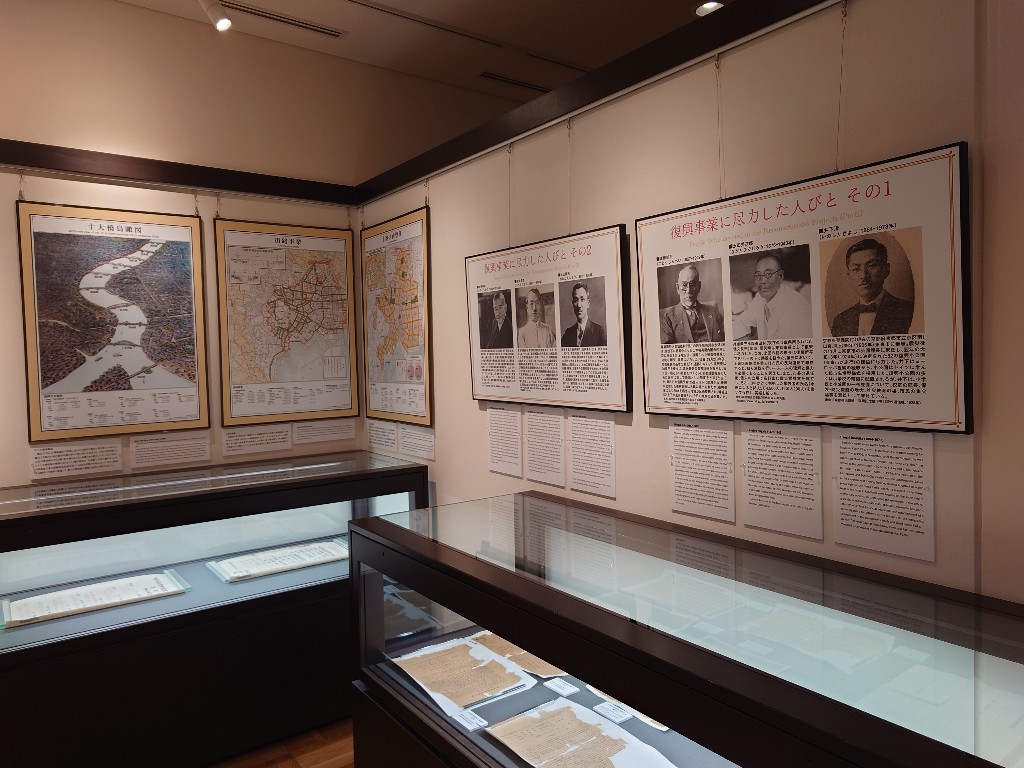
復興にまつわる経緯や資料等もパネルで詳しく説明されており、東京シティガイド検定受験の前に来ておけばよかったと思った。
The panels also provide detailed explanations of the reconstruction process and related materials. I found myself wishing I had visited before taking the Tokyo City Guide Certification exam.
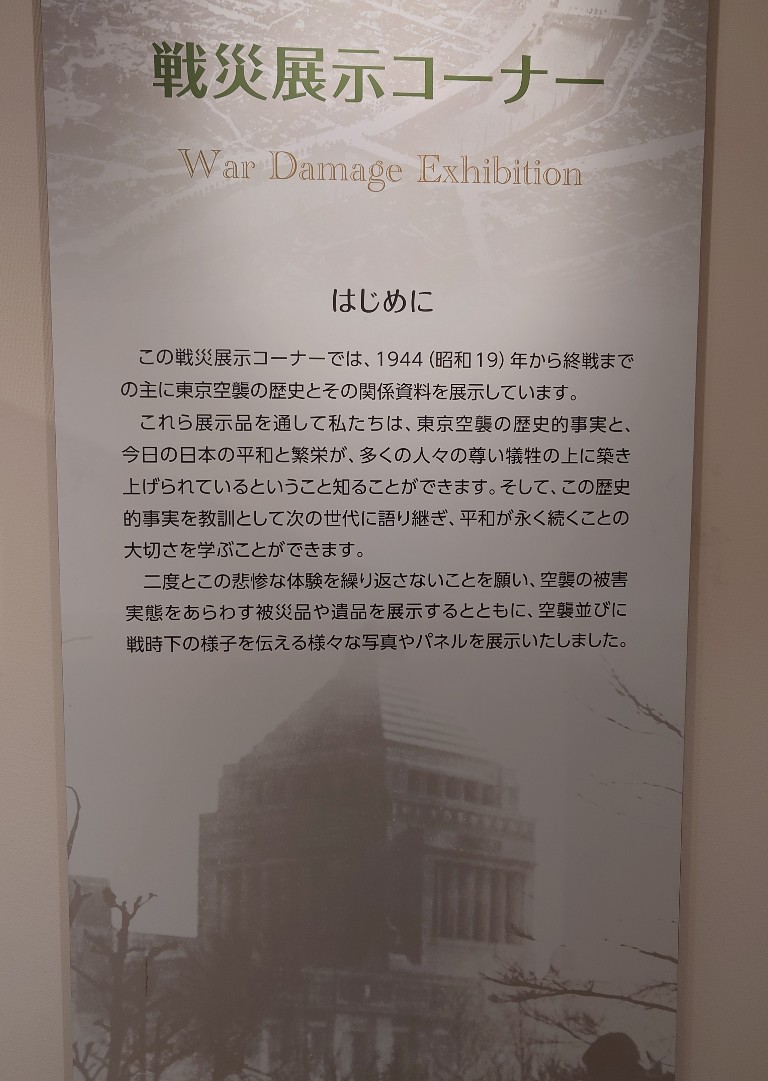
Reflecting once again on the fact that today’s peaceful and prosperous society is built upon the sacrifices of so many people, I headed to Asakusa in the afternoon.
で、この日まず向かったのは、両国にある「東京都慰霊堂」だ。
東京都慰霊堂(とうきょうといれいどう)は、東京都墨田区横網の横網町公園内にある慰霊施設。1930年(昭和5年)に関東大震災の身元不明の遺骨を納め、死亡者の霊を祀る震災記念堂(しんさいきねんどう)として創建され、1948年(昭和23年)より東京大空襲の身元不明の遺骨を納め、死亡者の霊を合祀して、1951年(昭和26年)に現在の姿となった。東京都の施設であるが、仏教各宗により祭祀されている。震災と戦災の犠牲者16万3000柱を供養し、また毎年3月10日と9月1日に大法要が営まれる。
恥かしながら私は「東京シティガイド検定」の勉強をするまでこの施設のことを知らなった。
それで検定に合格した暁には、ぜひ一度訪問したいと思っていたのだ。
From February to March, I had to use up my compensatory days off for weekend work within March, so I suddenly took a day off. It was just two days after the official cherry blossom announcement, and ideally, I would have liked to take the day a few days later. However, coordinating with my colleagues made it difficult to shift the holiday, so I decided to postpone hanami for another day.
On this day, my first destination was the Tokyo Memorial Hall in Ryogoku.
The Tokyo Memorial Hall is a memorial facility located in Yokoamicho Park in Sumida, Tokyo. Built in 1930 (Showa 5) to enshrine the unidentified remains of victims of the Great Kanto Earthquake, it was established as a memorial hall for the deceased. From 1948 (Showa 23), it also began to enshrine the unidentified remains of the Tokyo air raid victims, and in 1951 (Showa 26), it took on its current form. While it is a Tokyo Metropolitan facility, it is maintained according to various Buddhist sects. It commemorates the 163,000 victims of the earthquake and the war, with major ceremonies held annually on March 10 and September 1.
I must admit, I had never known about this facility until I started studying for the Tokyo City Guide Certification. I had long wanted to visit it in person once I passed the exam.
両国駅を出て、両国国技館を過ぎ、その先にある旧安田庭園と刀剣美術館を過ぎて右折。少し歩くと到着する。
Exit Ryogoku Station, pass the Ryogoku Kokugikan, continue past the former Yasuda Garden and the Sword Museum, then turn right. After a short walk, you’ll arrive at the site.
I considered stopping by the Sword Museum, but I decided against it after reading many reviews saying that the admission fee was high relative to the size of the exhibits.
公園といっても、あくまでメインは慰霊堂と震災関連施設で、敷地自体はそれほど広大ではない。
Although it’s called a park, the main focus is the memorial hall and earthquake-related facilities, and the grounds themselves aren’t particularly large.
設計は伊藤忠太ほか。浮ついた感じは全くなく、慰霊堂にふさわしい厳粛で重厚な印象だ。
鉄筋コンクリート構造により、1945年3月10日の東京大空襲など、戦時中、多くの空襲下でも難を逃れた。1999年(平成11年)には復興記念館とともに、東京都選定歴史的建造物に指定された。
The memorial hall was designed by Chuta Ito and others. It gives a solemn and dignified impression, entirely fitting for a memorial—there’s nothing flashy about it.
Although the exterior follows traditional Japanese shrine and temple styles, the three-story tower housing the ossuary incorporates Chinese and Indian design elements. The interior of the hall adopts a basilica style seen in Christian churches, with rows of columns separating the wide central nave from the side aisles. Arabesque patterns are used on the walls and ceiling, resulting in an eclectic design that incorporates elements from many religious traditions. Thanks to its reinforced concrete construction, the hall survived the Tokyo air raids of March 10, 1945, and many other wartime bombings. In 1999 (Heisei 11), it, along with the Reconstruction Memorial Hall, was designated as a historically significant building by the Tokyo Metropolitan Government.
堂内もまた厳粛な雰囲気。デイパック姿の若い外国人観光客のグループがいたが、さすがに騒ぐような雰囲気でないことを察知していたようだった。
The interior of the hall also exudes a solemn atmosphere. There was a group of young foreign tourists wearing backpacks, but they seemed to sense that this wasn’t a place for noisy behavior.
天井に近い壁際に、震災の模様を伝える巨大な絵画がずらりと並んでいる。これらの連作絵画は、後述する震災記念館にも数多く展示されている。
Along the upper walls near the ceiling, a series of large paintings depicting scenes from the earthquake are lined up. Many of these paintings are also displayed in the Earthquake Memorial Museum, which I will describe later.
ありきたりかもしれないが、あらためて16万3000余の犠牲者の冥福と世界の平和を祈って手をあわせてきた。
It may sound clichéd, but I once again joined my hands in prayer for the souls of the more than 163,000 victims and for peace in the world.
Next to the memorial hall stands the Tokyo Reconstruction Memorial Hall, a modest yet classic building.
館内の展示品は非常に充実している。とてつもなく重々しい気持ちになるが、ほんの1世紀の間に現実に起こったことなのだ。
The exhibits inside the hall are very comprehensive. It’s an overwhelmingly heavy feeling, but these events actually occurred within just one century.
復興にまつわる経緯や資料等もパネルで詳しく説明されており、東京シティガイド検定受験の前に来ておけばよかったと思った。
The panels also provide detailed explanations of the reconstruction process and related materials. I found myself wishing I had visited before taking the Tokyo City Guide Certification exam.
Reflecting once again on the fact that today’s peaceful and prosperous society is built upon the sacrifices of so many people, I headed to Asakusa in the afternoon.
お気に入りの記事を「いいね!」で応援しよう

[都内近郊散策] カテゴリの最新記事
-
東京ぶらり散歩その41~太田黒公園の紅葉… 2025年12月02日
-
東京ぶらり散歩40~豪徳寺の紅葉 Tokyo S… 2025年11月28日
-
ぶらり東京散歩その39〜三宿神社と世田谷… 2025年11月26日


【毎日開催】
15記事にいいね!で1ポイント


PR
Comments
shuz1127
@ Re[1]:モーリス・ユトリロ展@SOMPO美術館~その1 Maurice Utrillo Exhibition at the SOMPO Museum — Part 1(11/10)
Henryさん おお、西山美術館に行かれたの…
Henry@ Re:モーリス・ユトリロ展@SOMPO美術館~その1 Maurice Utrillo Exhibition at the SOMPO Museum — Part 1(11/10)
西山美術館、メルカリで無料招待券をお安…
shuz1127
@ Re[1]:ほどよく均整の取れたベリーA~マスカットベリーA2023(白百合醸造) Well-Balanced Berry A – Muscat Bailey A 2023 (Shirayuri Winery)(10/10)
noir-funさんへ 熊本ワインファーム、例…
noir-fun
@ Re:ほどよく均整の取れたベリーA~マスカットベリーA2023(白百合醸造) Well-Balanced Berry A – Muscat Bailey A 2023 (Shirayuri Winery)(10/10)
機会があれば是非、熊本ワインファームの…
shuz@ Re[1]:悪くはないのだけど…エラスリス MAX・カベルネソーヴィニヨン2020 “Not bad, but not quite…” — Errazuriz MAX Cabernet Sauvignon 2020(09/24)
noir-funさん ご無沙汰していますが、お…
Category
カテゴリ未分類
(10)お知らせ・リンク集
(28)ワイン新着情報
(518)ワインコラム
(343)ワインコラム2(話飲徒然草拾遺集)
(75)ワインコラム3(RWGコラム拾遺集)
(28)都内近郊散策
(284)こんな店に行った
(328)B級グルメ・カフェ
(248)健康
(219)エッセイ
(76)ひとりごと・備忘録
(541)カミサン推薦ネタ
(28)語学・資格・学び直し
(95)山歩き・ハイキング
(123)アクアリウム・ガーデニング
(339)育児・教育
(88)PCネット時計カメラ
(129)音楽・オーディオ
(70)リフォーム引越し
(50)こんなワイン買った
(129)ボルドー
(99)ブルゴーニュ・ジュブレシャンベルタン
(90)ブルゴーニュ・モレサンドニ
(40)ブルゴーニュ・シャンボールミュジニー
(45)ブルゴーニュ・ヴォーヌロマネ・ヴジョ
(56)ブルゴーニュ・NSG
(58)ブルゴーニュ・その他コートドニュイ
(63)ブルゴーニュ・コルトン・ポマール・ヴォルネイ
(30)ブルゴーニュ・ボーヌ周辺
(56)ブル・ピュリニー・シャサーニュ・ムルソー
(21)ブルゴーニュ・その他コートドボーヌ
(27)ブルゴーニュ・裾モノイッキ飲み!
(221)ブルゴーニュ・その他地域
(37)ボジョレー再発見プロジェクト
(32)シャンパーニュ
(195)ロワール・アルザス・ローヌ
(54)その他フランス
(16)イタリア
(80)スペイン・ポルトガル
(37)ニュージーランド・オーストラリア
(49)USA
(40)安泡道場(シャンパーニュ以外)
(37)その他地域・甘口など
(44)日本ワイン
(64)ワイン会・有料試飲
(173) ルロワ コトー・ブ…
 New!
mache2007さん
New!
mache2007さん
【長崎旅行】午前中…
ささだあきらさん
今日の富士山
zzz.santaさん
エマニュエル・レイ…
hirozeauxさん
10年前のルロワのプ…
yonemuさん
EF210-328 EF510-3… musigny0209さん
ワイン&ジョギング … Char@diaryさん
道草日記 旅・釣… 道草.さん
鴨がワインしょって… うまいーちさん
Wine Lover margaux1966さん
New!
mache2007さん【長崎旅行】午前中…
ささだあきらさん今日の富士山
zzz.santaさんエマニュエル・レイ…
hirozeauxさん10年前のルロワのプ…
yonemuさんEF210-328 EF510-3… musigny0209さん
ワイン&ジョギング … Char@diaryさん
道草日記 旅・釣… 道草.さん
鴨がワインしょって… うまいーちさん
Wine Lover margaux1966さん
Keyword Search
▼キーワード検索
Calendar
© Rakuten Group, Inc.
