


2025年06月17日

カテゴリ: 都内近郊散策
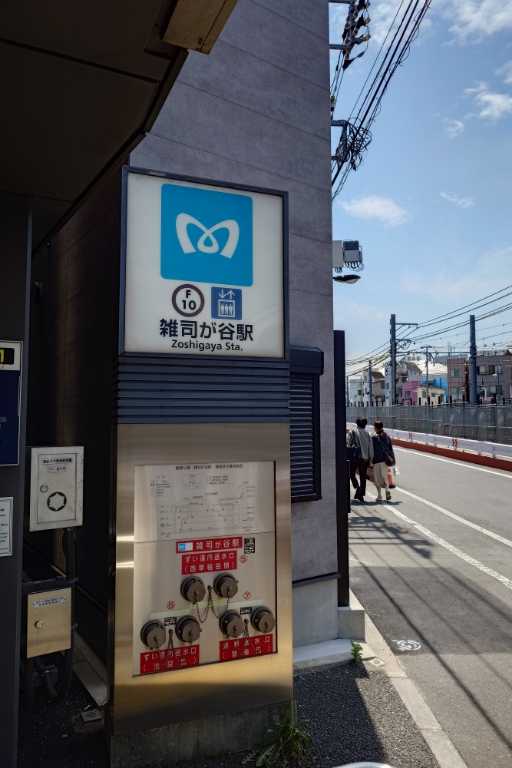
That day, I got off at Zoshigaya Station on the Fukutoshin Line. Although it’s easy to get there from my home with a transfer at Shibuya, this might have been my first time actually exiting there.
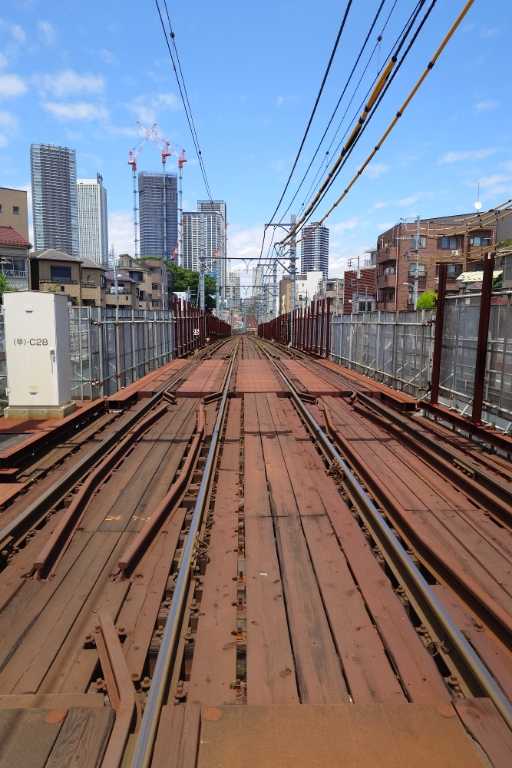
都営荒川線の踏切を渡る。目的地は雑司ヶ谷鬼子母神だ。
The railroad crossing of the Toei Arakawa Line. My destination was Zoshigaya Kishimojin Shrine.
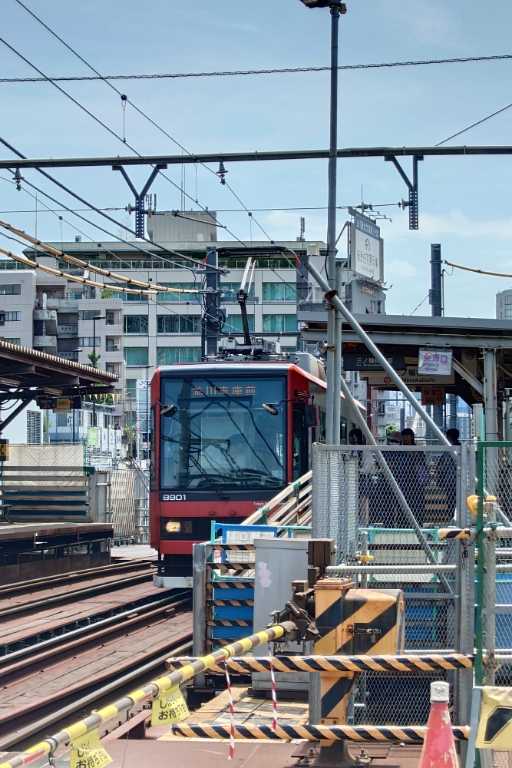
都営荒川線にはあまり縁がないので、一度じっくり乗ってみたい。
I don’t have enough opportunities to ride the Toei Arakawa Line, so I’d like to take a proper ride on it sometime.
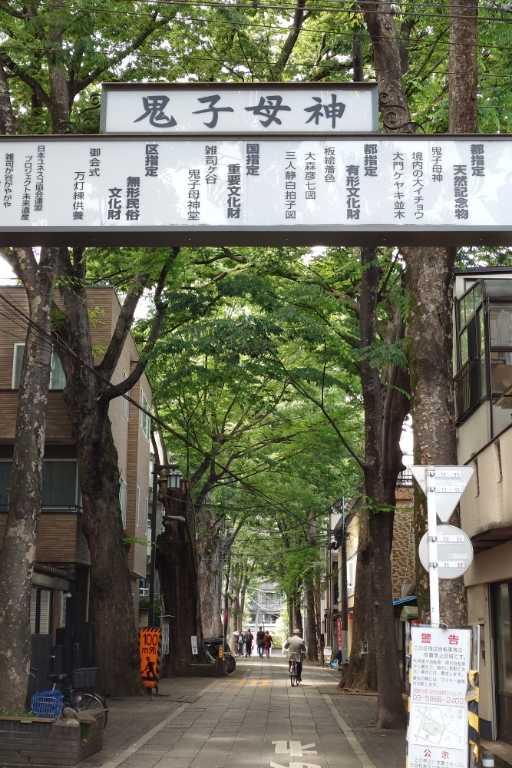
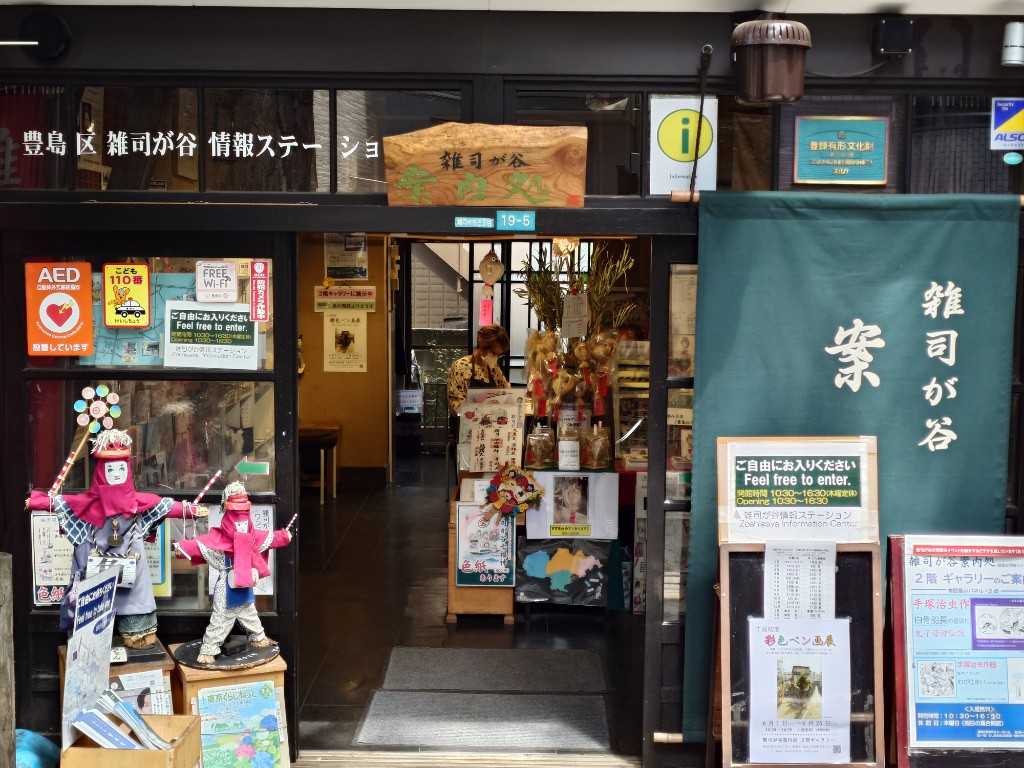
参道には観光用の情報ステーションもある。
There is also a tourist information station along the approach to the shrine.
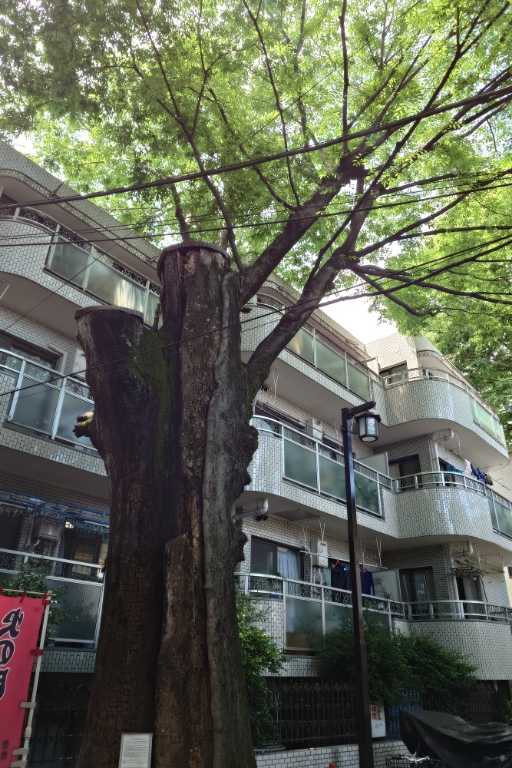
参道のケヤキ並木は、天正年間に雑司ヶ谷村の住人長島内匠が奉納したものと言われ、樹齢400年を数える。境内の大イチョウともに、東京都の天然記念物に指定されている
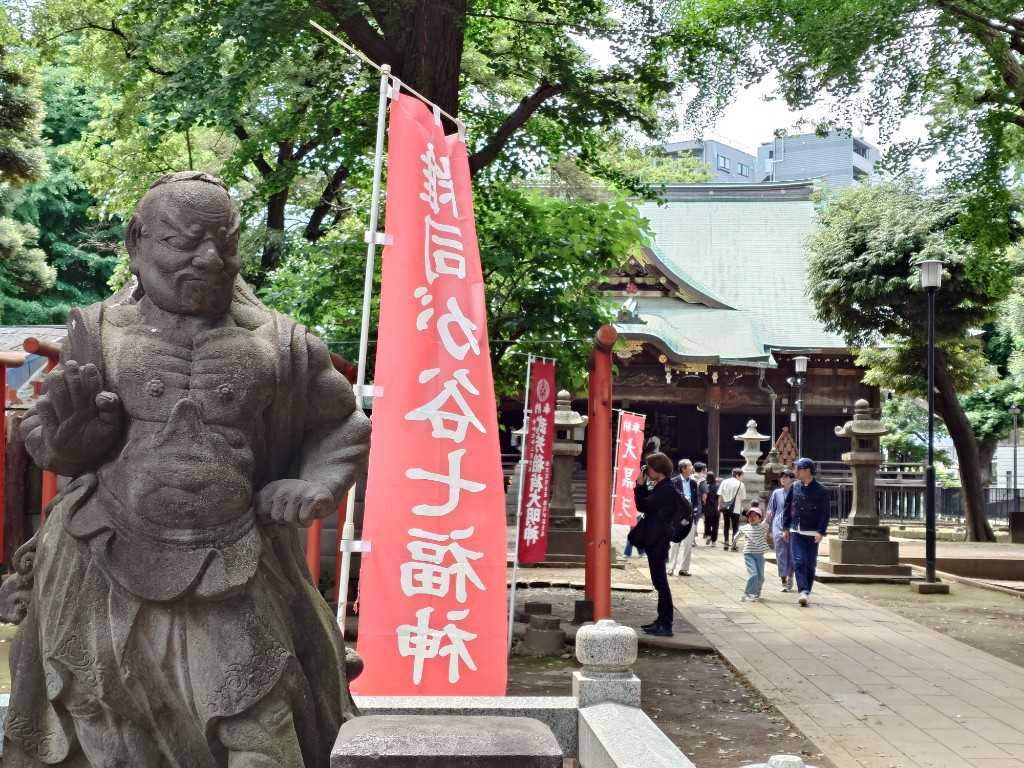
天正6年(1578)の創建。清土(文京区目白台)から出土した鬼子母神像を祀るため、里人たちが叢林を拓いて堂を建てたのが始まりと言われている。
The shrine was founded in Tenshō 6 (1578). It is said that local villagers cleared the forest and built a hall to enshrine the Kishimojin statue excavated from Seido (Mejirodai, Bunkyo Ward).
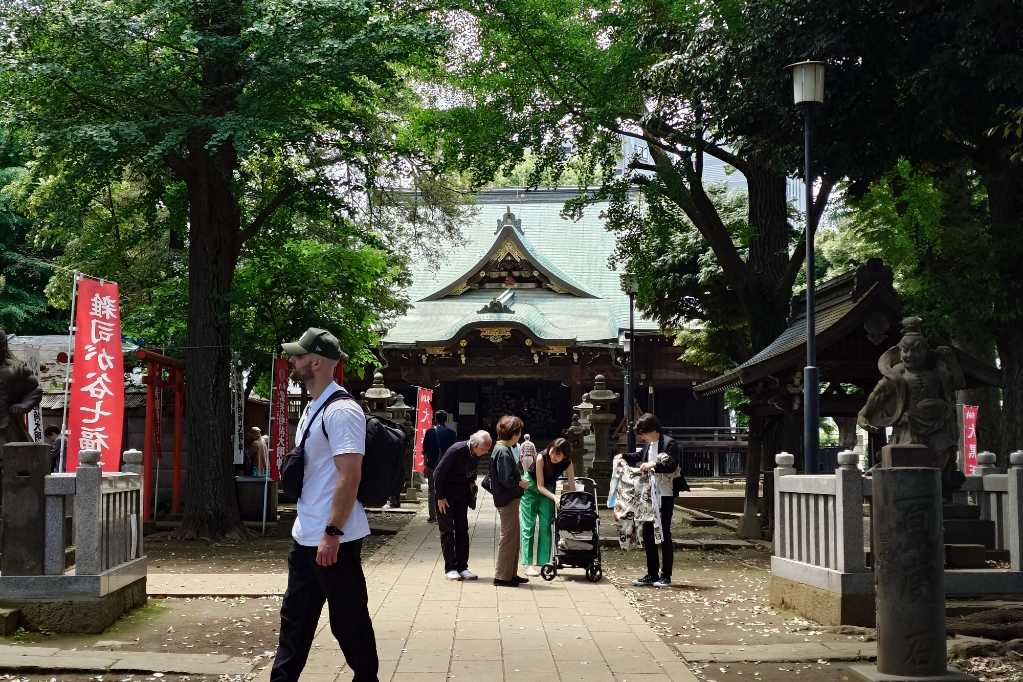
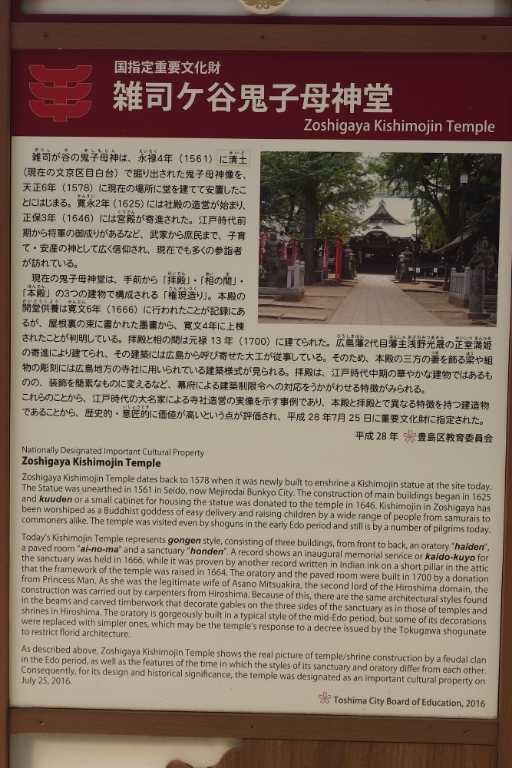
現在の本殿は寛文4年(1664)に、前田利常の息女で安芸藩主浅野家に嫁した自昌院殿の寄進により建立されたもので、区内最古の建造物。江戸時代前期より、子授け、子育ての神様として庶民の信仰を集めてきた。
The current main hall was built in Kanbun 4 (1664) through the donation of Jishōinden, the daughter of Maeda Toshitsune who married into the Asano family, lords of the Aki domain. It is the oldest building in the ward. Since the early Edo period, it has been revered by common people as a deity of fertility and child-rearing.
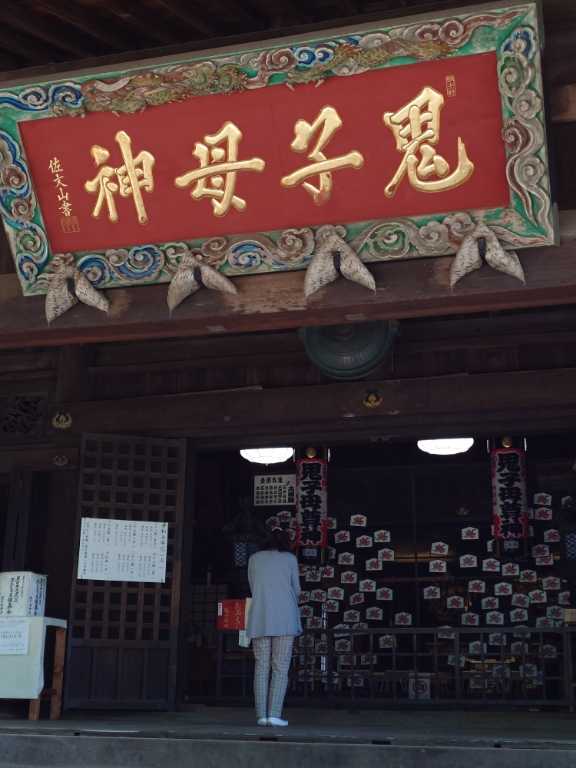
鬼子母神の「鬼」の字は、本来、一番上の点がないのが正しい。
当山の鬼子母神像は、鬼形ではなく、羽衣・櫻洛をつけ、吉祥果を持ち幼児を抱いた菩薩形の美しいお姿をしているので、とくに角(つの)のつかない鬼の字を用い 「雑司ケ谷鬼子母神」と尊称しております。
The character for "Oni" (鬼) in Kishimojin’s name is traditionally written without the topmost dot.
The Kishimojin statue at this temple does not have a demonic appearance; instead, it is a beautiful bodhisattva figure adorned with a feathered robe and sakura motif, holding a fruit of good fortune and cradling an infant. For this reason, the character for "Oni" is used without the horn (角), and the deity is respectfully called "Zoshigaya Kishimojin."
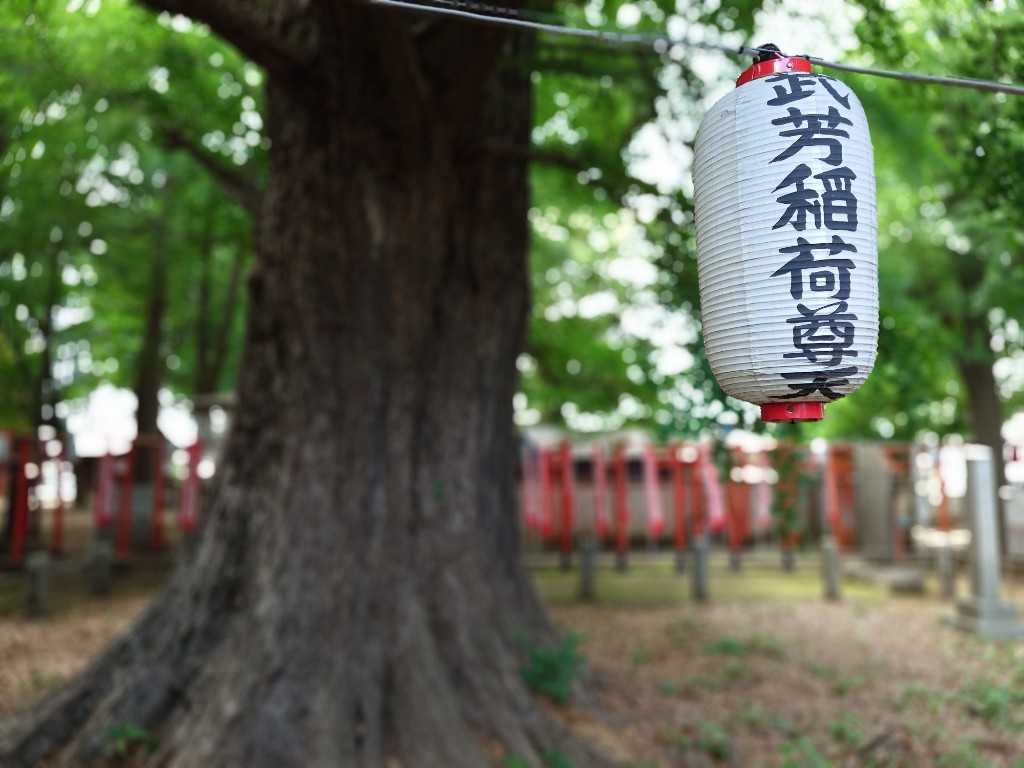
鬼子母神境内の大イチョウは、応永年間に植えられたものと伝えられ、樹齢600年に及ぶ大樹は、子授けイチョウ、子育てイチョウとして親しまれてきた。こちらも都の天然記念物。
The large ginkgo tree on the Kishimojin shrine grounds is said to have been planted during the Ōei era (1394–1428). This venerable tree, estimated to be around 600 years old, has long been cherished as a symbol of fertility and child-rearing. It is also designated as a natural monument by the Tokyo Metropolitan Government.
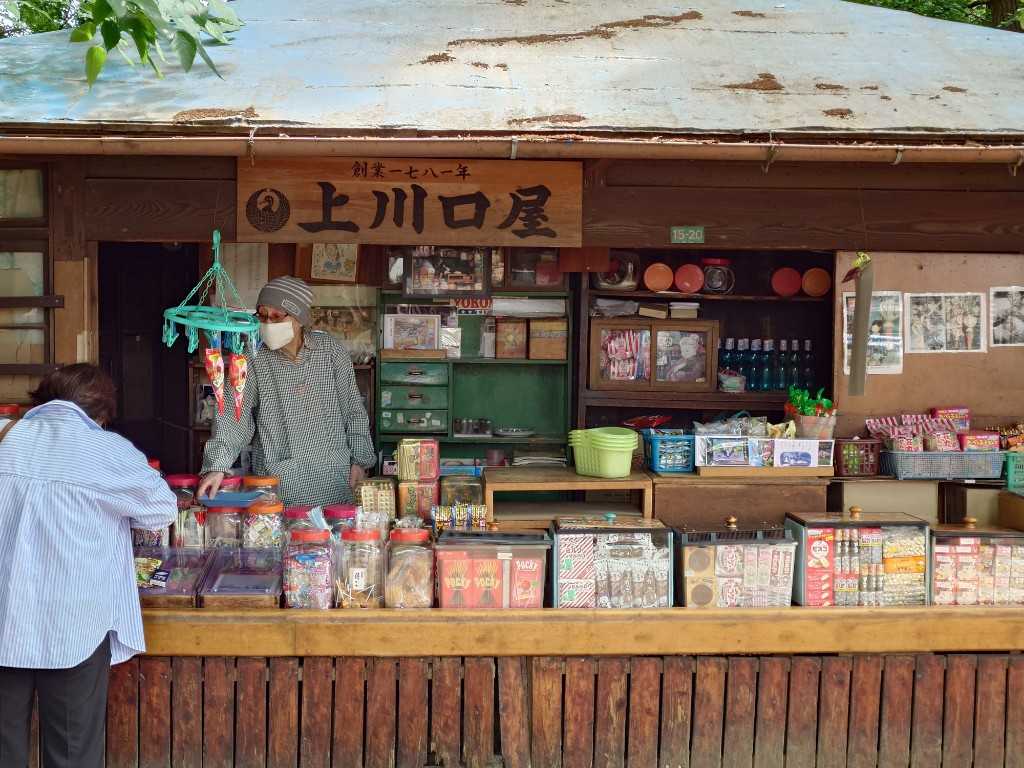
創業1781年からある駄菓子屋「上川口屋」。
Kamikawaguchiya, a traditional candy shop founded in 1781.
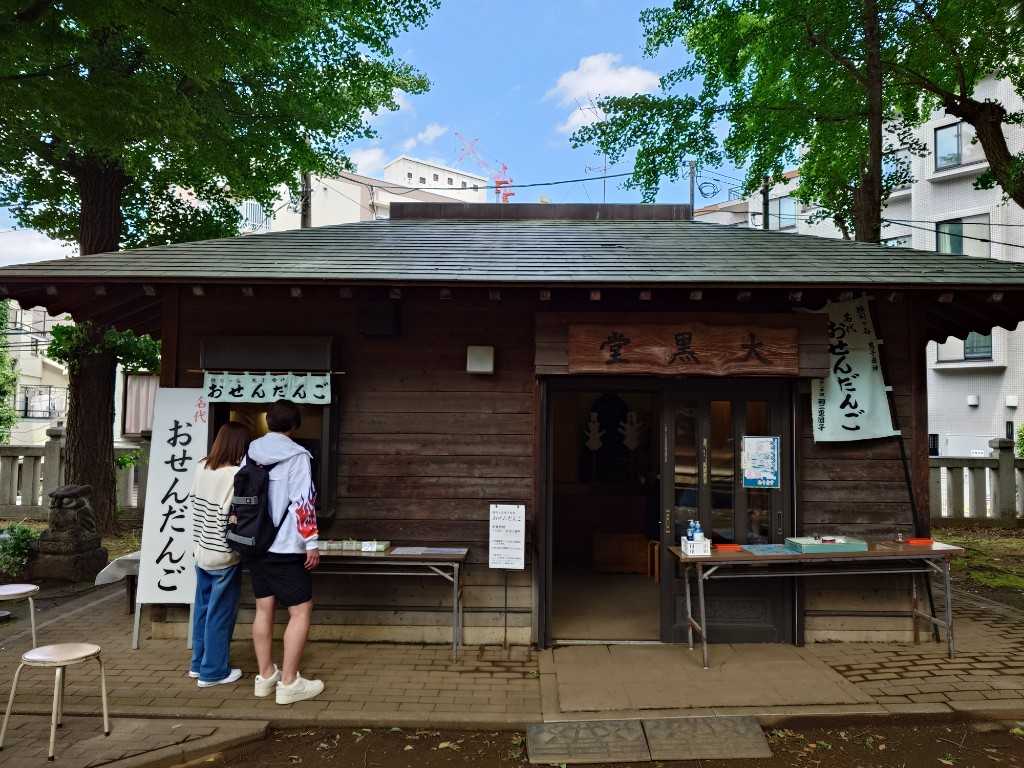
This “Osen Dango” stand was recently revived in response to calls to bring back the dango stalls that once lined the shrine grounds during the Edo period. I would have liked to stop by if I had time, but since I had other places to visit that day, I decided to save it for next time.
お気に入りの記事を「いいね!」で応援しよう

[都内近郊散策] カテゴリの最新記事
-
東京ぶらり散歩その41~太田黒公園の紅葉… 2025年12月02日
-
東京ぶらり散歩40~豪徳寺の紅葉 Tokyo S… 2025年11月28日
-
ぶらり東京散歩その39〜三宿神社と世田谷… 2025年11月26日


【毎日開催】
15記事にいいね!で1ポイント


PR
Comments
shuz1127
@ Re[1]:モーリス・ユトリロ展@SOMPO美術館~その1 Maurice Utrillo Exhibition at the SOMPO Museum — Part 1(11/10)
Henryさん おお、西山美術館に行かれたの…
Henry@ Re:モーリス・ユトリロ展@SOMPO美術館~その1 Maurice Utrillo Exhibition at the SOMPO Museum — Part 1(11/10)
西山美術館、メルカリで無料招待券をお安…
shuz1127
@ Re[1]:ほどよく均整の取れたベリーA~マスカットベリーA2023(白百合醸造) Well-Balanced Berry A – Muscat Bailey A 2023 (Shirayuri Winery)(10/10)
noir-funさんへ 熊本ワインファーム、例…
noir-fun
@ Re:ほどよく均整の取れたベリーA~マスカットベリーA2023(白百合醸造) Well-Balanced Berry A – Muscat Bailey A 2023 (Shirayuri Winery)(10/10)
機会があれば是非、熊本ワインファームの…
shuz@ Re[1]:悪くはないのだけど…エラスリス MAX・カベルネソーヴィニヨン2020 “Not bad, but not quite…” — Errazuriz MAX Cabernet Sauvignon 2020(09/24)
noir-funさん ご無沙汰していますが、お…
Category
カテゴリ未分類
(10)お知らせ・リンク集
(28)ワイン新着情報
(518)ワインコラム
(343)ワインコラム2(話飲徒然草拾遺集)
(75)ワインコラム3(RWGコラム拾遺集)
(28)都内近郊散策
(284)こんな店に行った
(328)B級グルメ・カフェ
(248)健康
(220)エッセイ
(76)ひとりごと・備忘録
(541)カミサン推薦ネタ
(28)語学・資格・学び直し
(95)山歩き・ハイキング
(123)アクアリウム・ガーデニング
(339)育児・教育
(88)PCネット時計カメラ
(129)音楽・オーディオ
(70)リフォーム引越し
(50)こんなワイン買った
(129)ボルドー
(99)ブルゴーニュ・ジュブレシャンベルタン
(90)ブルゴーニュ・モレサンドニ
(40)ブルゴーニュ・シャンボールミュジニー
(45)ブルゴーニュ・ヴォーヌロマネ・ヴジョ
(56)ブルゴーニュ・NSG
(58)ブルゴーニュ・その他コートドニュイ
(63)ブルゴーニュ・コルトン・ポマール・ヴォルネイ
(30)ブルゴーニュ・ボーヌ周辺
(56)ブル・ピュリニー・シャサーニュ・ムルソー
(21)ブルゴーニュ・その他コートドボーヌ
(27)ブルゴーニュ・裾モノイッキ飲み!
(221)ブルゴーニュ・その他地域
(37)ボジョレー再発見プロジェクト
(32)シャンパーニュ
(195)ロワール・アルザス・ローヌ
(54)その他フランス
(16)イタリア
(80)スペイン・ポルトガル
(37)ニュージーランド・オーストラリア
(49)USA
(40)安泡道場(シャンパーニュ以外)
(37)その他地域・甘口など
(44)日本ワイン
(64)ワイン会・有料試飲
(173) アンヌ・エ・ジャン…
 New!
mache2007さん
New!
mache2007さん
【長崎旅行】午前中…
ささだあきらさん
今日の富士山
zzz.santaさん
エマニュエル・レイ…
hirozeauxさん
10年前のルロワのプ…
yonemuさん
EF210-328 EF510-3… musigny0209さん
ワイン&ジョギング … Char@diaryさん
道草日記 旅・釣… 道草.さん
鴨がワインしょって… うまいーちさん
Wine Lover margaux1966さん
New!
mache2007さん【長崎旅行】午前中…
ささだあきらさん今日の富士山
zzz.santaさんエマニュエル・レイ…
hirozeauxさん10年前のルロワのプ…
yonemuさんEF210-328 EF510-3… musigny0209さん
ワイン&ジョギング … Char@diaryさん
道草日記 旅・釣… 道草.さん
鴨がワインしょって… うまいーちさん
Wine Lover margaux1966さん
Keyword Search
▼キーワード検索
Calendar
© Rakuten Group, Inc.
